Connectivity of MBONs
on Monday, September 14th, 2026 10:33 | by Ipek Subay
MBON02 with b1 and b3 motor neurons in maleCNS dataset
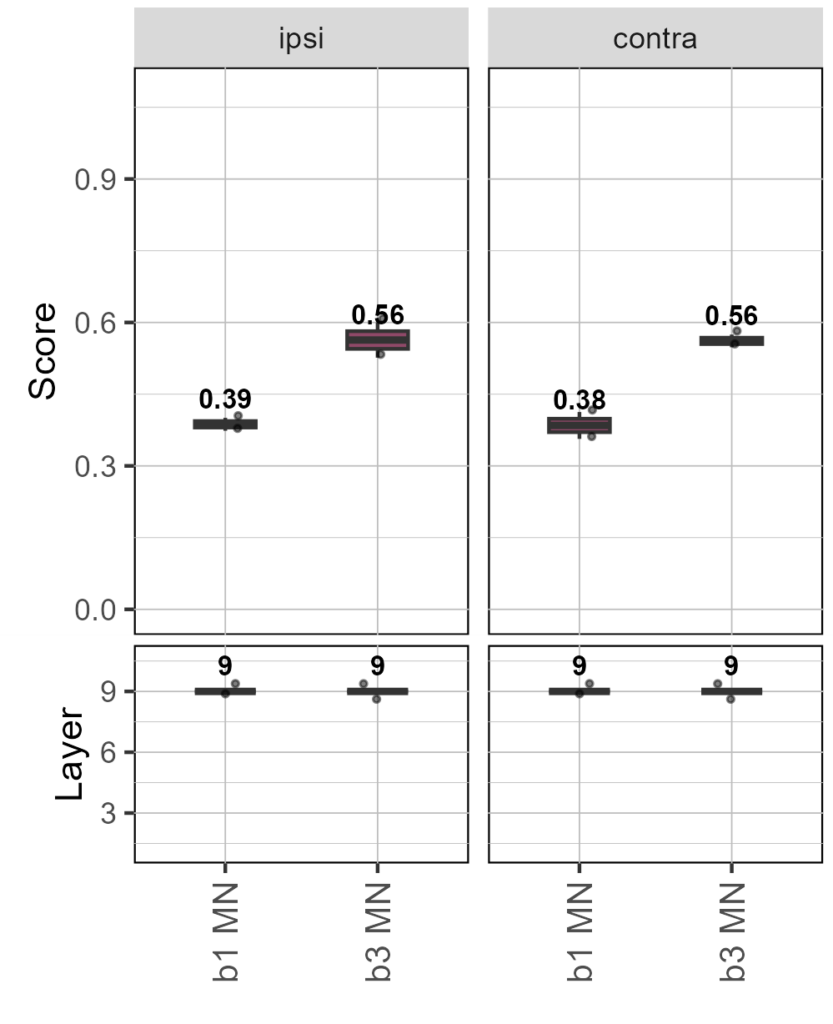
MBON02 with b1 and b3 motor neurons in BANC dataset
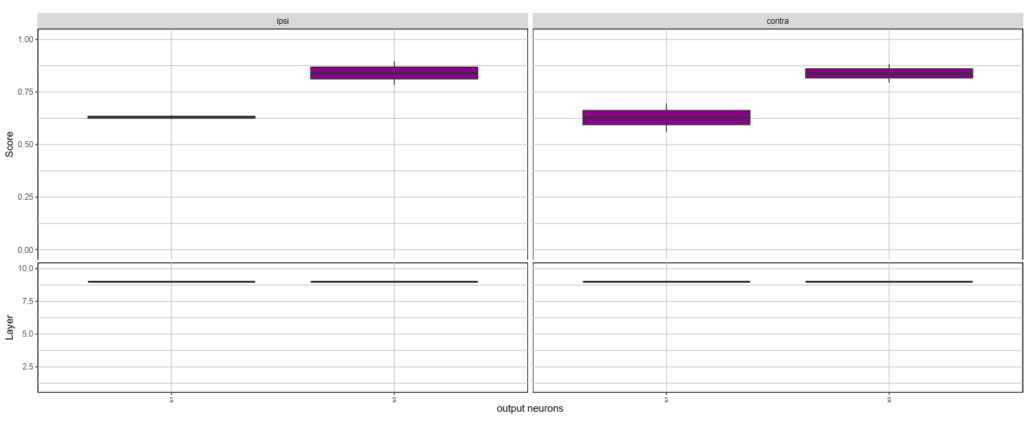
MBON02 with descending neurons in maleCNS dataset
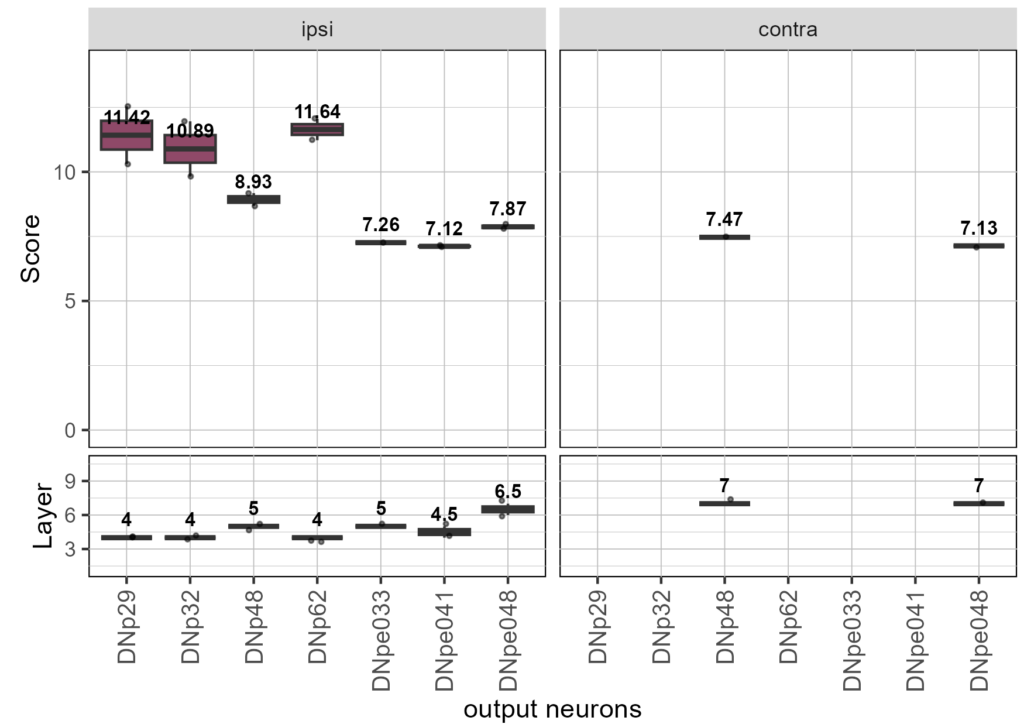
MBON02 with ascending neurons in maleCNS dataset
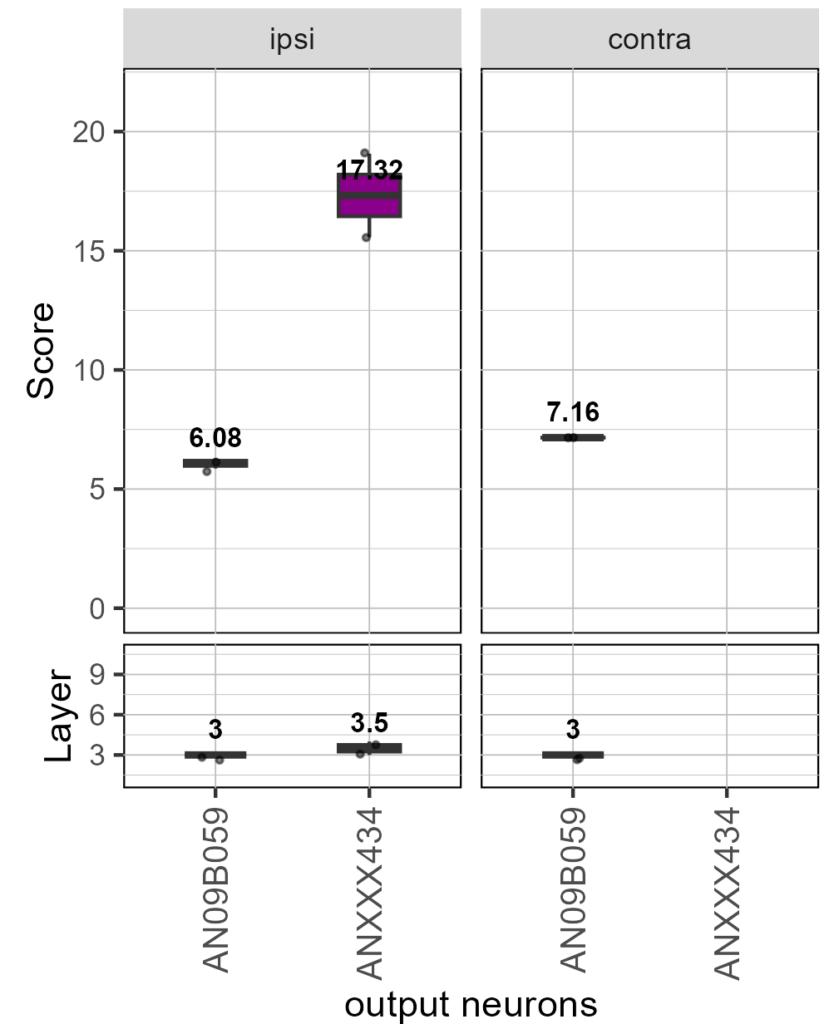
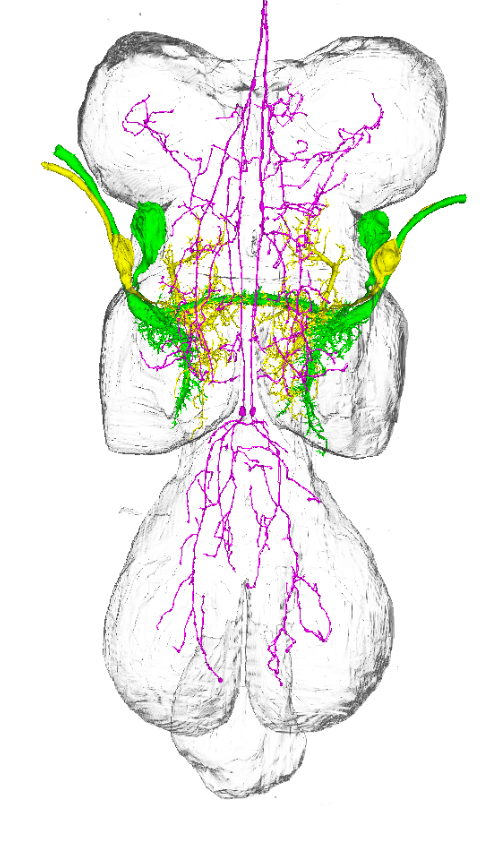
DNp32 (purple) and b1 and b3 motor neurons

Category: Connectome, Habit formation, MBON | No Comments
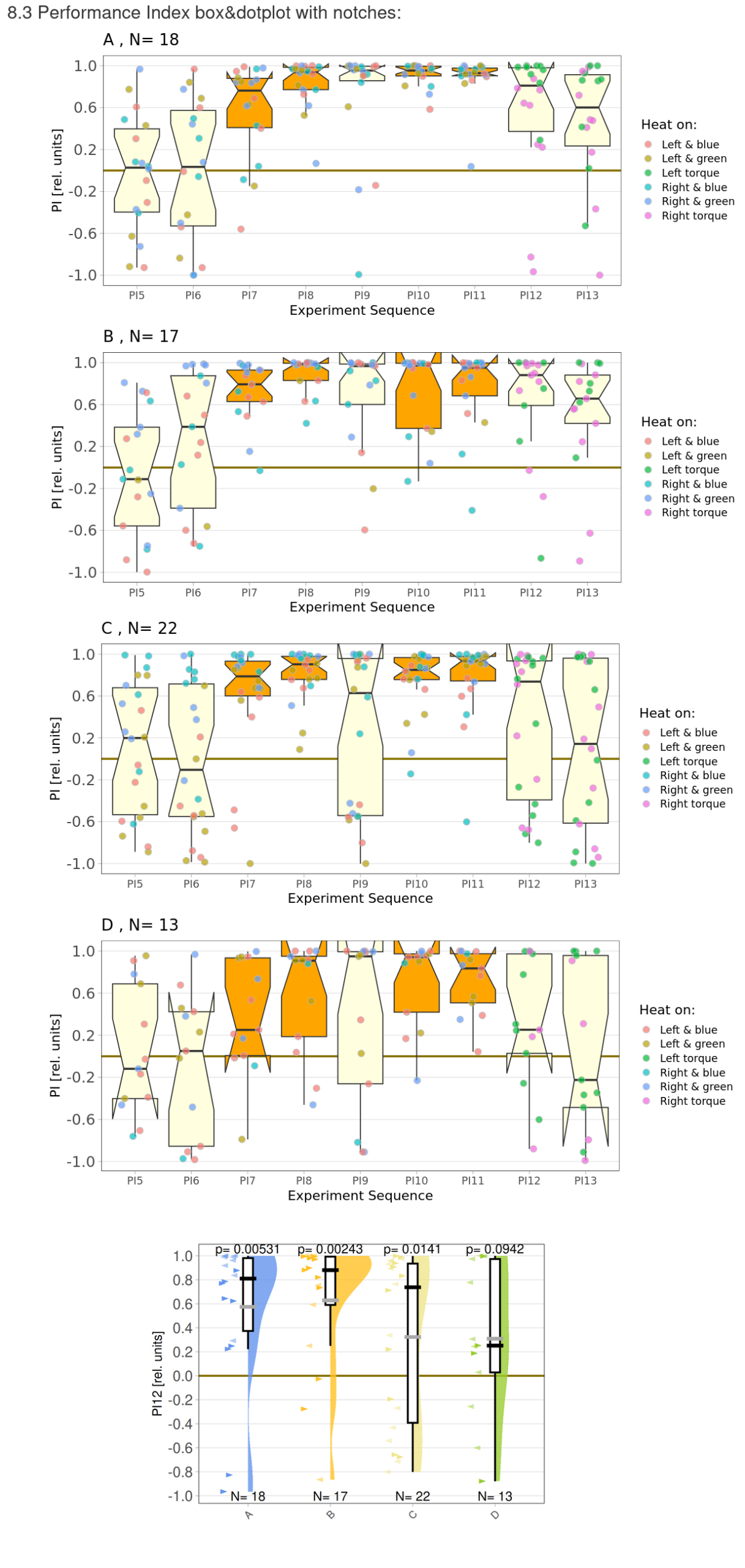
MBON screen progress
on Monday, July 27th, 2026 12:43 | by Fridrik Kjartansson
Category: flight, Habit formation, MBON, MBON, MBON, Operant learning, Operant reinforcment, operant self-learning, World learning | No Comments
Self-learning and aPKC
on Monday, July 13th, 2026 8:37 | by Björn Brembs
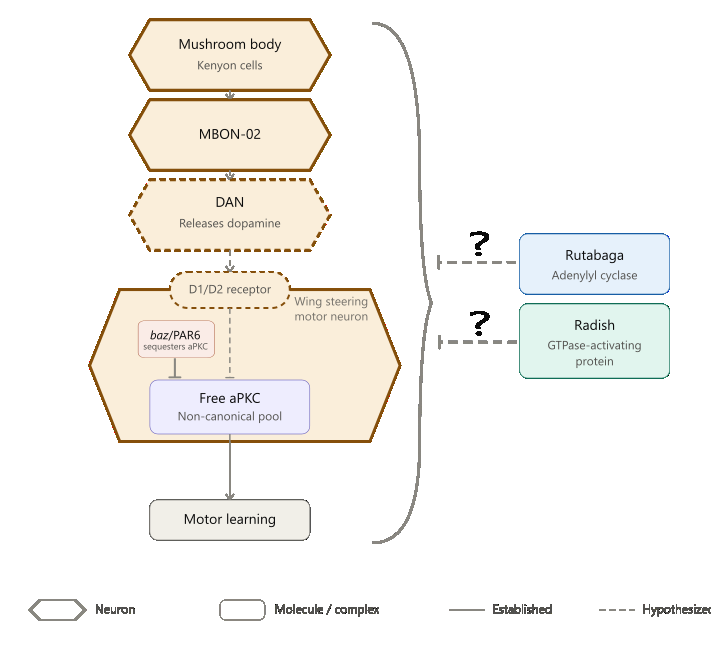
In this paper on Aplysia operant conditioning, Fred Lorenzetti and colleagues find that PKC activity is upstream of an Adenylyl cyklase making cAMP (with other hypotheses dimmed). In Drosophila, we have a different PKC (aPKC) than in Aplysia, but this may be due to aPKC having evolved after the split (needs to be tested). Dopamine, in Drosophila may be used for regulation, not convergence. This would entail some hypotheses worth testing.

According to the RNAseq database, the adenylyl cyklase rutabaga is also expressed in the motor neurons where we think the plasticity for operant self-learning takes place. We know that mutations in the rut gene improve self-learning, excluding the hypotheiss that rut may be downstream of aPKC. However, Lorenzetti et al. found that their Aplysia AC in question was a type II AC, while rut is a type I AC. It is conceivable that removal of rut could free its ATP pool for the type II AC and improve learning.
At the same time, it may be that this type II AC is downstream of a D2 receptor receiving input from the MBs inhibiting this AC, leading to inhibited self-learning while predictive colors are present. Imaging cAMP in these neurons would help us test this hypothesis.
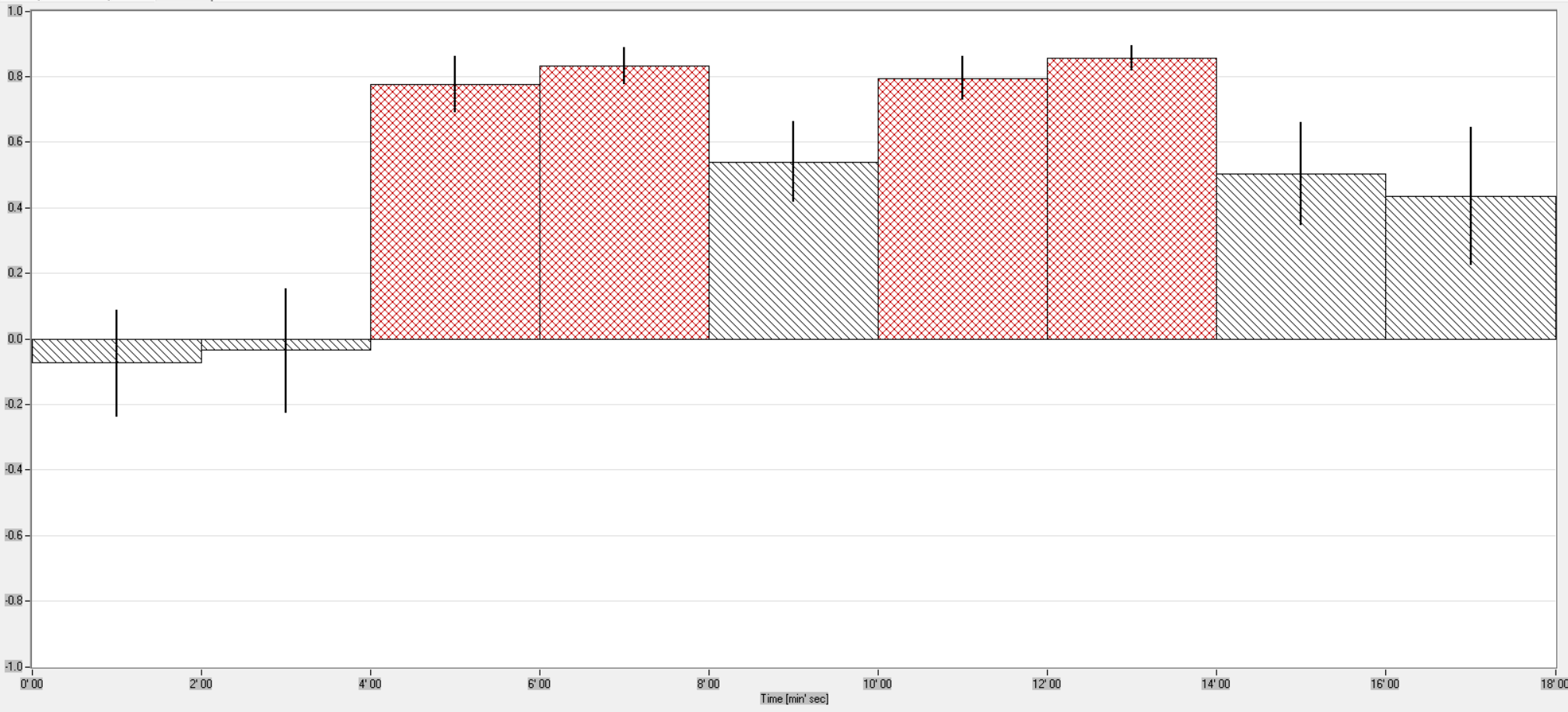
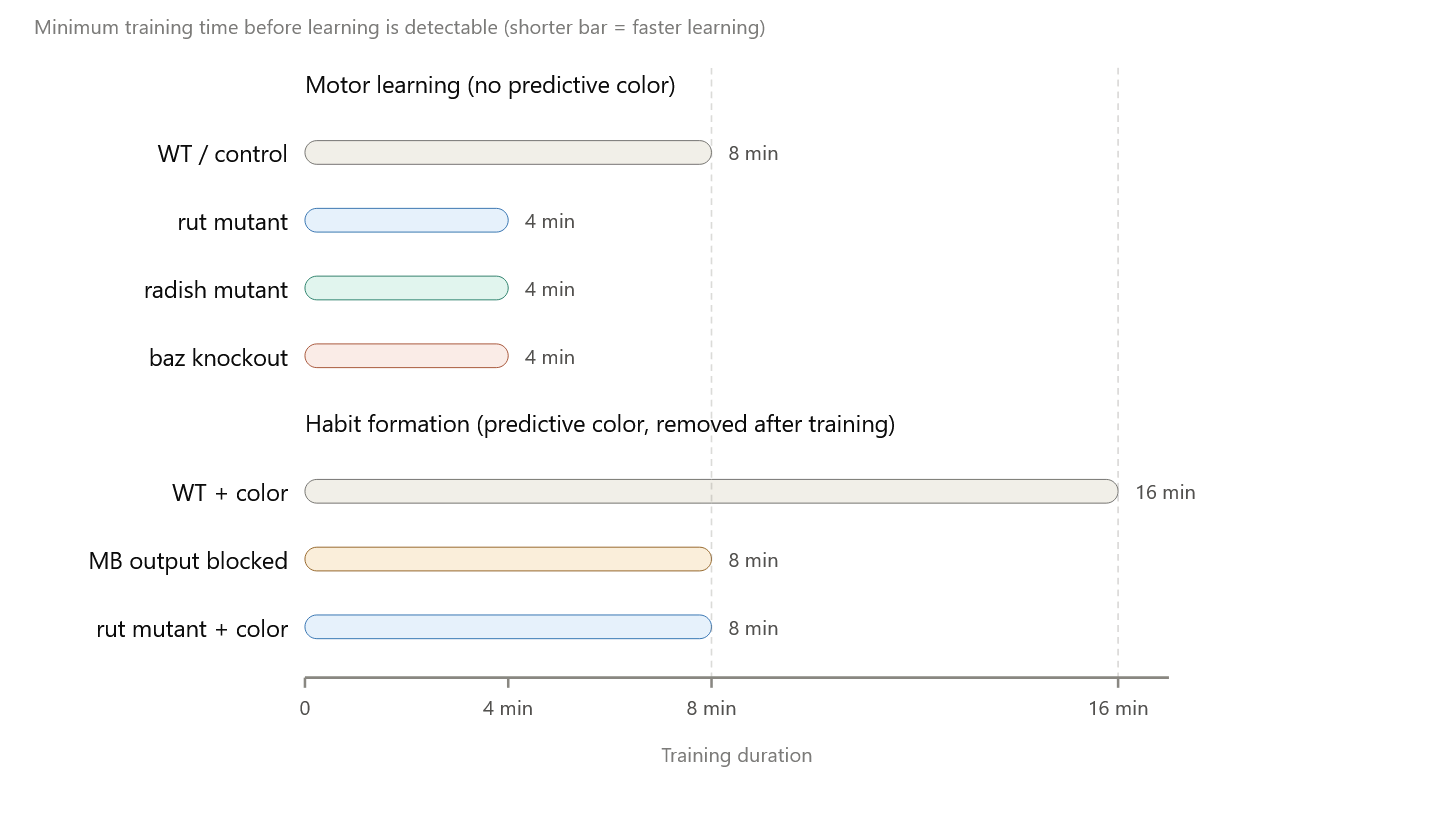
Alternatively, hypothetically, aPKC may be downstream of an inhibitory cAMP pathway, perhaps via rut, such that rut mutation would lead to improved self-learning and rut activation via D1 receptors would inhibit self-learning. This is not impossible, as rut mutant flies show premature habit formation (N=30):

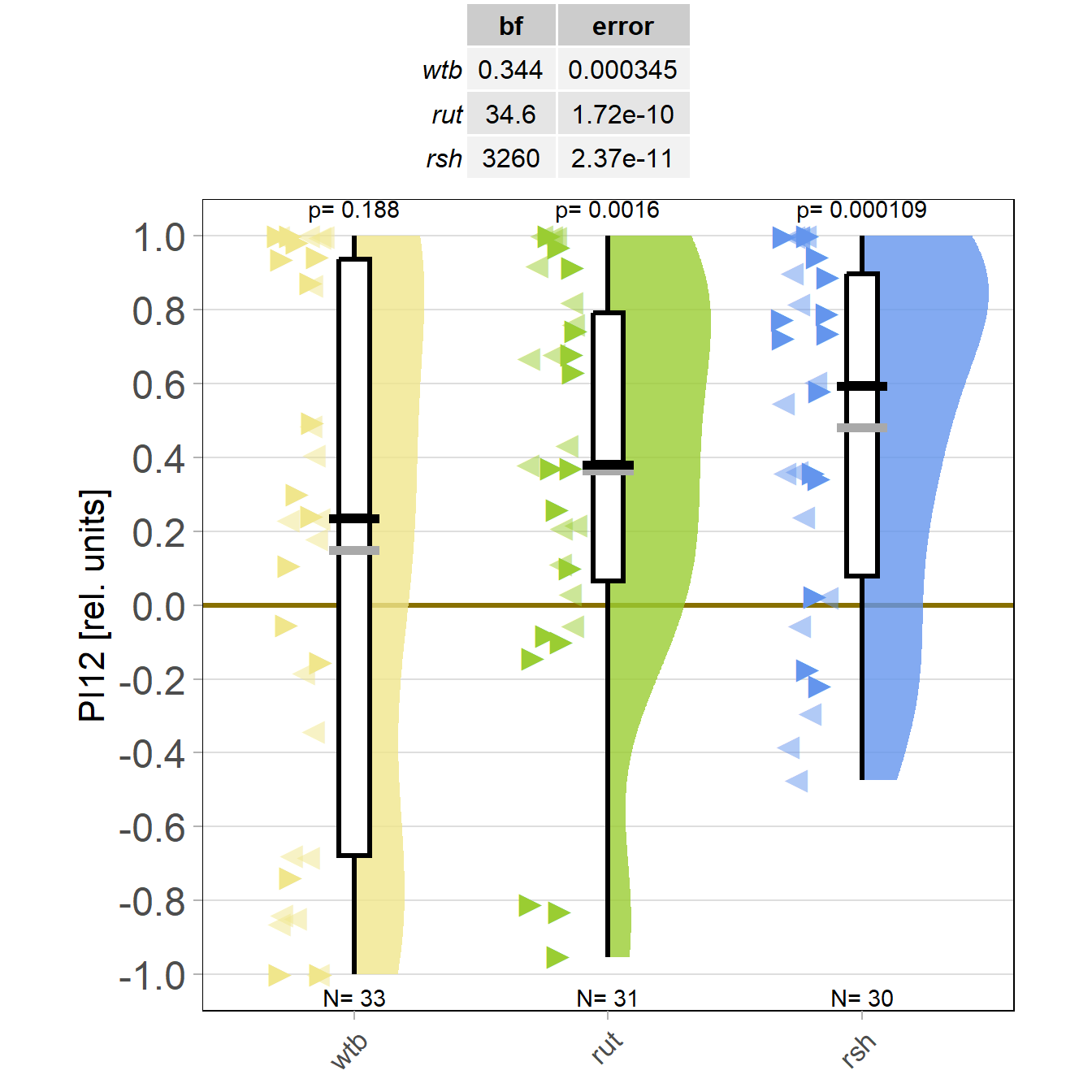
In fact, radish shows the same phenotype (N=13):
So we need a hypothesis that explains these findings:
The rutabaga and radish genes inhibit self-learning (only 4 minutes training in mutants or 8 minutes with colors)
The mushroom-bodies inhibit self-learning when predictive colors are present (16 minutes training with colors)
In general, this is the problem we are trying to solve:
One way to test this is to do double manipulations of any of these individual ones. Another could be to quantify aPKC activity in some way. Overexpress dunce in FoxP neurons? Or wait for Julias project to give us some clues. What else?
Overview of results (maybe not complete?):
Category: Habit formation, MBON, operant self-learning, PKC | No Comments
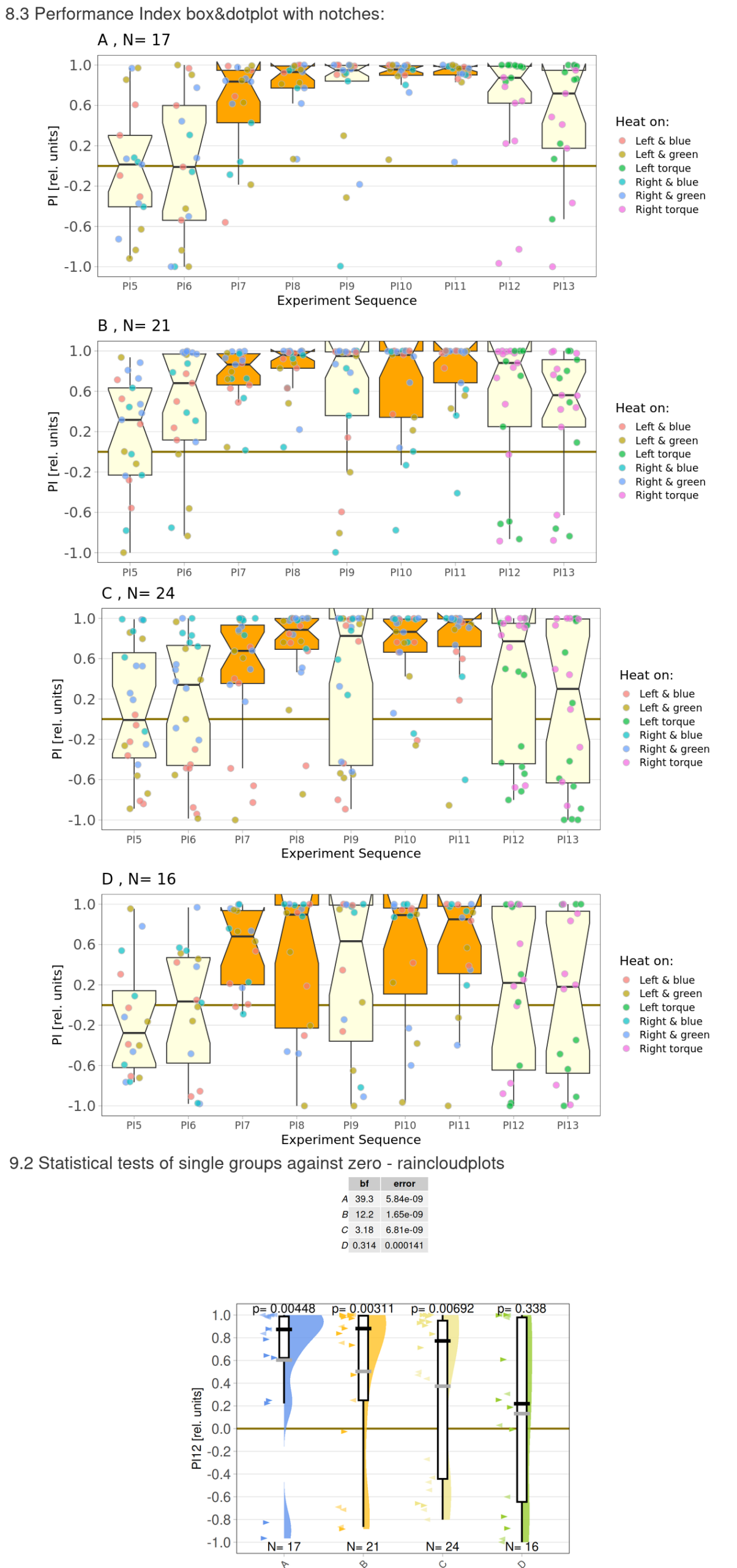
MBON screen progress 29.06.2026
on Monday, June 29th, 2026 9:50 | by Fridrik Kjartansson
Category: flight, Habit formation, MBON, MBON, MBON, Operant learning, operant self-learning, World learning | No Comments
MBON screen progress 19.06.2026
on Monday, June 22nd, 2026 12:15 | by Fridrik Kjartansson
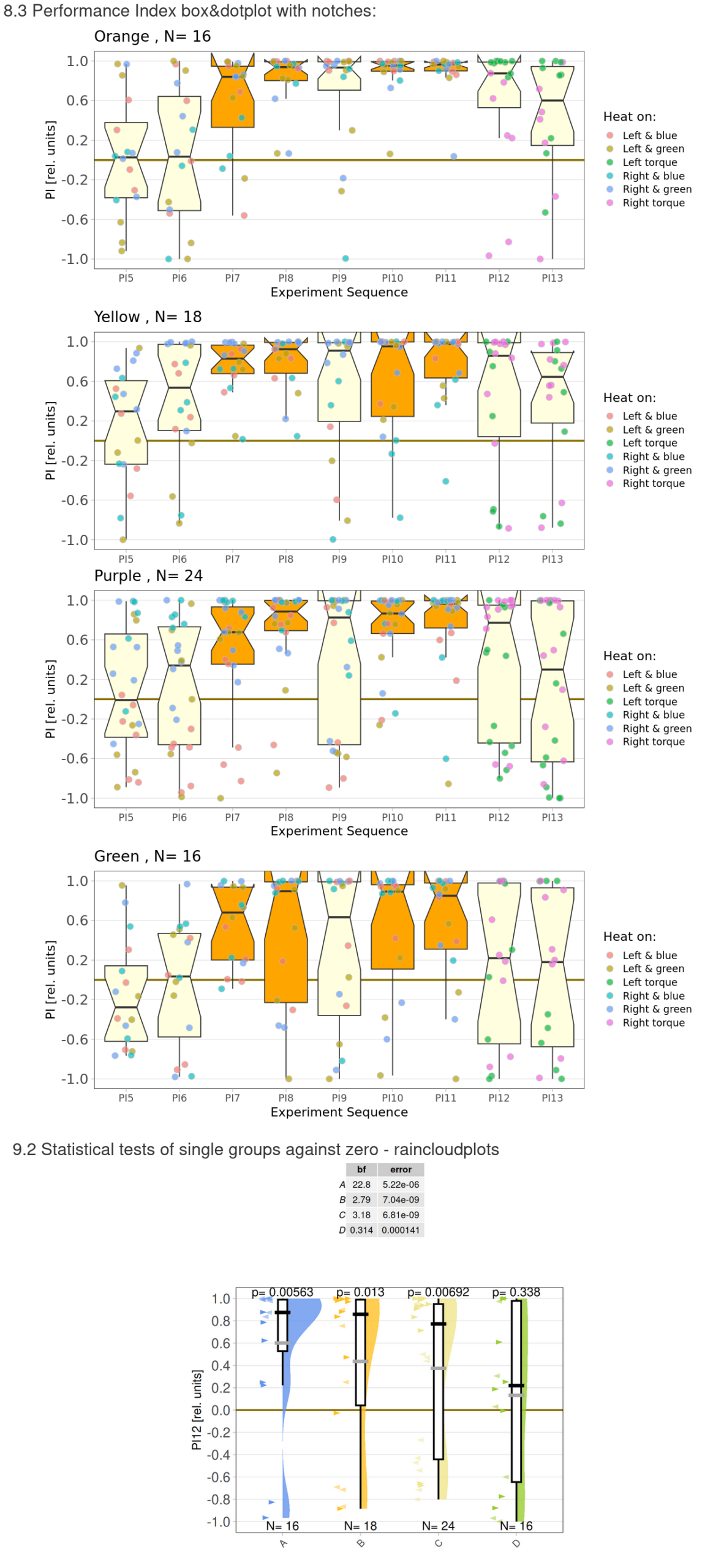
MBON Screen progress 01.06.2026
on Monday, June 1st, 2026 12:59 | by Fridrik Kjartansson
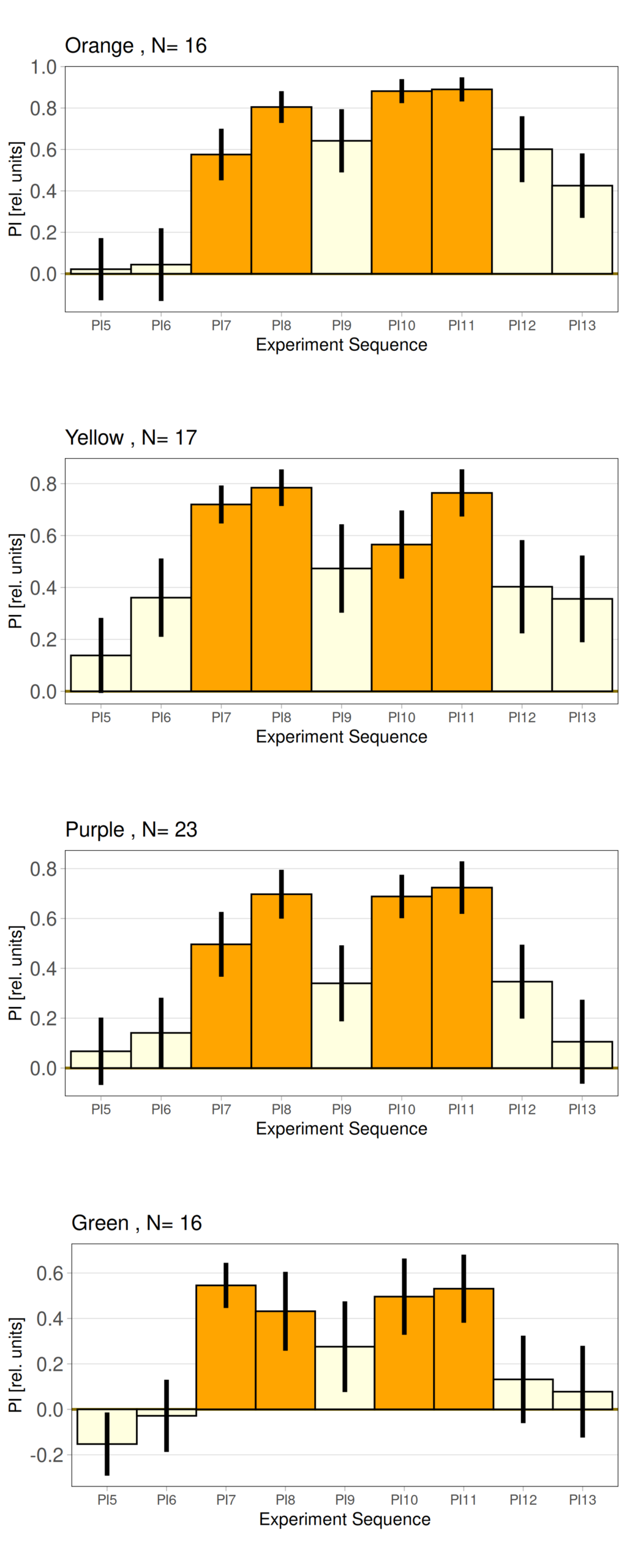
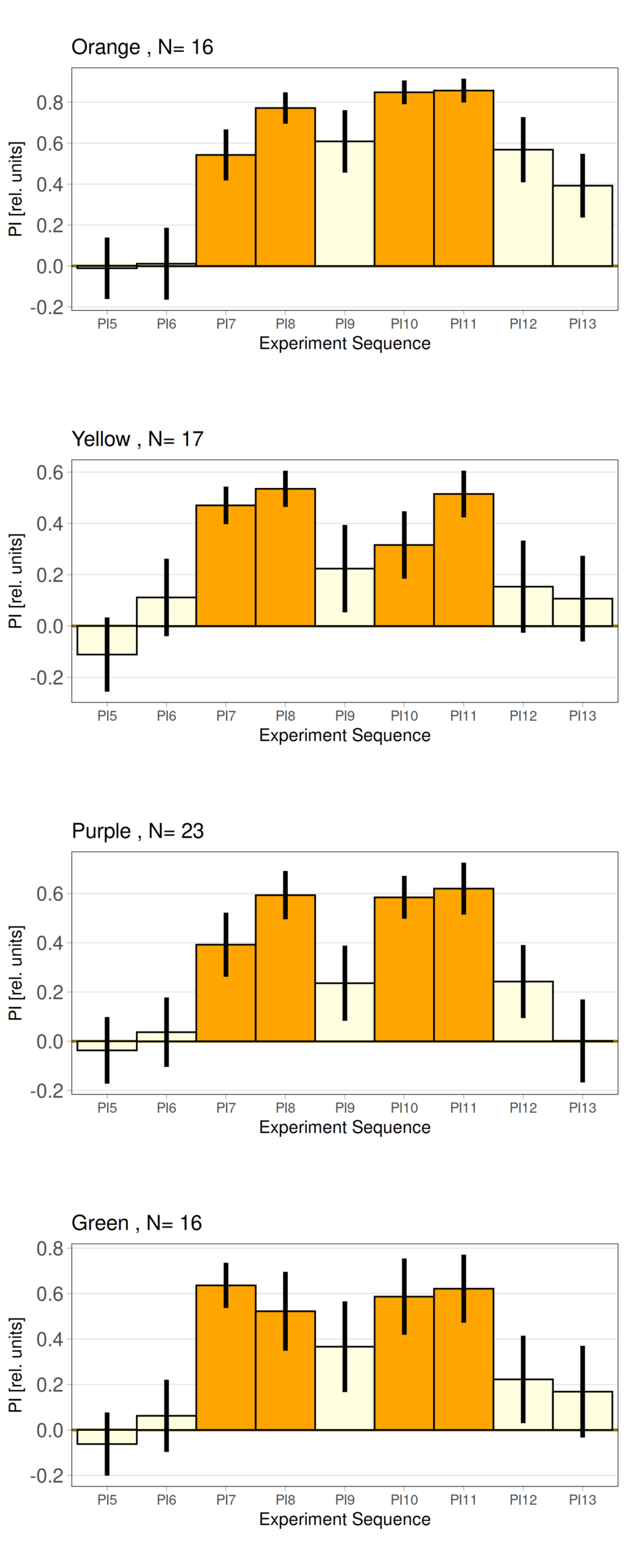
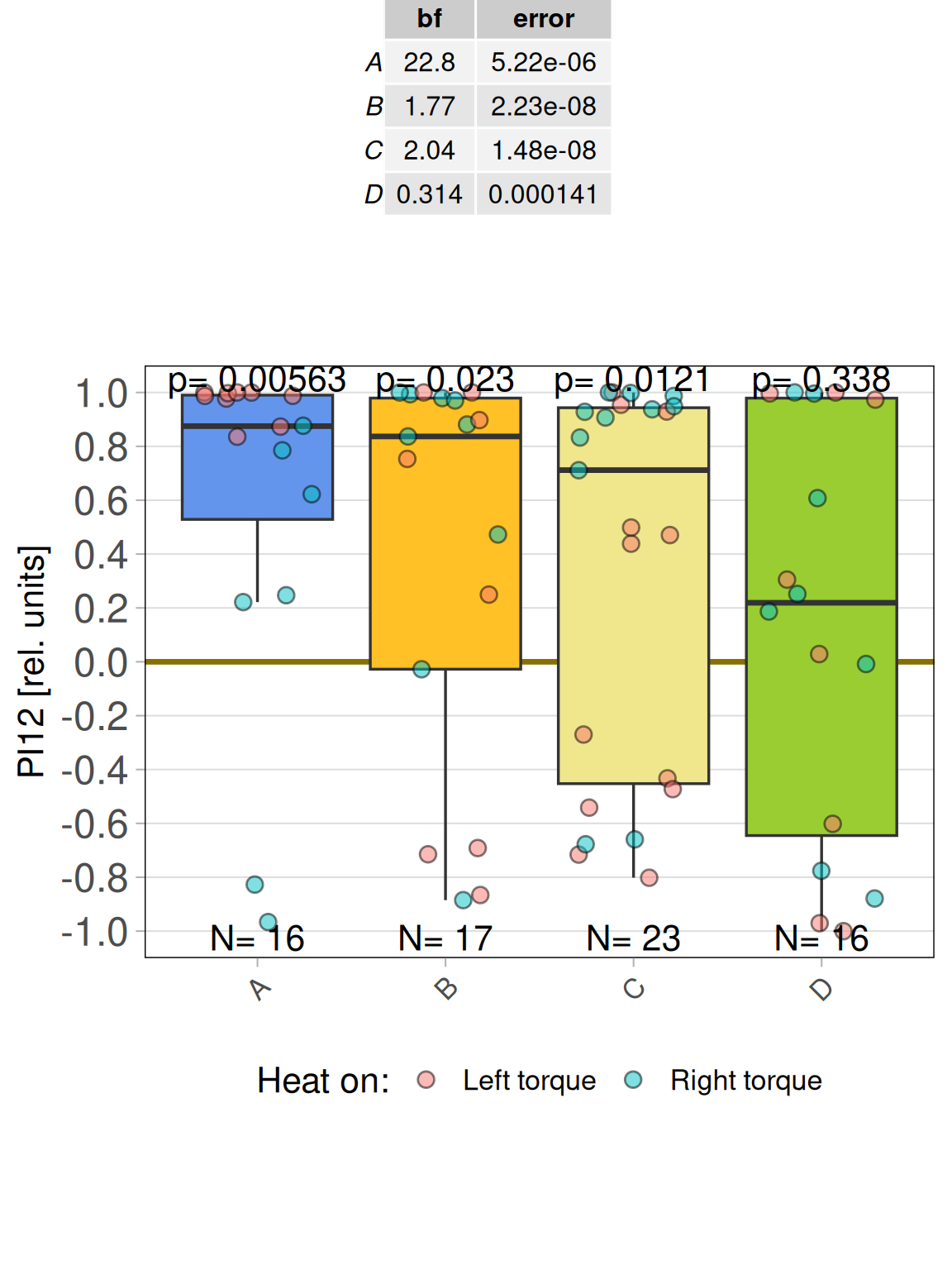
Category: flight, Habit formation, MBON, MBON, MBON, Operant learning, Operant reinforcment, operant self-learning, World learning | No Comments
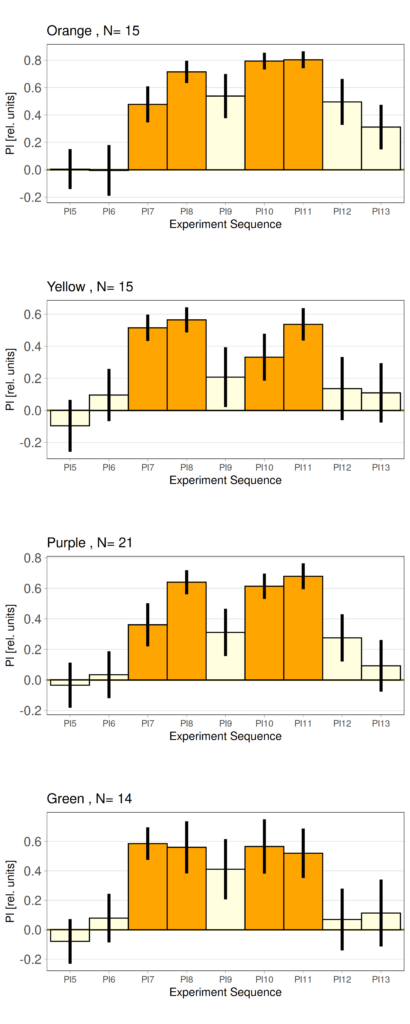
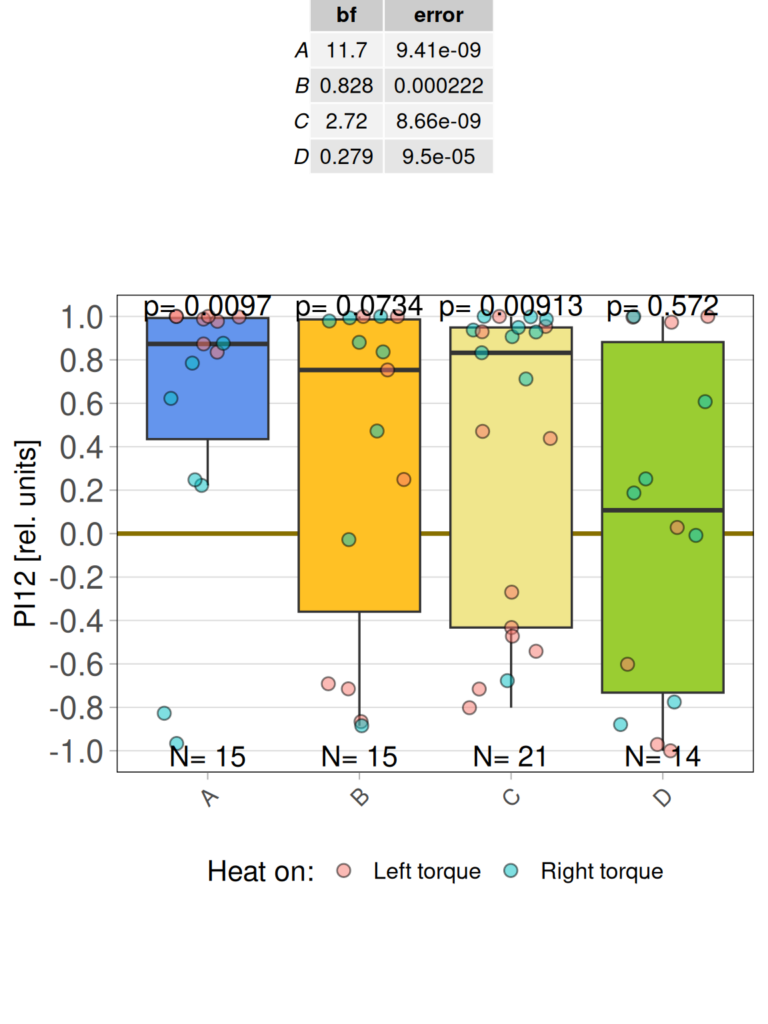
MBON screen progress 18.05.2026
on Monday, May 18th, 2026 12:32 | by Fridrik Kjartansson


Category: crosses, Habit formation, MBON, MBON, MBON, Memory, Operant learning, Operant reinforcment, operant self-learning, World learning | No Comments
Trans-tango repeat from previous week
on Monday, May 18th, 2026 12:21 | by Ipek Subay
I was not able get any trans-tango signal from my reciprocal MB399B crosses so I repeated the experiment with anti-RFP antibody instead of anti-HA antibody
77124xMB399B (MBON02 reciprocal cross) stained with rabbit anti-GFP (2nd: anti-rabbit 488), rat anti-RFP (2nd: anti-rat 555), nc82 (2nd: anti-mouse 650)

MBON02 trans-tango images from Kaun Lab as reference:

Category: Anatomy, Habit formation, MBON, MBON | No Comments
Tango imaging
on Monday, May 11th, 2026 12:32 | by Ipek Subay
99661xSS98650 (retro tango imaging for b3 mn) stained with rabbit anti-GFP (2nd: anti-rabbit 488), rat anti-RFP (2n: anti-rat 555), nc82 (2nd: anti-mouse 650)
GFP channel:

somehow my antibodies decided to work on retro tango flies even though I did not change anything in the protocol
retro-tango channel:

b3 presynaptic neurons from BANC dataset:

99661xSS48311 (b3 mn) stained with rabbit anti-GFP (2nd: anti-rabbit 488), rat anti-RFP (2n: anti-rat 555), nc82 (2nd: anti-mouse 650)
GFP:

Retro-tango:

99661xSS40980 (b1 mn) stained with rabbit anti-GFP (2nd: anti-rabbit 488), rat anti-RFP (2n: anti-rat 555), nc82 (2nd: anti-mouse 650)
GFP:

retro-tango:

b1 presynaptic neurons from BANC dataset:

77124xMB399B (MBON02 reciprocal cross) stained with rabbit anti-GFP (2nd: anti-rabbit 488), rat anti-HA (2n: anti-rat 555), nc82 (2nd: anti-mouse 650)
GFP:

trans-tango:

trans-tango maximum intensity projection:

Category: Habit formation, MBON, Motor neurons | No Comments