MBON screen progress 11.05.2026
on Monday, May 11th, 2026 12:25 | by Fridrik Kjartansson
PI-values unsubtracted:

PI-values subtracted:

p-values:


Category: crosses, flight, Habit formation, MBON, MBON, MBON, Operant learning, operant self-learning, World learning | No Comments
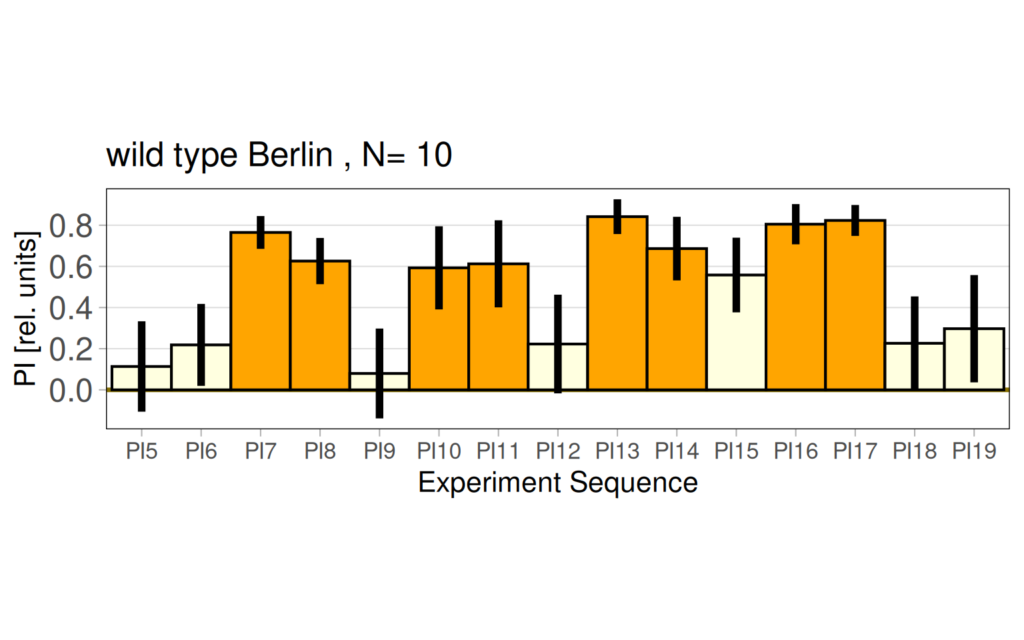
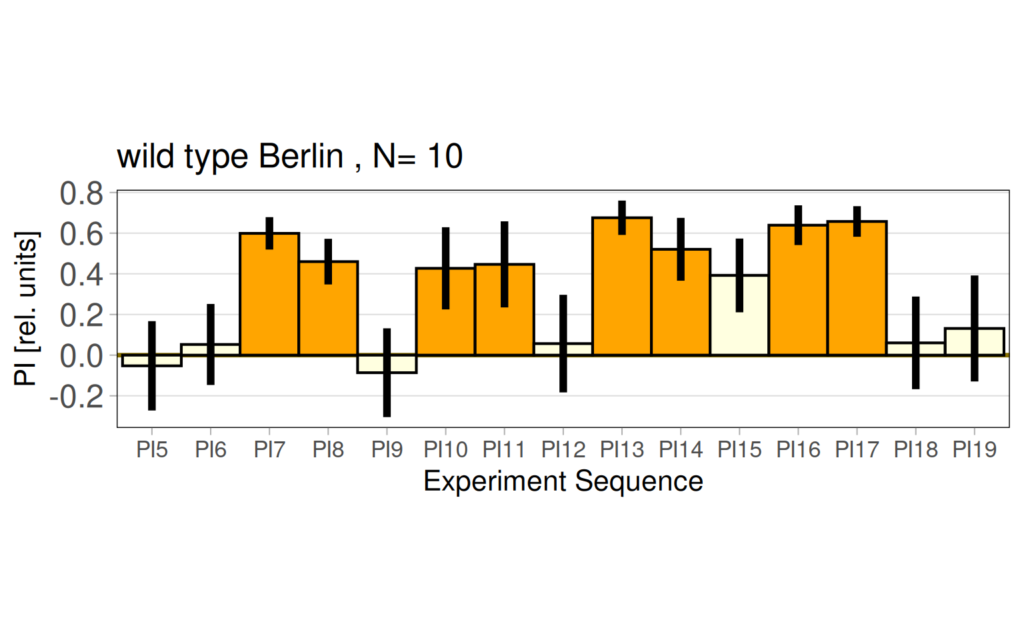
Long form habit formation pooled data 16-20th & 23-27th of March 2026
on Monday, March 30th, 2026 12:07 | by Fridrik Kjartansson
Category: flight, Habit formation, Operant learning, operant self-learning, World learning | No Comments
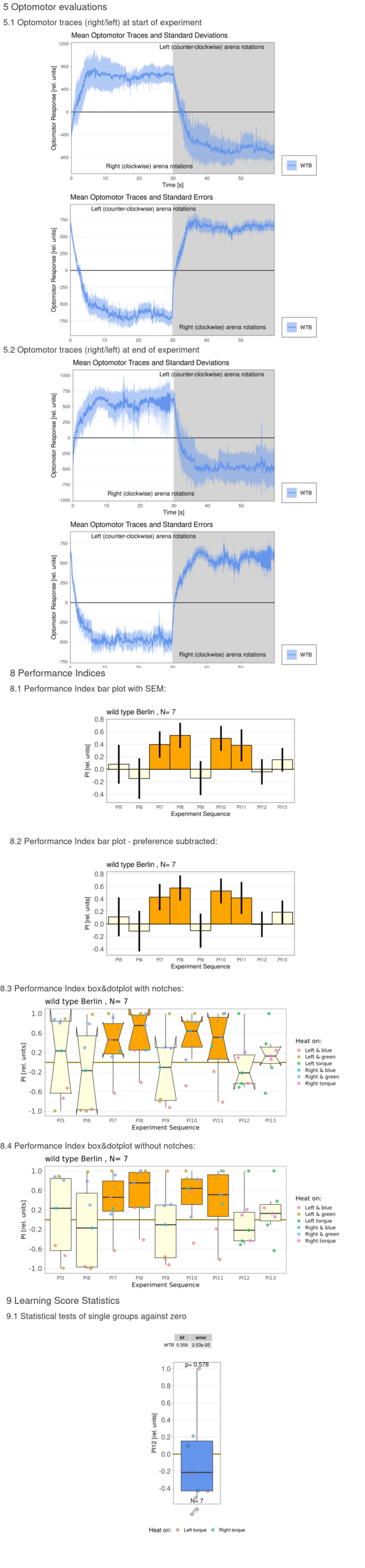
Short habit formation trial 11.03.2026
on Monday, March 16th, 2026 10:47 | by Fridrik Kjartansson
Category: flight, Habit formation, Operant learning | No Comments
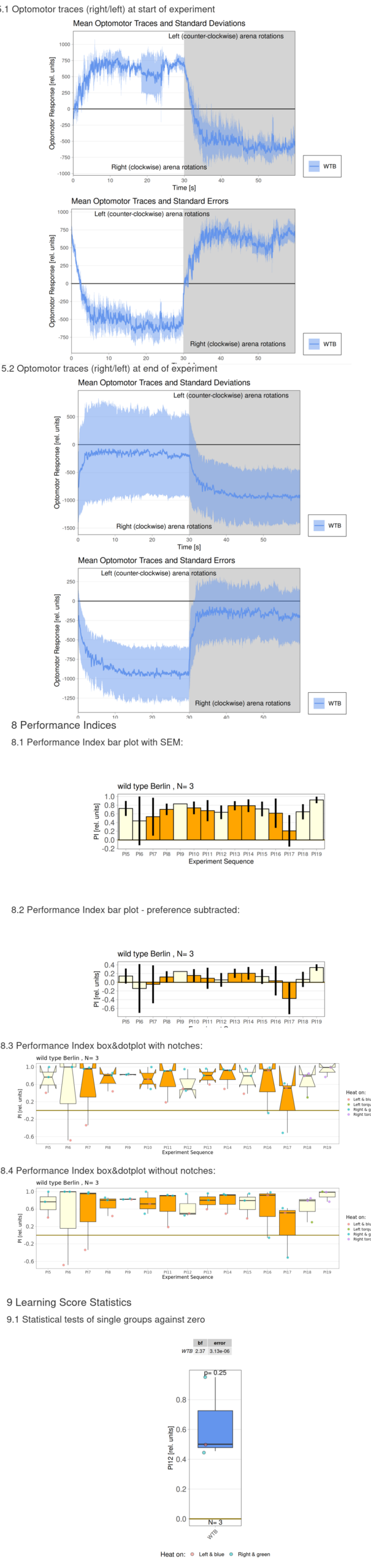
Color learning 13.03.2026
on Monday, March 16th, 2026 10:38 | by Fridrik Kjartansson
Category: flight, Habit formation, Operant learning, operant self-learning | No Comments
Habit Formation Wildtype Test 02.03-06.03
on Tuesday, March 10th, 2026 10:45 | by Ipek Subay
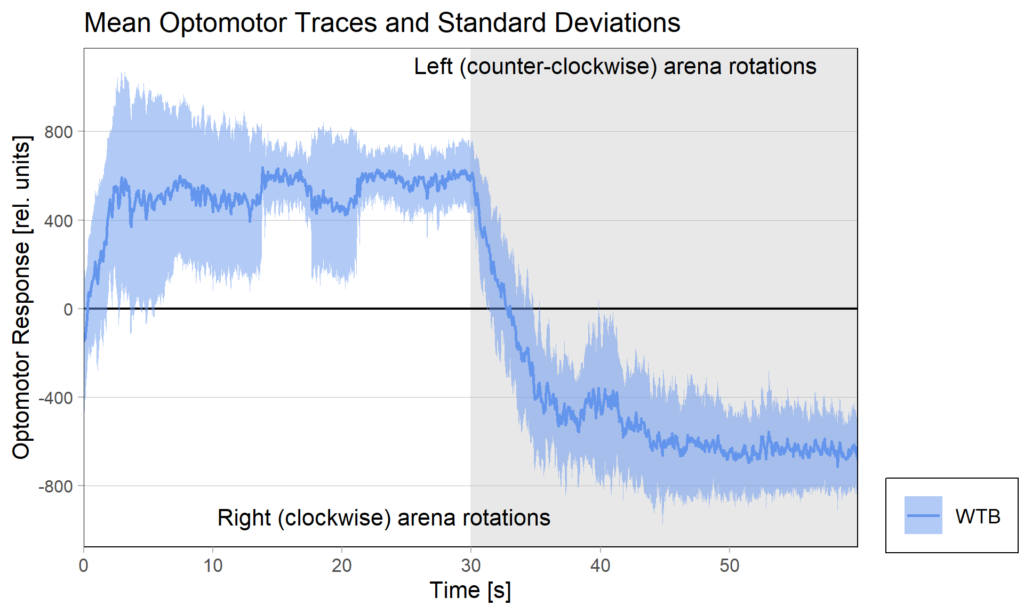
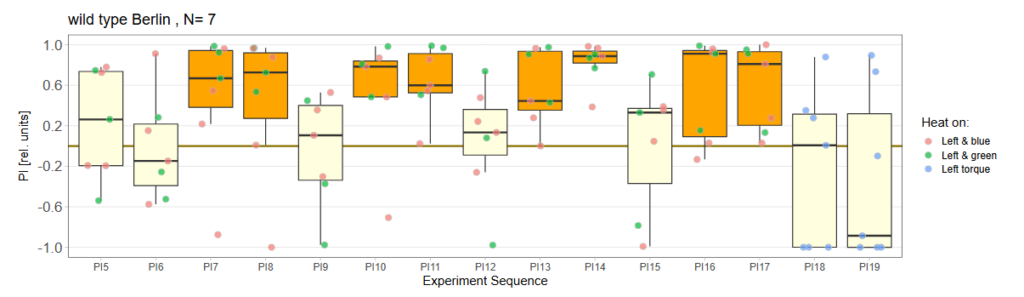
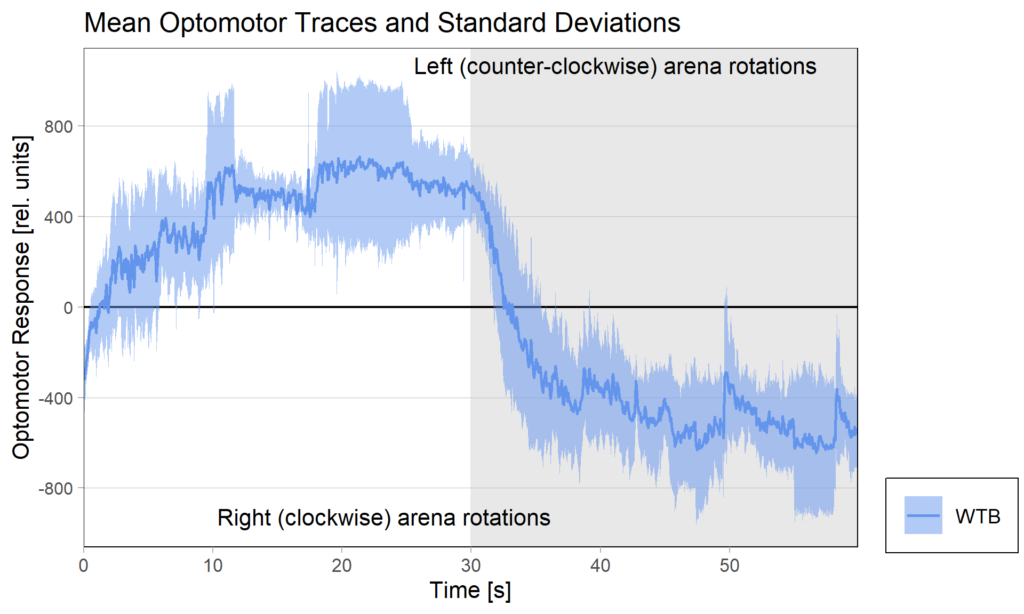
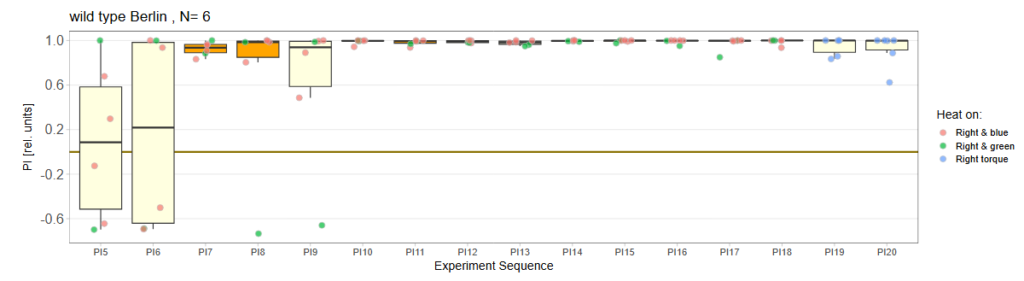
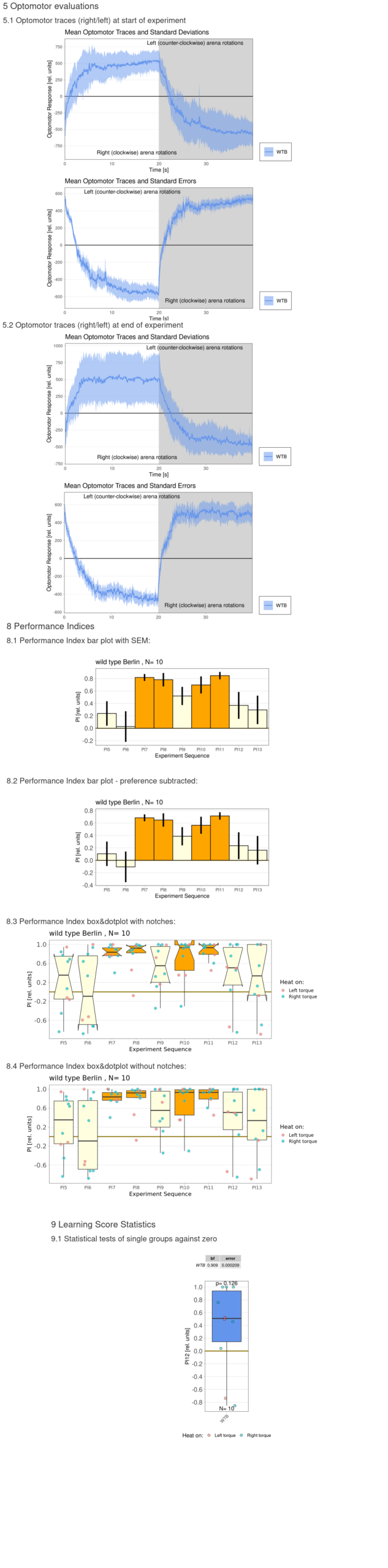
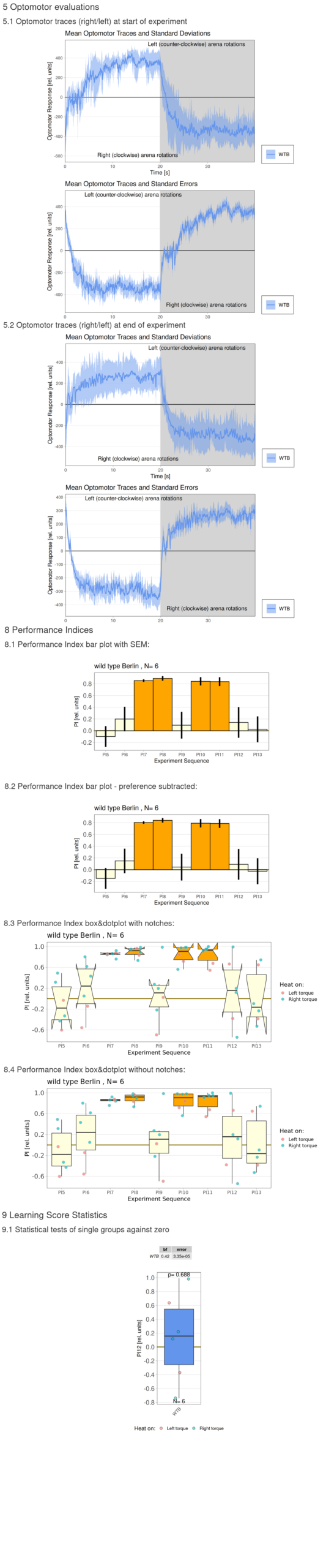
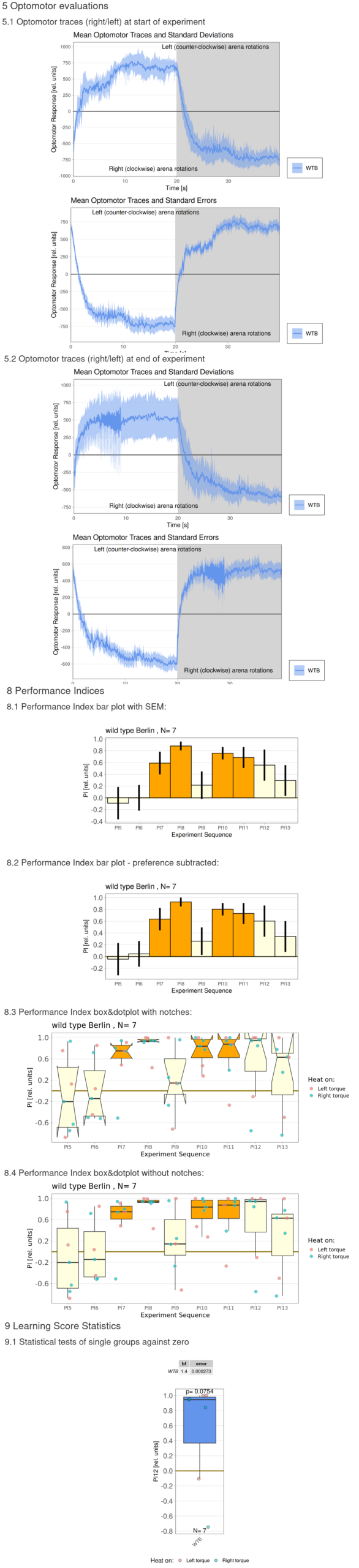
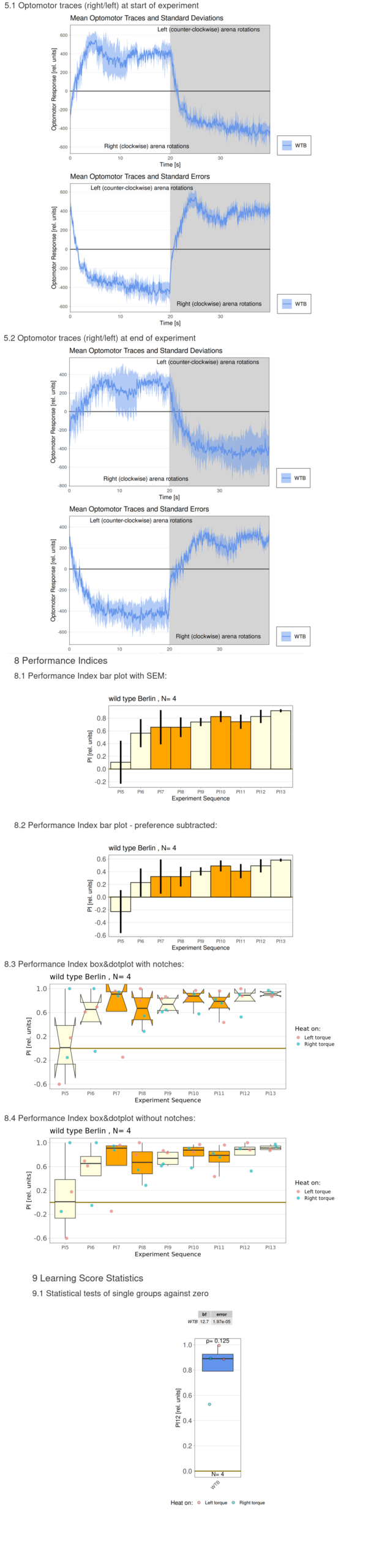
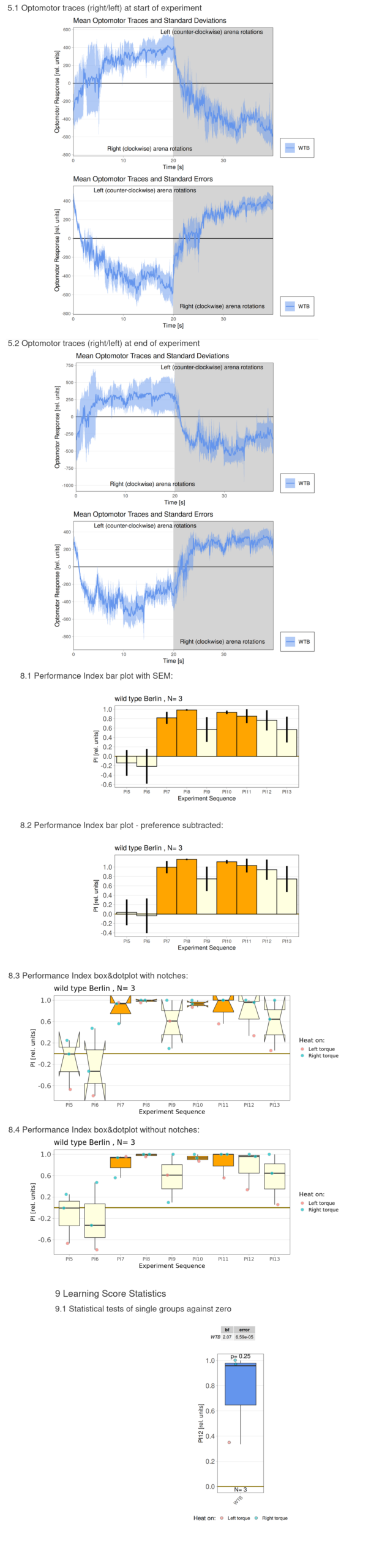
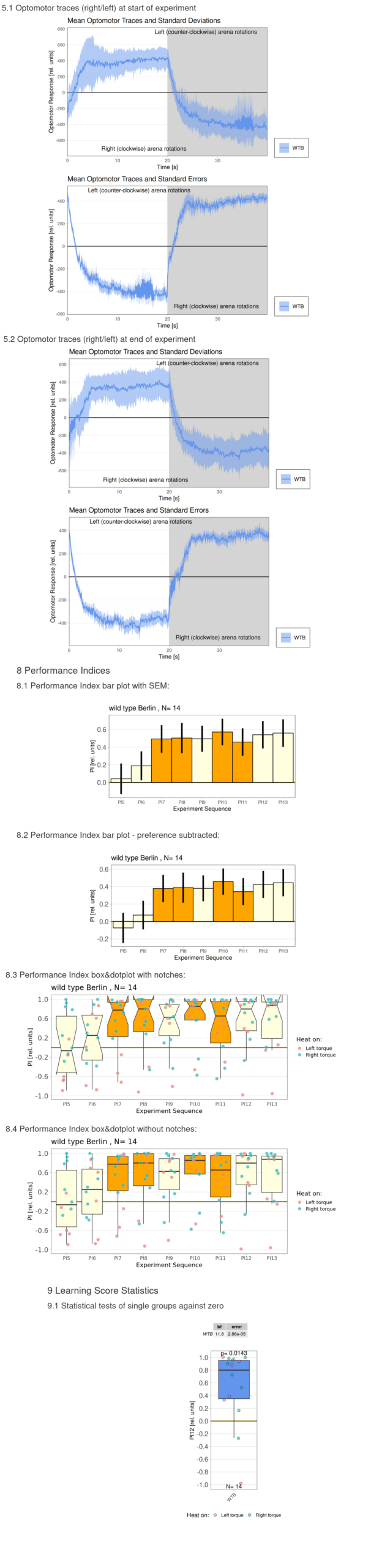
I wanted to try Habit formation with wildtype and tested 4 wheels of flies (48) over the last week. Unfortunately, I did a mistake when setting the timeslots file for right torque so it had an additional testing period at P13. So analyzed the left and right individually:
For Punishment on Left Torque:
Optomotor traces (right/left) at start of experiment:
Performance Index box&dotplot without notches:
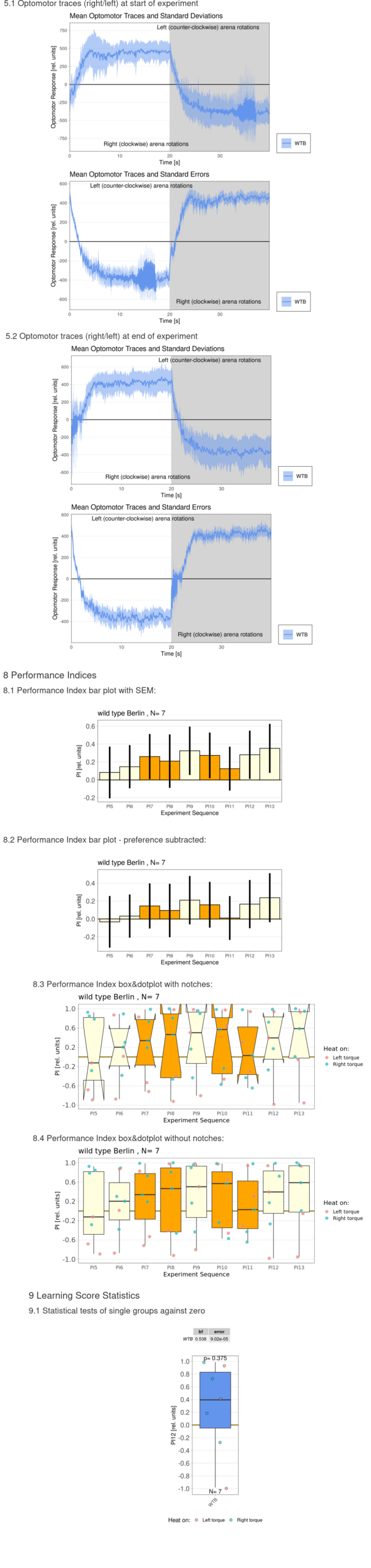
For Punishment on Right Torque:
Optomotor traces (right/left) at start of experiment:
Performance Index box&dotplot without notches:
Category: Habit formation | No Comments
Torque measurements 21.02 & 22.02
on Monday, February 23rd, 2026 12:21 | by Fridrik Kjartansson
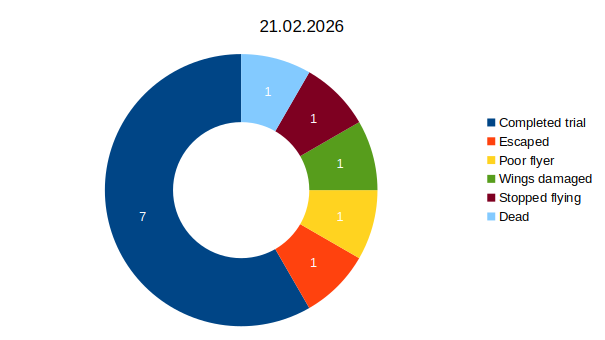
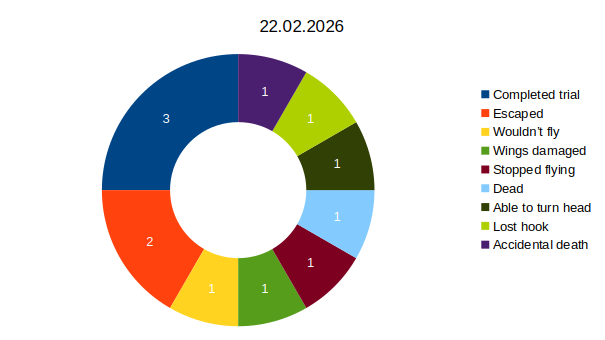
Category: flight, Habit formation, operant self-learning, Optomotor response | No Comments
Control Experiments for Driver Line Expression
on Monday, February 16th, 2026 12:36 | by Ipek Subay
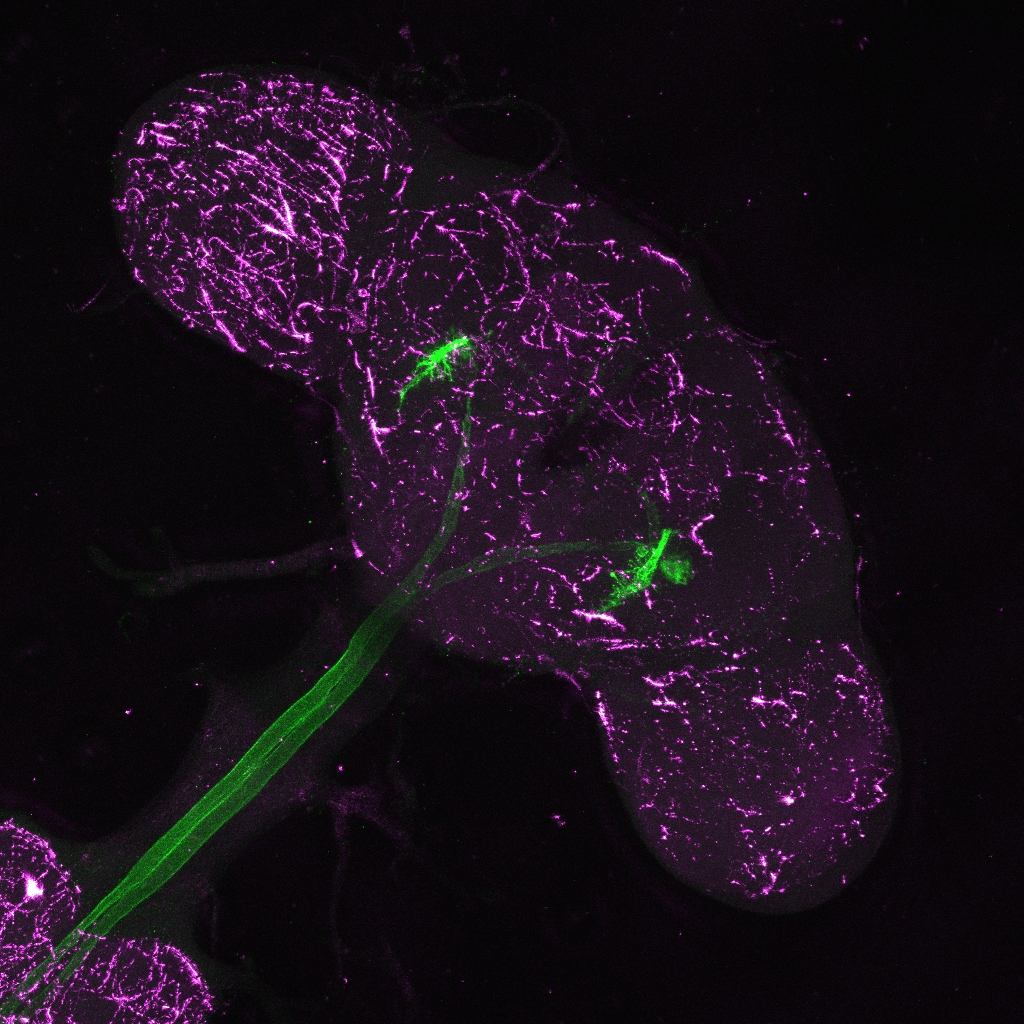
Giant fiber Gal4 driver (BDSC 79602), green channel shows giant fiber neurons, magenta channel shows background staining with nc82:
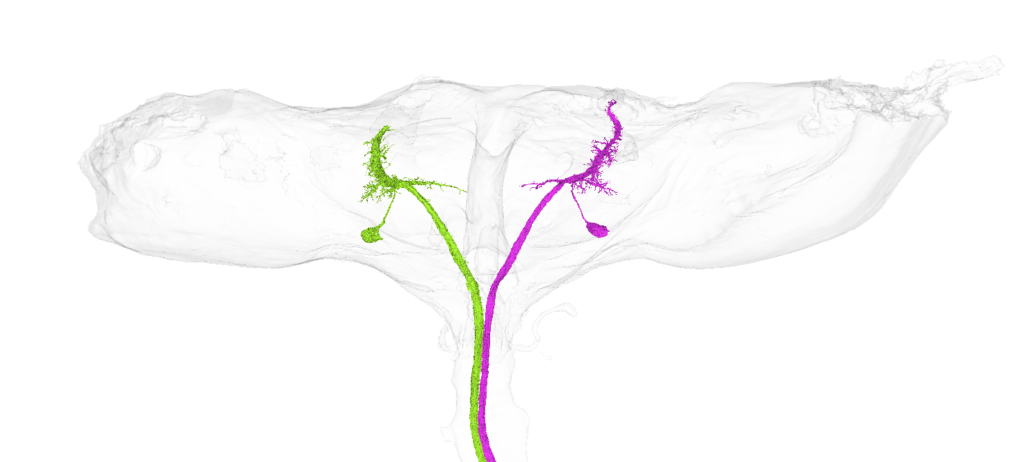
Giant fiber neurons on Codex BANC v626 dataset:
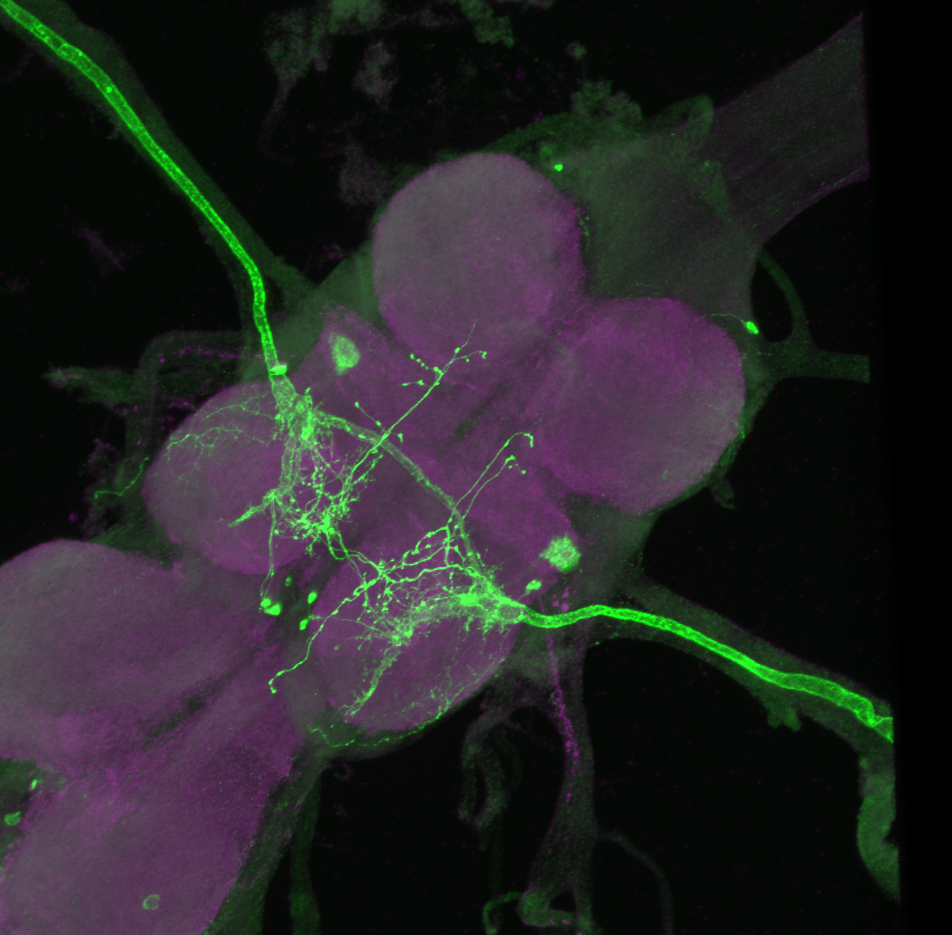
b1 mn driver (SS40980, also targets iii1 mn, iii3 mn):

Janelia image for SS40980:
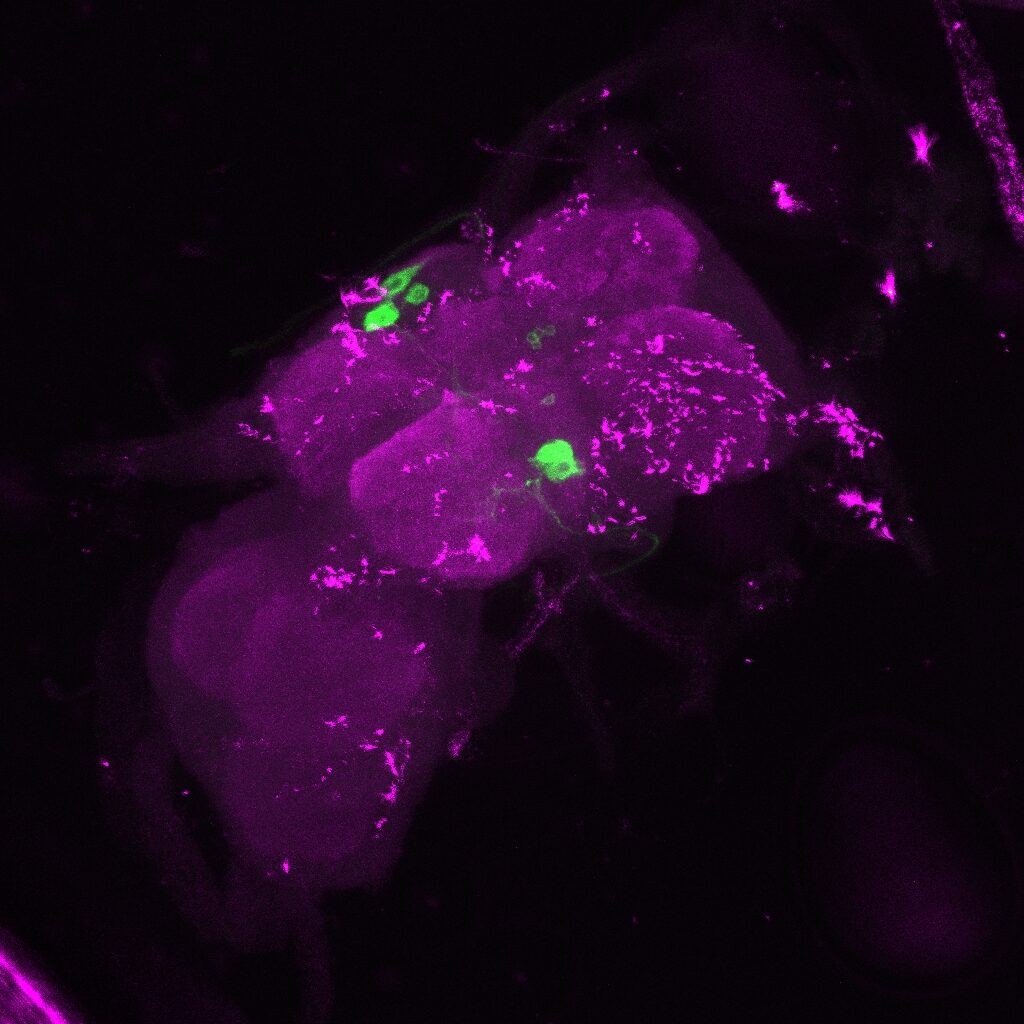
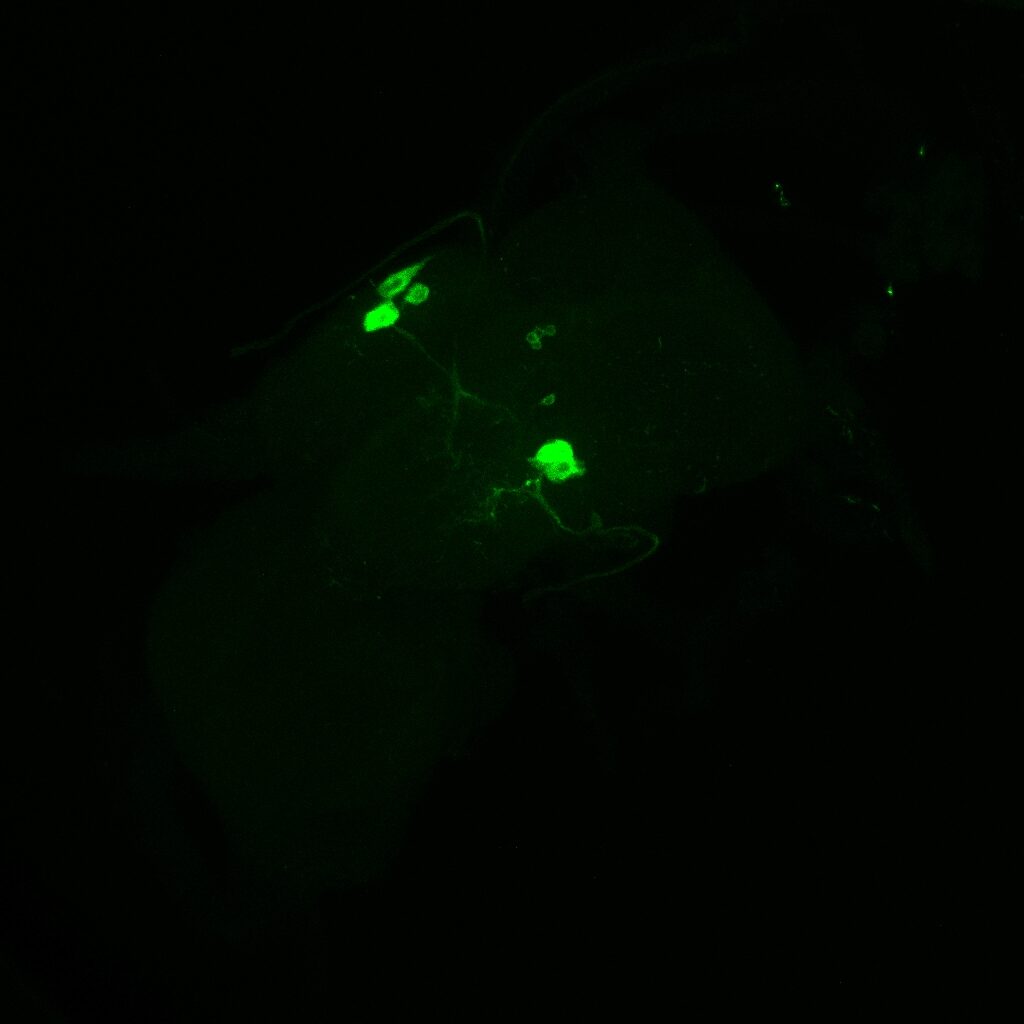
b3 mn driver (SS48311, also targets hg1 MN, XBI002, WBI009):
Janelia image for SS48311:
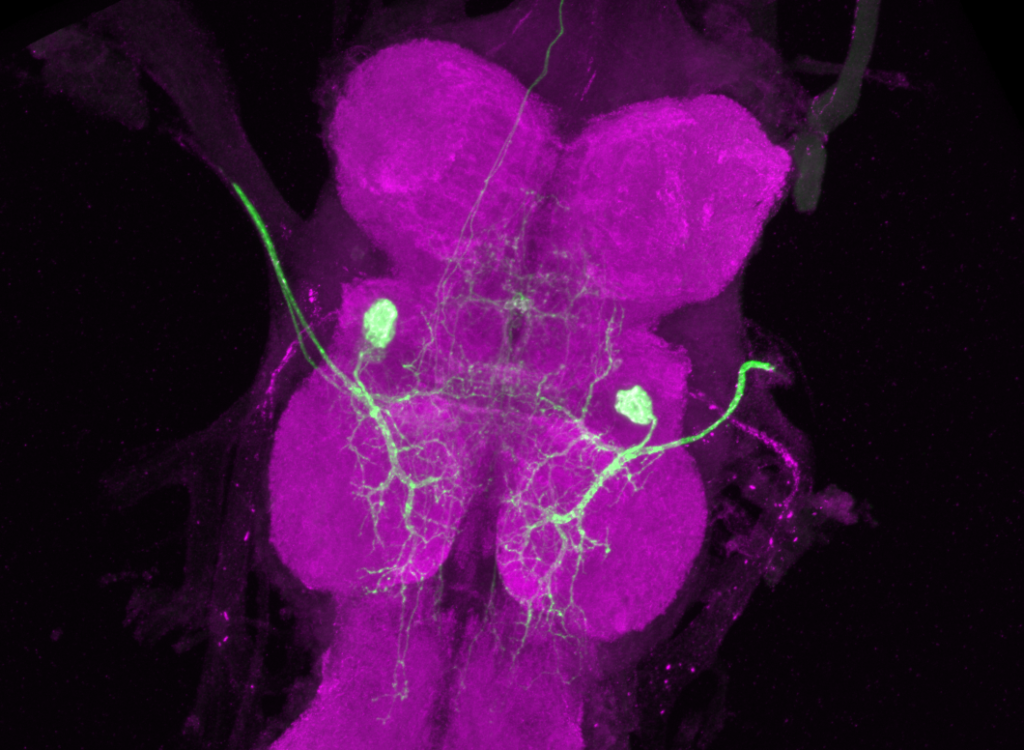
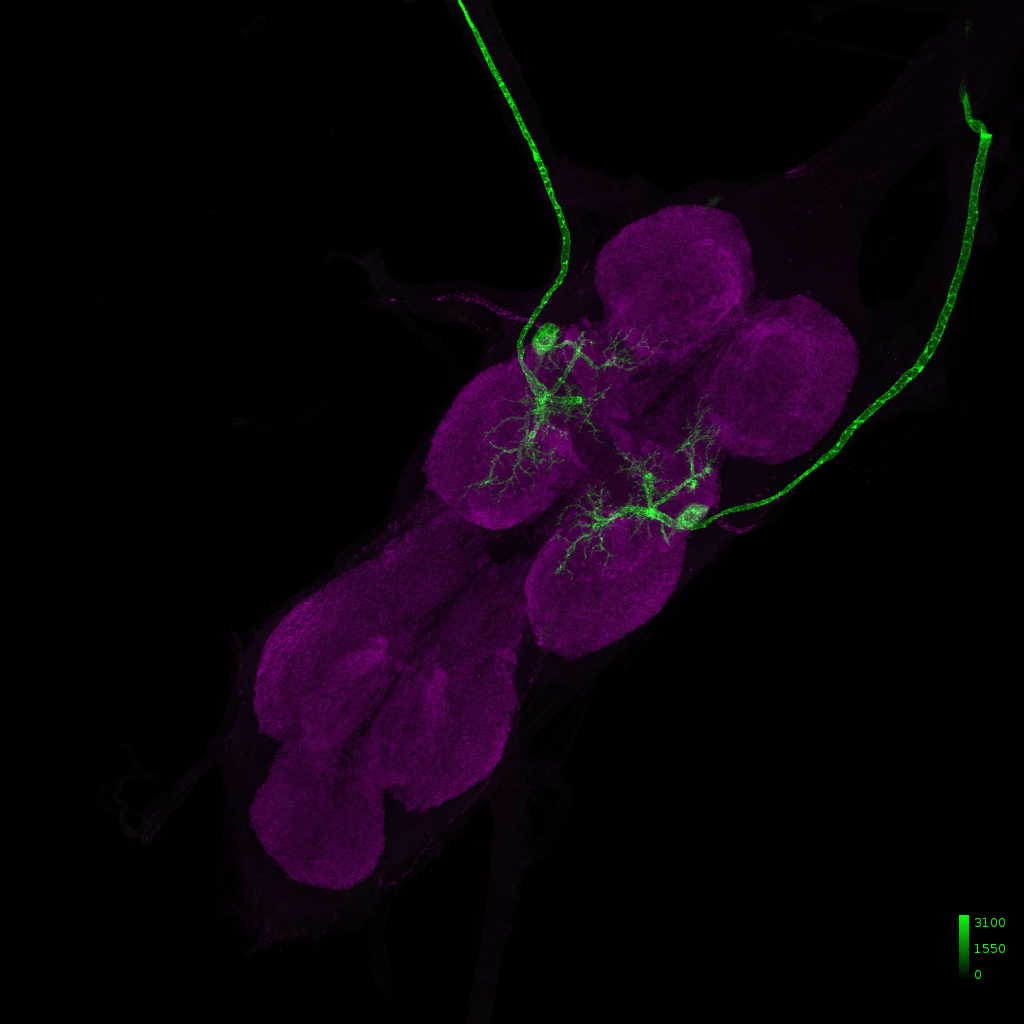
b3 mn driver (SS98650):
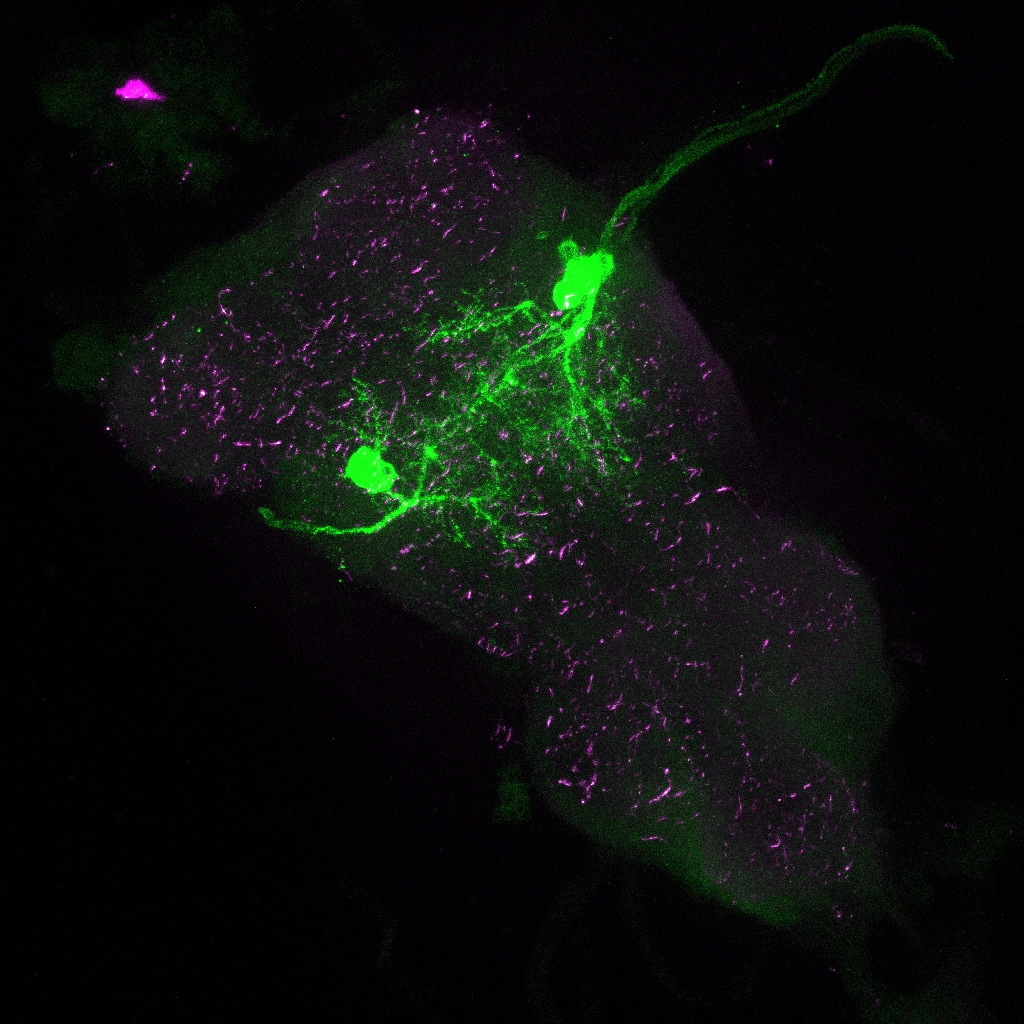
Janelia image for SS98650:
Category: Anatomy, Habit formation, Motor neurons | No Comments
Torque measurements 12.02.2026
on Friday, February 13th, 2026 12:38 | by Fridrik Kjartansson
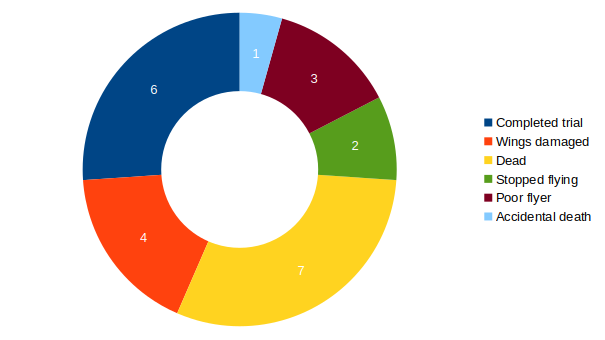
Torque measurements 10.02.2026
on Friday, February 13th, 2026 12:31 | by Fridrik Kjartansson
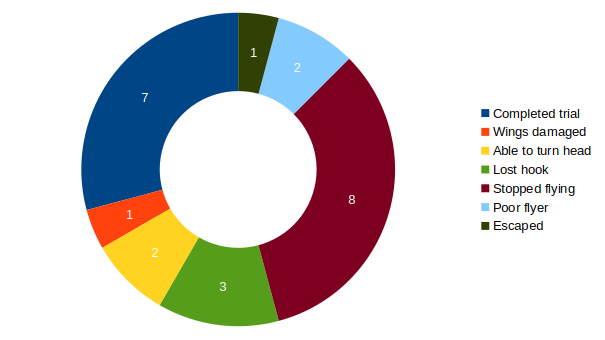
Torque measurements 2.2. – 6.2
on Monday, February 9th, 2026 12:41 | by Fridrik Kjartansson
Category: flight, Habit formation, operant self-learning, Optomotor response | No Comments