Summary lab work
on Monday, August 10th, 2026 1:06 | by Julia Schulz

Category: Uncategorized | No Comments
Connectome Interpreter – Effective Connectivitiy
on Monday, August 10th, 2026 12:17 | by Ipek Subay
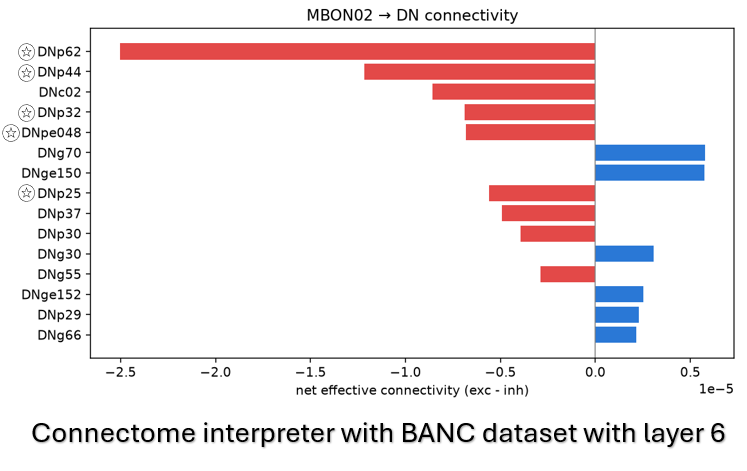
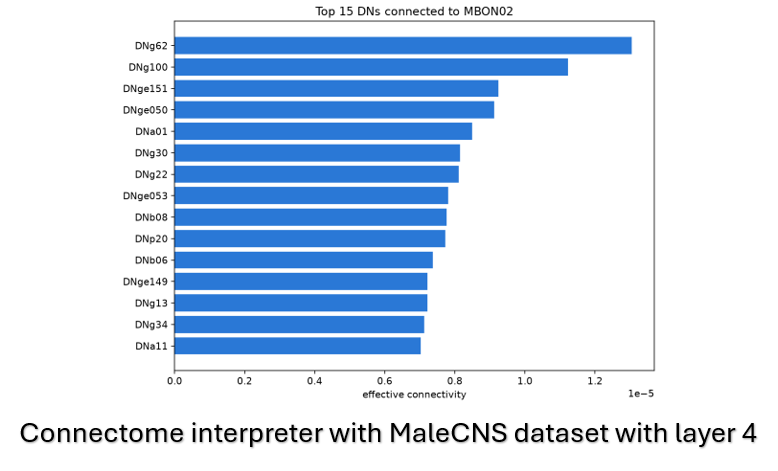
Known Cell type from Yijie Yin’s List
| DNp29 | DNp29 neuromodulatory (dNPF), stimulation mimics food-deprivation; abdomen grooming | neuromodulatory | |
| DNp32 | DNp32 neuromodulatory | neuromodulatory | neuropeptide: myosupressin |
| DNp62 | DNp62 neuromodulatory; hunger | neuromodulatory | neuropeptide: SIFamide |
| DNpe048 | DNpe048 neuromodulatory | neuromodulatory | neuropeptide: CCAP |
Category: Uncategorized | No Comments
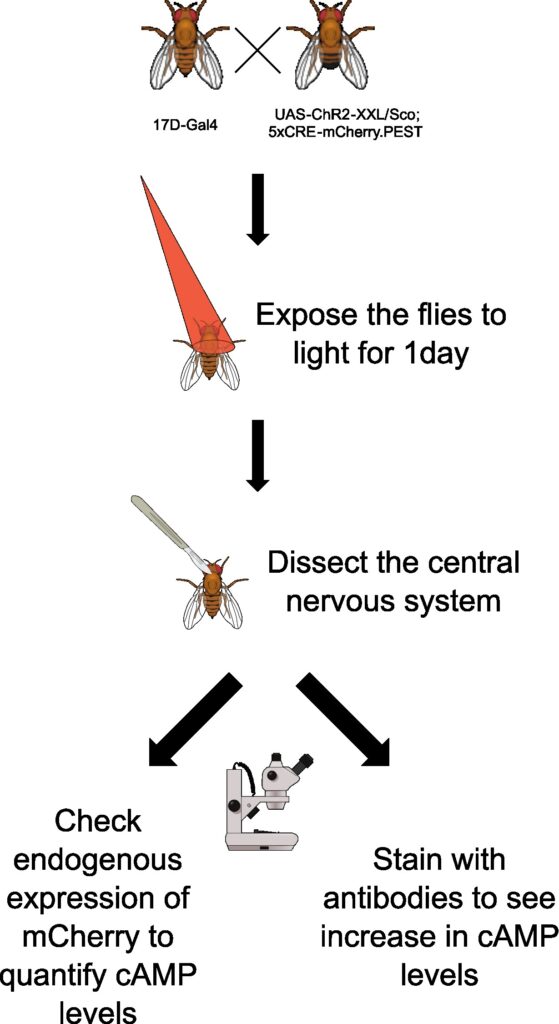
Experimental Procedure to check increase/decrease in cAMP levels
on Monday, August 10th, 2026 10:43 | by Ipek Subay
Category: Uncategorized | No Comments
RNAseq Analysis for b1 and b3 motor neuron receptors
on Monday, June 15th, 2026 12:49 | by Ipek Subay
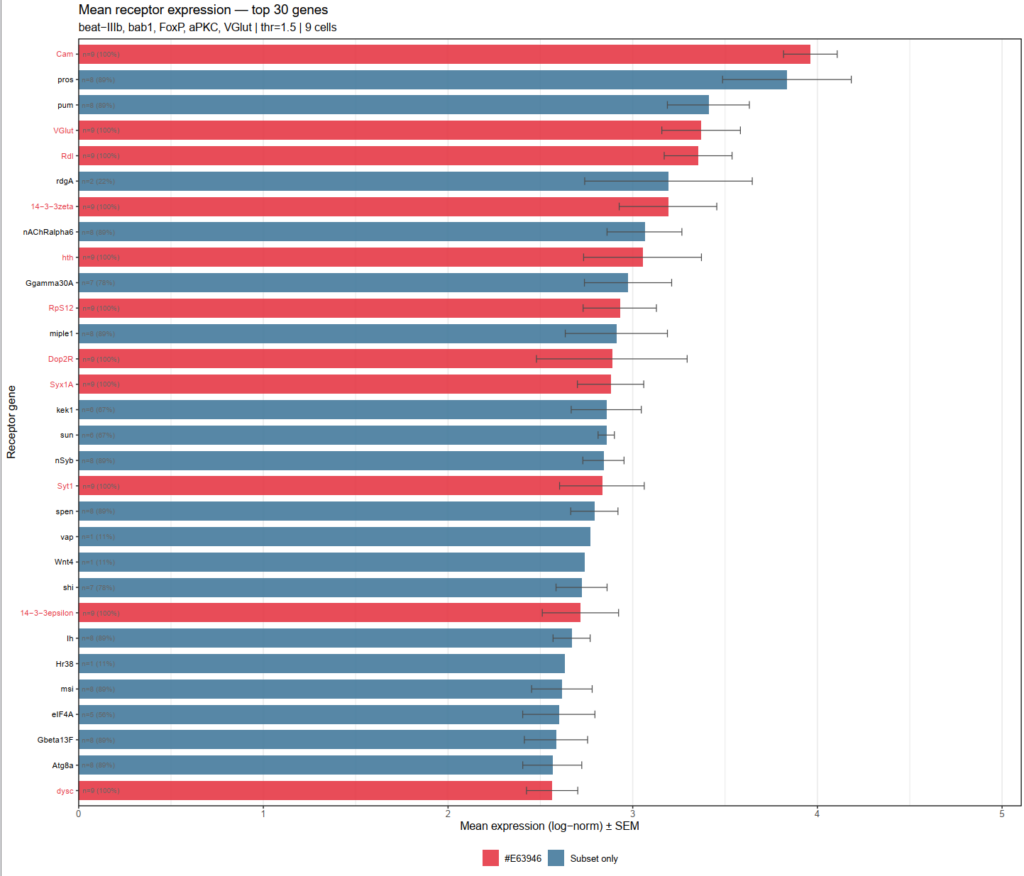
I selected the cells with different combination of markers and different levels of expression. In addition to split-gal4 driver markers I also added FoxP, aPKC and VGlut to get more specific results. gene names on graph legends are not correct and will be fixed
IS38497 b1 and b3 motor driver line
AD: beat-IIIB DBD: bab1
SS98650 b3 driver
AD: ct DBD: Ubx
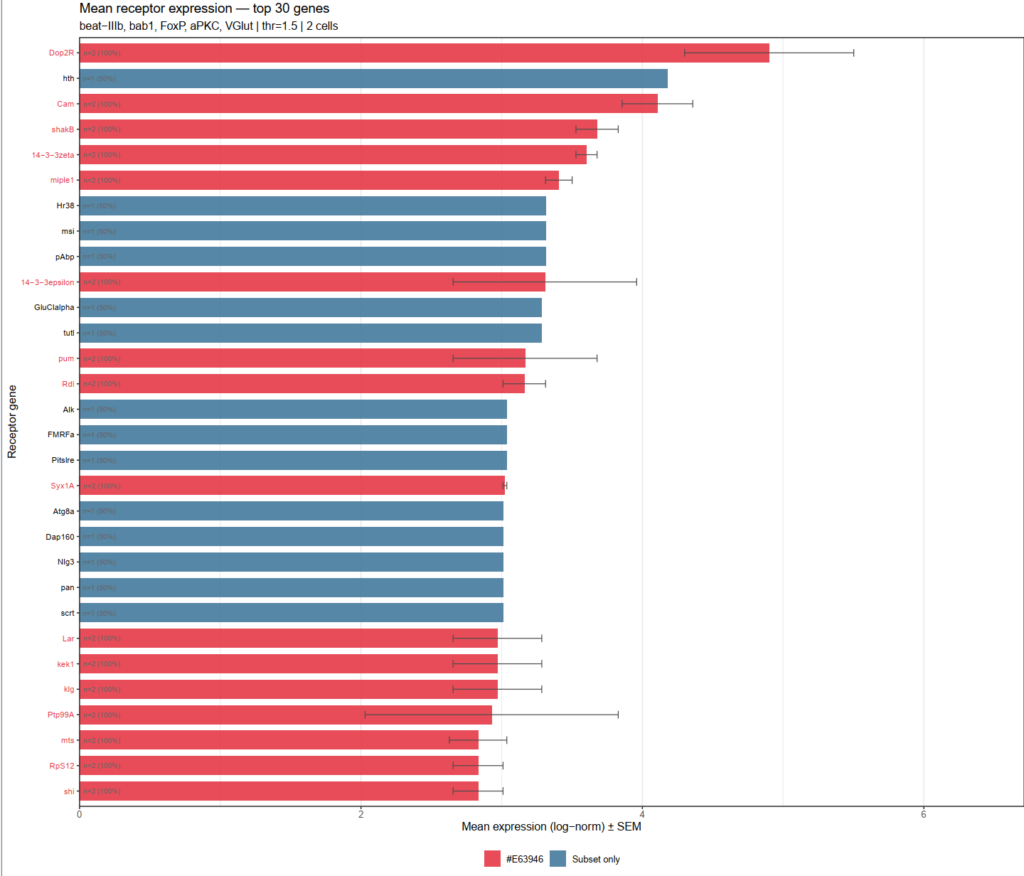
IS69306 b1 mn driver line
AD: CG14388 DBD: CG31345
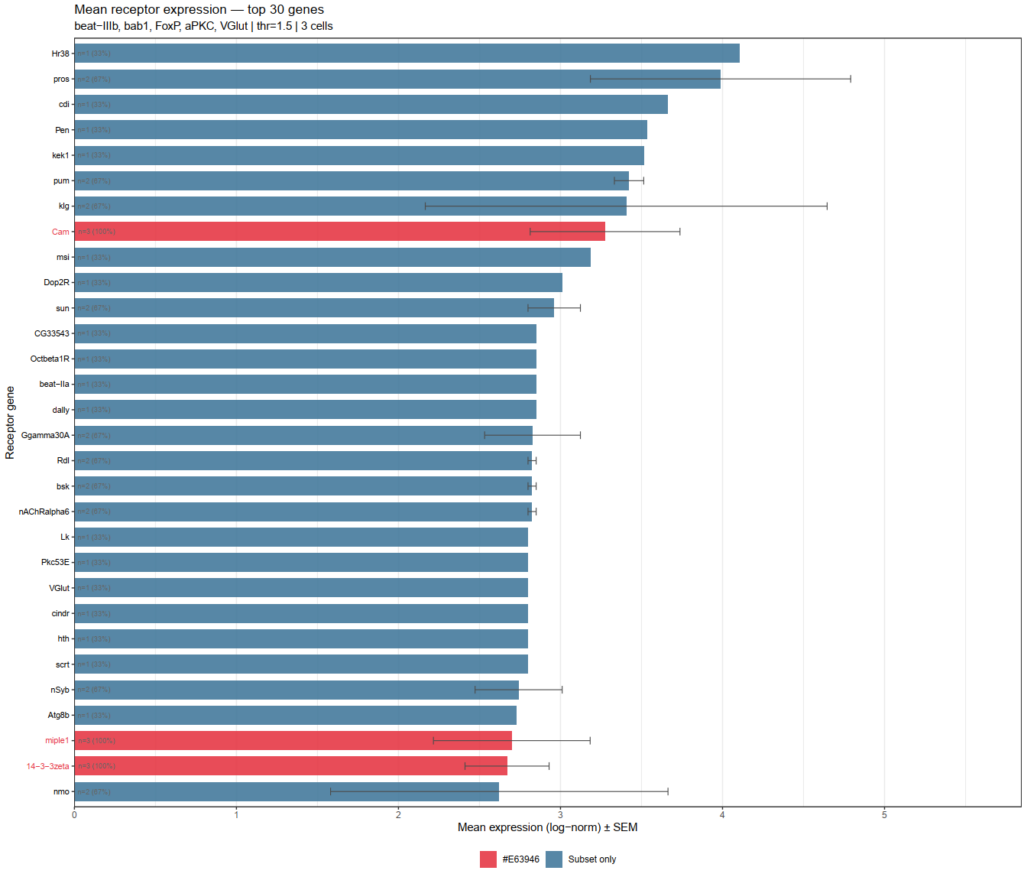
SS48311 b3 mn driver
AD: Ubx DBD: NetB
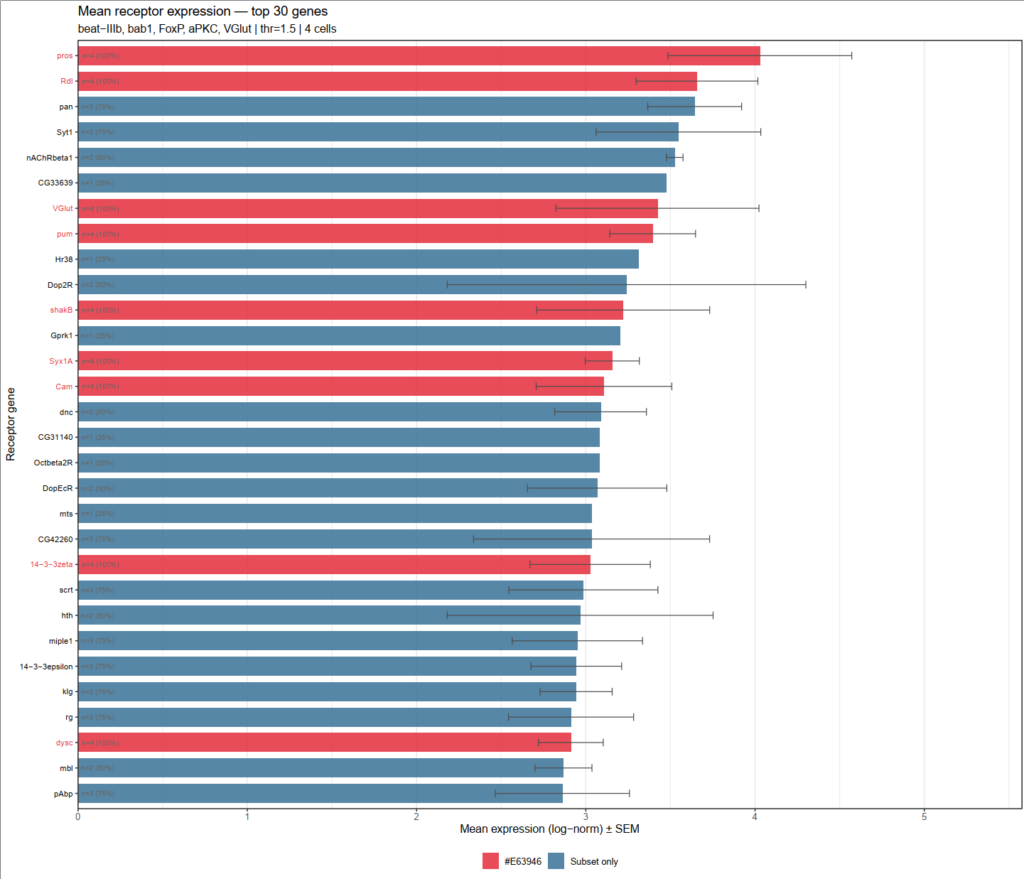
SS40980 b1 mn driver line
AD: CG12680 DBD: CG10137
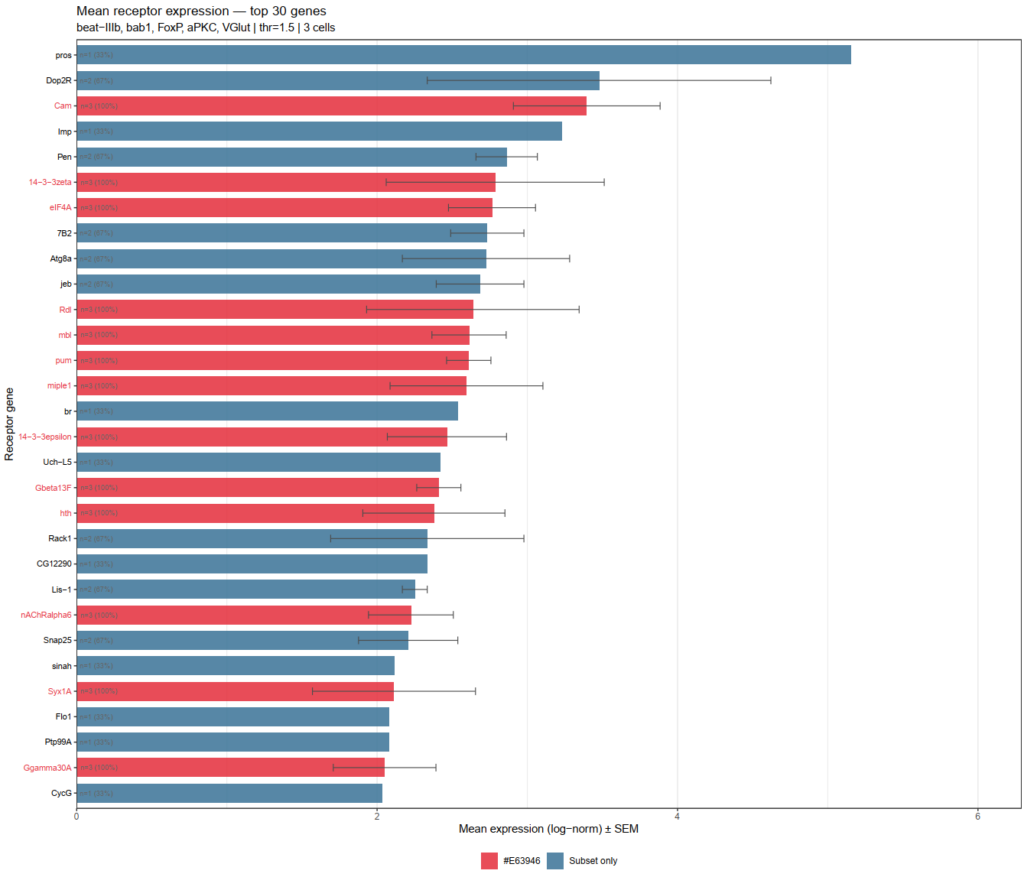
Category: Uncategorized | No Comments
Control imaging for confocal
on Monday, June 1st, 2026 12:38 | by Ipek Subay
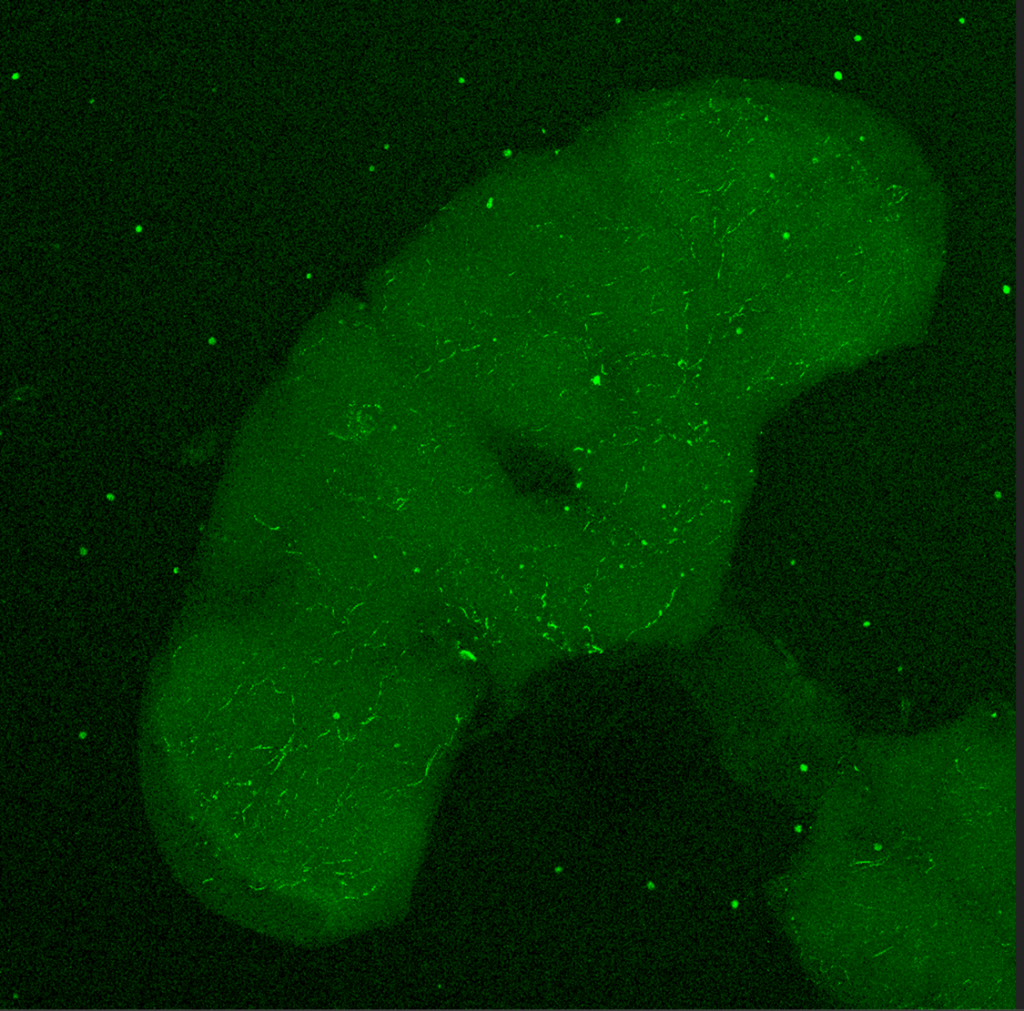
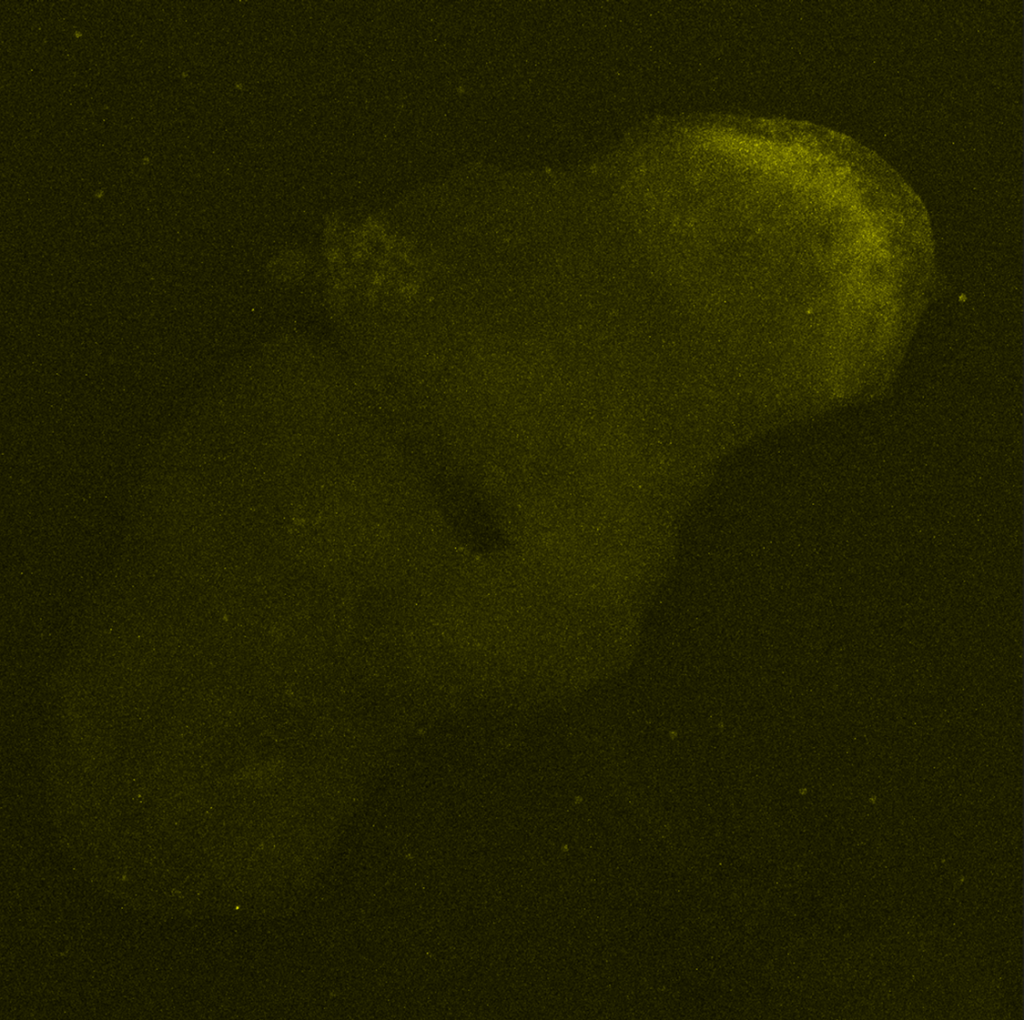
As I was seeing some structures that were not supposed to be there, first I tested if my antibodies has problems so I ran the experiment with WTB flies and primary antibodies with corresponding 2nd antibody
I used 3 predefined laser settings with minor changes. Alexa 488 uses laser at 488nm, Alexa 555 uses laser at 514 nm, Alexa 647 uses laser at 633nm
nc82 antibody (anti-mouse) and anti-mouse 650 ab. Image taken on green channel (488 excitation, 493-779 emission)
same sample but image taken on 555 wavelength:
same sample but image taken on 647 wavelength where I was supposed see the background staining. Its not clear because I did not adjust the laser power:
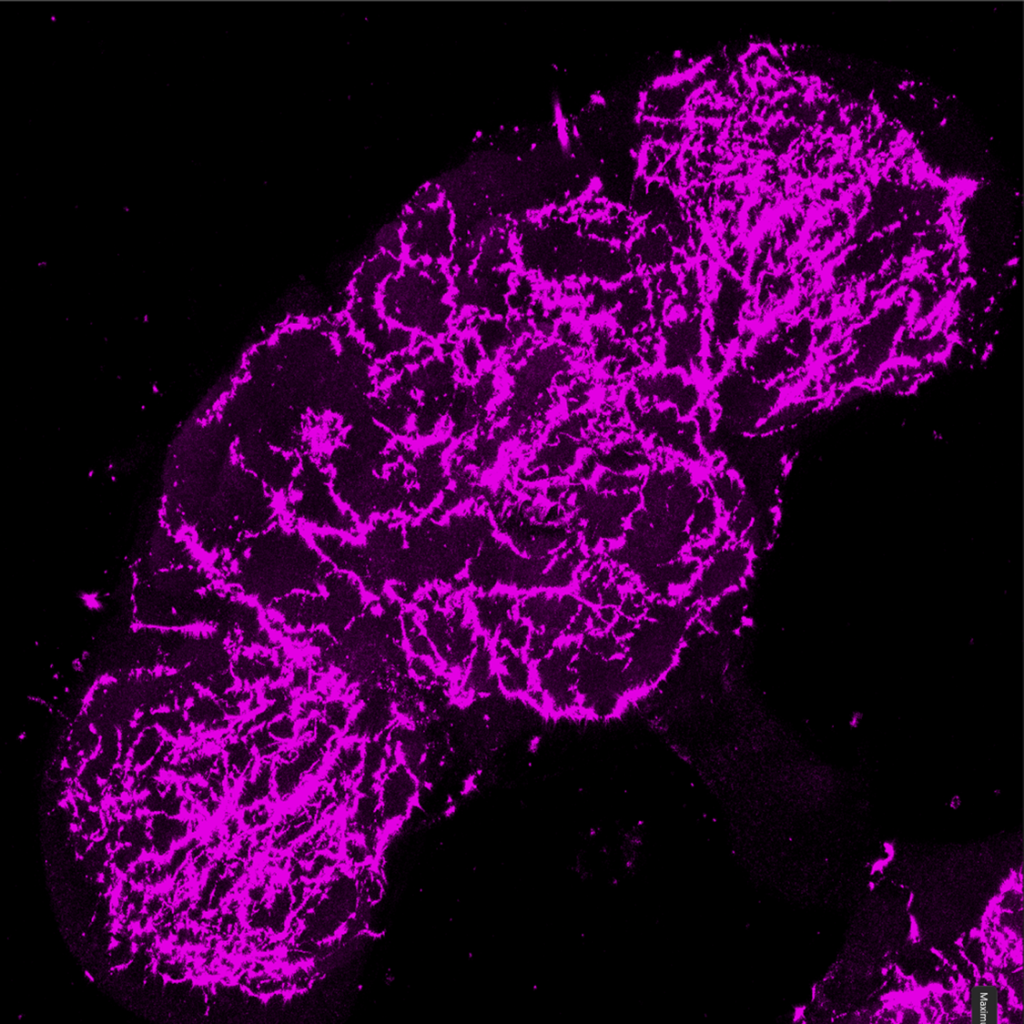
anti-RFP (rat) ab, anti-rat 555 staining:
image taken on 555 wavelength:
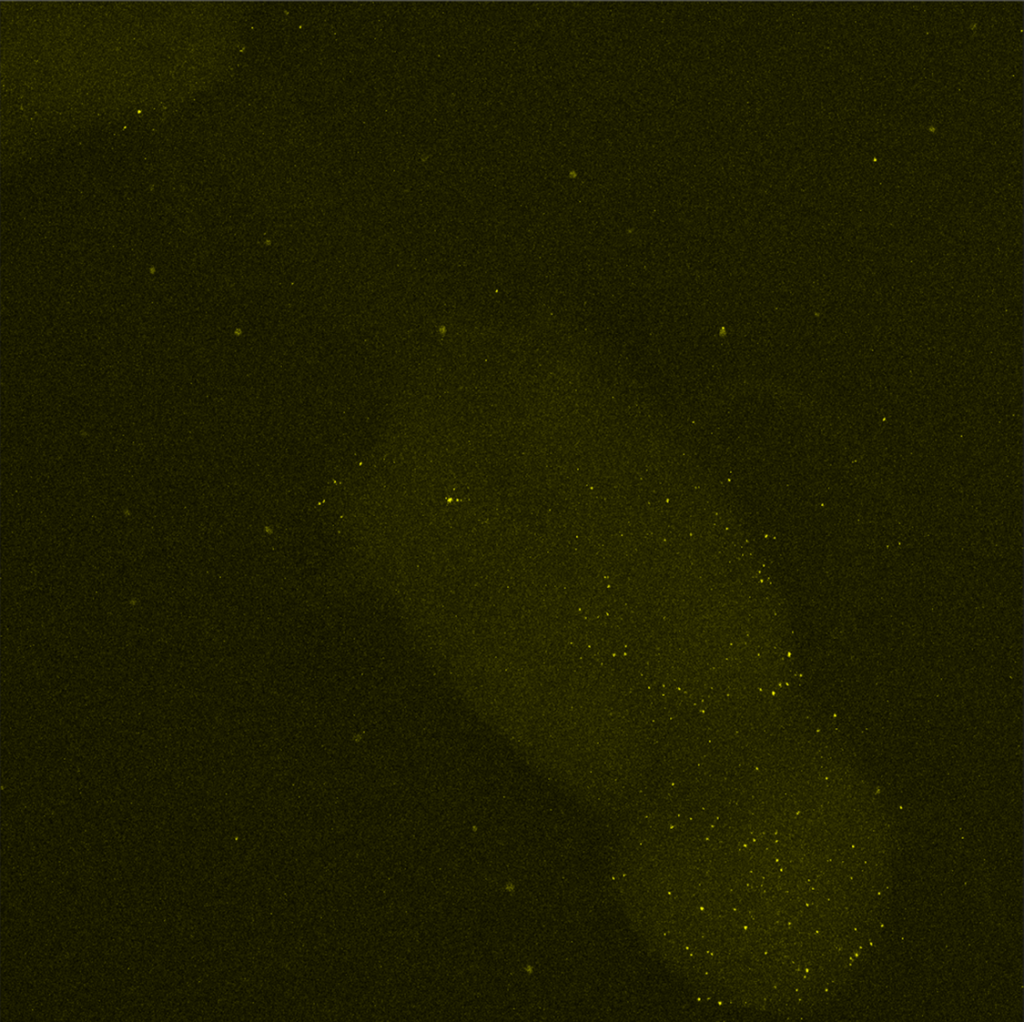
same sample but image taken on 647 wavelength:
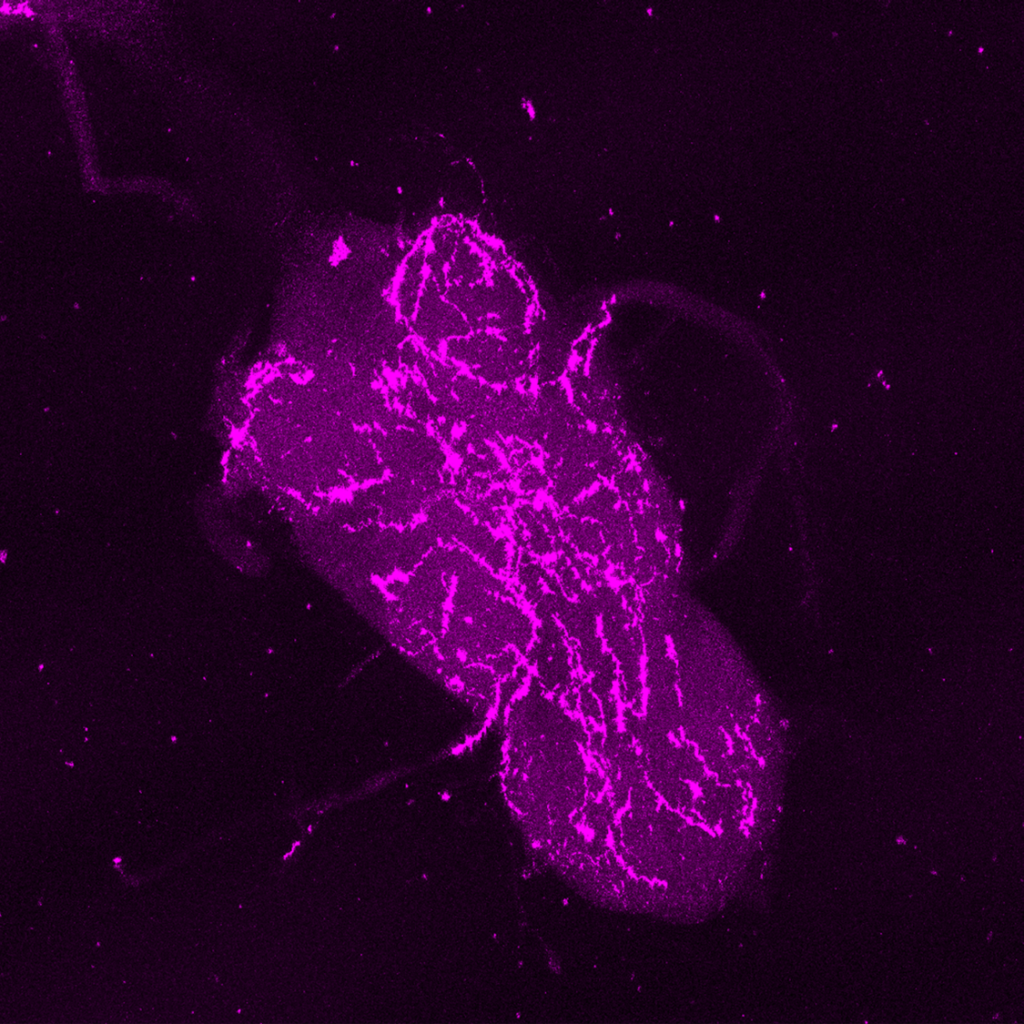
Since the structure were visible with both of the antibodies, I suspected the reagents that I have been using might have contaminated so I prepared 4 different setups with no antibody staining at all:
Preparation 1: Includes prefixing the samples and blocking them with my existing NGS
Image taken with 488 laser and emission 493-737nm:
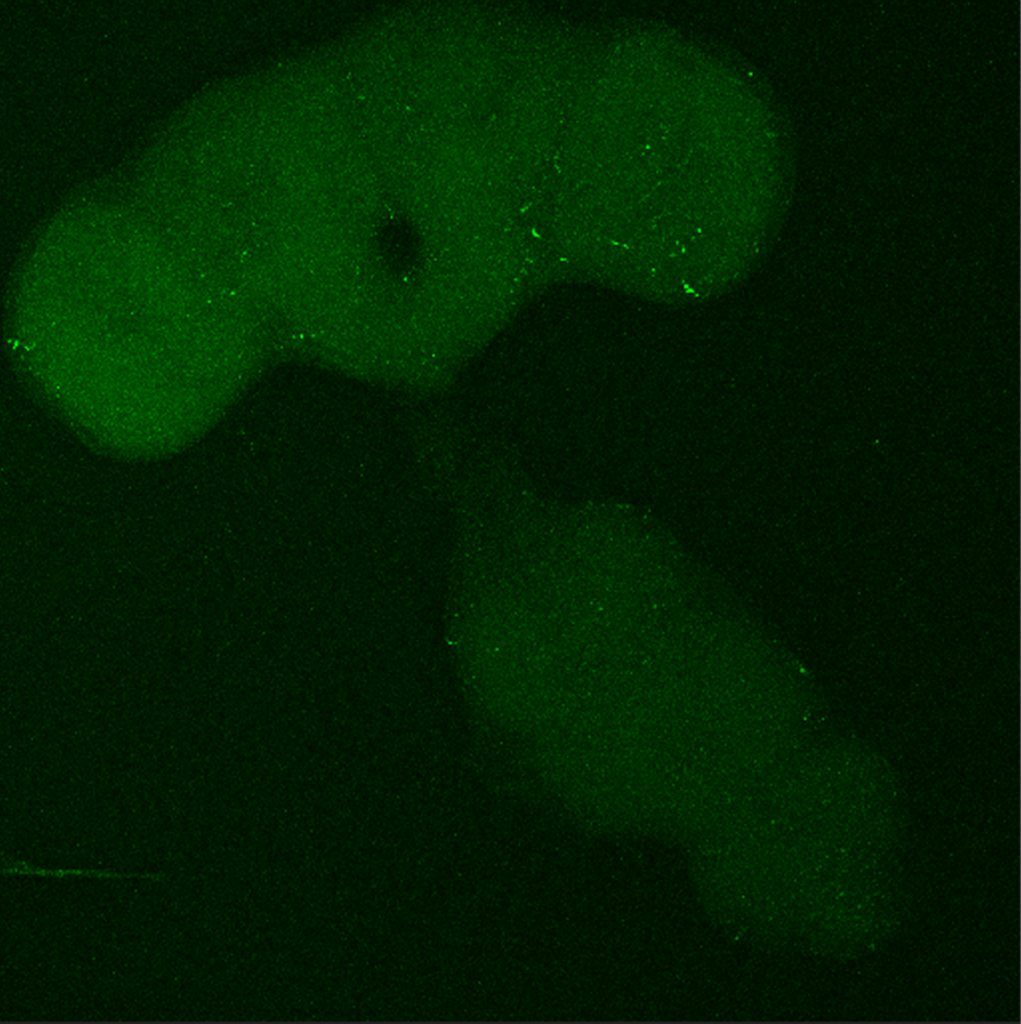
Same sample with 488 laser and emission 491-736nm
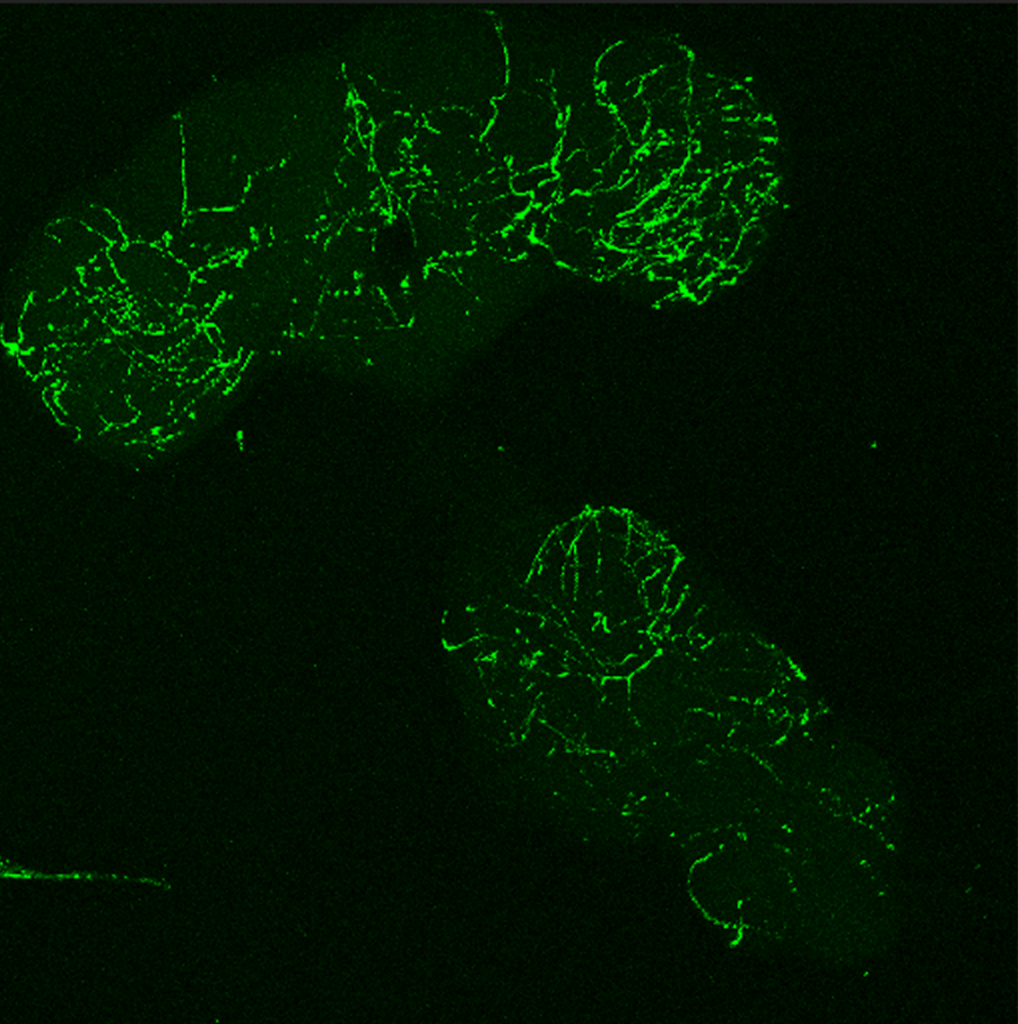
Same sample with laser 555 and emission 535-779:

Same sample with laser 647 and emission 638-779:
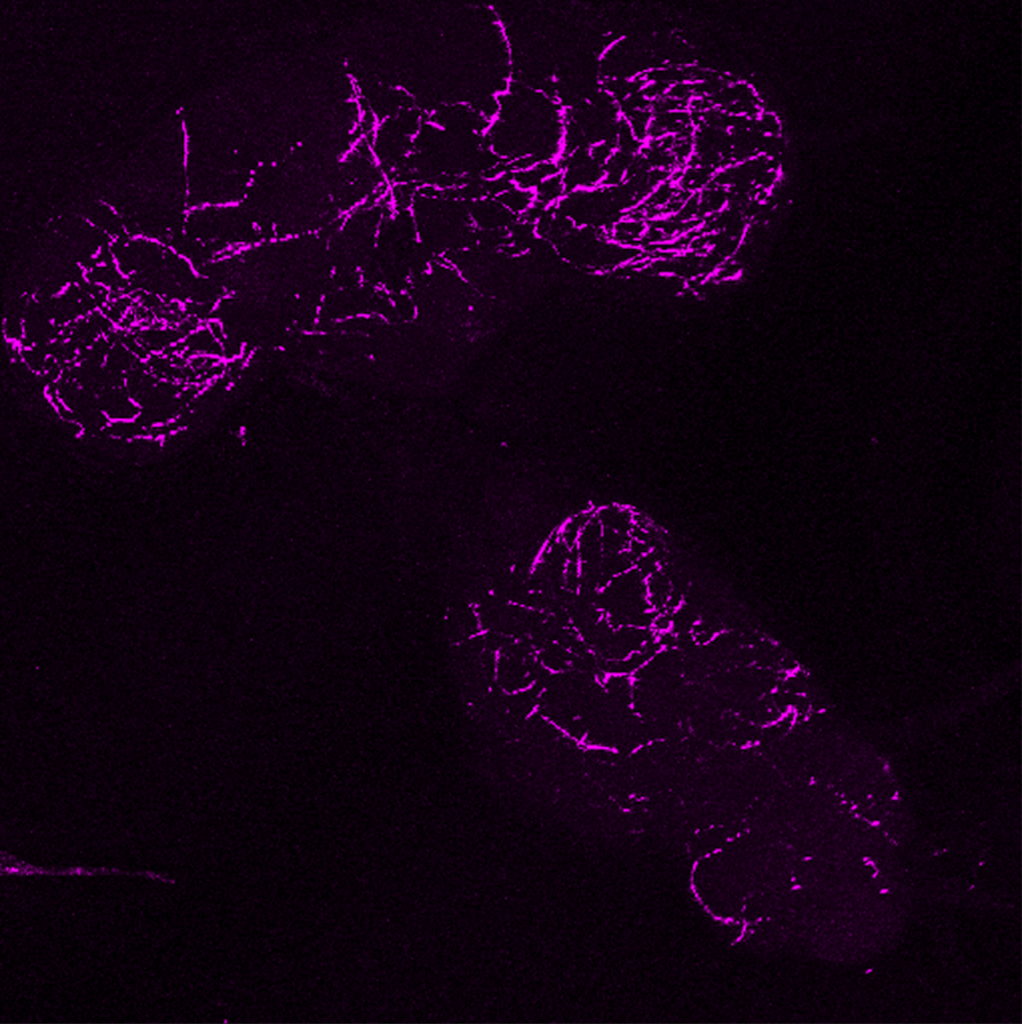
Preparation 2: Includes prefixing the samples and blocking them with aliquot from a new batch of NGS
Image taken with 488 laser and emission 493-744nm:
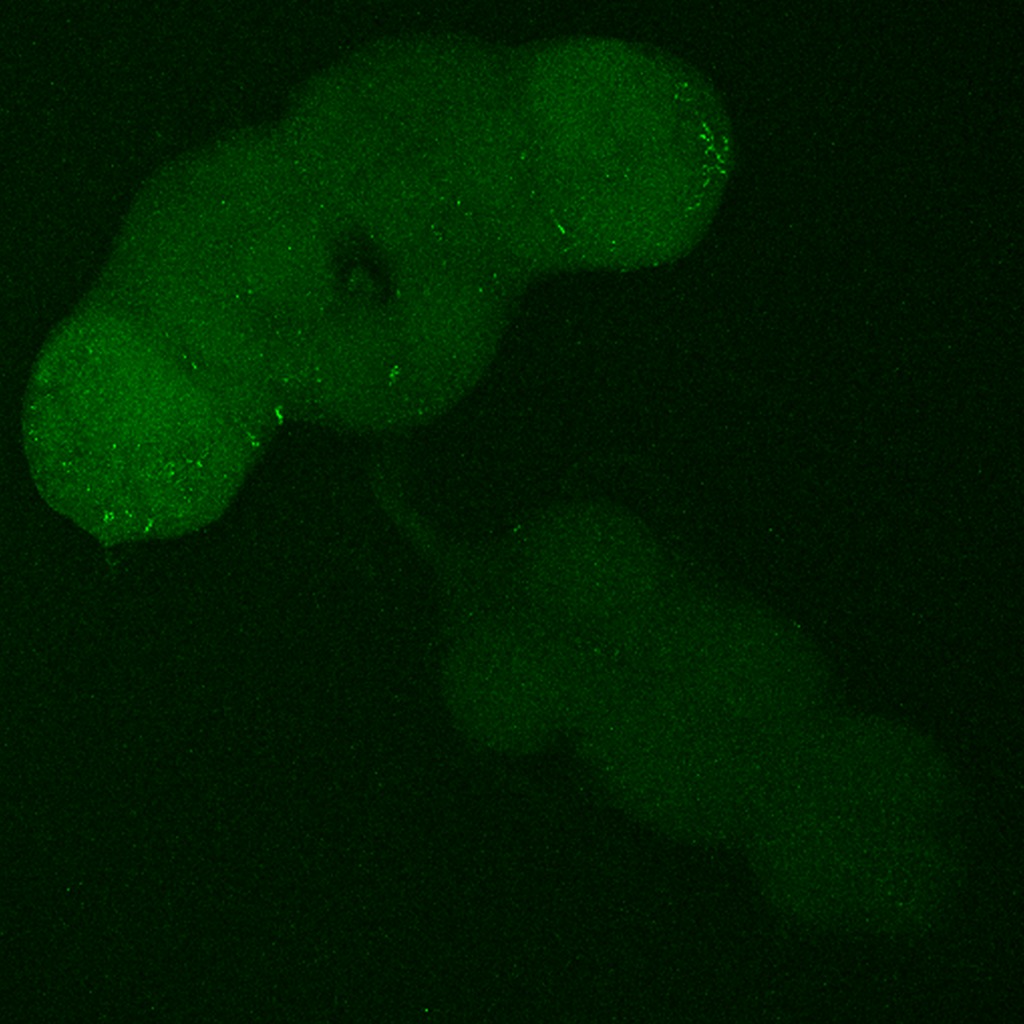
Image taken with 488 laser and emission 492-744nm:
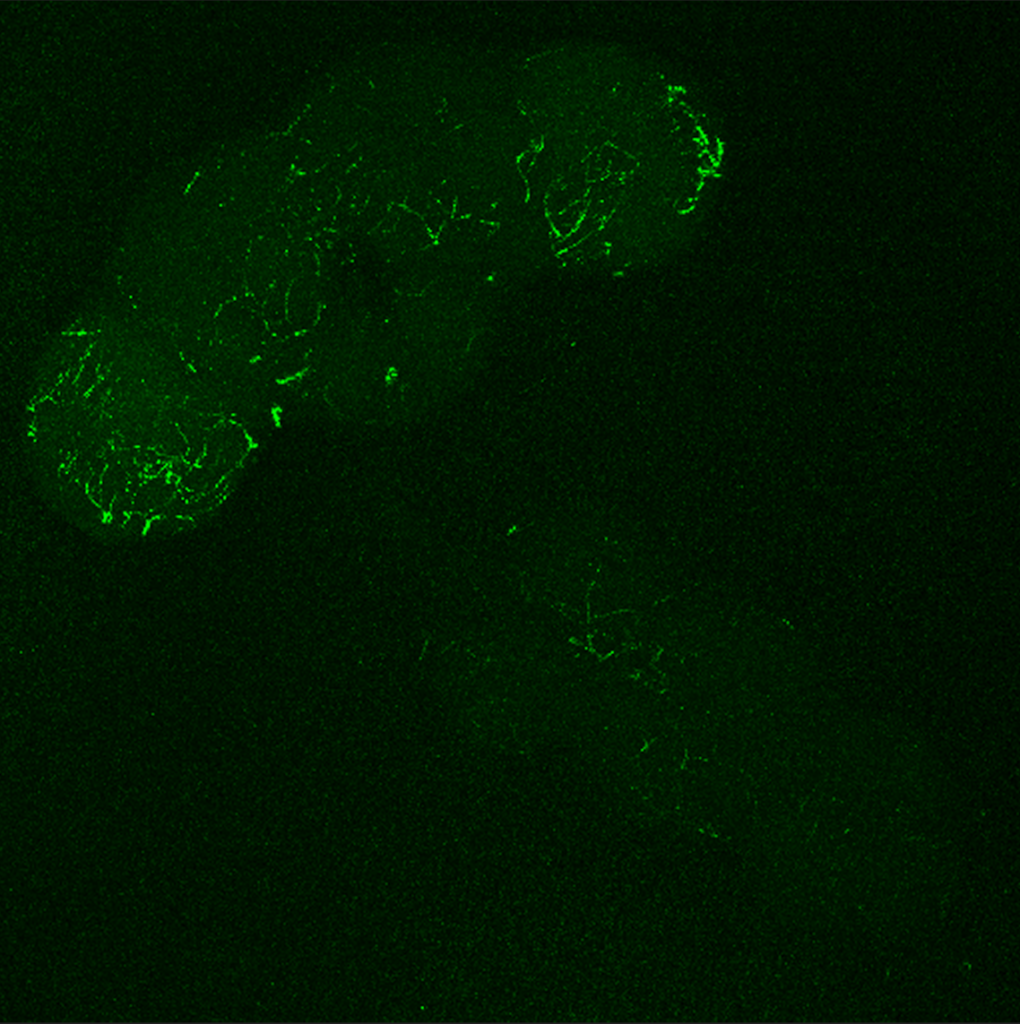
Image taken with 555 laser and emission 535-756nm:
Image taken with 647 laser and emission 638-779nm:
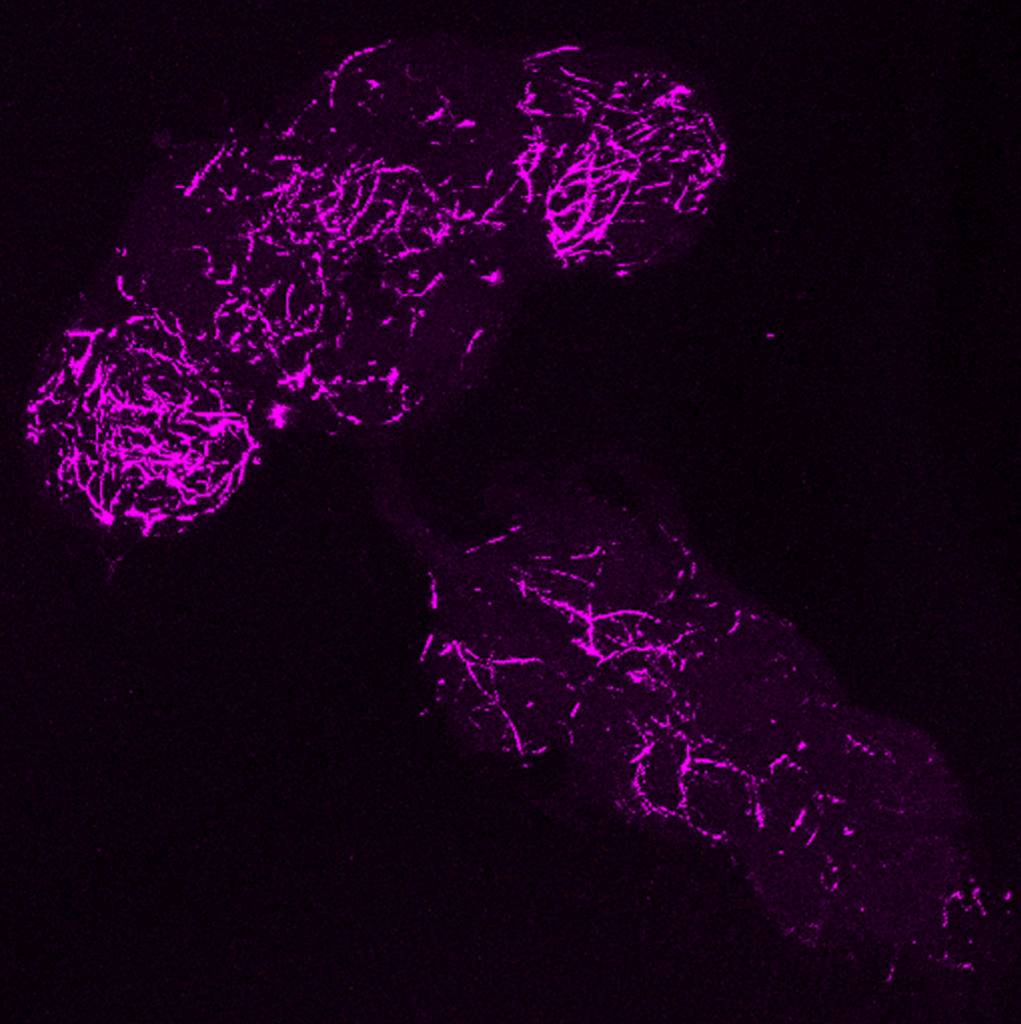
Preparation 3: Includes prefixing the samples and no blocking with NGS:
Image taken with 488 laser and emission 493-739nm:
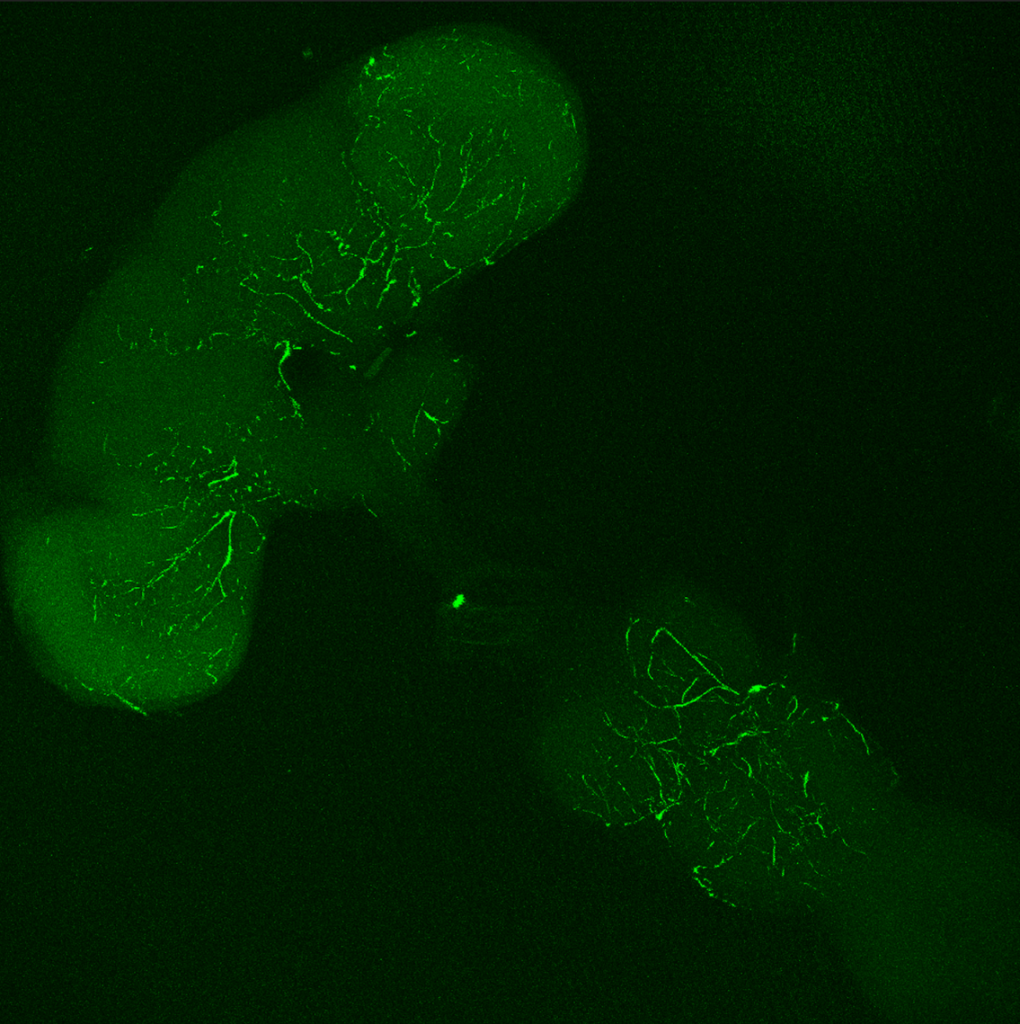
Image taken with 555 laser and emission 535-756nm:
Image taken with 647 laser and emission 638-779nm:
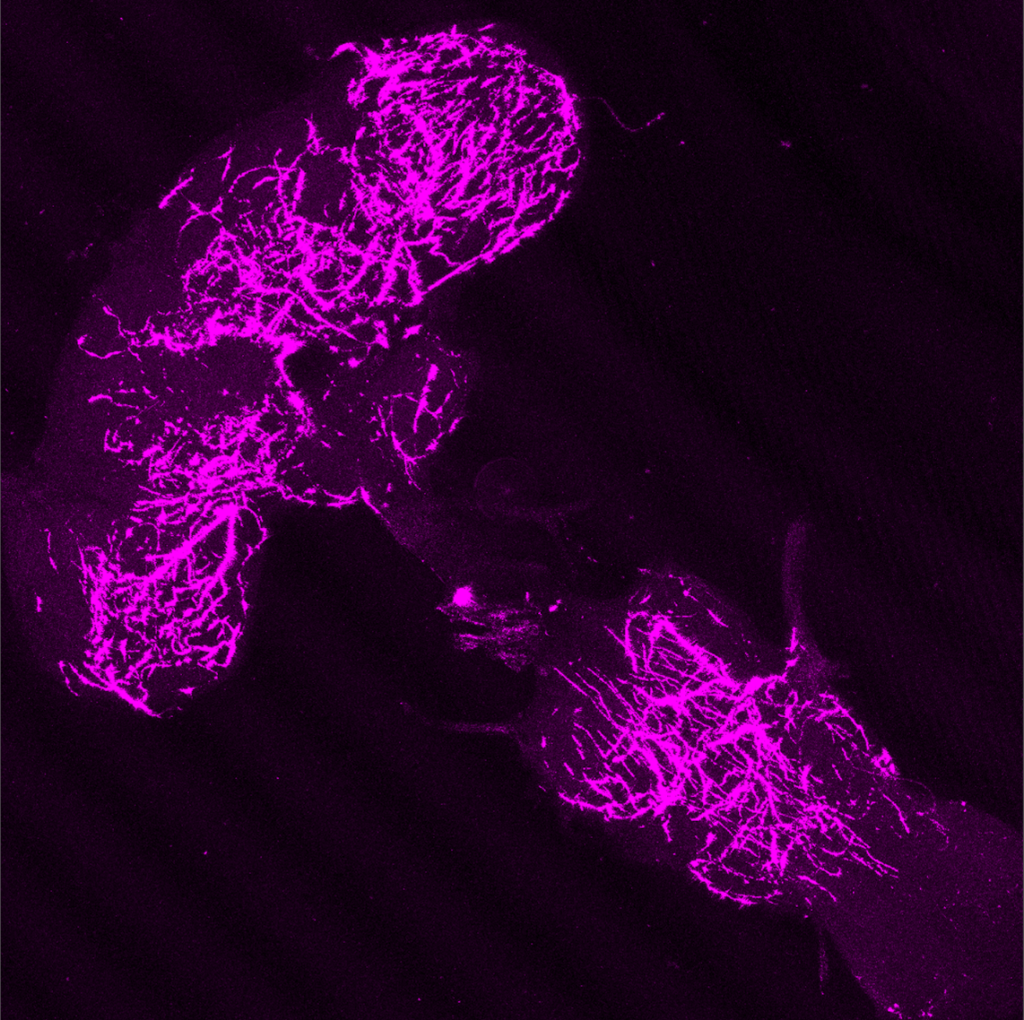
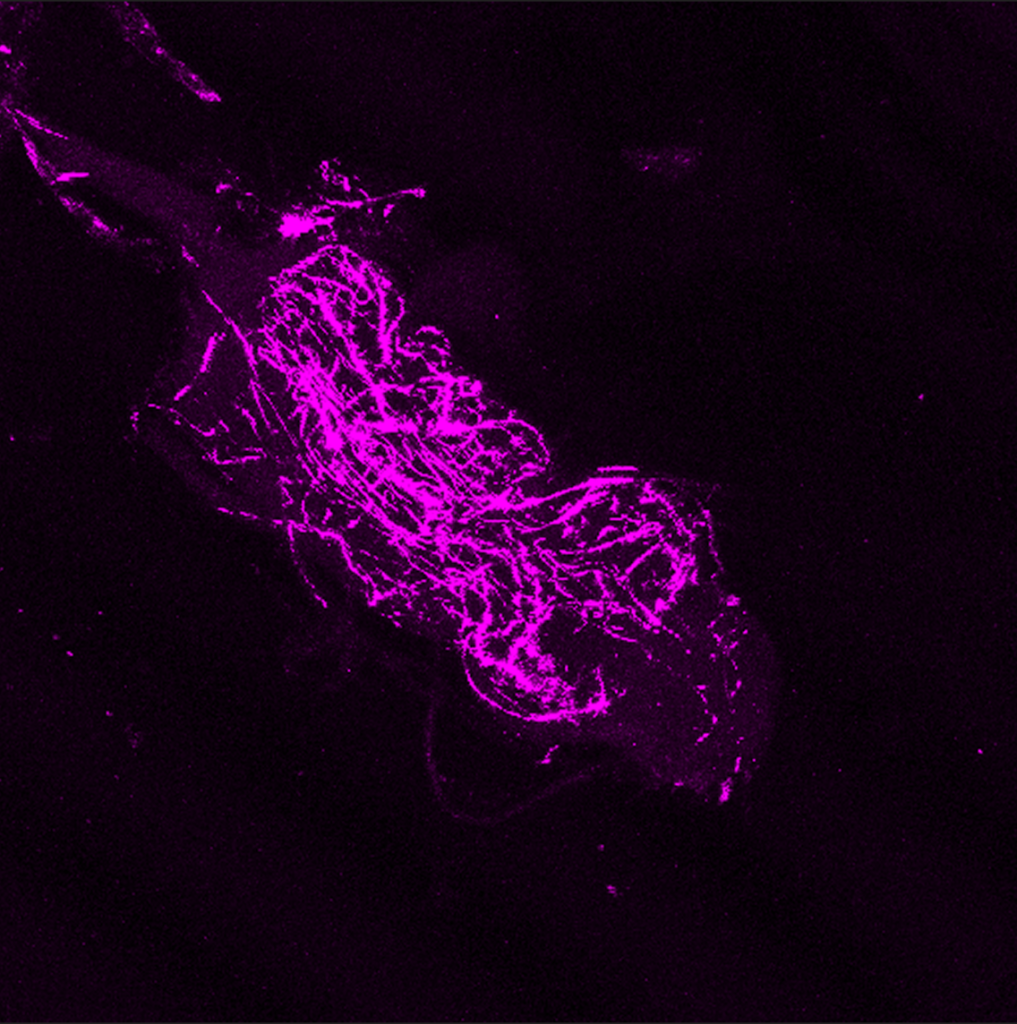
Preparation 4: No fixing and no blocking with NGS
Image taken with 488 laser and emission 493-744nm:
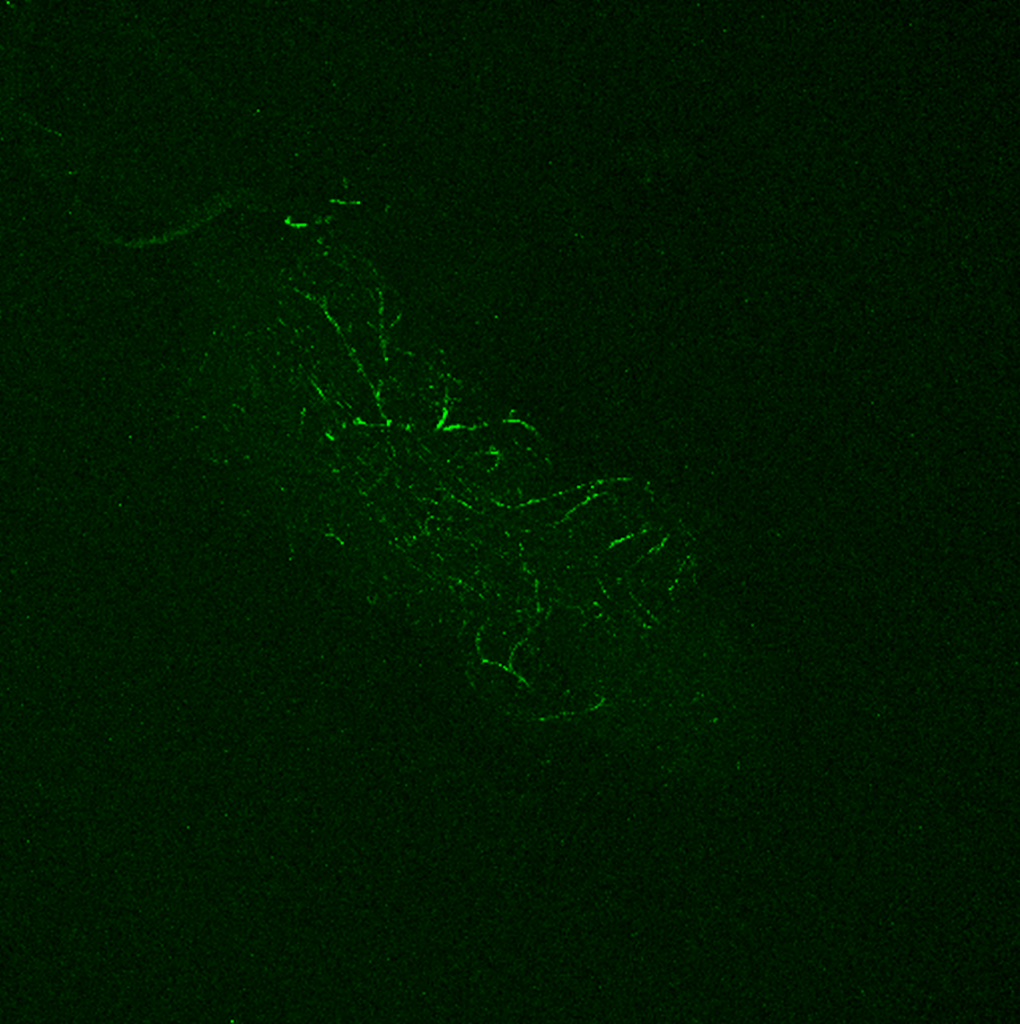
Image taken with 488 laser and emission 492-744nm:
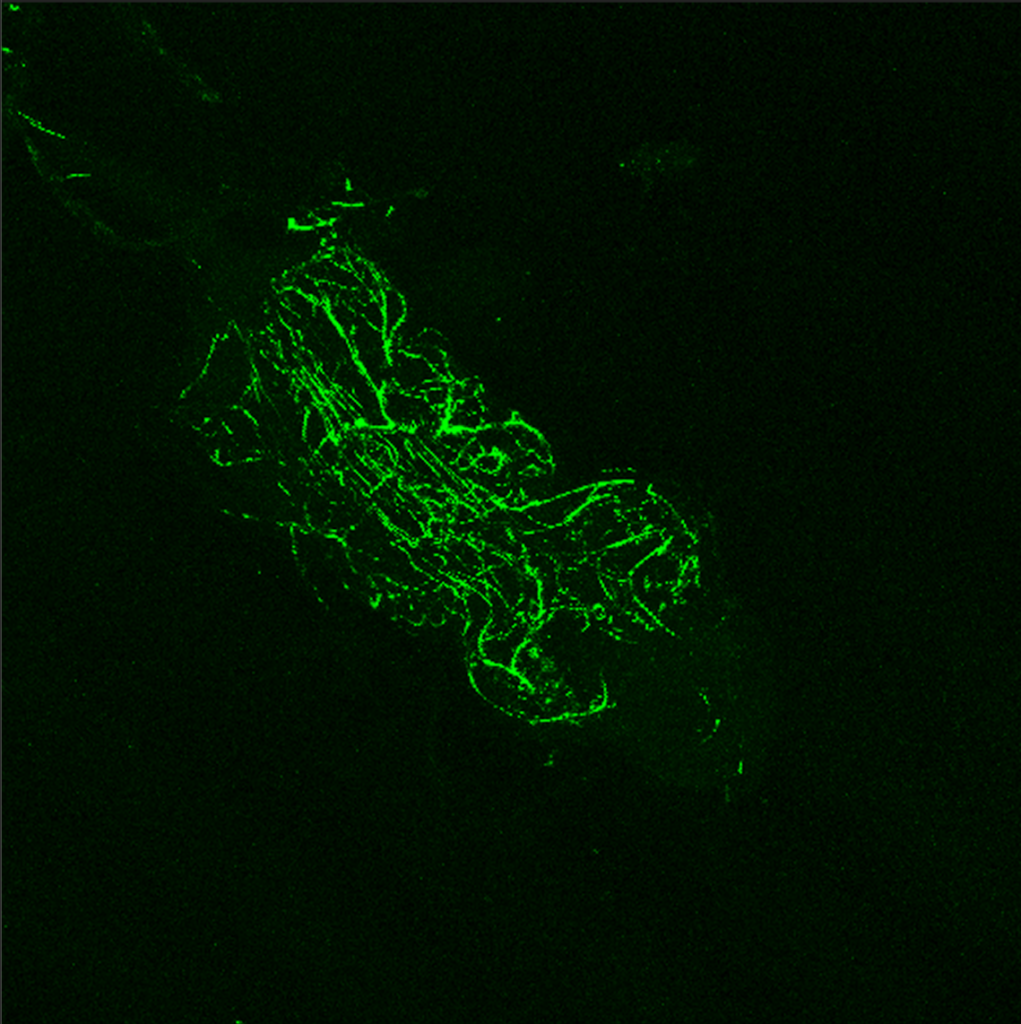
Image taken with 555 laser and emission 535-779nm:

Image taken with 647 laser and emission 638-779nm:
Category: Uncategorized | No Comments
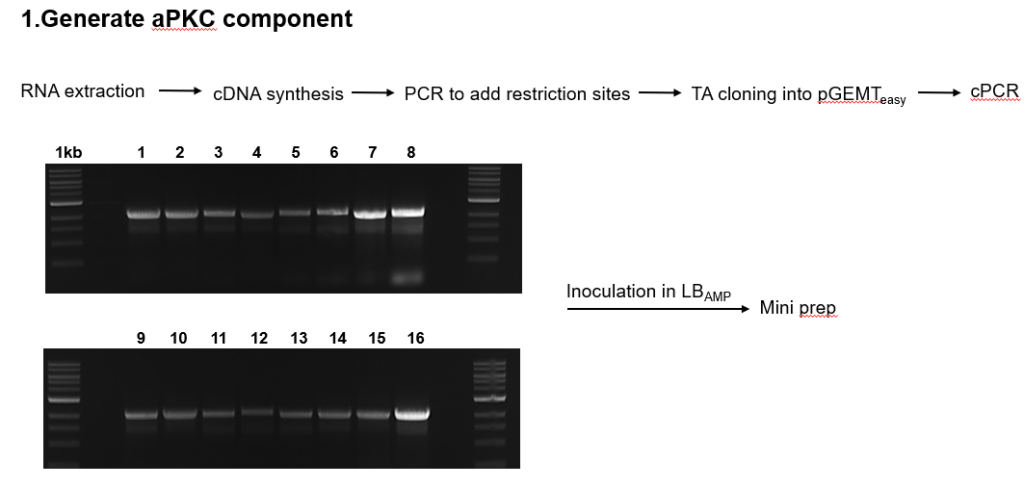
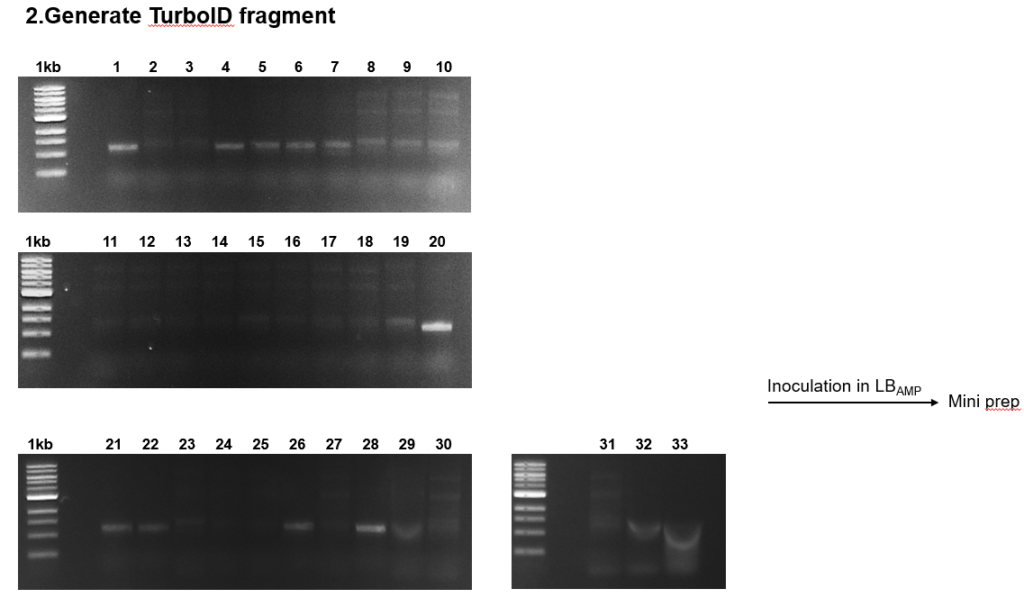
1.Molecular work
on Monday, May 11th, 2026 1:05 | by Julia Schulz
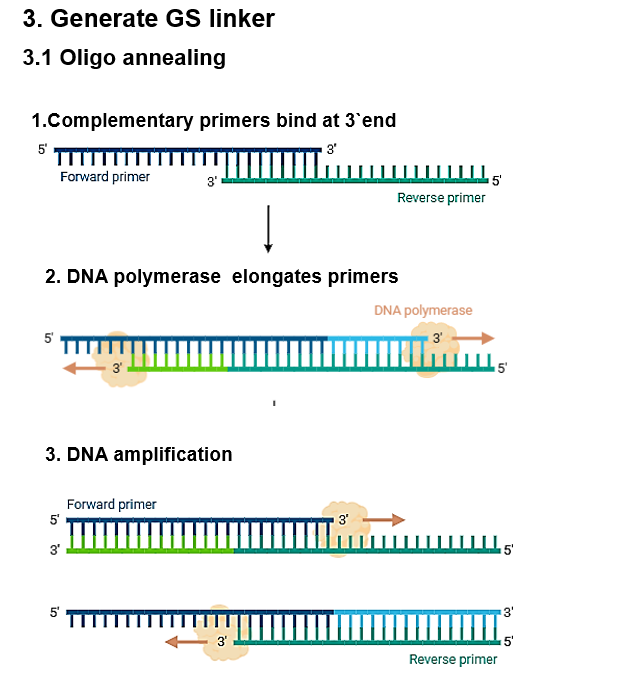
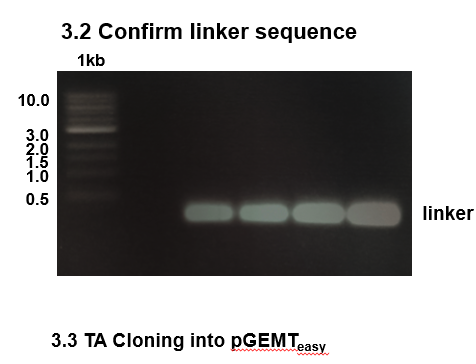
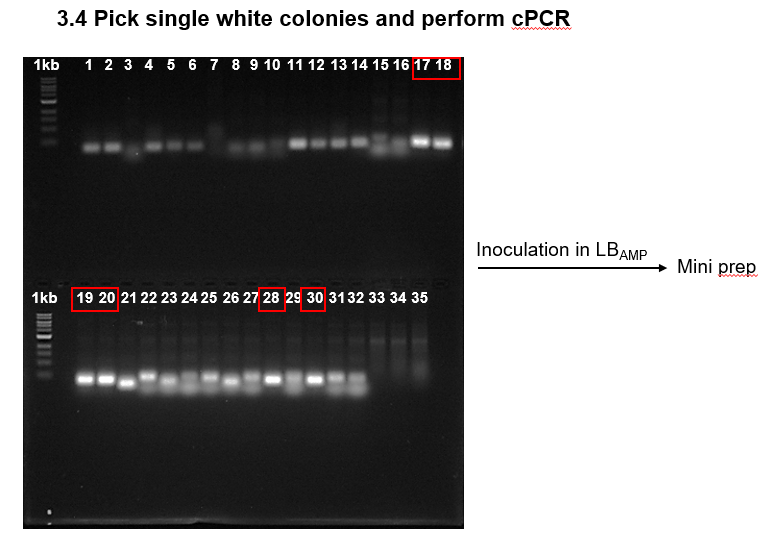
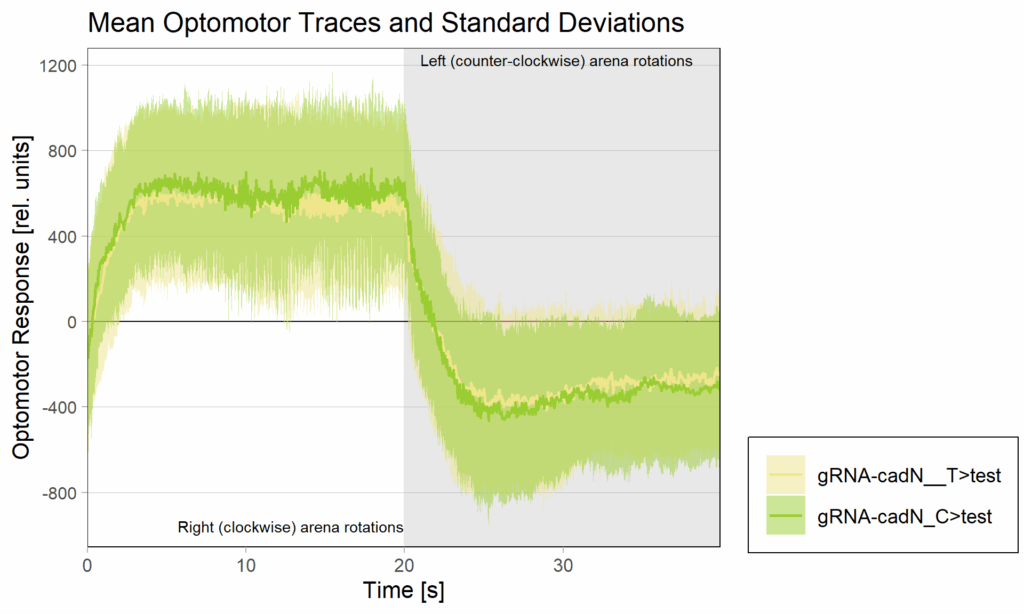
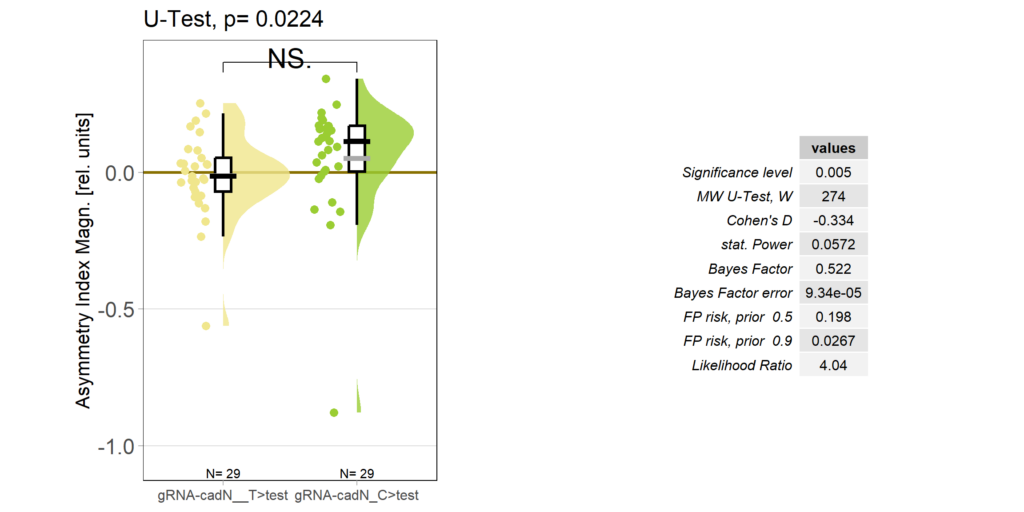
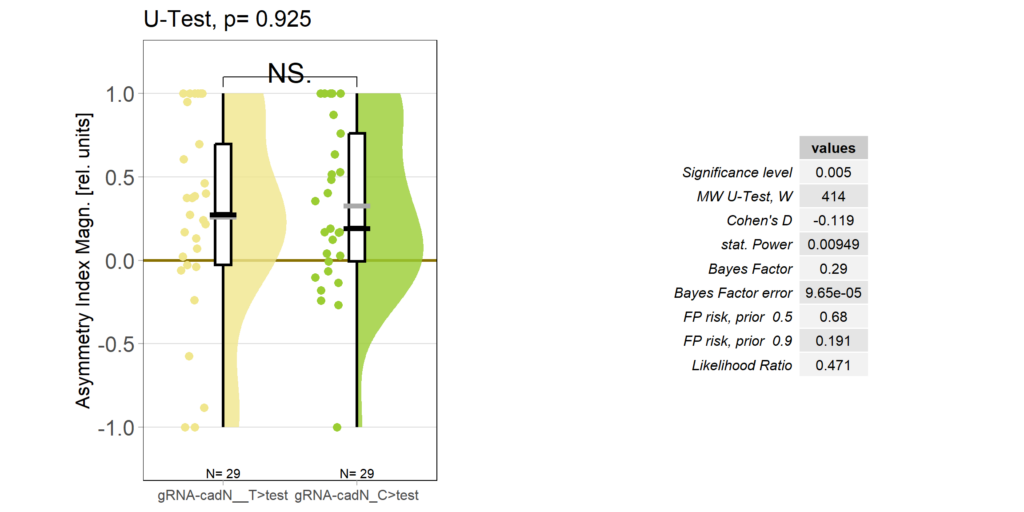
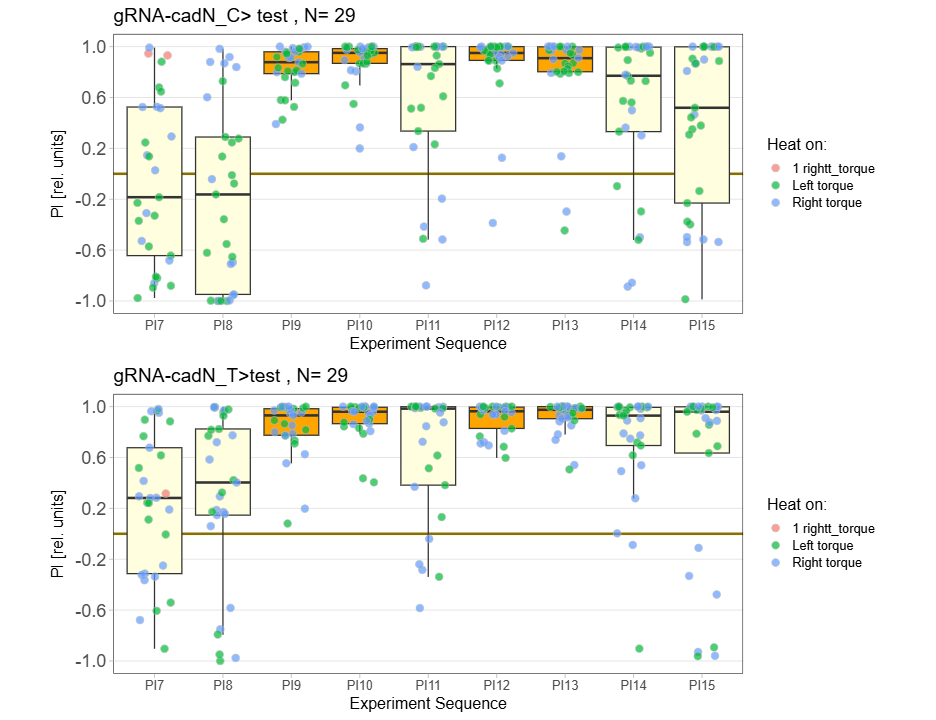
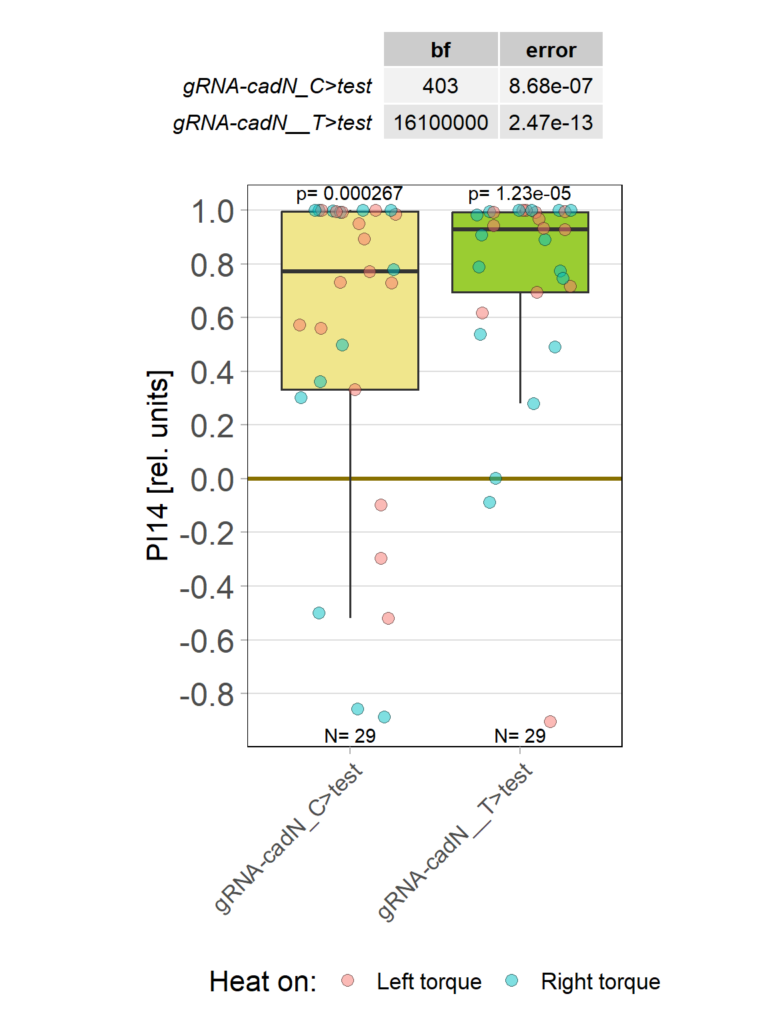
2.Yaw torque experiments
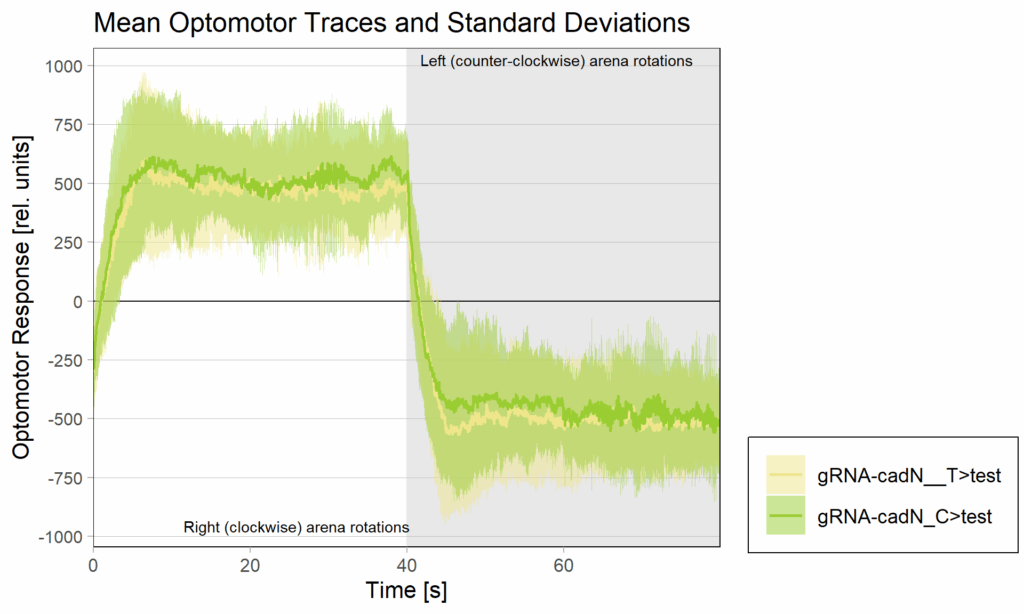
Category: Uncategorized | No Comments
Generational stress assay
on Thursday, May 7th, 2026 4:03 | by Johanna Jäger
To asses any possible effects of stressful conditions experienced by the parental generation (G0) on generation 1 (G1) flies on day 0 of the assay the air volume for the 60 experimental flies was reduced by ca. 1/7 by positioning the cotton plug ~ 10mm above the food surface. For the 30 flies of the control group the cotton plug was not positioned differently. Crowding took place 48h on 25°C. On day 2 the control flies were transferred into a big vial with fresh yeast. The experimental group was anesthetized with CO2 and separated to the usual number of flies per vial, 20 females and 10 males, and also transferred into a big vial with fresh yeast. After 24h all the flies in the vials were discarded. On day 12 newly hatched G1 flies were collected and incubated for 24h at 25°C before the ATR treatment.
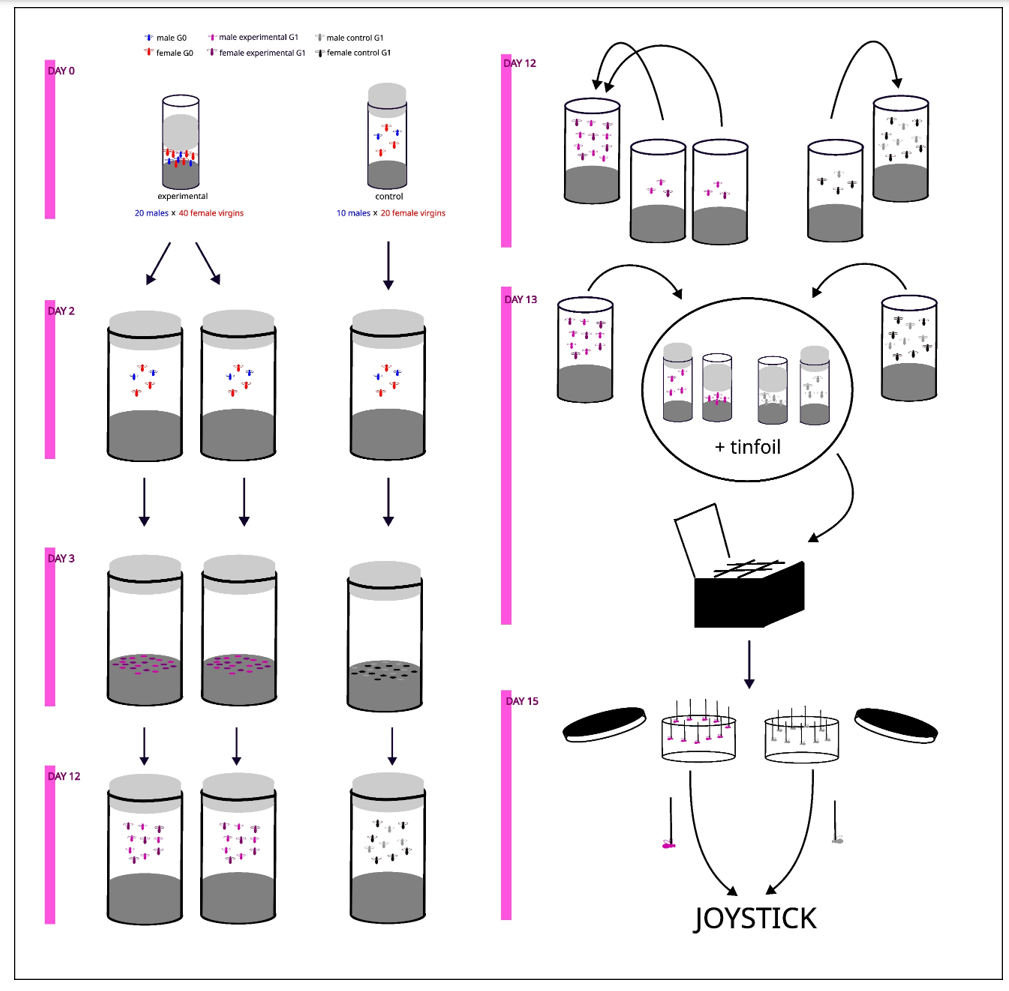
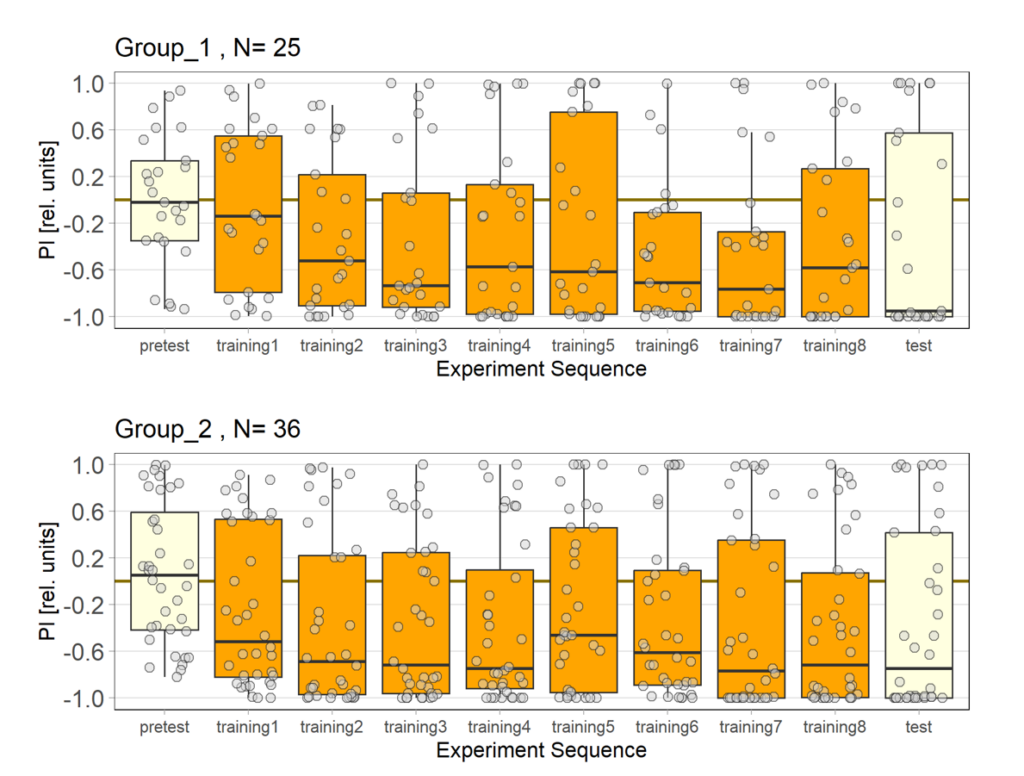
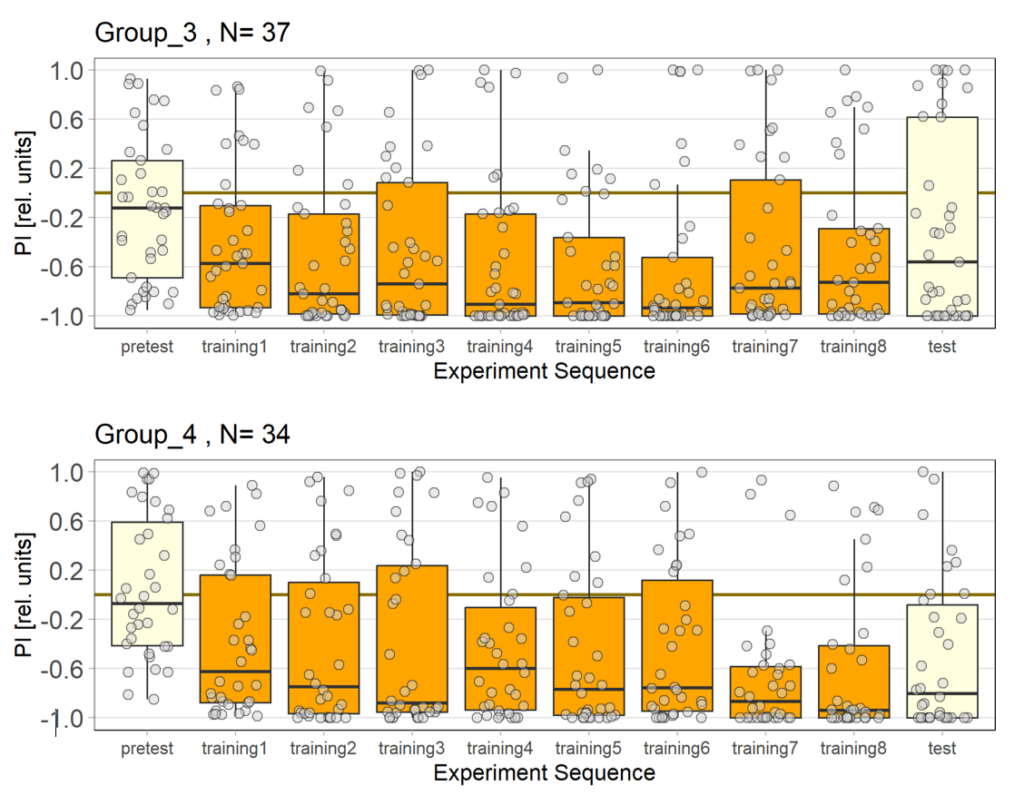
To differentiate the effects on learning behaviour of G1 flies that experienced stress but their parents have not been stressed (group 1), G1 flies whose parents have been stressed and also experienced stress themselves (group 2), G1 flies that have never experienced stress wether their parents nor themselves (group 3) and G1 flies whose parents have been stressed but they haven´t experienced stress (group 4), following steps were taken.
For the ATR treatment, on day 13, four small vials without yeast were prepard with ATR. The collected males from the experimental and the control group, were again separated into 2 different vials each. the 4 different vials represent the following four groups:
Group_1: control group; stressed
Group_2: experimental group; stressed
Group_3: control group; not stressed (Positive control)
Group_4: experimental group; not stressed
After again 48h incubation at 25°C all 4 groups were prepared and tested in the Joystick.
Joystick experiments
The following are the pooled results of seven days of testing over the last two months.
Category: Uncategorized | No Comments
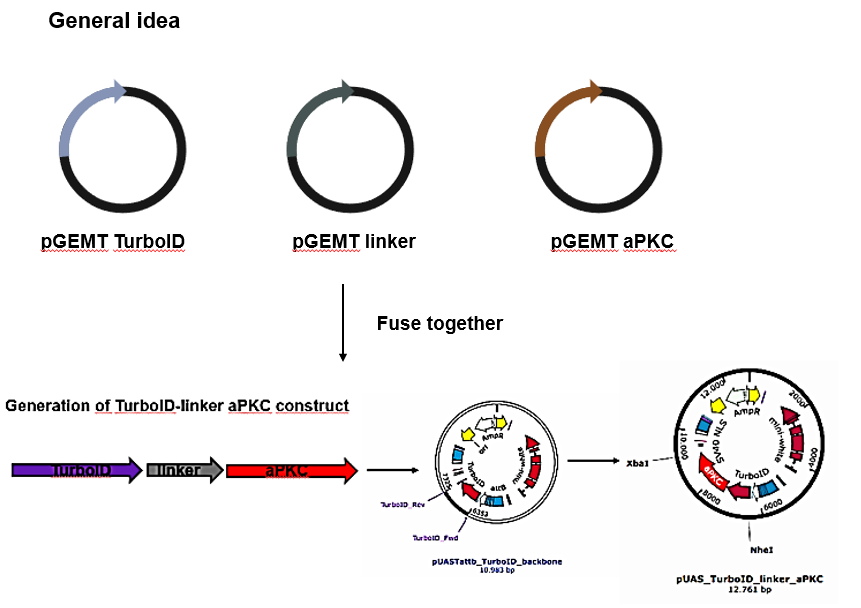
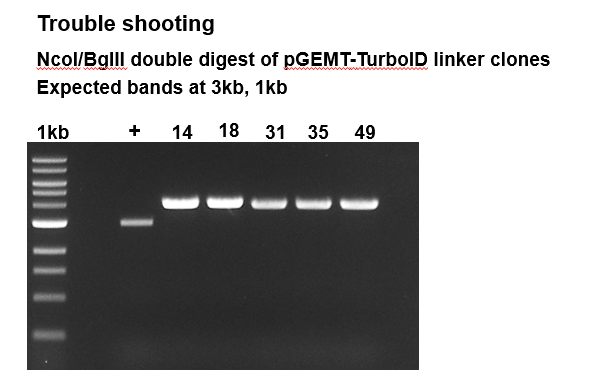
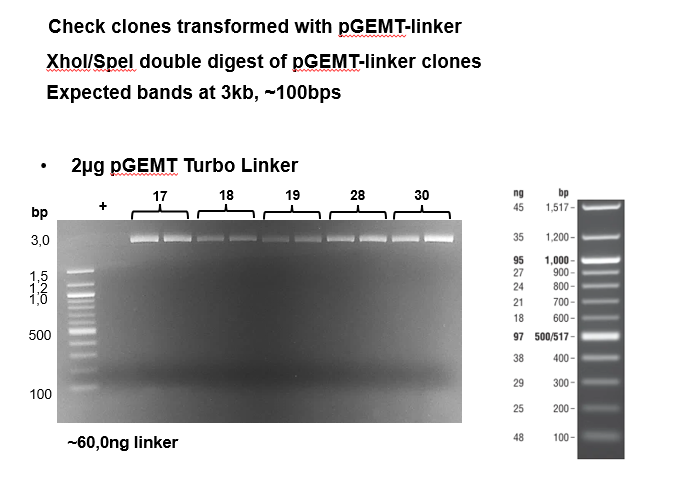
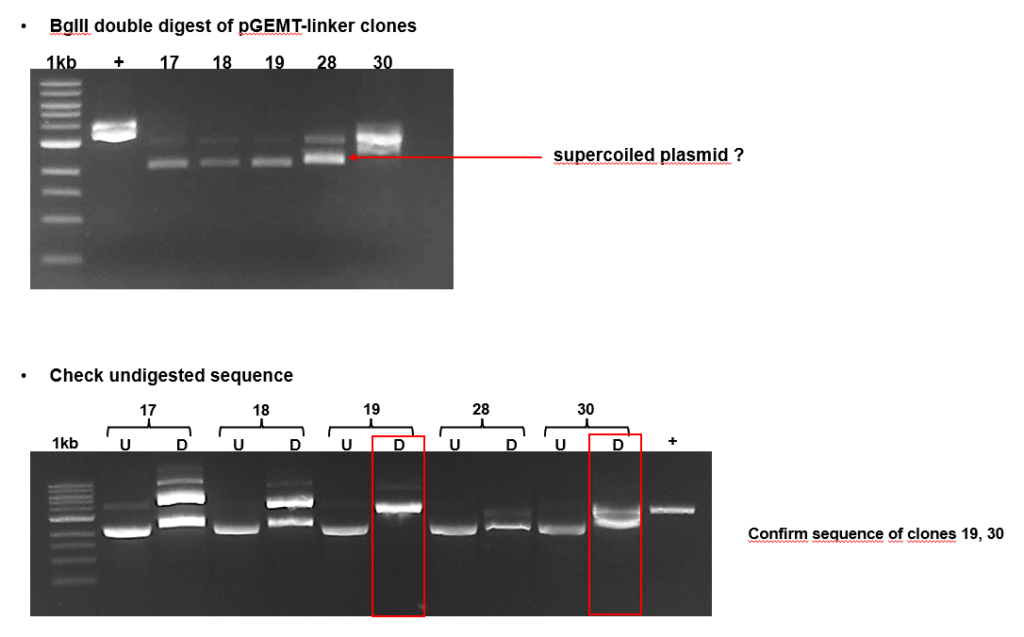
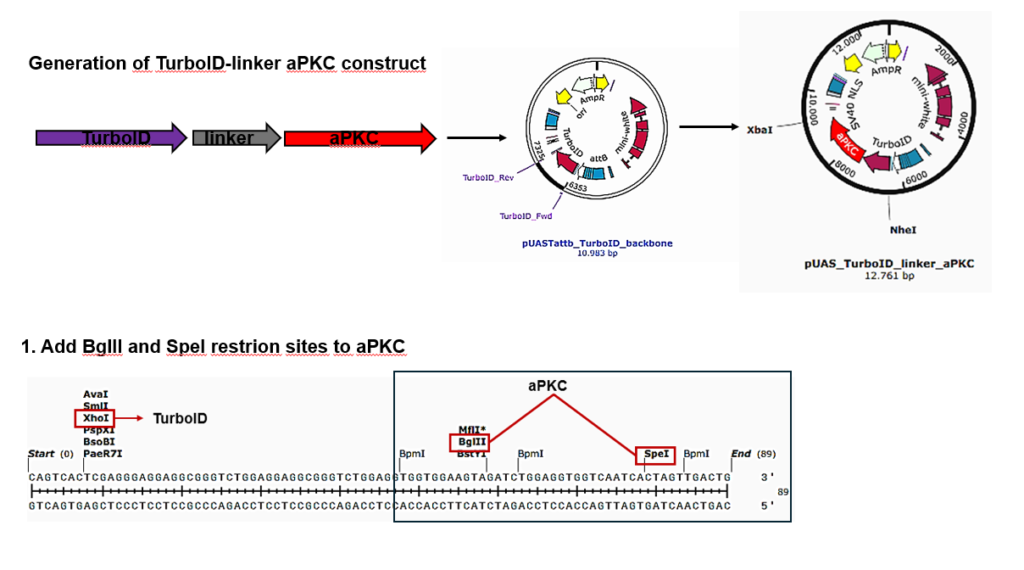
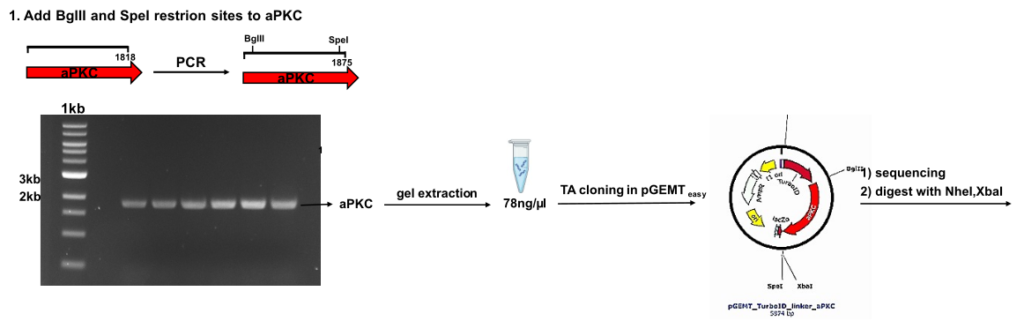
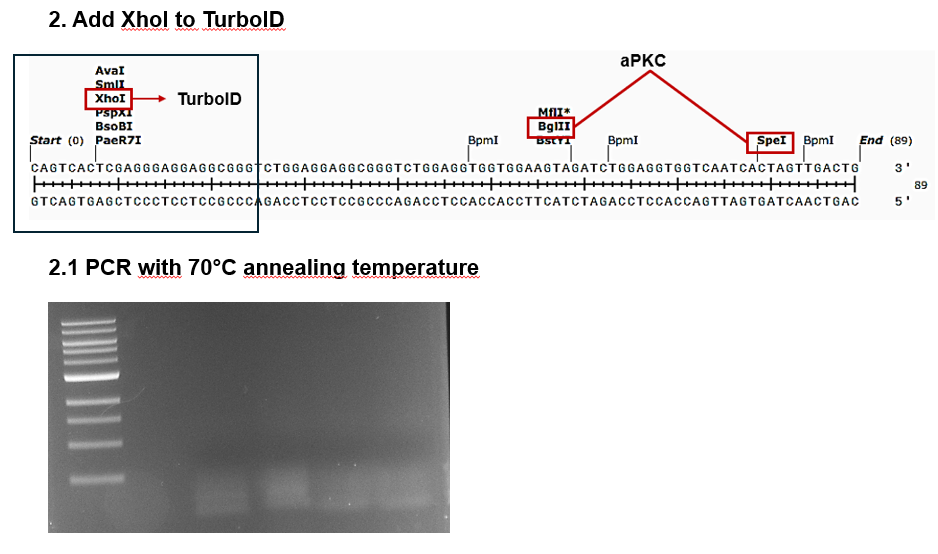
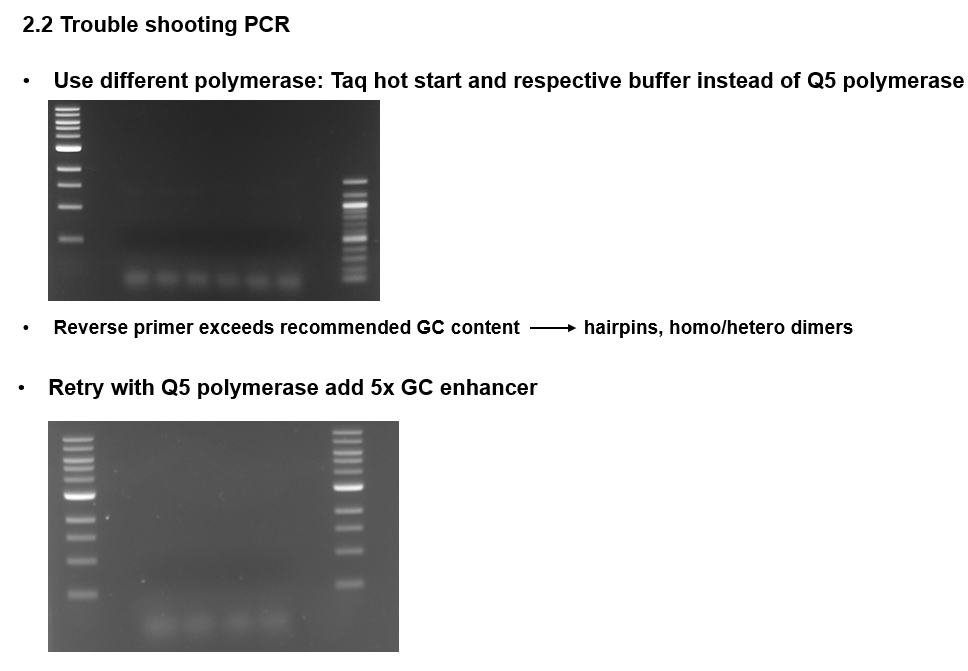
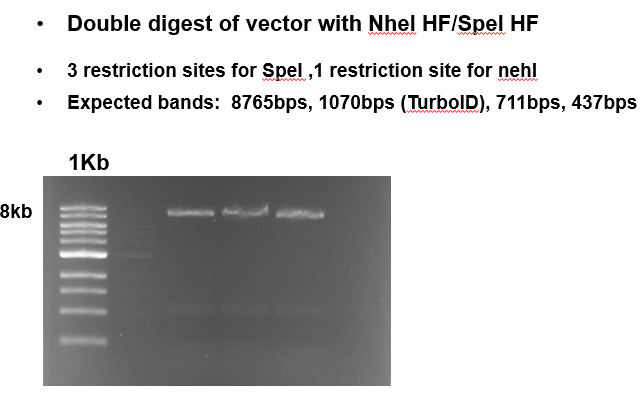
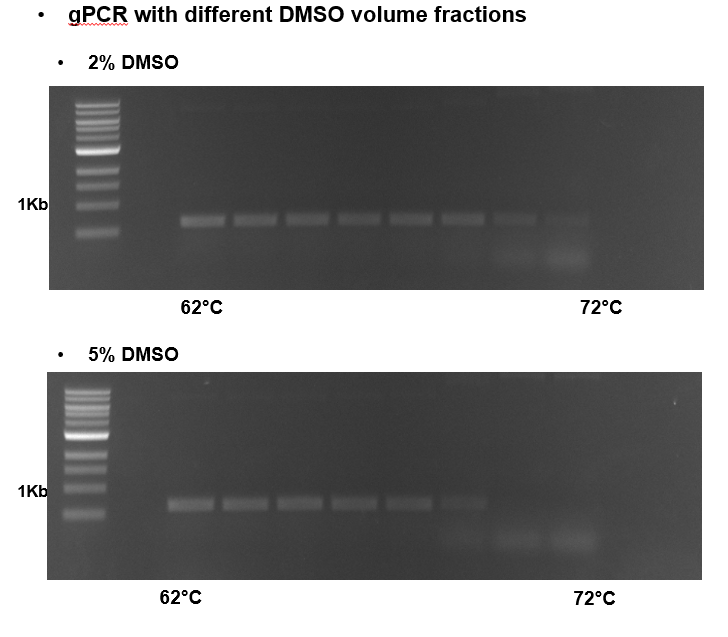
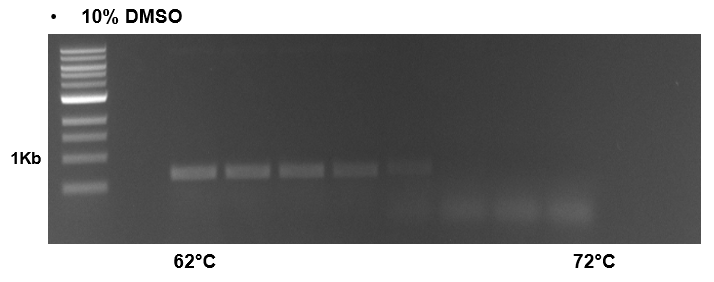
TurboID-linker aPKC construct
on Monday, March 23rd, 2026 1:05 | by Julia Schulz
Category: Uncategorized | No Comments
Another sample set of stressor `cold´
on Monday, March 23rd, 2026 10:25 | by Johanna Jäger
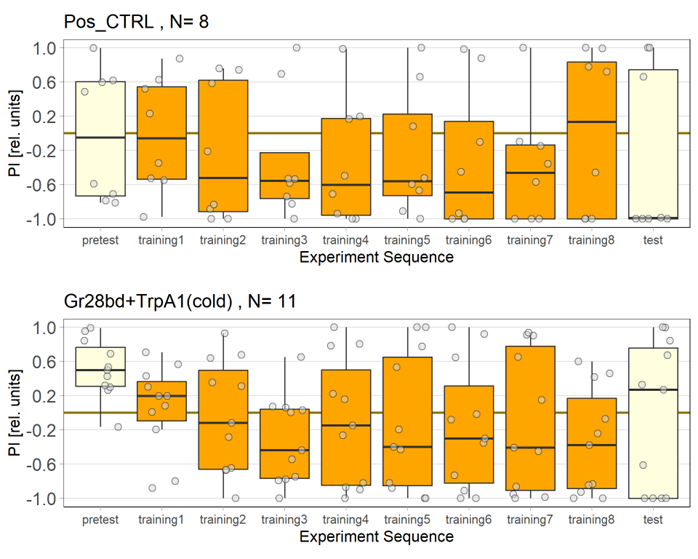
20.03.2026:
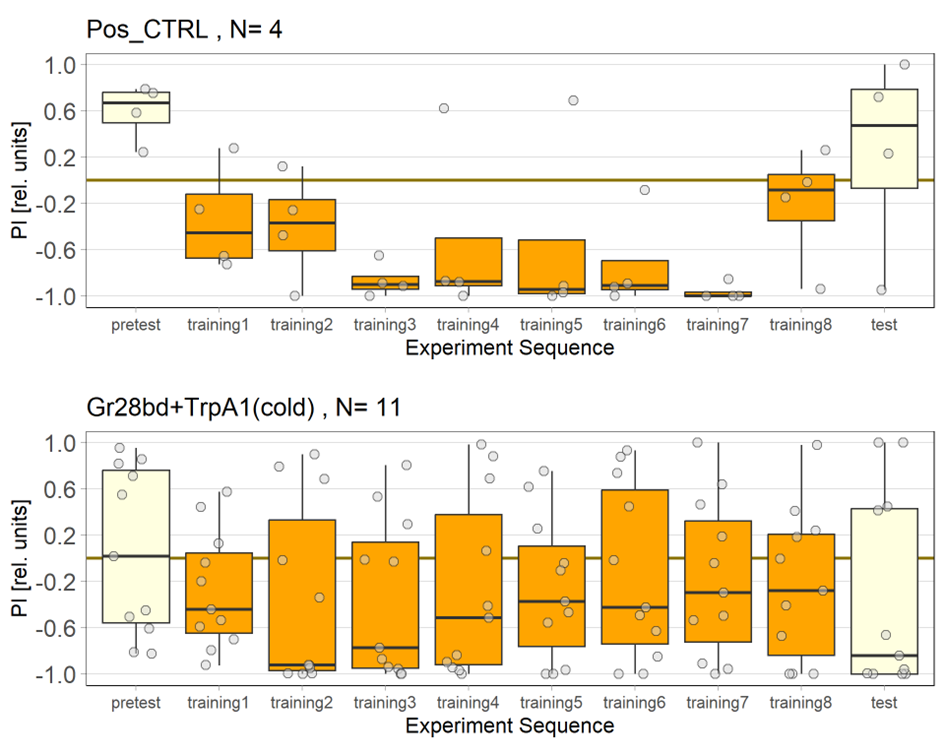
The first set (19.02.2026):
The two sets pooled:
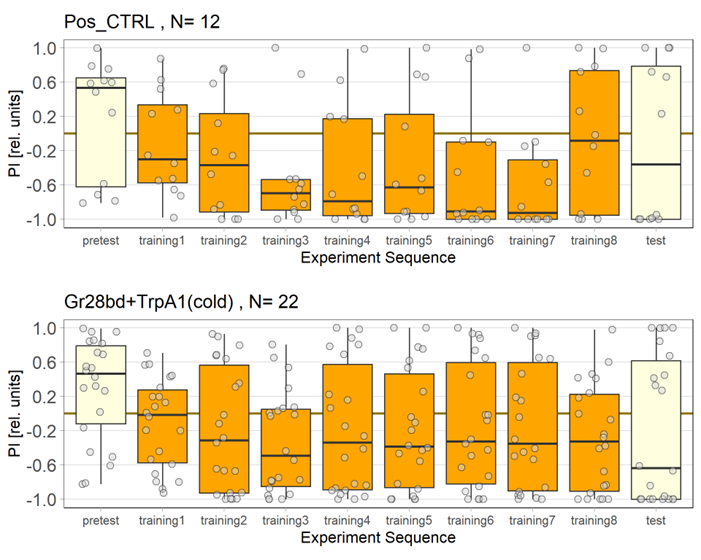
stressor: cold (18°C; 48h)
control group: Pos_CTRL
experimental group: Gr28bd+TrpA1(cold)
Category: Uncategorized | No Comments
Last stressor for pre-test: sleep deprivation
on Tuesday, March 10th, 2026 10:38 | by Johanna Jäger
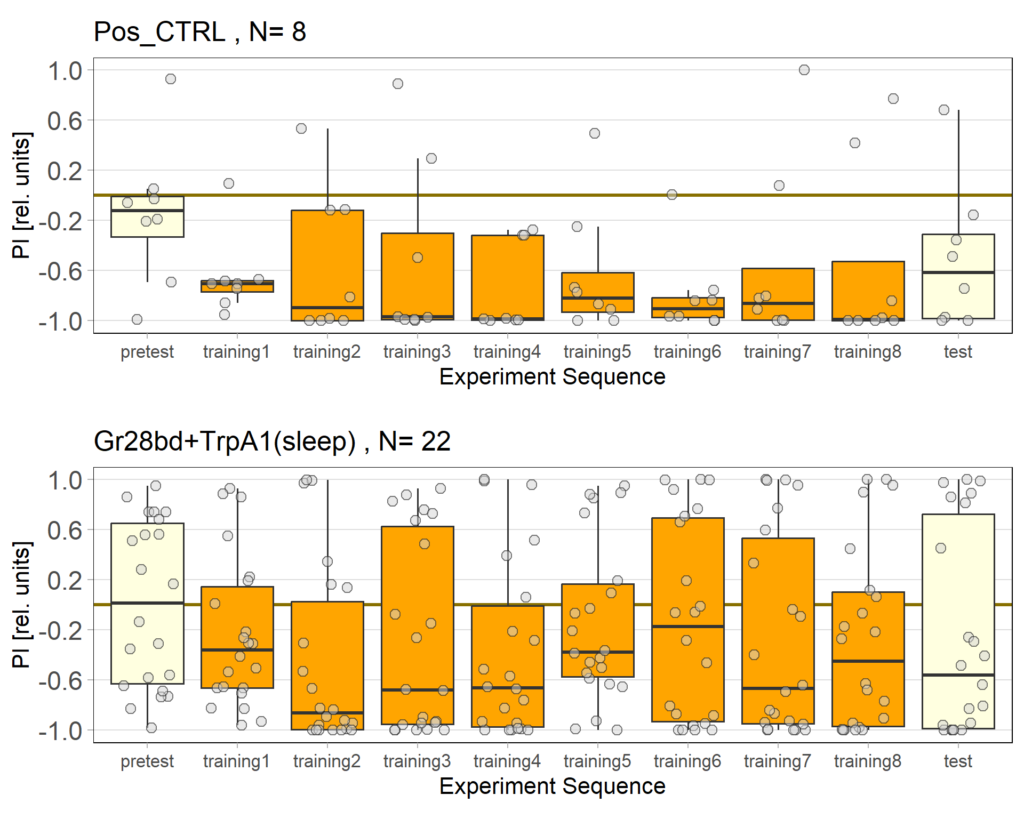
stressor: Sleep deprivation (24h, room temperature)
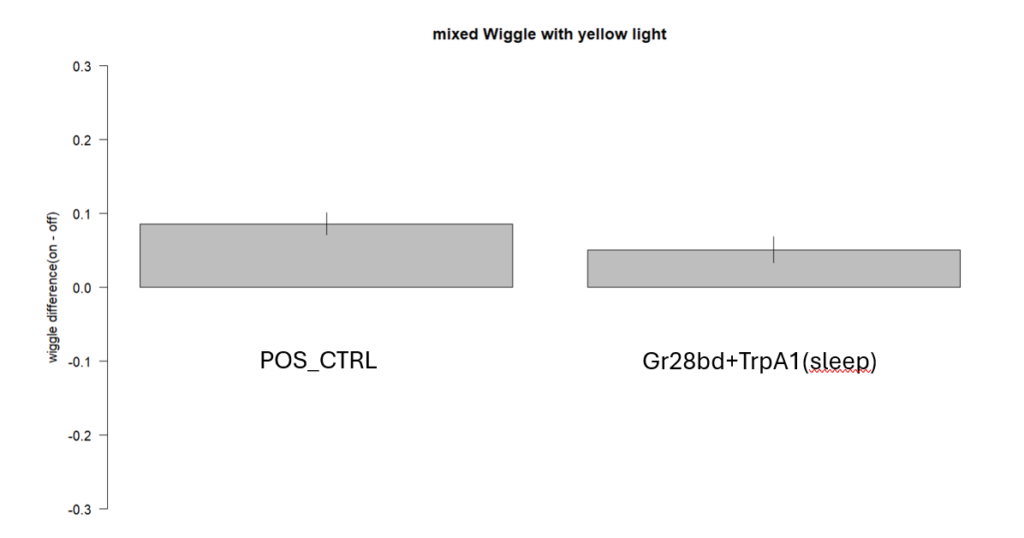
POS_CTRL: control group
Gr28bd+TrpA1(sleep): experimental group
Category: Uncategorized | No Comments