FENS abstract 2026 Ipek & Friðrik
on Monday, January 26th, 2026 12:58 | by Fridrik Kjartansson
Habit formation circuit in Drosophila Melanogaster
Fridrik Kjartansson*, Ipek Subay*, Radostina Lyutova, Björn Brembs
University of Regensburg, Zoology – Neurogenetics, Regensburg, Germany
*These authors contributed equally.
Classical learning forms association between a novel external stimulus and a
consequence of innate value. Conversely, operant learning associates animals
own behavior to such consequences; eventually habits form which ensure fast
and efficient behaviors. These forms of learning can reciprocally interact with
each other, with classical learning prioritized. A previous study from our group
demonstrated a scenario where in the case of two types of learning paradigms
introduced simultaneously in Drosophila, the classical stimulus was dominant.
However, when the training period was doubled, learning shifted to operant,
allowing habit formation in flies. Moreover, when the prominent associative
learning center, Mushroom Bodies (MB), are genetically silenced, extended
training becomes unnecessary and flies show premature habit formation.
Another study screened Mushroom Body Output Neurons (MBONs), which relay
signals from the MB and found that silencing MBON-02 specifically results in
premature habit formation suggesting MBON-02 acts as final integration center
for the selection between learning types. In this study, we utilize the power of
trans-tango and retro-tango techniques to identify the synaptic partners of
MBON-02 along with validating our results with existing connectomics datasets to
map the whole circuit that regulates the switch between these two types of
associative learning. Through behavioral testing using tethered flight, we will also
narrow down which types of MB cells, called Kenyon cells (KC) , are necessary for
the dominance of classical stimuli in such trials; furthermore, we’ll target
dopaminergic PAM neurons which form feedback loops with MBONs and KC to
elucidate their involvement.

Category: Habit formation, Operant learning, retro-tango, trans-tango | No Comments
Retro-tango confocal images and Torquemeter practice results
on Monday, January 26th, 2026 12:43 | by Ipek Subay
Retro-tango:
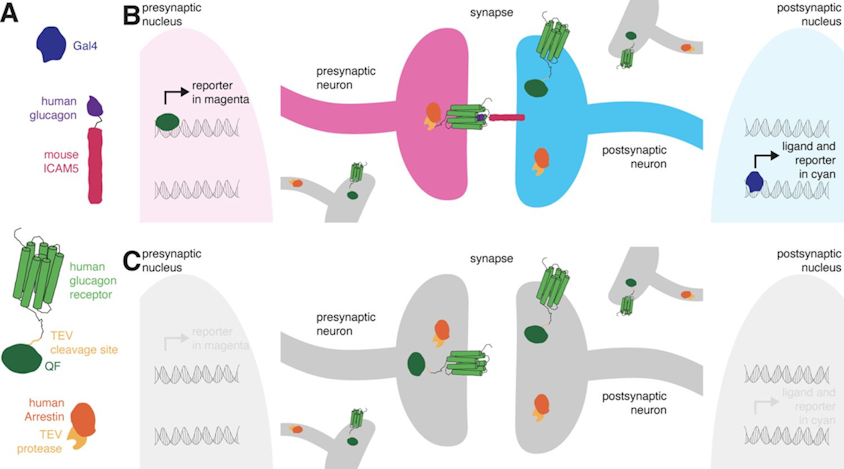
(2023) retro-Tango enables versatile retrograde circuit tracing in Drosophila eLife 12:e85041. https://doi.org/10.7554/eLife.85041
Retro-tango genotype: y[1] w[*] P{y[+t7.7] w[+mC]=QUAS-mtdTomato-3xHA.S}su(Hw)attP8; P{y[+t7.7] w[+mC]=retro-Tango(panneuronal)}attP40/SM6b; P{y[+t7.7] w[+mC]=10xUAS-retro-Tango(ligand)-P2A-EGFP-F}attP2
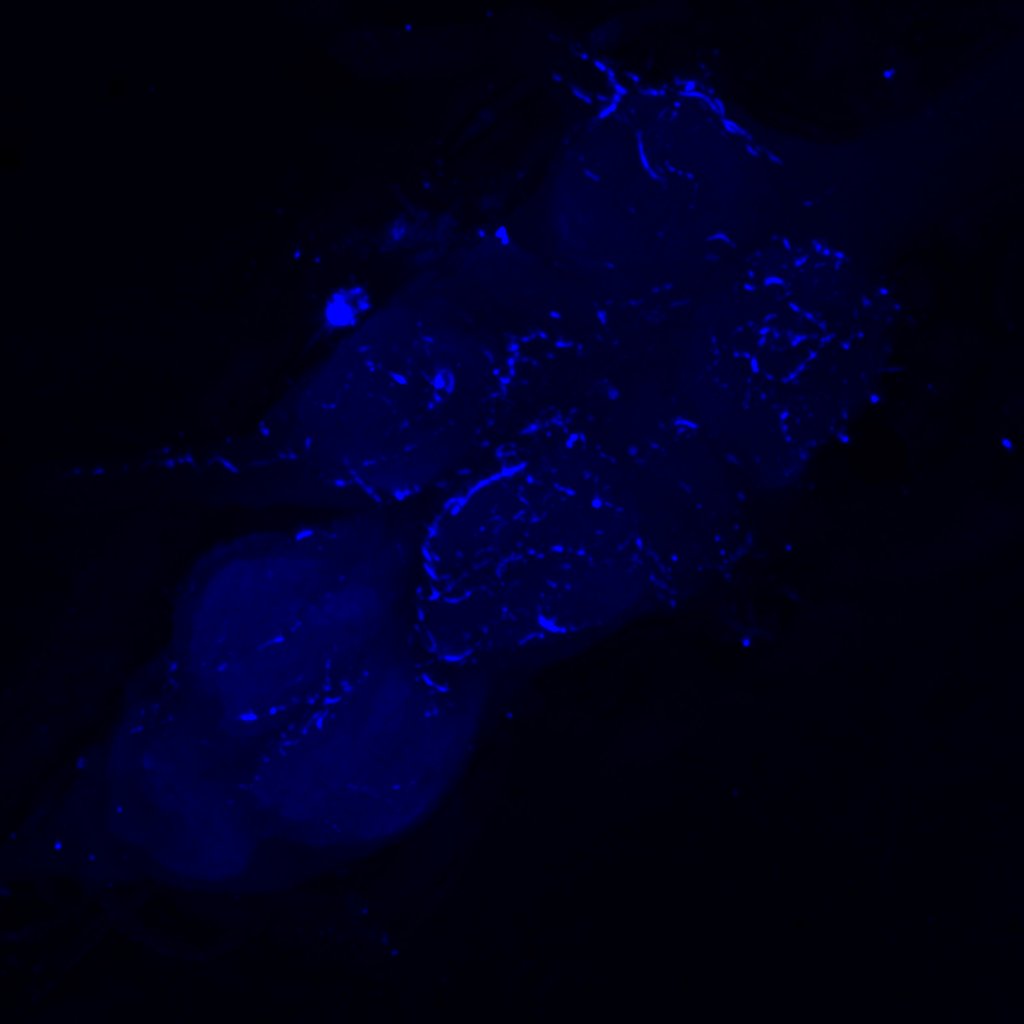
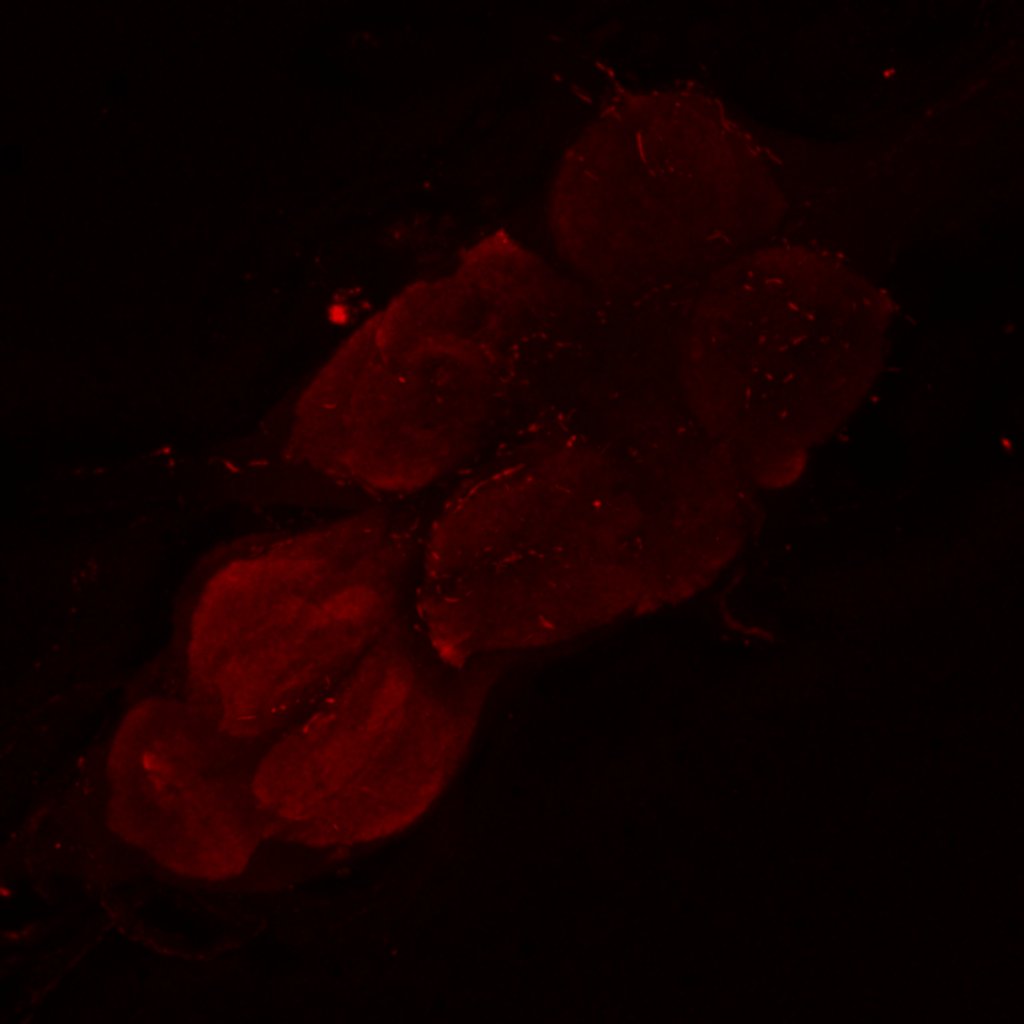
Crossed with IS69306 (BDSC 601295 and 75552) split-Gal4 driver to express in b1 motor neurons. CNSs stained with anti-GFP Rabbit, (2nd ab: goat anti-rabbit 488), anti-HA Rat (2nd ab: goat anti-rat 555), nc82 (2nd ab: goat anti-mouse 647)
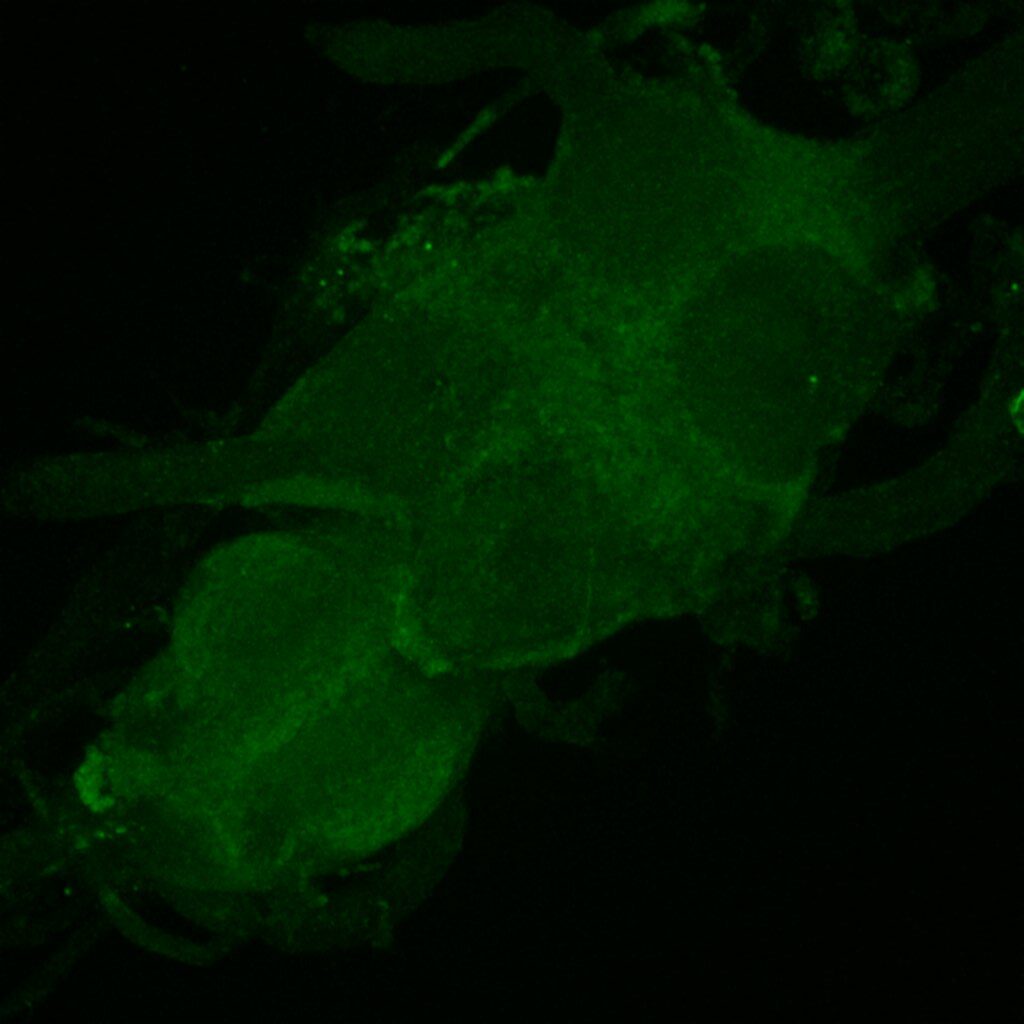
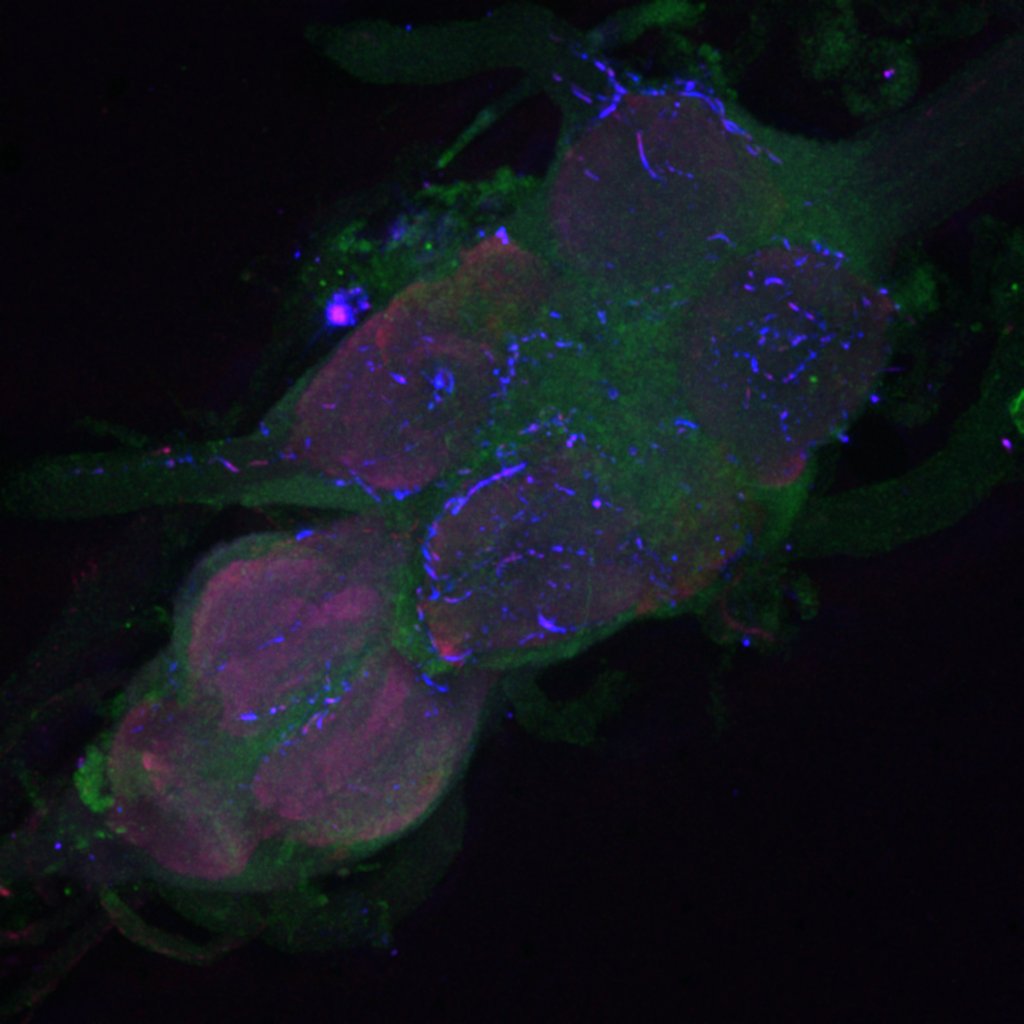
Channel 1 (Green: Laser Line ( 496 nm) Intensity: 23.99%) Spectral Positions/Gain/Offset: (501nm – 556nm) / 865.7 / -0.03
Channel 2 (Blue: Laser Line ( 561 nm) Intensity: 13.10%) Spectral Positions/Gain/Offset: (566nm – 639nm) / 537.7 / 0.03
Channel 3 (Red: Laser Line ( 633 nm) Intensity: 23.99%) Spectral Positions/Gain/Offset: (644nm – 776nm) / 802.9 / -0.01
Second line retro-tango crossed with SS98650 (split-Gal4 driver line from Janelia targeting b3 motor neurons)
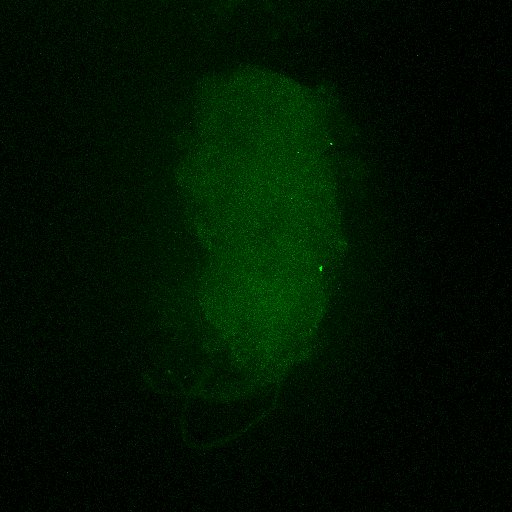
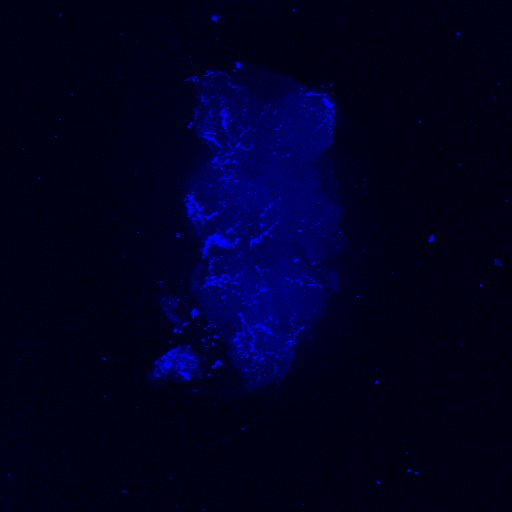
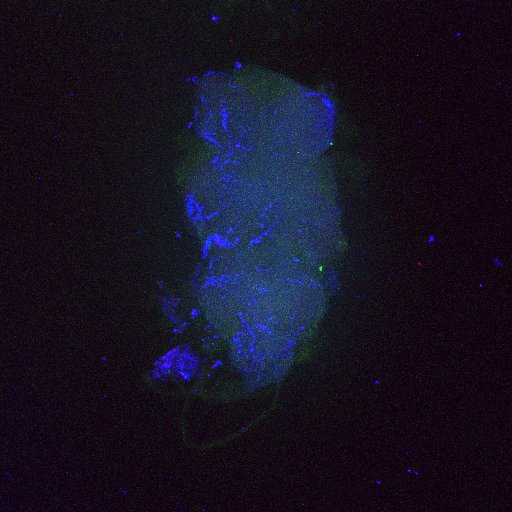
Settings are same as above
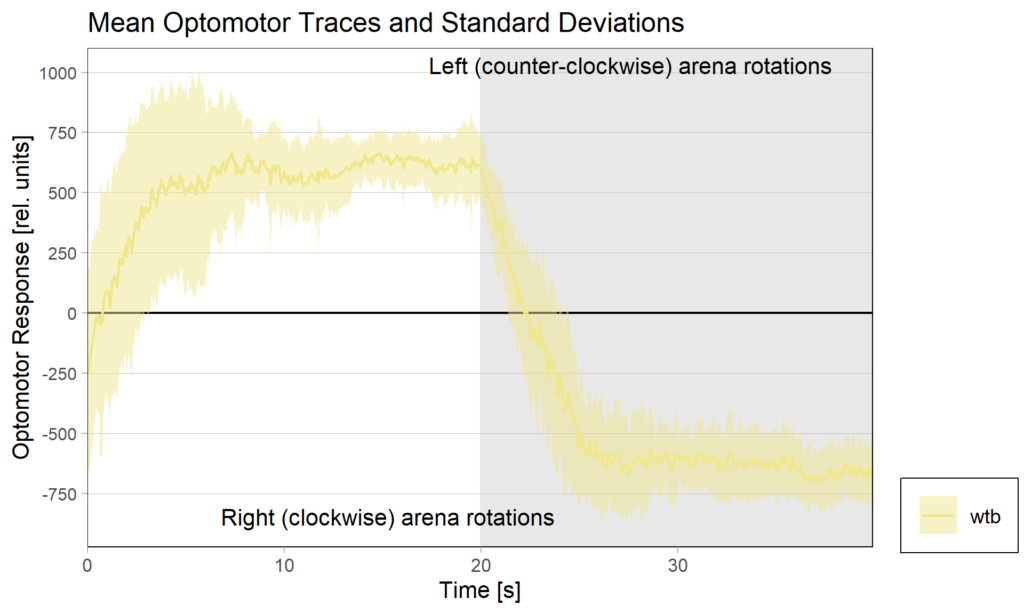
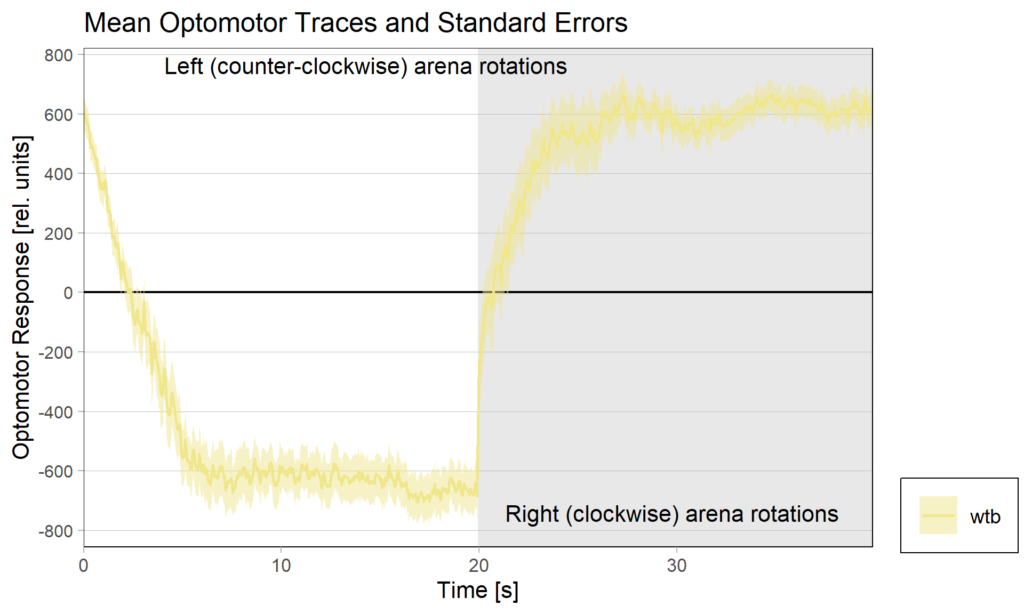
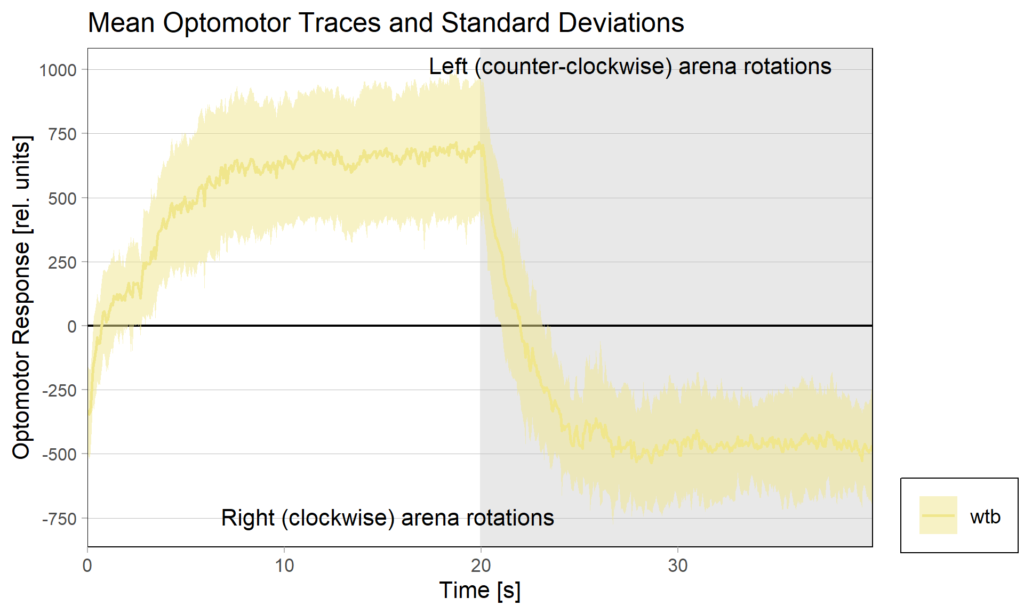
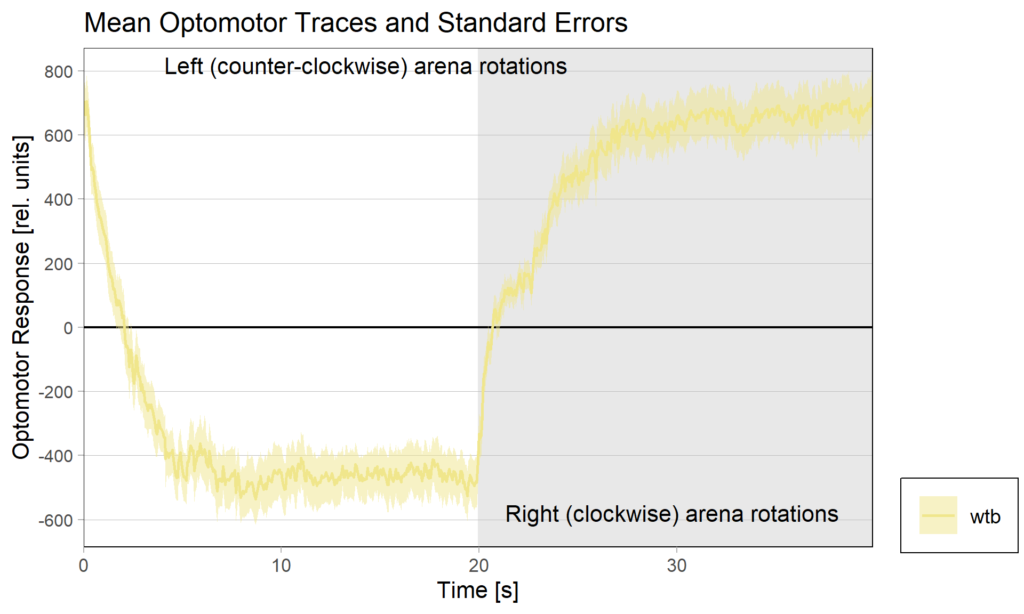
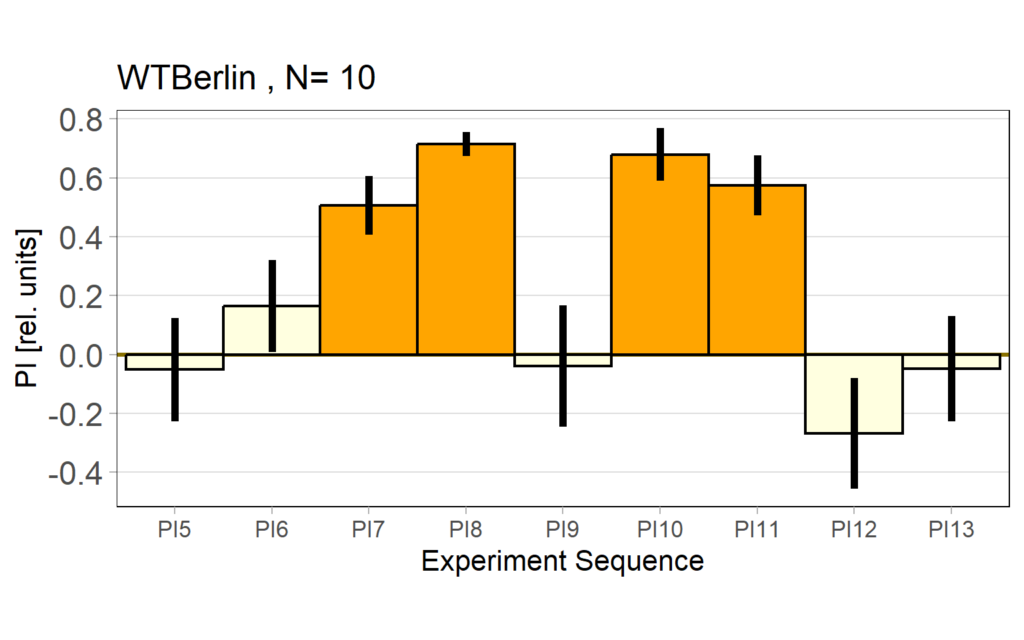
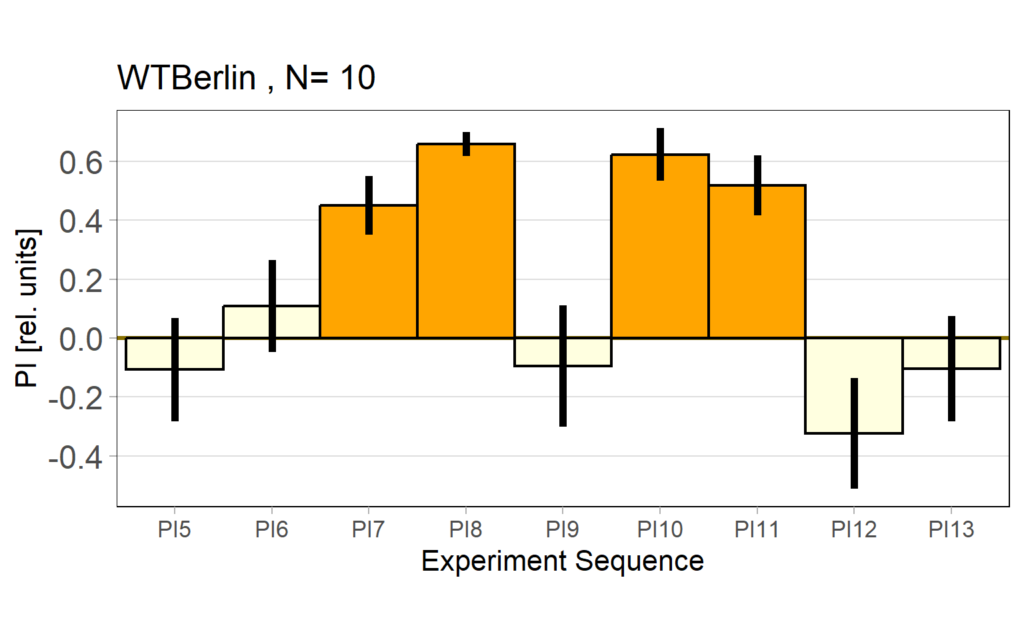
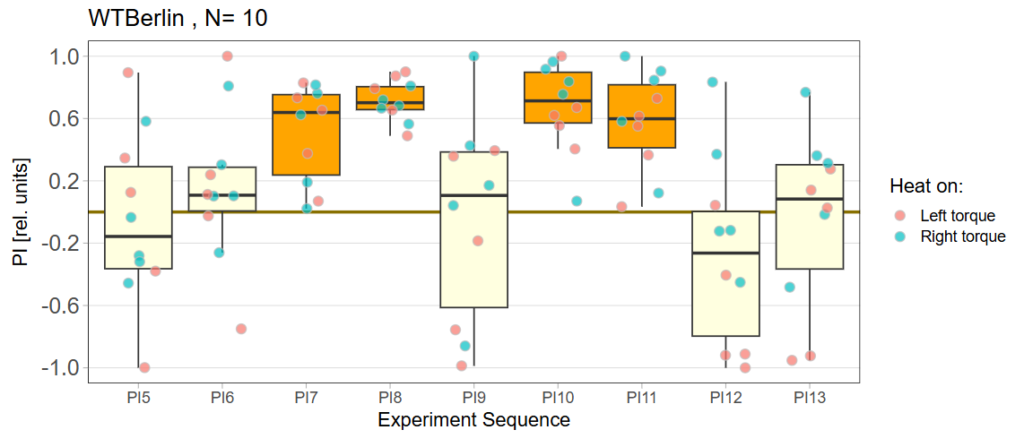
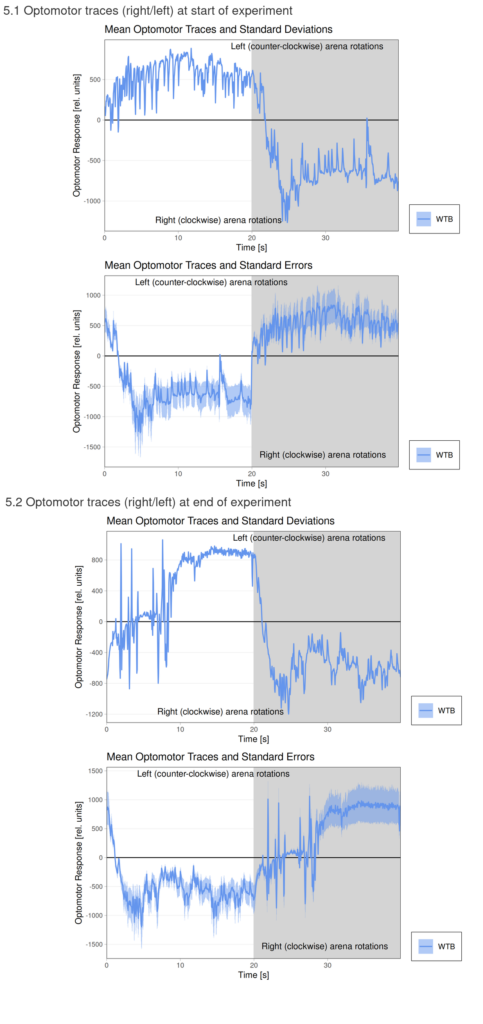
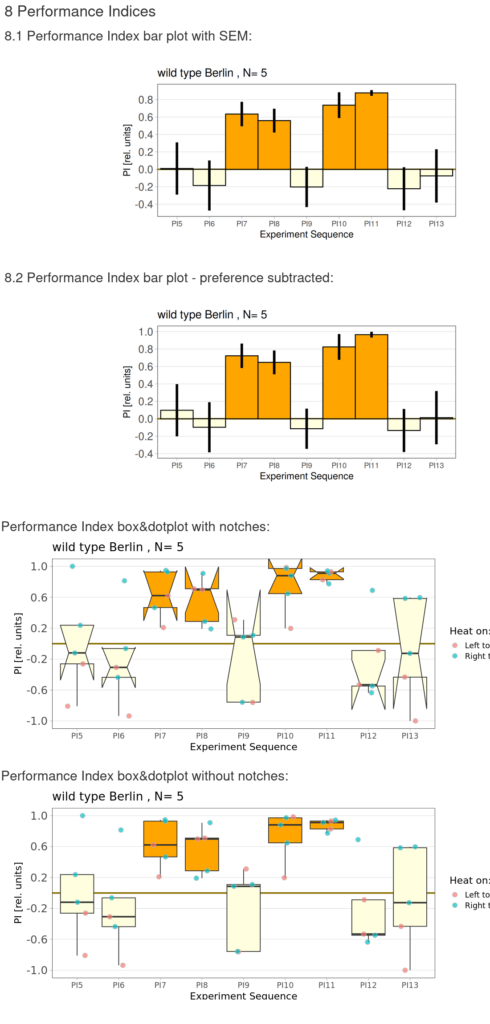
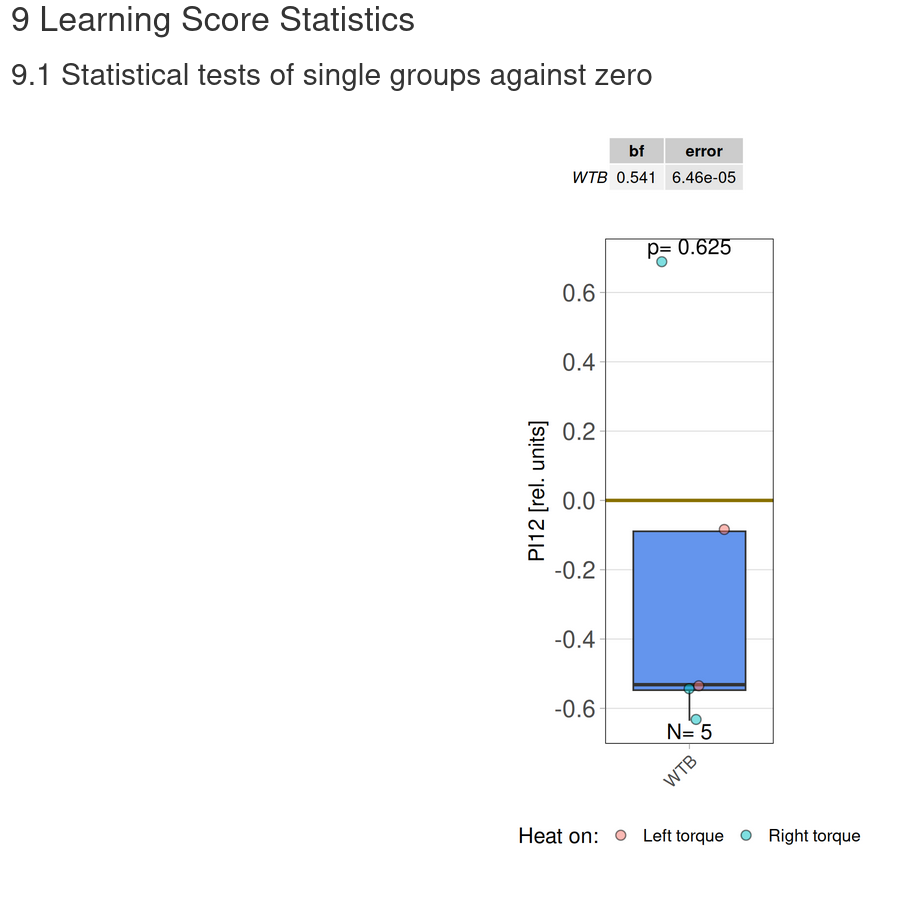
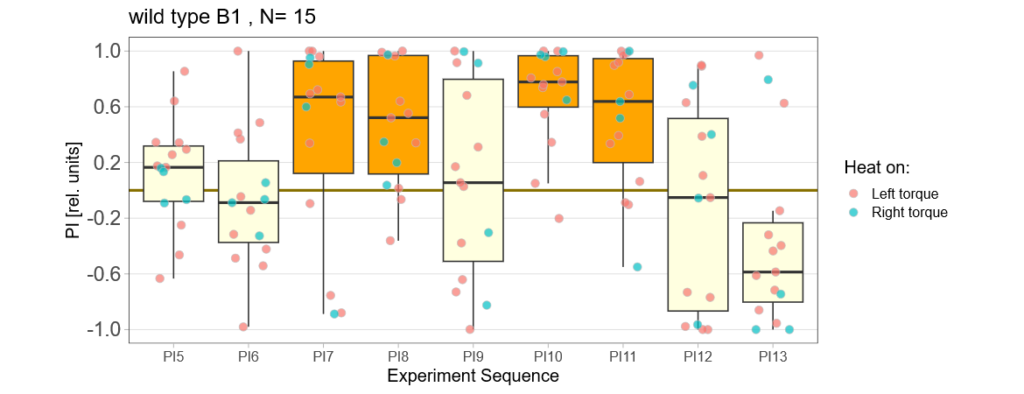
Torquemeter Practice with WTB Flies
N=10 out of 24 glued flies
Optomotor at start:
Optomotor end:
Performance index:
Performance subtracted:
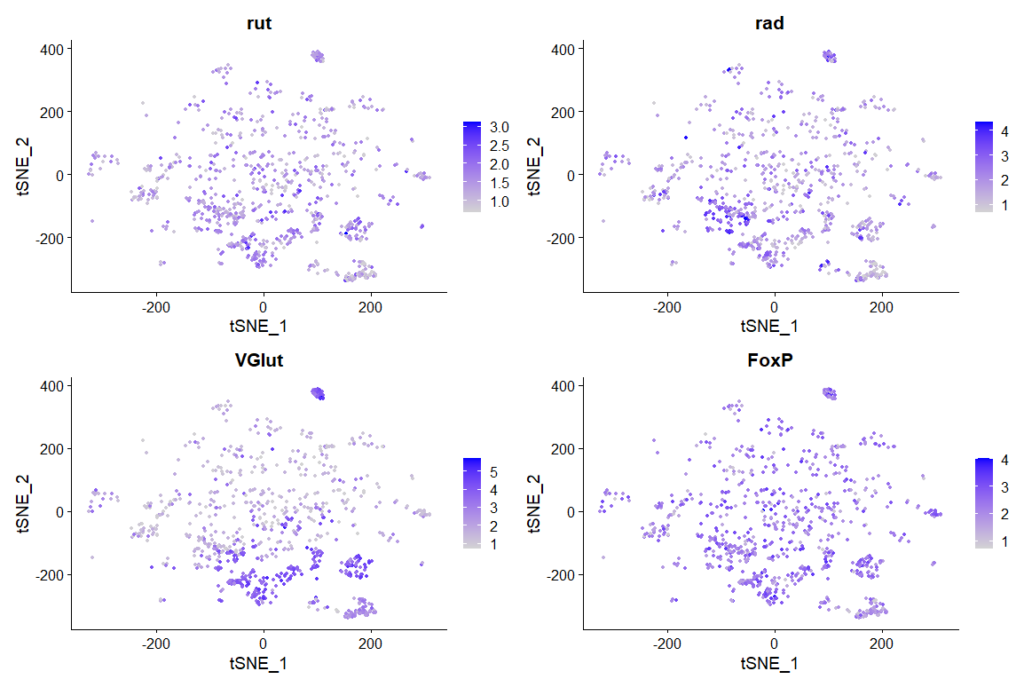
rut and rad expression in ventral nerve cord:
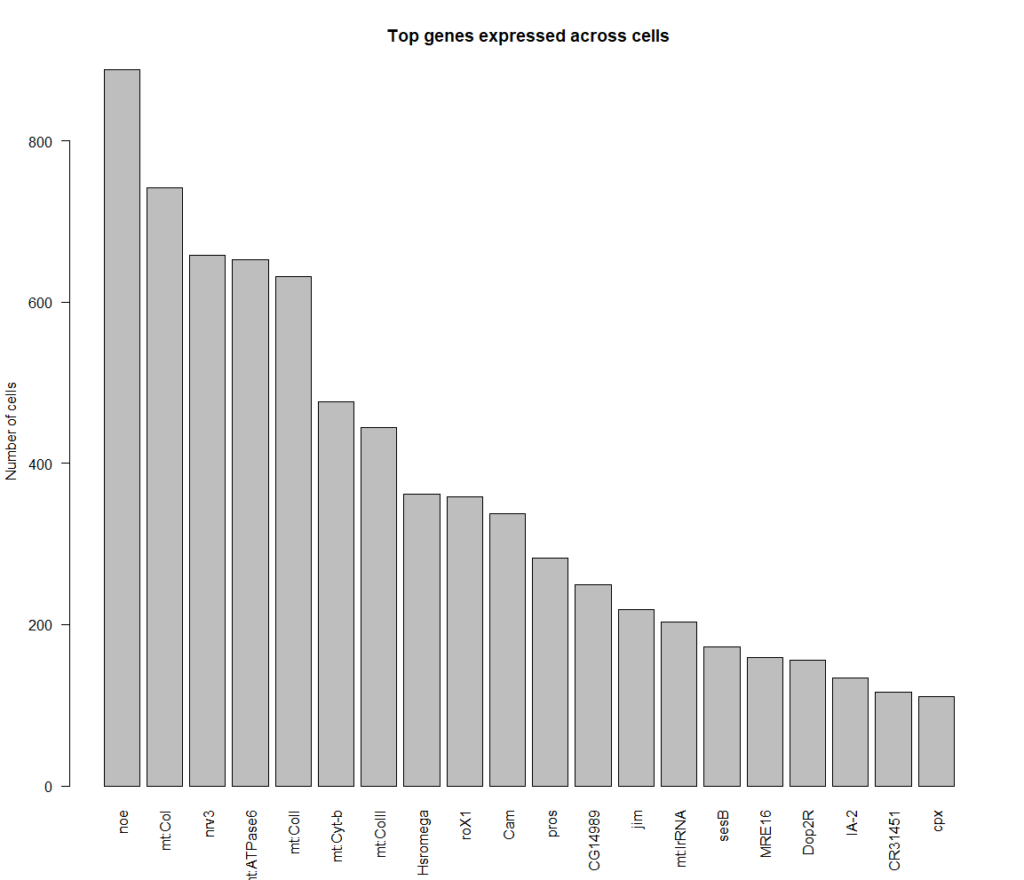
cells that express all 4 genes more than 2 fold, 889 cells in total
Top genes expressed in all of these cells:
Category: Habit formation, retro-tango | No Comments
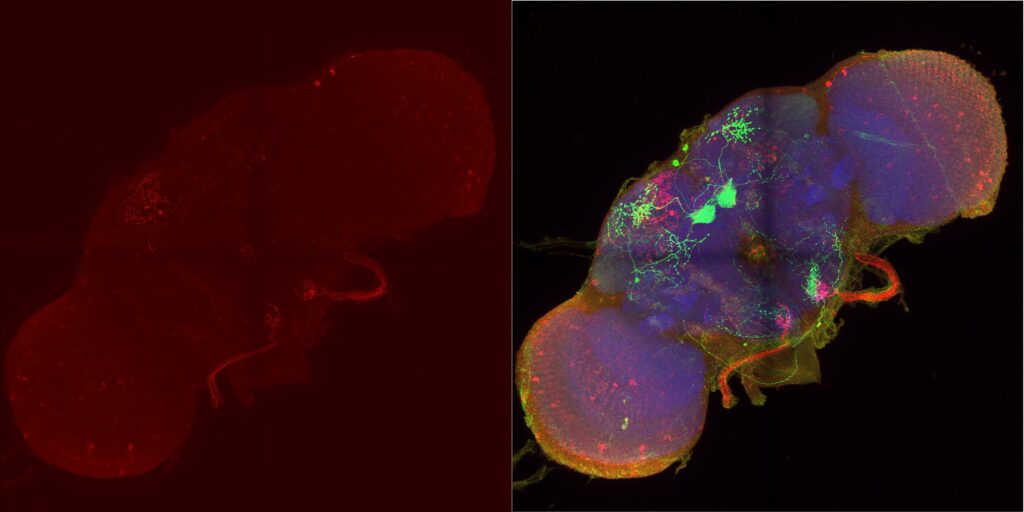
MBON02 Trans-tango images
on Monday, December 15th, 2025 12:37 | by Ipek Subay
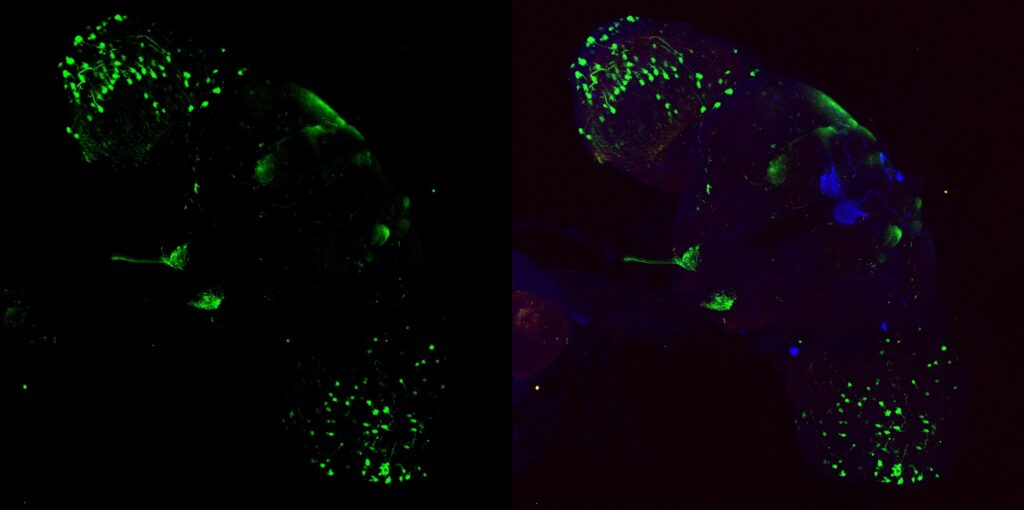
MBON02 trans-tango image from Kaun Lab. Left image shows trans-tango signal in red, right image shows overlay of all channels (green for MBON02, red for trans-tango, blue for nc82):
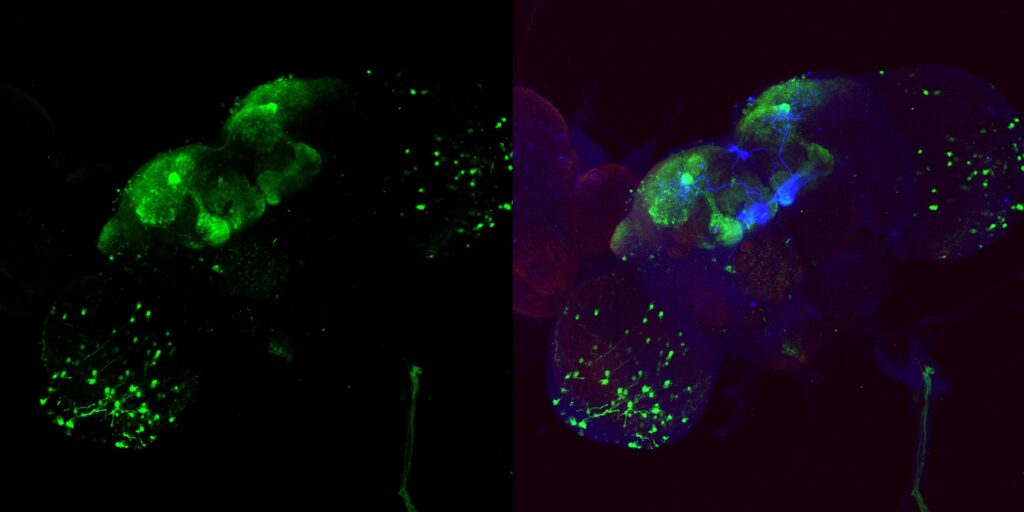
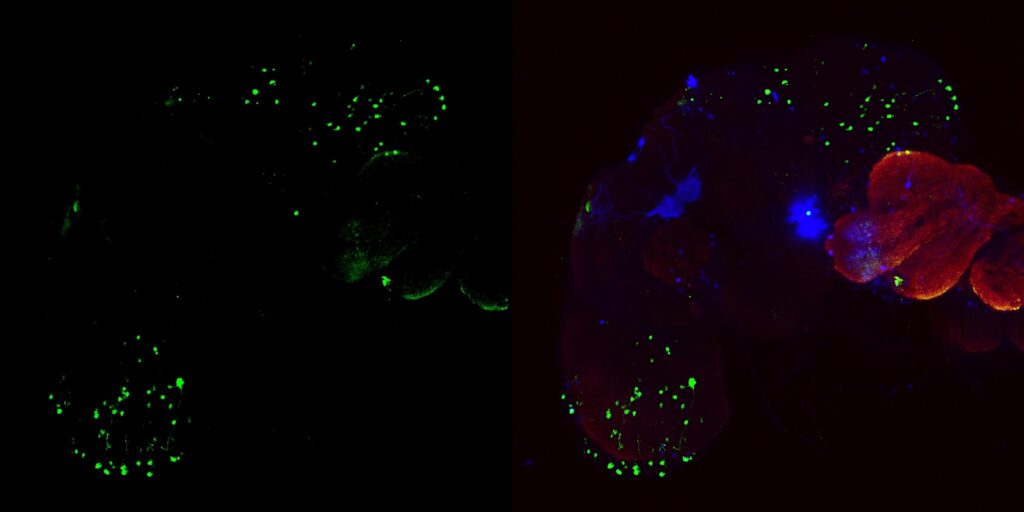
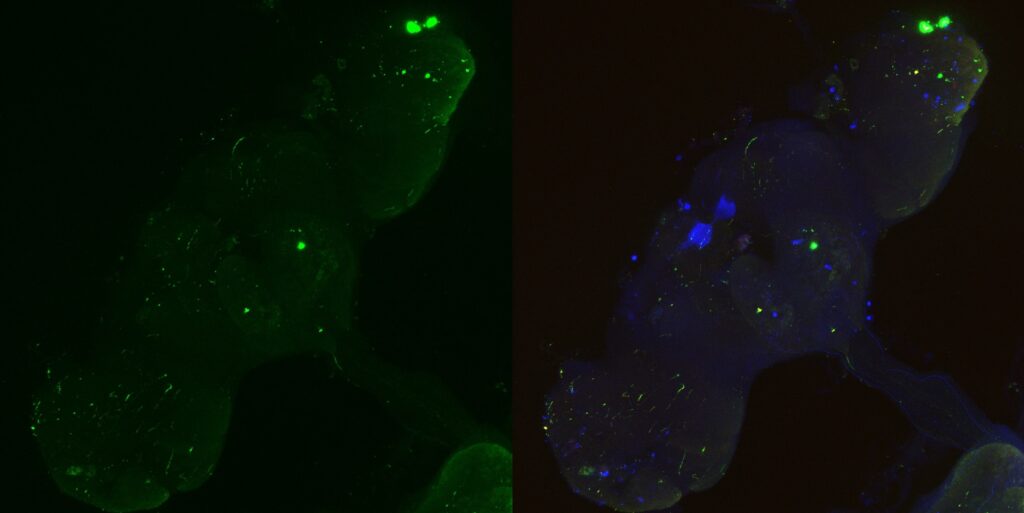
My MBON02 trans-tango images stained with anti-HA instead of anti-RFP. Flies generated by crossing trans-tango mkII line (BDSC: 95317) with MB399B (Brembslab stock number: 319). Left shows trans-tango signal in green, right shows overlay of al channels (green for trans-tango, blue for MBON02, red for nc82):
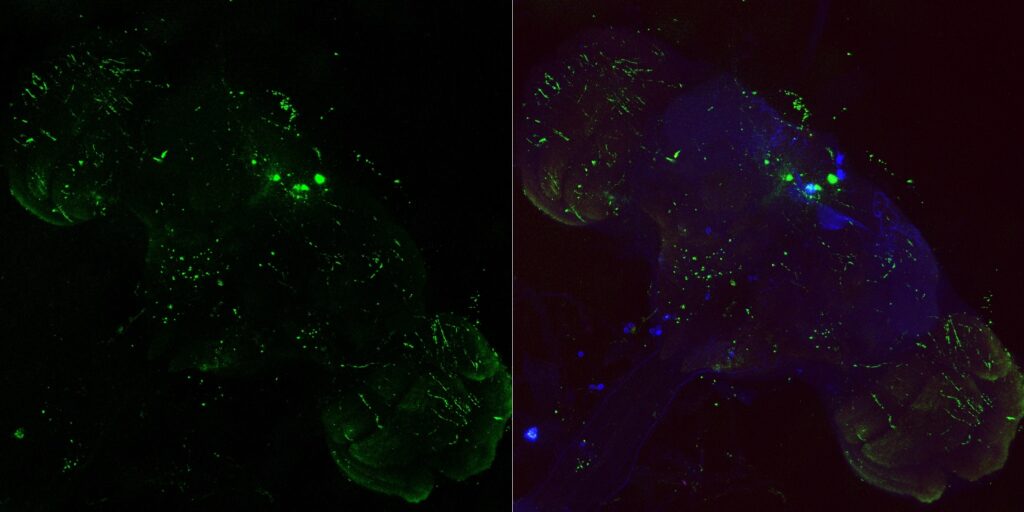
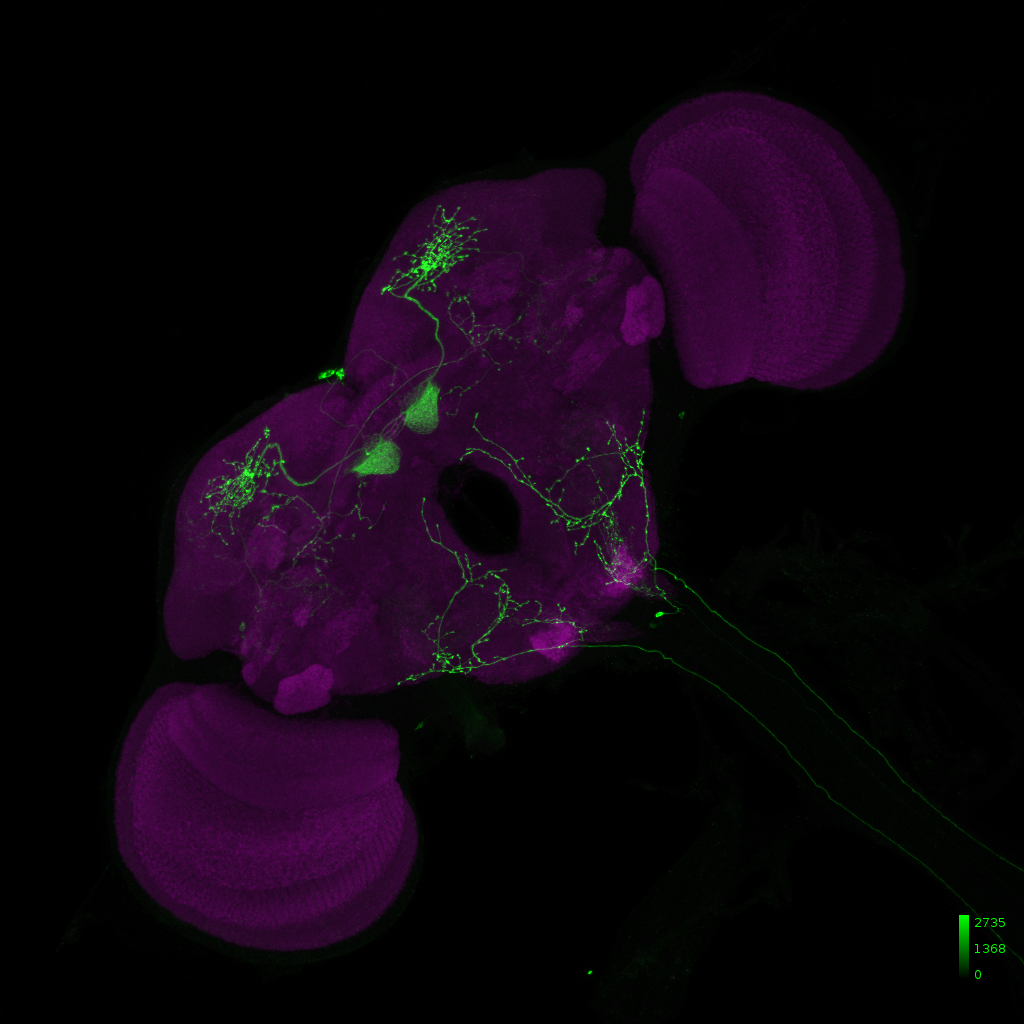
Janelia Flylight image of MB399B with 20XUAS-CsChrimson-mVenus trafficked in attP18 reporter:
Category: Habit formation, MBON, MBON, trans-tango | No Comments
Confocal Images Trans-Tango, Retro-Tango
on Monday, December 8th, 2025 12:44 | by Ipek Subay
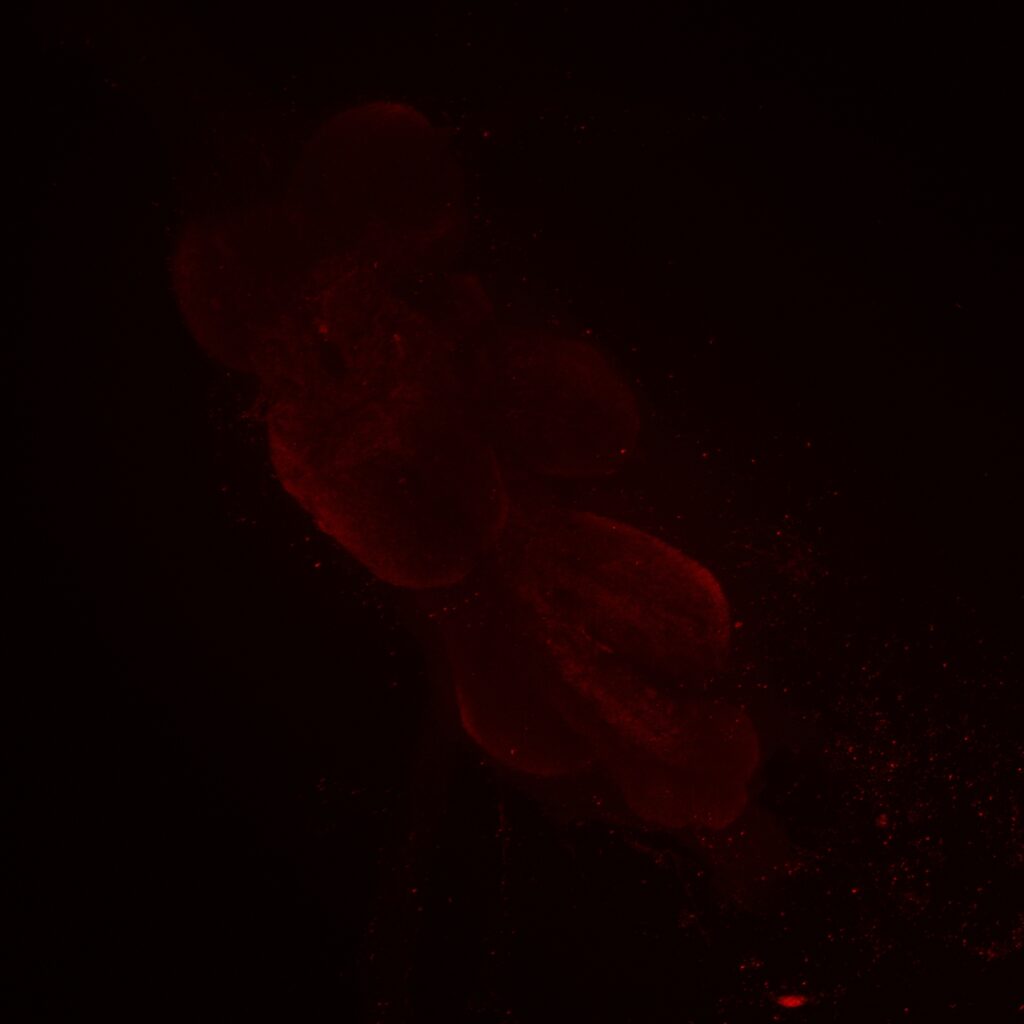
Staining done by anti-GFP (MBON02), anti-RFP (post-synaptic cells), nc82 (for background stainingm not shown here). MBON02 cells are clearly visible on green channel but there is no clear cell signal on red channel (MBON02 in green channel, postsynaptic cells in red channel).
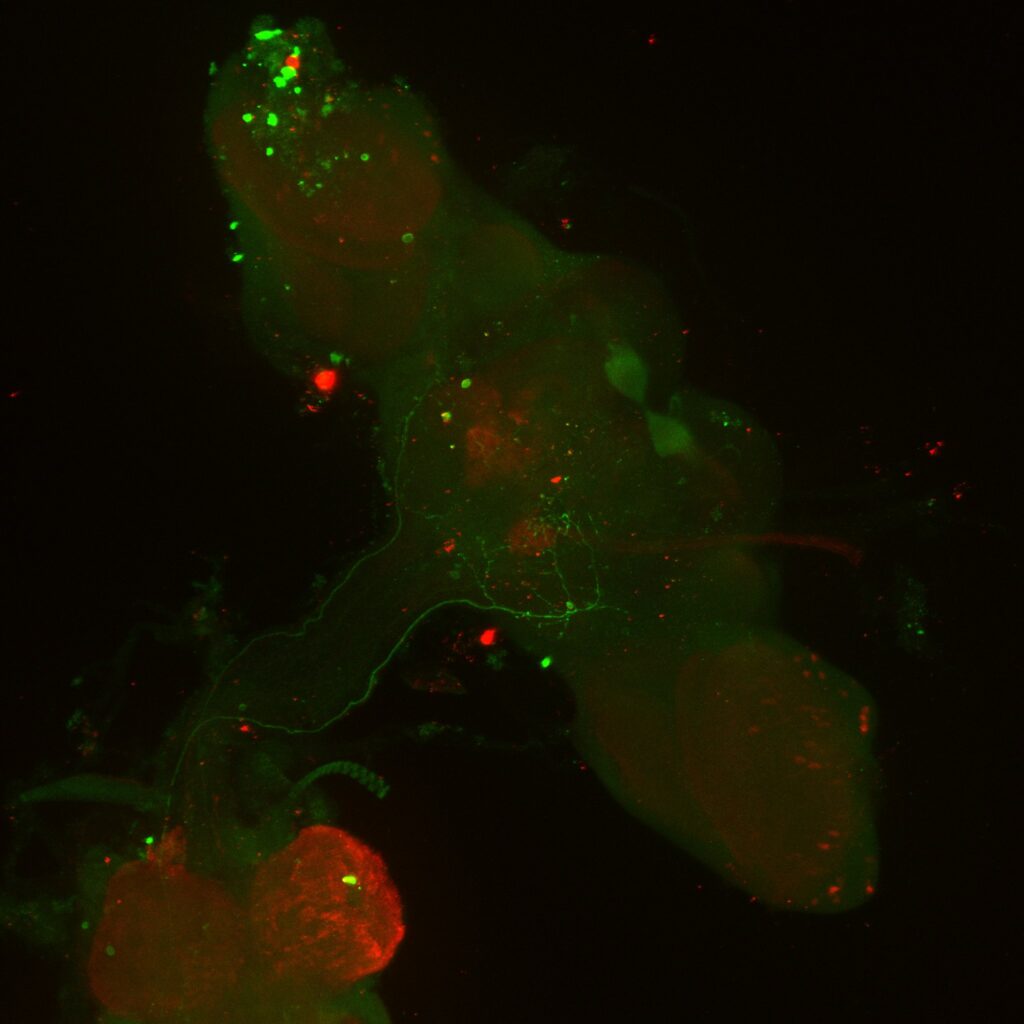
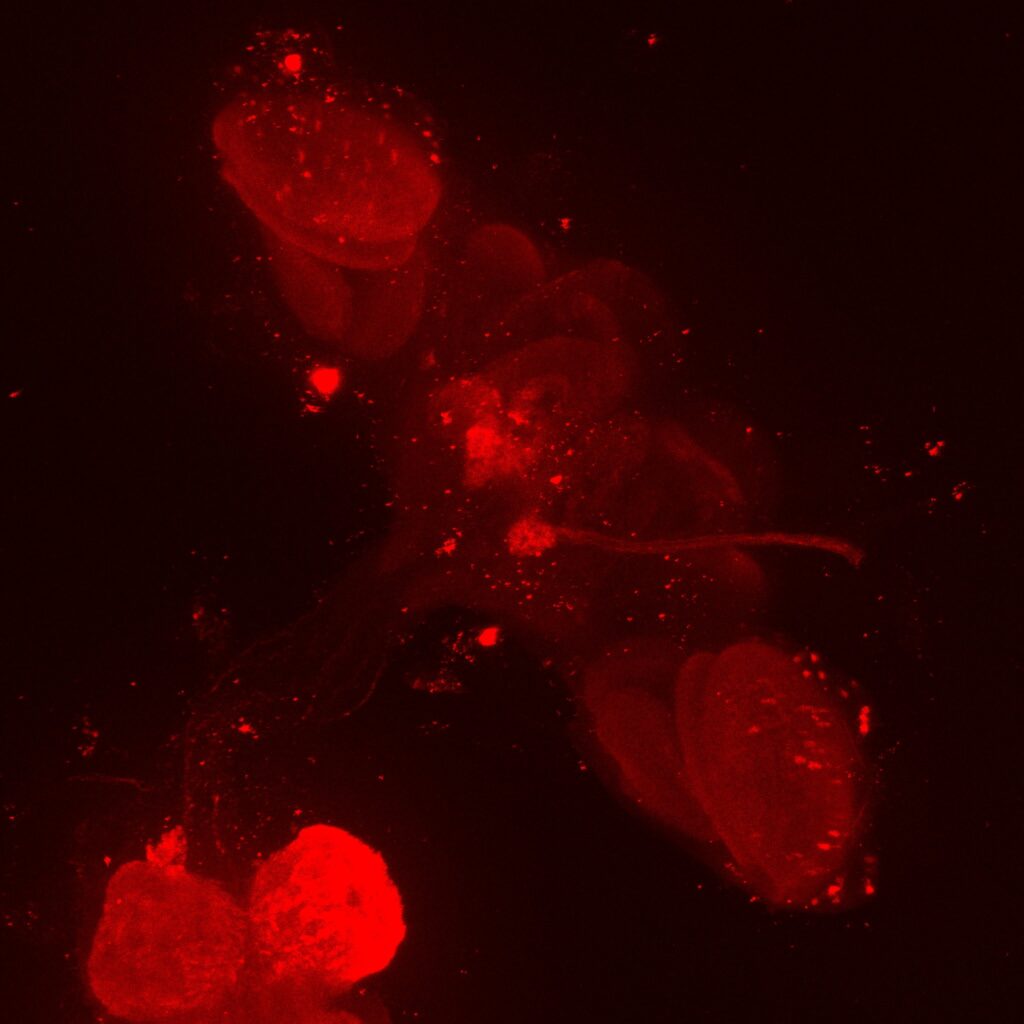
Here is the trans-tango image of MBON02 (postsynaptic cells of MBON02) from Kaun Lab:
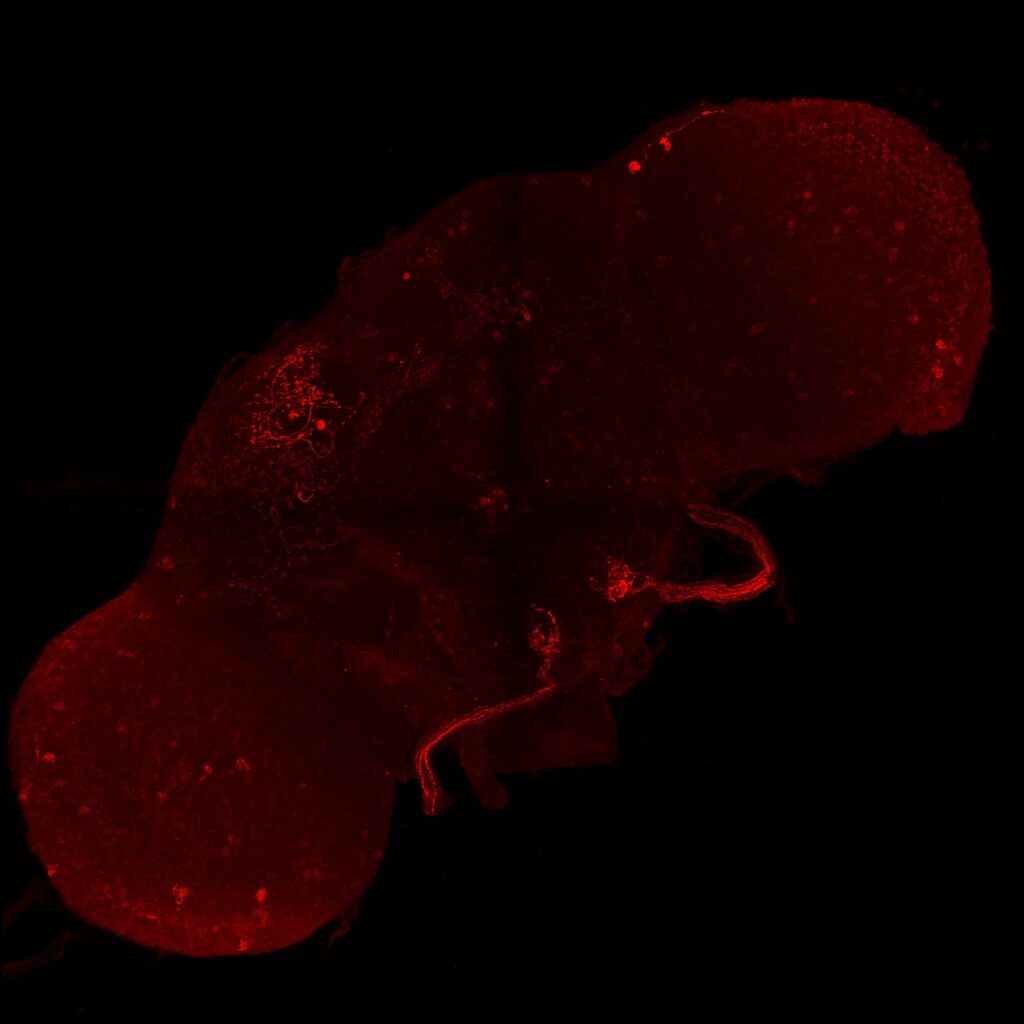
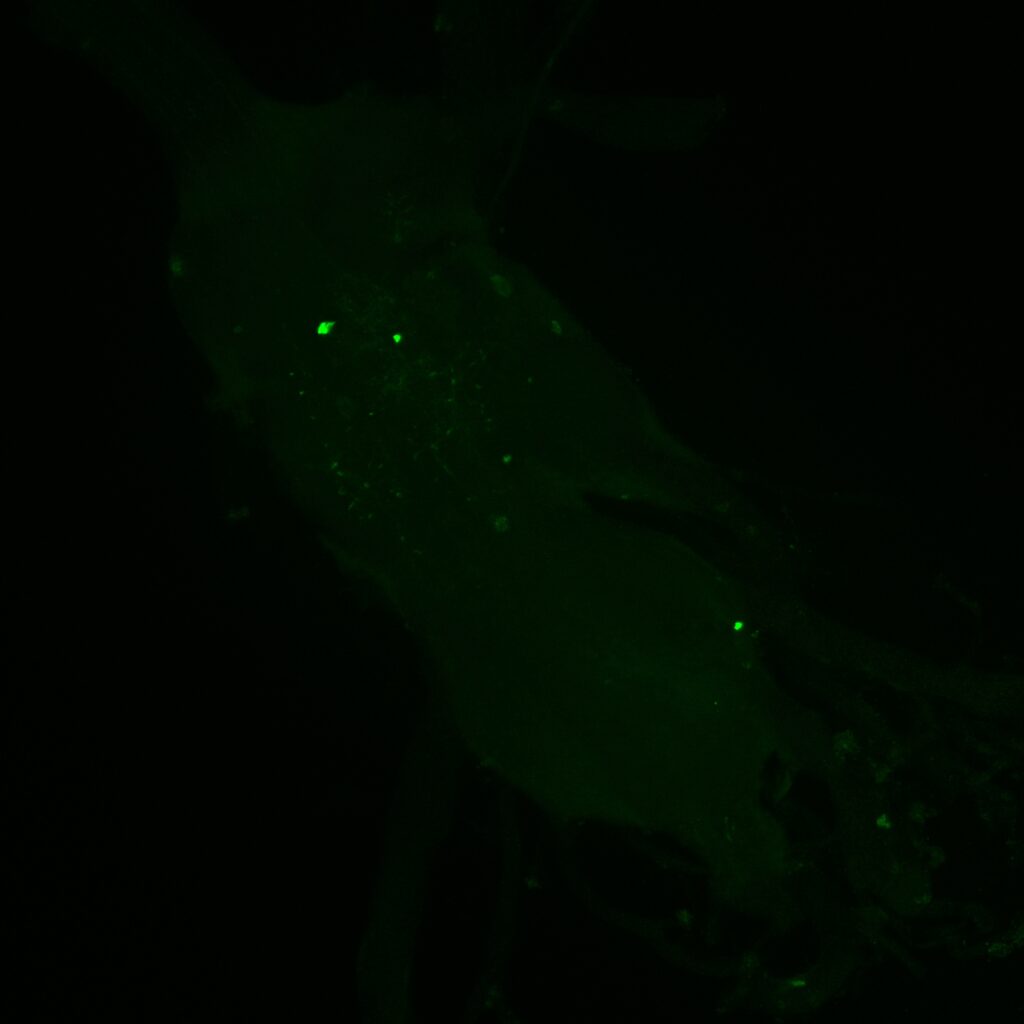
Retro-Tango of b3 mns look worse, nearly no cell signal both in green (b3 mn) and red channels (b3 mn presynaptic neurons)
Category: Habit formation, MBON, MBON | No Comments
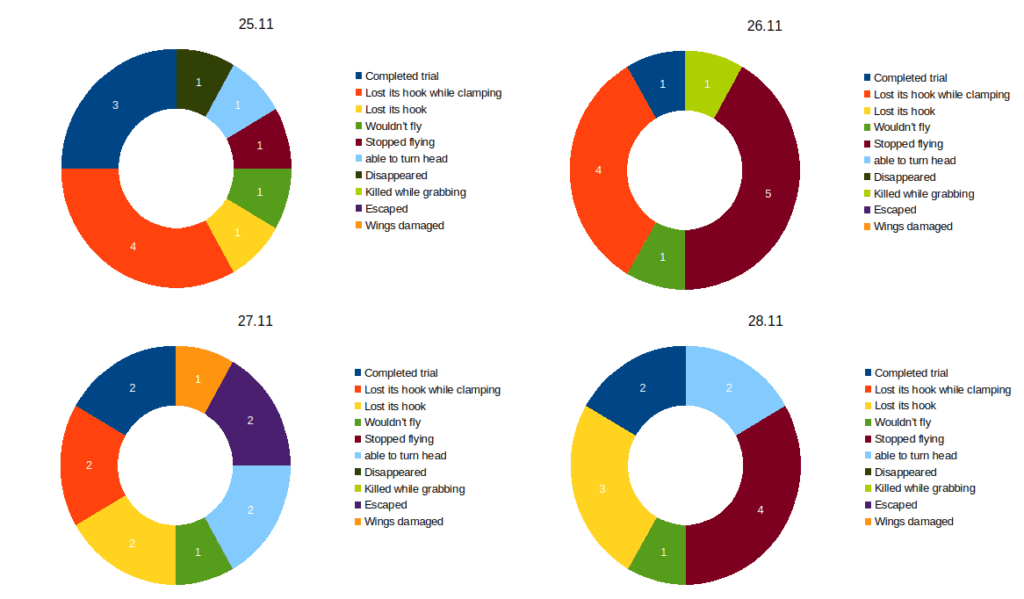
Torque measurements 25.11-28.11
on Monday, December 1st, 2025 12:45 | by Fridrik Kjartansson
Category: flight, Habit formation, lab.brembs.net, Memory, personal | No Comments
More data from the basement
on Monday, July 8th, 2024 8:15 | by Ellie
With the modified laser settings I was able to test 3 more wtb. Here are the results:

–> yaw torque
Testing the basement flight simulator
on Wednesday, June 19th, 2024 3:46 | by Ellie
Before collecting the actual data I make sure that the flight simulator in the basement does its thing ;) Here are the test runs with wtb flies for different protocols:

—>> yaw torque

–>> switch mode

–>> habit formation
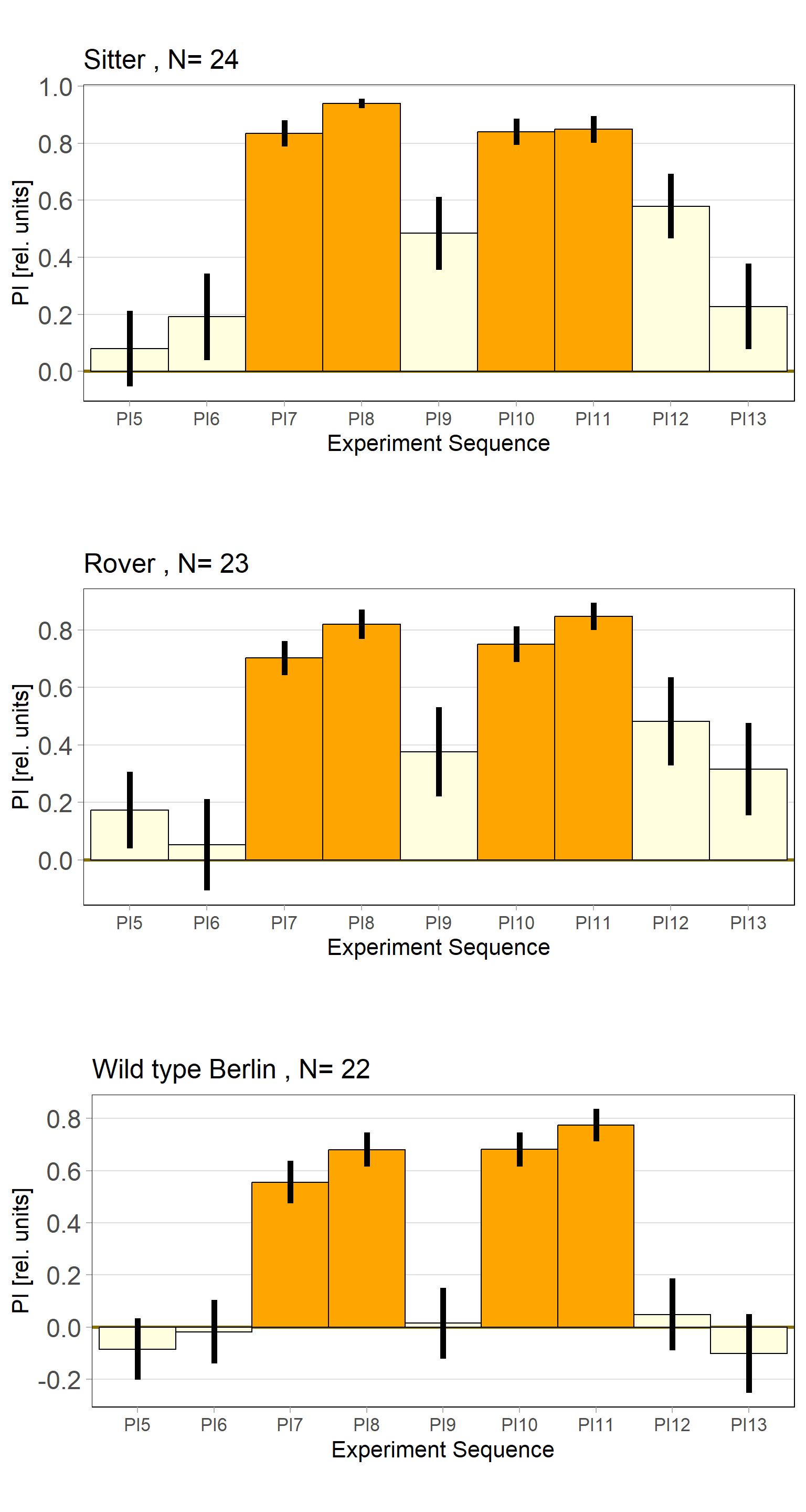
Rover vs. Sitter self learning after 4 minutes training
on Monday, October 16th, 2023 10:39 | by Radostina Lyutova

Category: flight, Habit formation, Memory, Operant learning, operant self-learning, Rover/Sitter | No Comments
Bachelor Blog / #7 offspring
on Monday, October 2nd, 2023 10:51 | by Ellie
Below you can find the data I collected from the offspring flies:
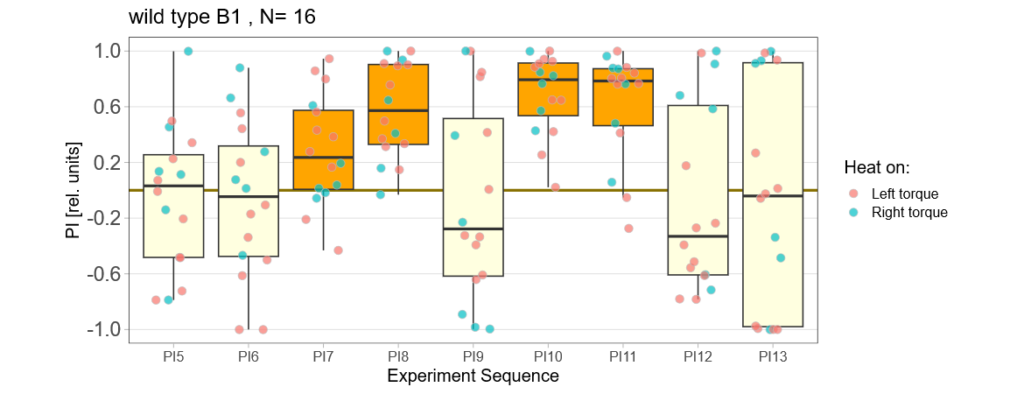
-> offspring from trained parents
-> offspring from untrained parents
(I left out data from flies that showed negative preference during two training periods in a row)