summary of self learning test data, and standardize data
on Monday, April 10th, 2017 1:19 | by Weitian Sun
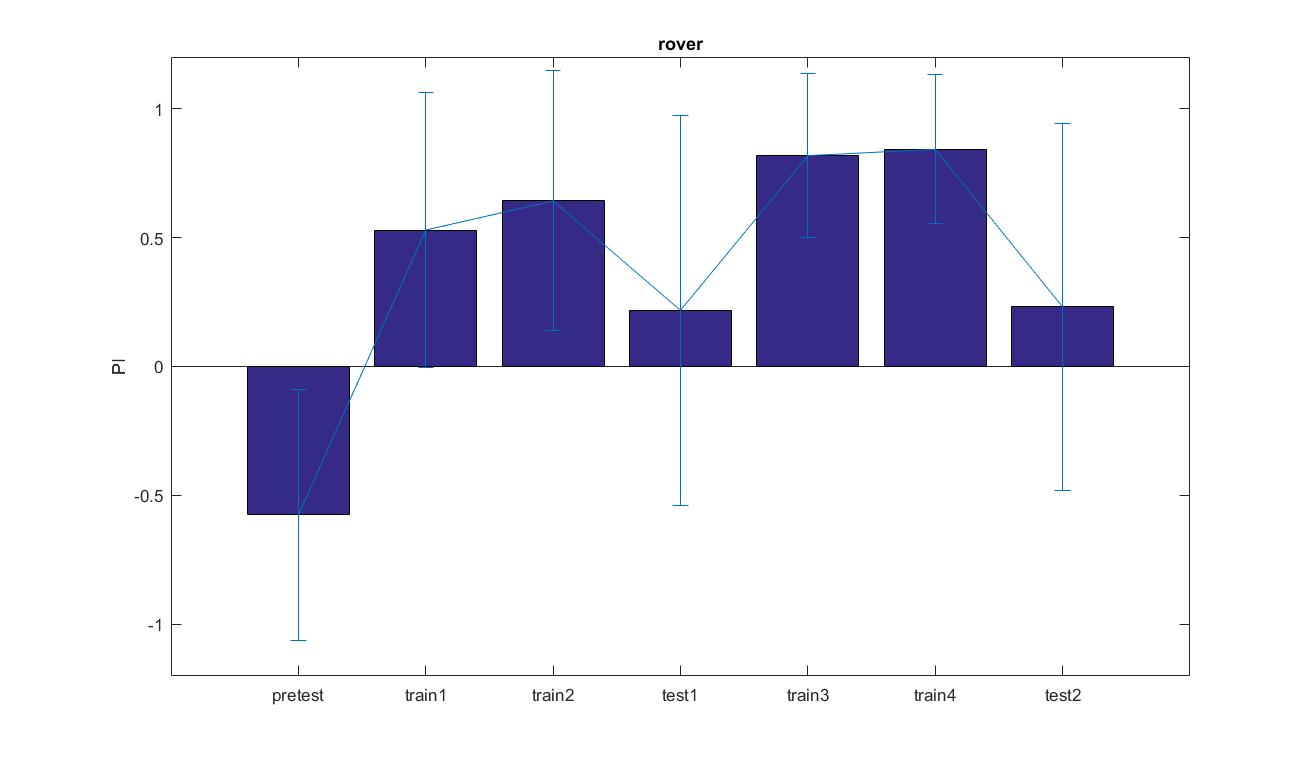
PKG-rover:
N = 24
pretest1 : -0.58
training1:0.53
training2:0.64
test1:0.22
training3:0.82
training4:0.84
test2:0.23
Standardization: ALL data +2?, then (test2-pretest)/pretest
standardized test2: 0.71
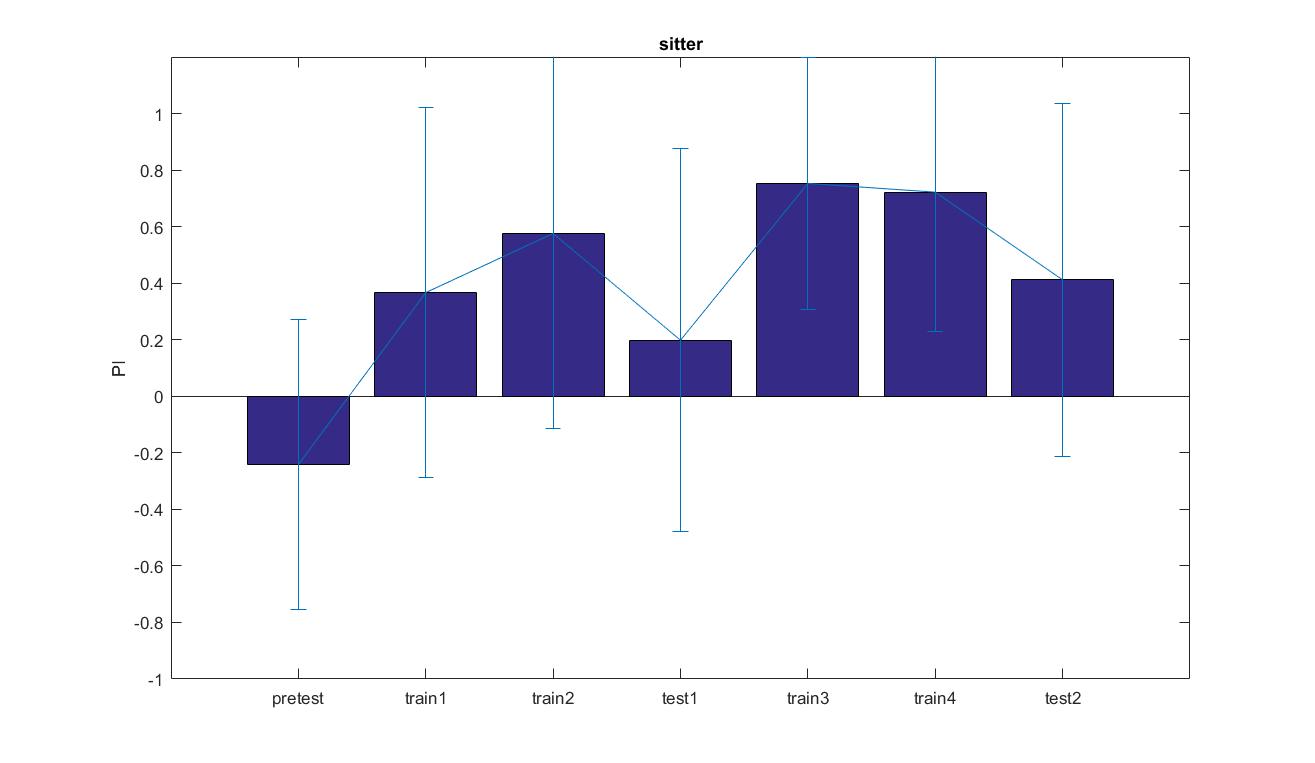
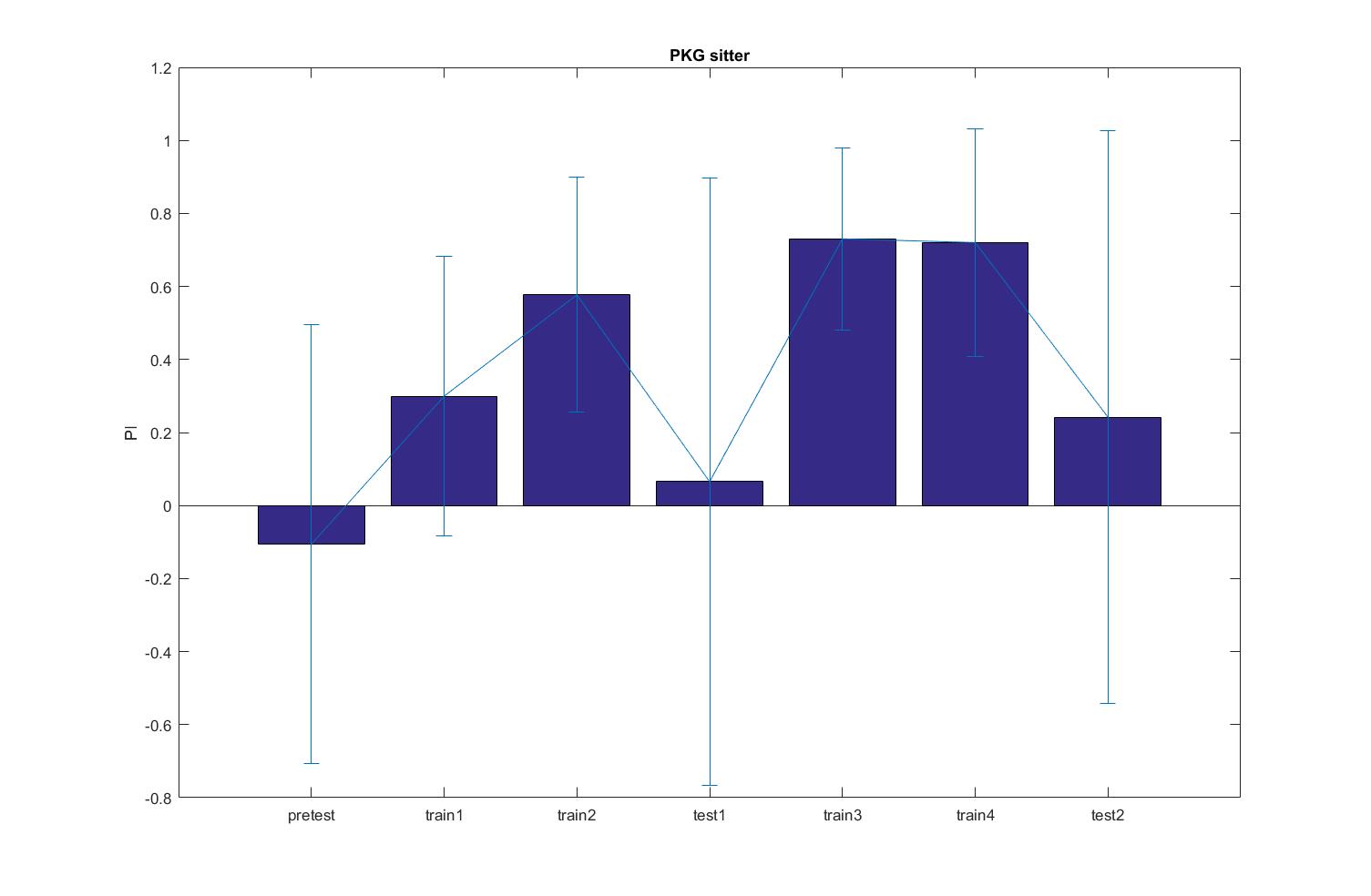
PKG-sitter:
N = 10
pretest1 : -0.24
training1:0.37
training2:0.58
test1:0.20
training3:0.75
training4:0.72
test2:0.41
standardized test2: 0.48
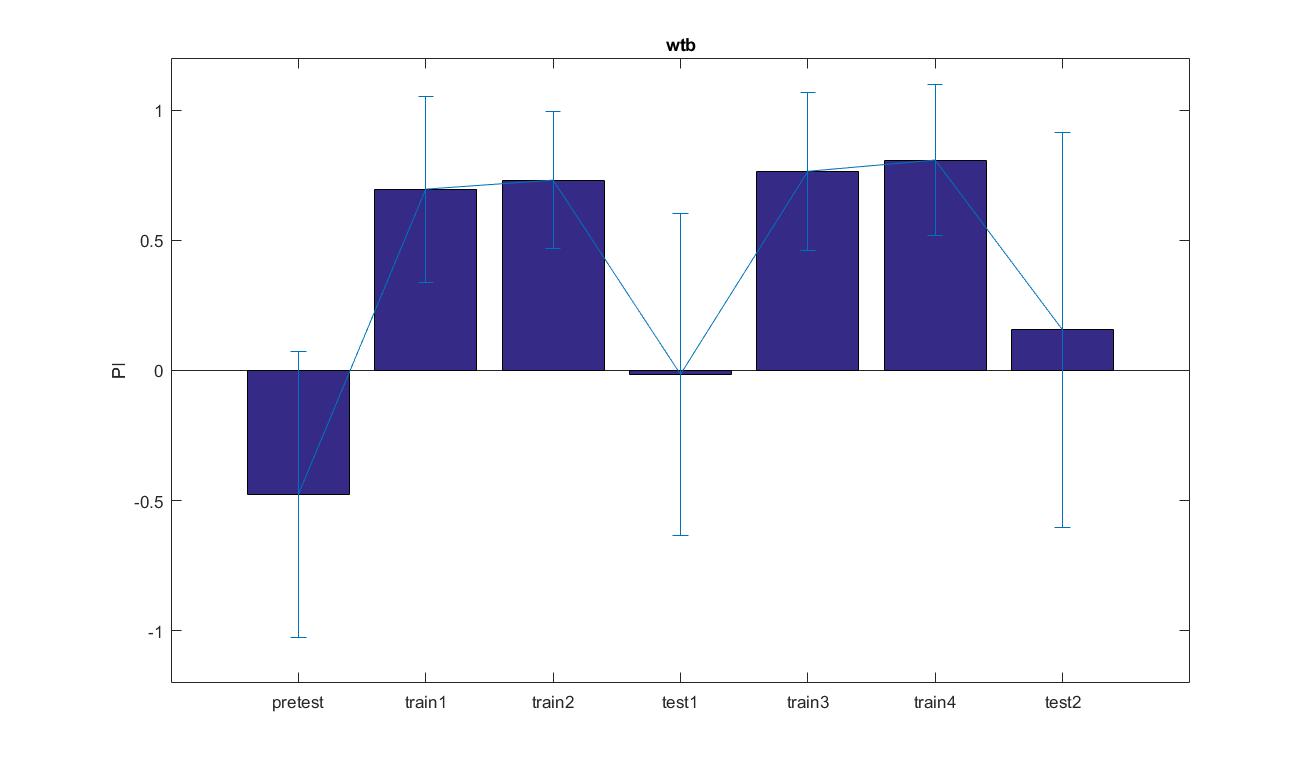
WTB:
N = 13
pretest1 : -0.46
training1:0.70
training2:0.73
test1:-0.01
training3:0.76
training4:0.81
test2:0.16
standardized test2: 0.57

Category: Operant learning | No Comments
update on self learning&longterm memory
on Monday, April 3rd, 2017 1:44 | by Weitian Sun
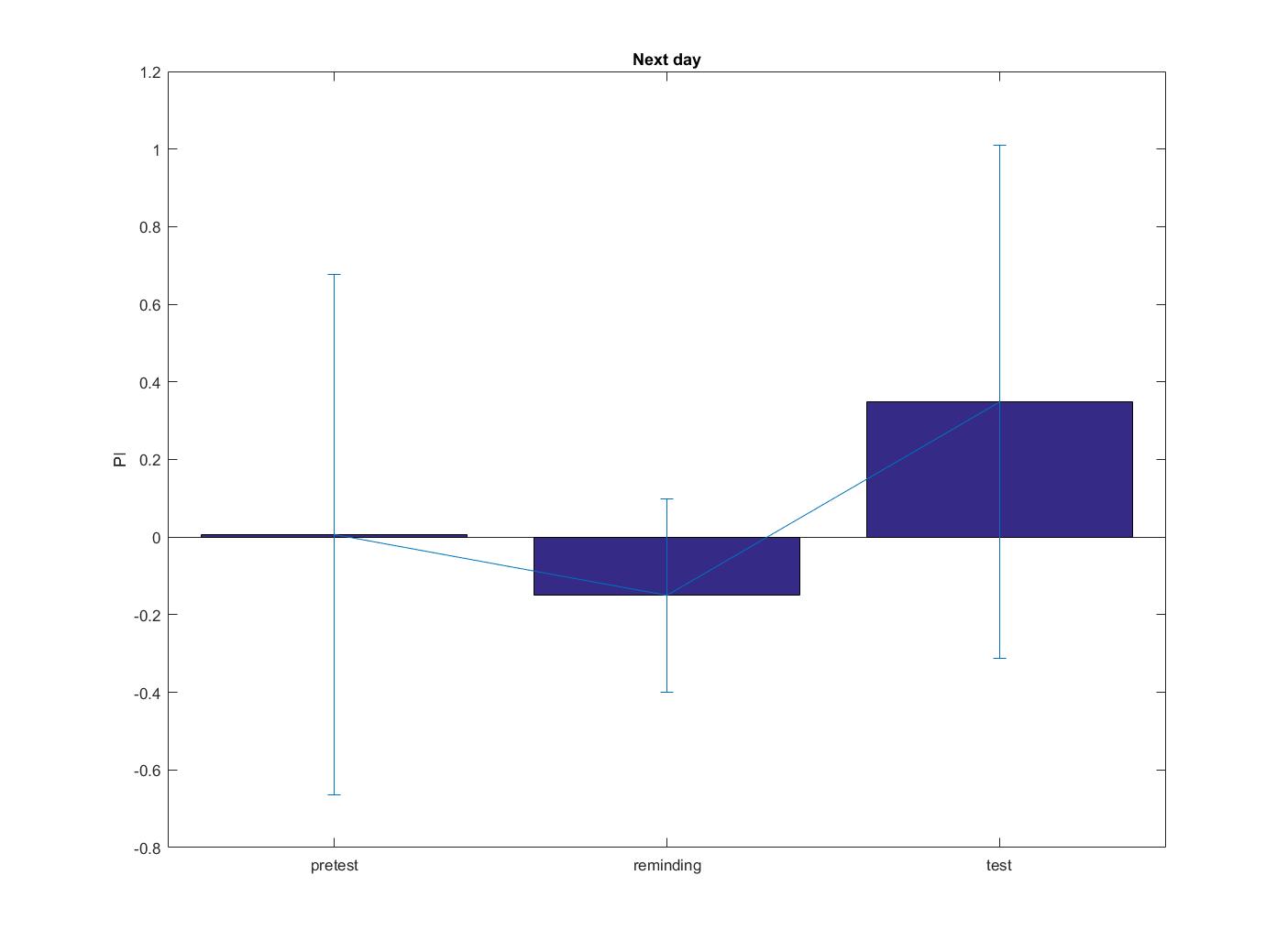
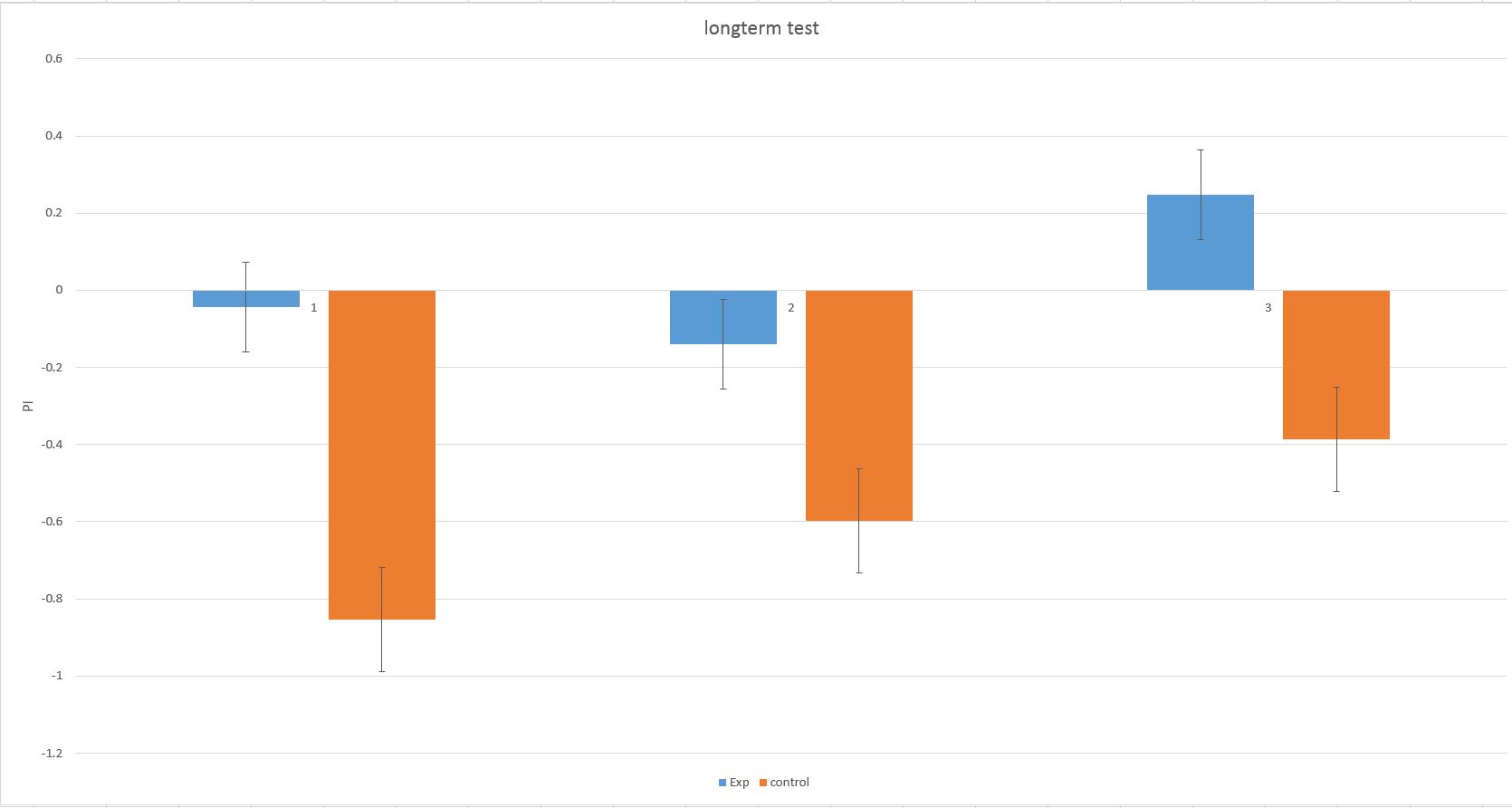
longterm test:
1 from sitter, 8 from wtb, 3 from rover (total N = 12)
mean(test): 0.248 SD(test): 0.7
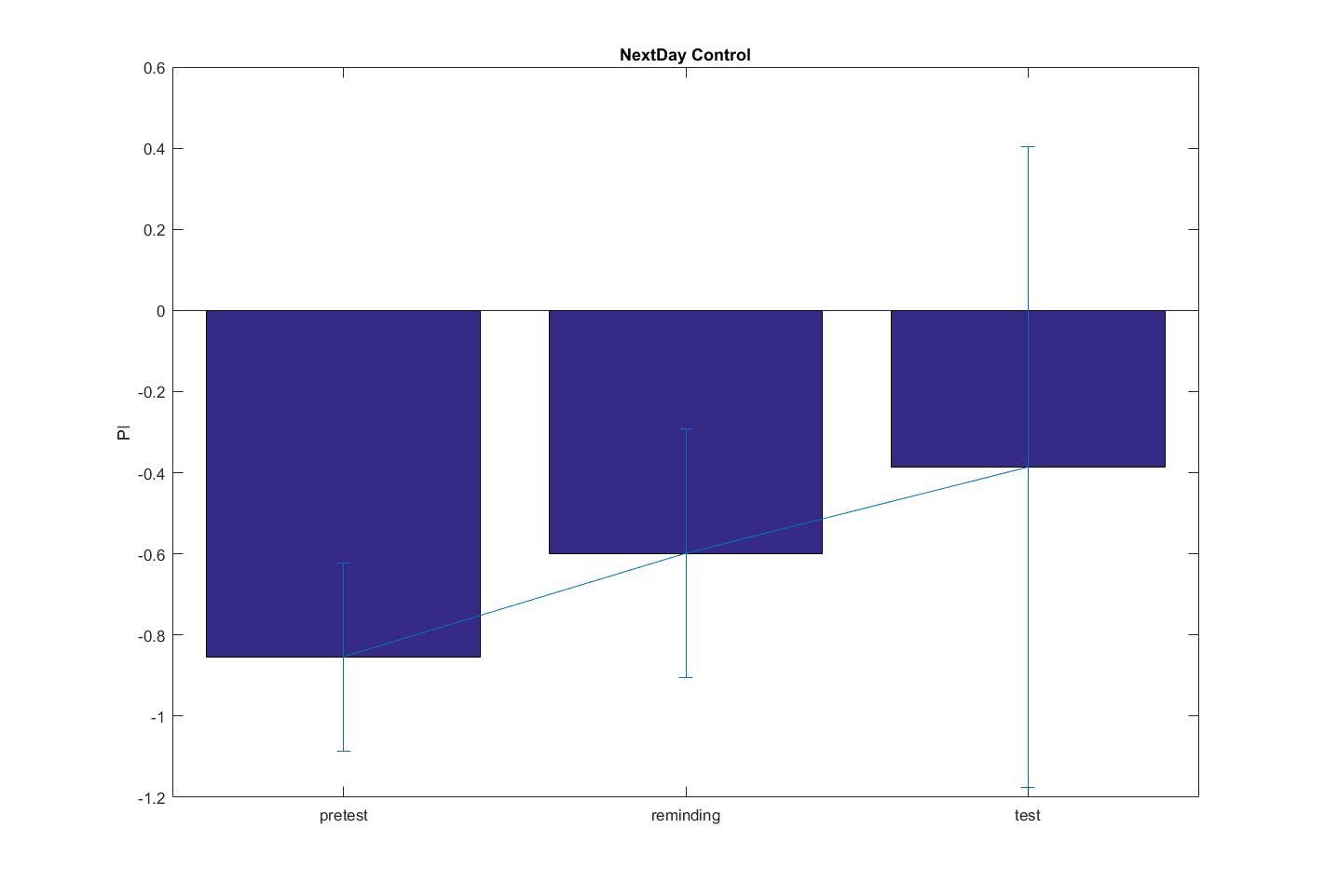
Longterm test Control
1 from sitter, 2 from rover (N=3)
mean(test):-0.386 SD(test):0.79
Two Sample:
Based on 50%(20%) of statistical power, the minimum sample size is 7 (17)for both group.
One Sample (assume control group has the average of PI is 0):
Based on 50% (20%) of statistical power, the minimum sample size is 22 (49)for both group.
https://www.dssresearch.com/KnowledgeCenter/toolkitcalculators/samplesizecalculators.aspx
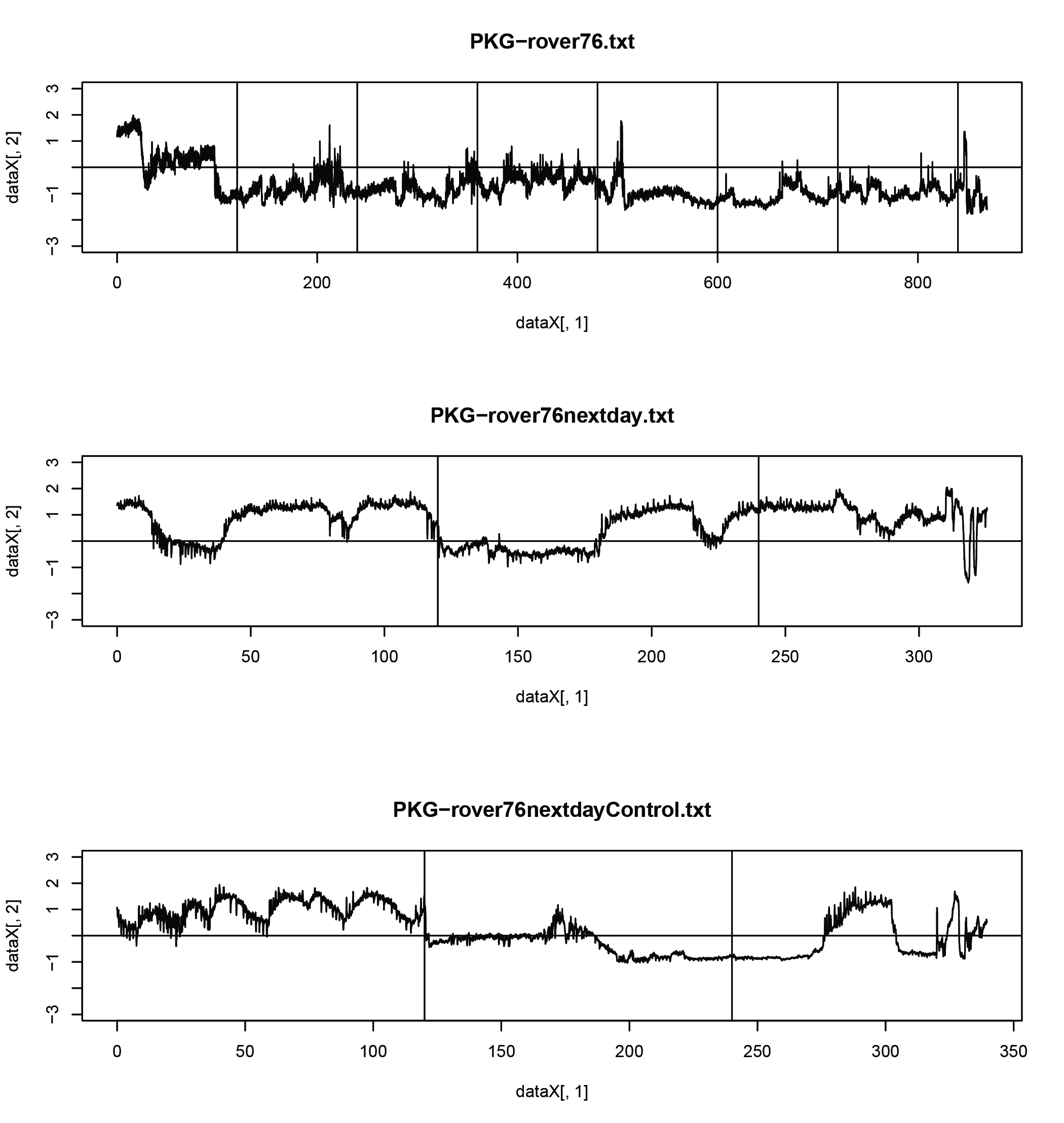
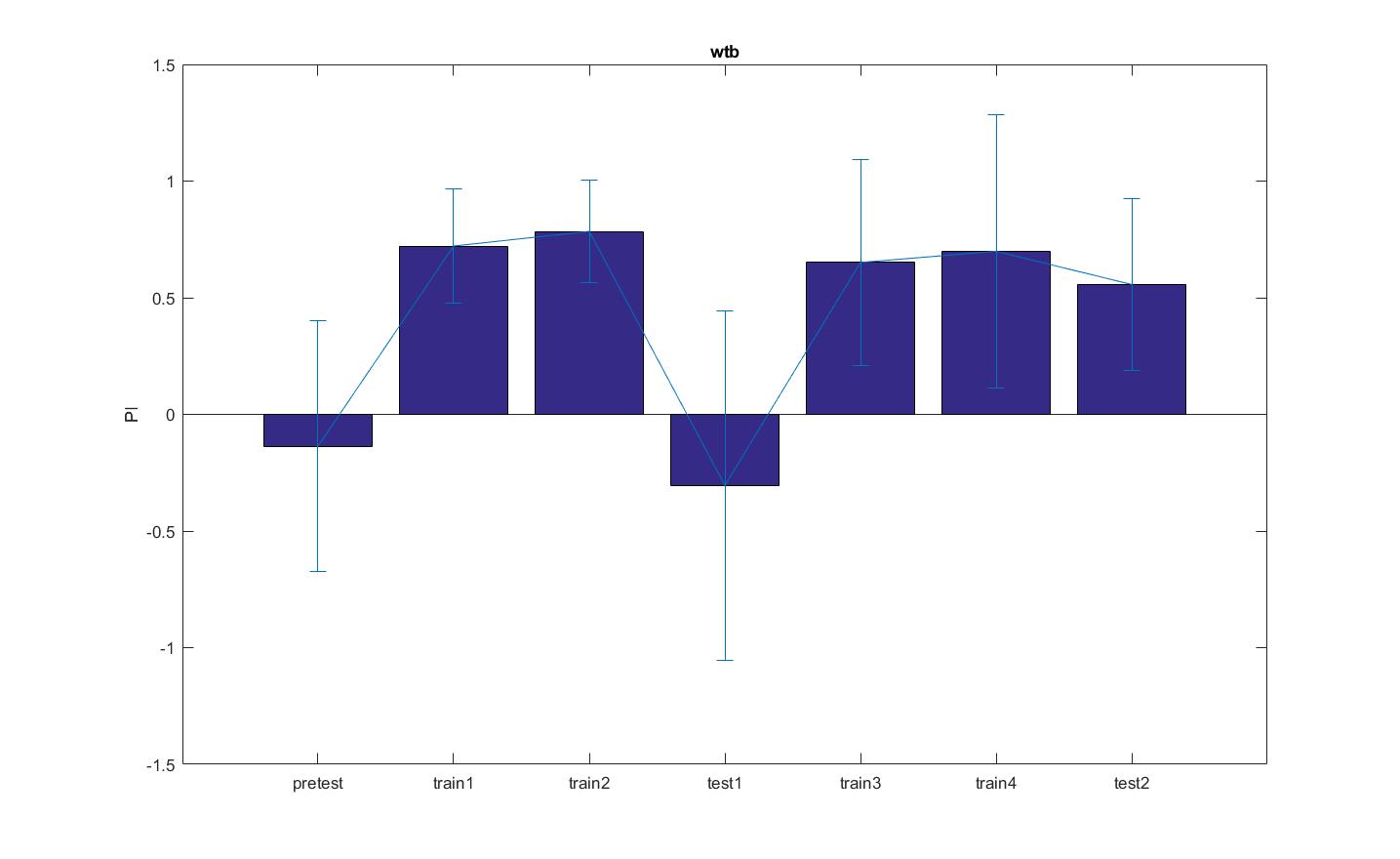
Self learning test:
sitter N=5
wtb N= 4
Category: Operant learning, operant self-learning | No Comments
update on self learning and longterm memory
on Monday, March 27th, 2017 2:07 | by Weitian Sun
5 measurements on self learning from rover:
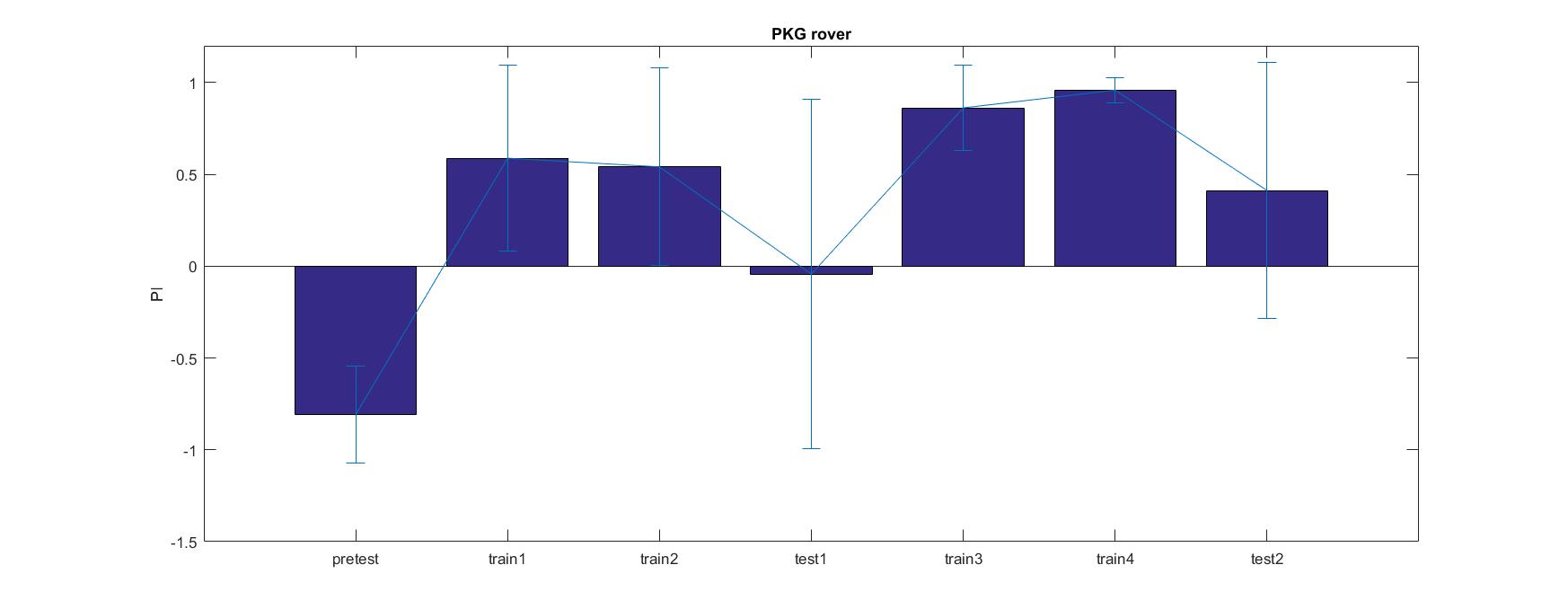
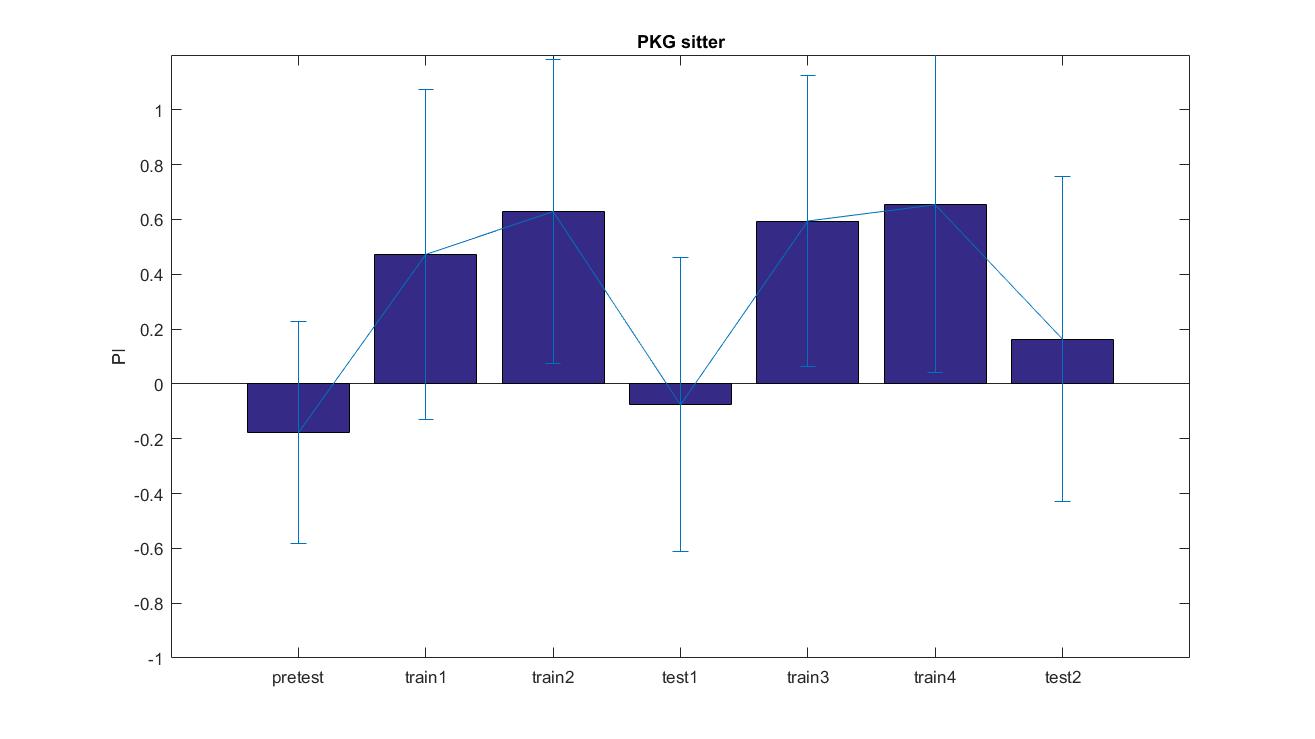
6 measurements on self learning form sitter:
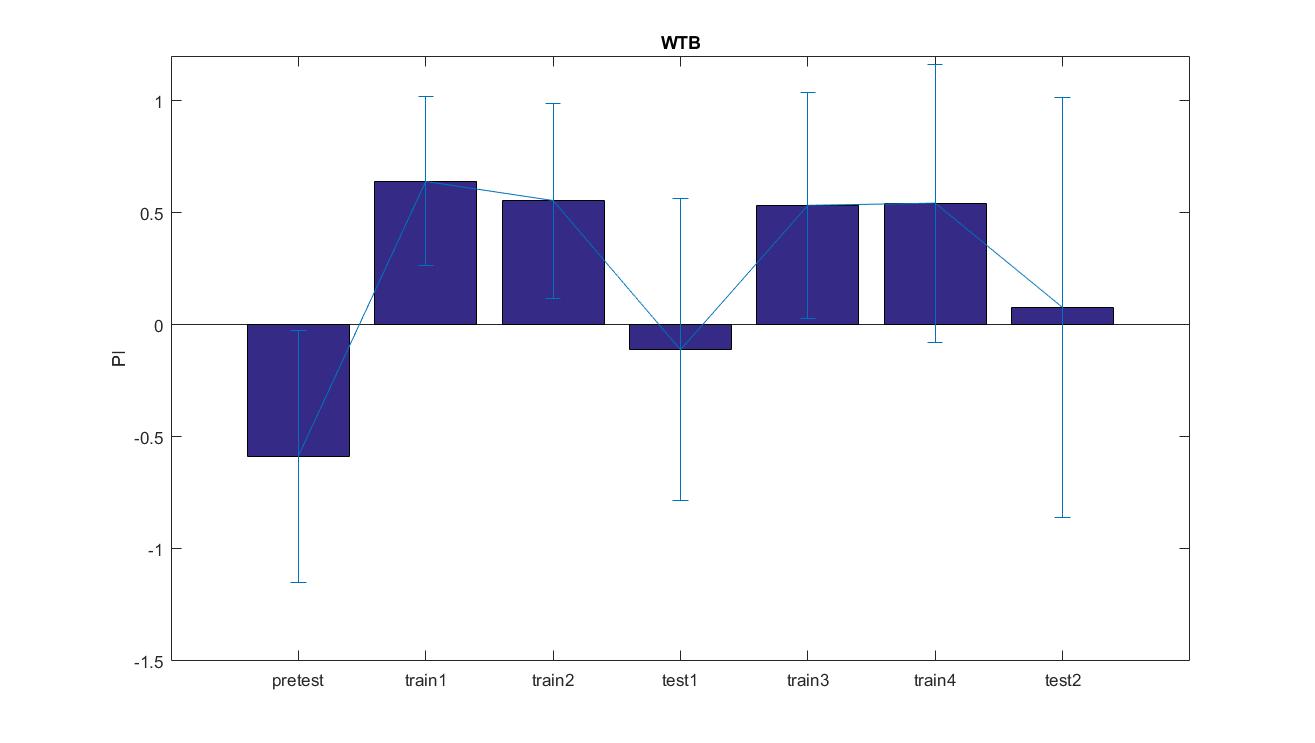
10 measurements on self learning from wtb:
4 measrements on long term test from rover:
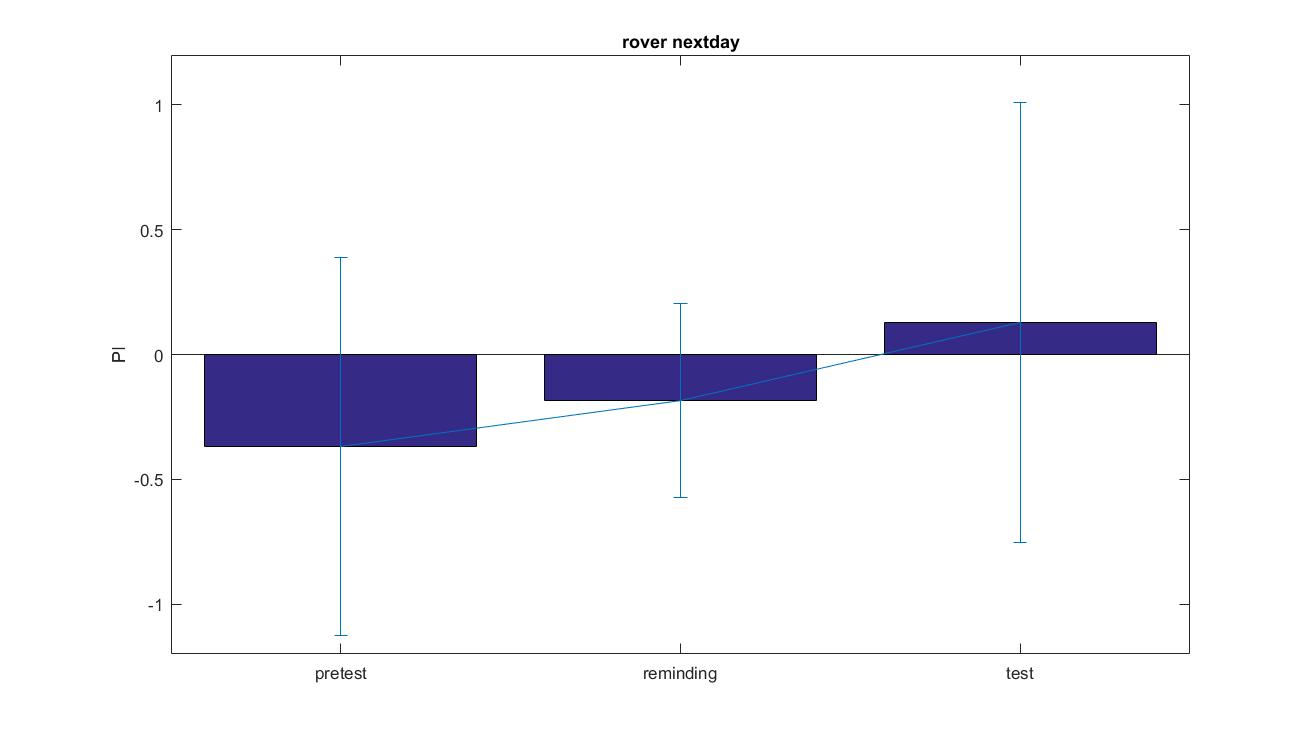
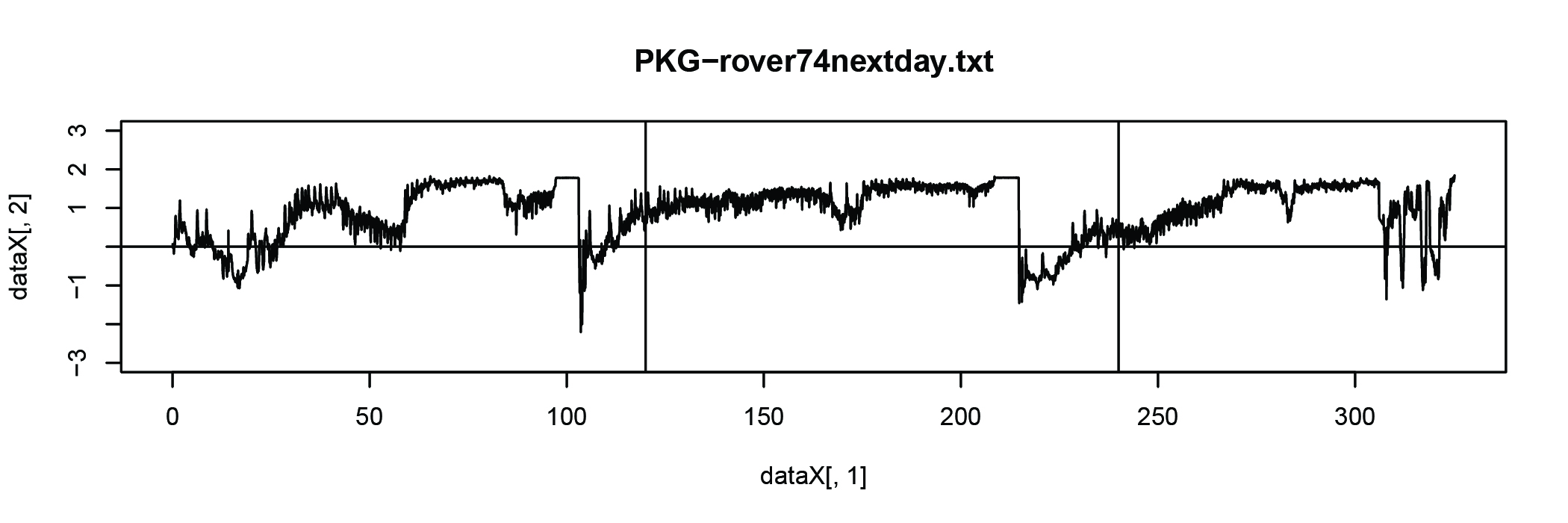 (right punishment)
3 measrements on long term test from sitter (fly stops a lot during test, this result may not be accurate):
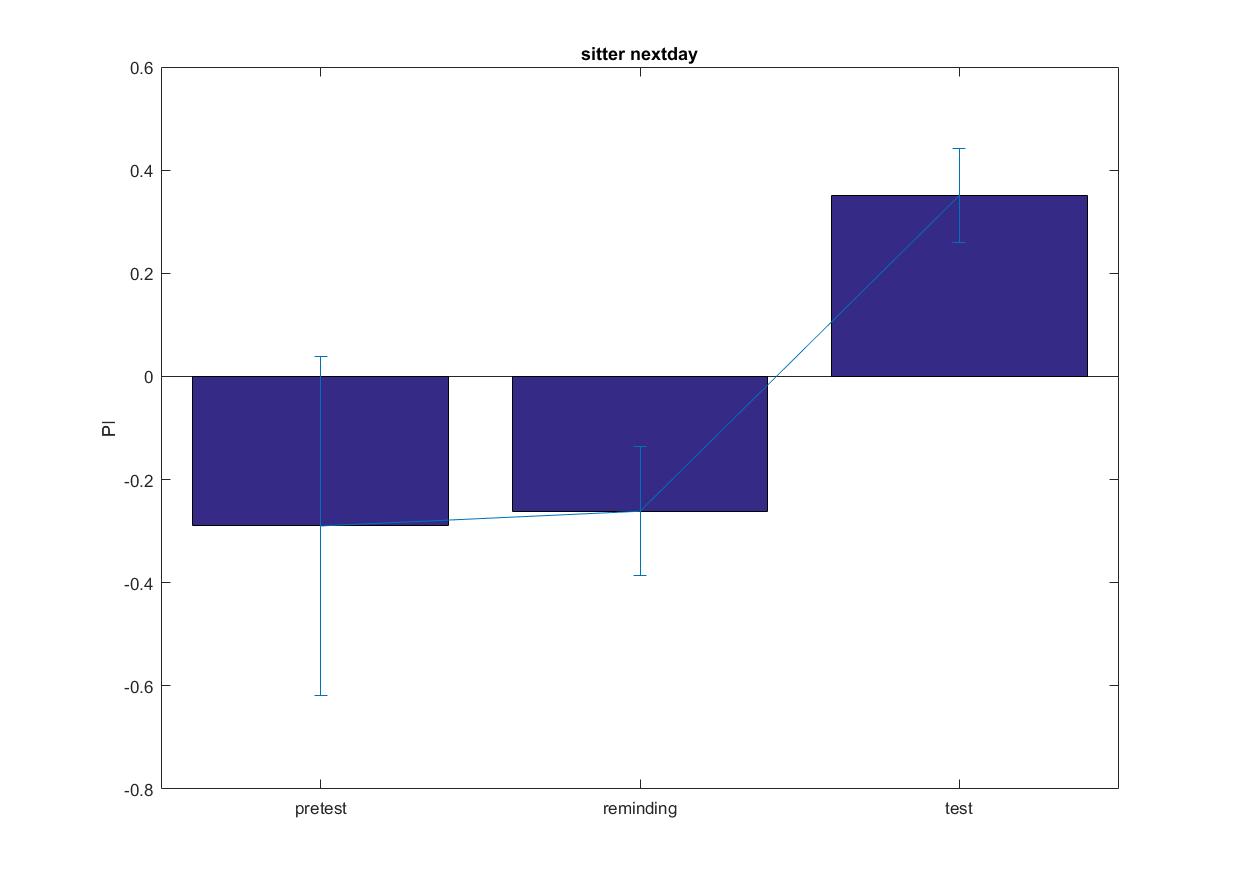
 (13:left punishment, 19: right punishment)
7 measrements on long term test from wtb
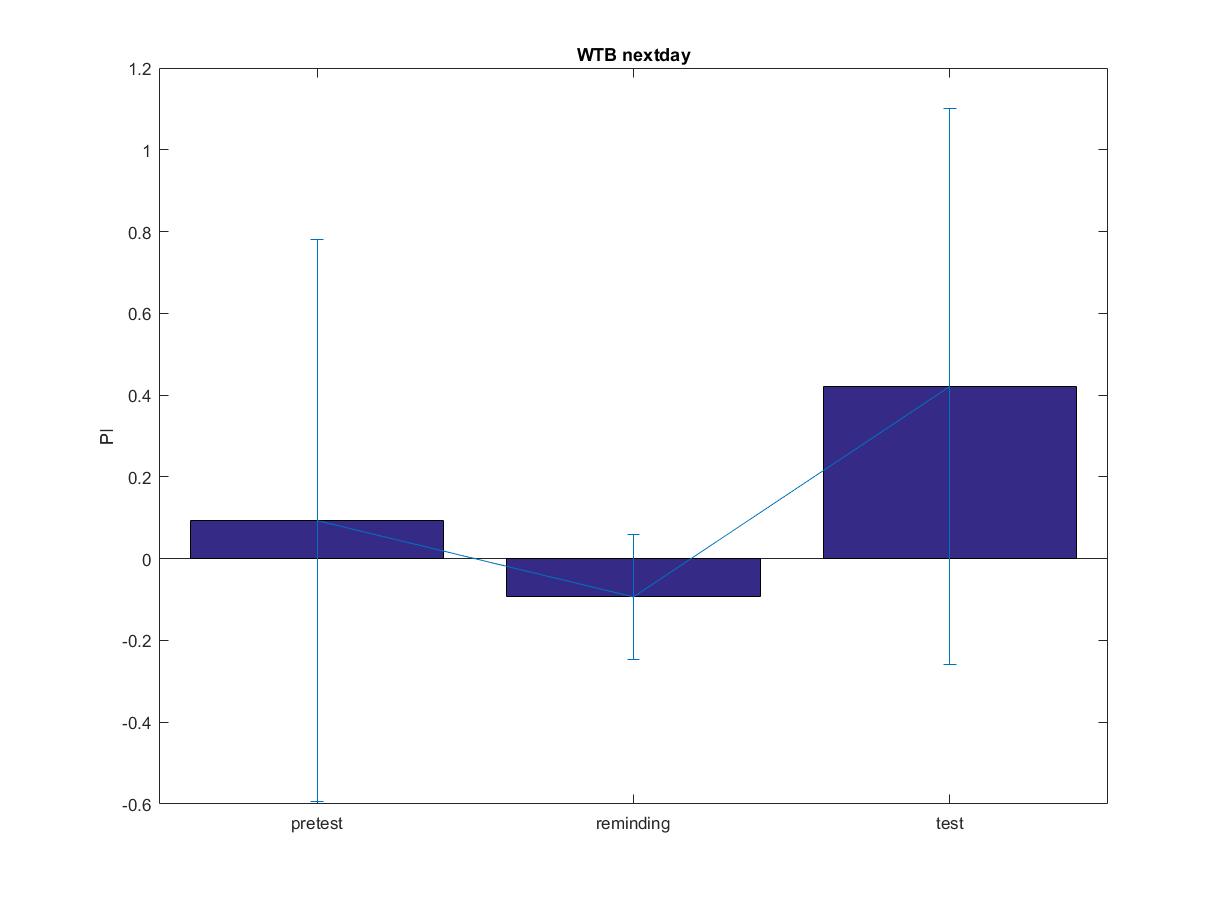
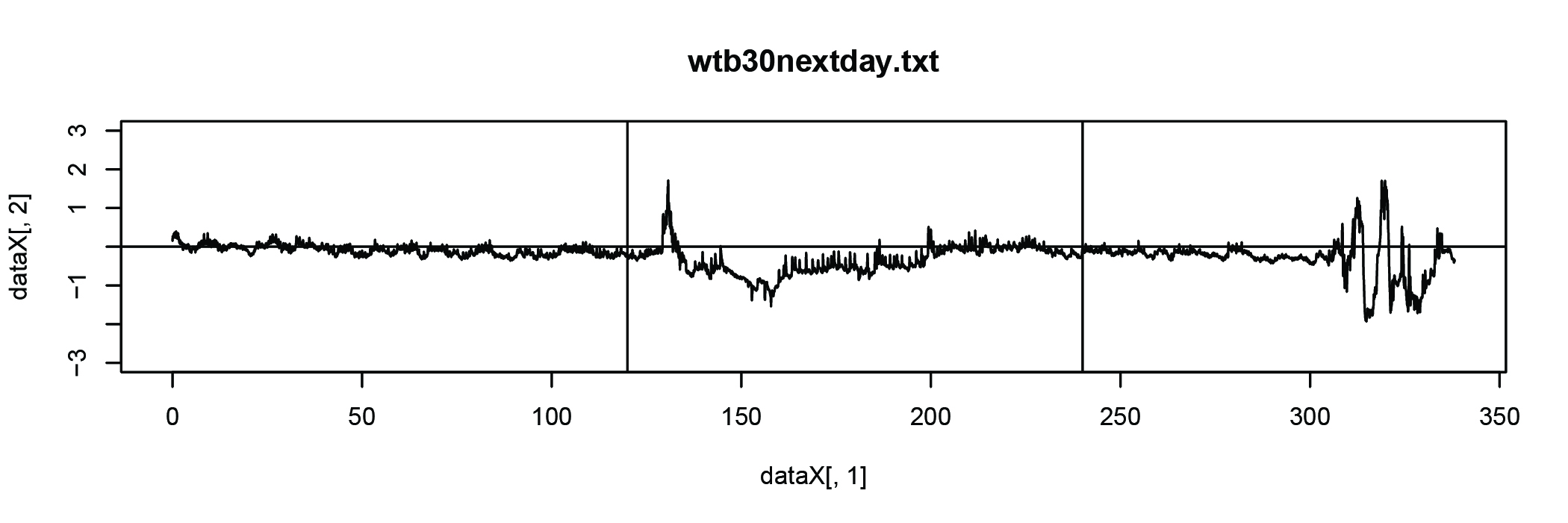 (left punishment)
Category: Operant learning, Uncategorized | No Comments
PKG and WTB self learning test and long term memory test
on Monday, March 20th, 2017 12:11 | by Weitian Sun
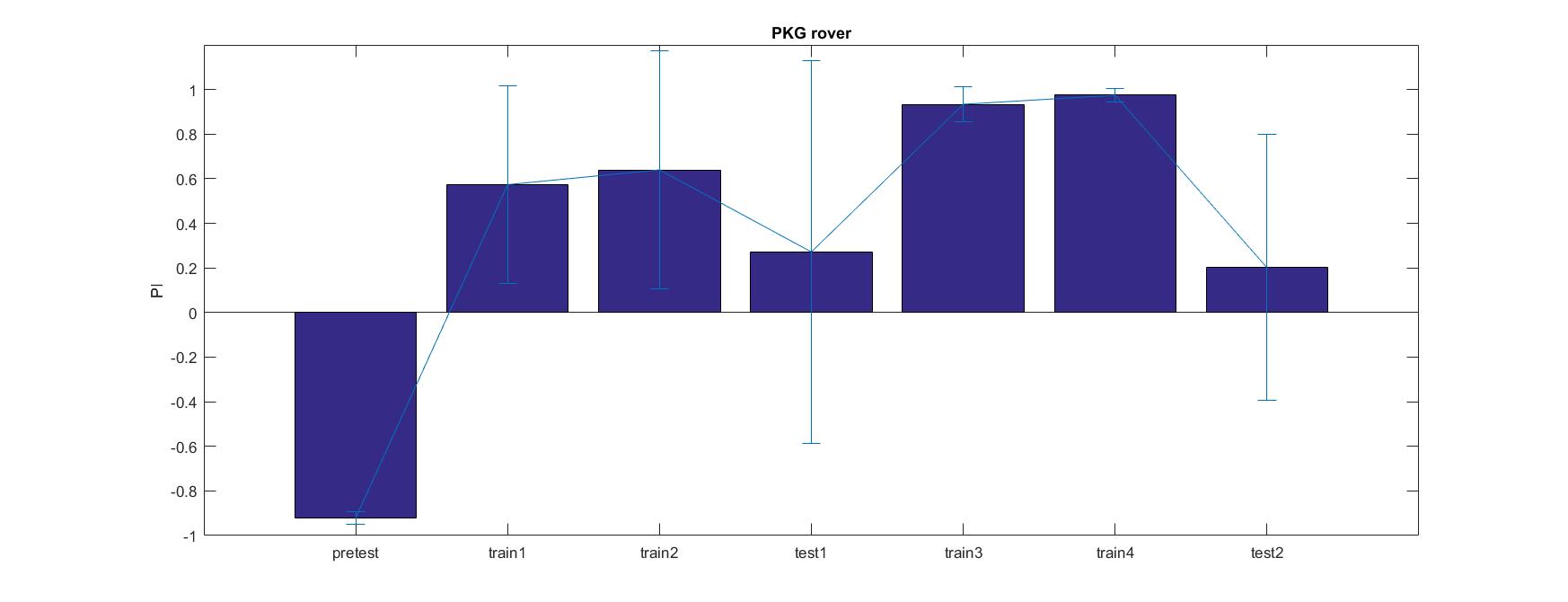
PKG rover self learning N=5
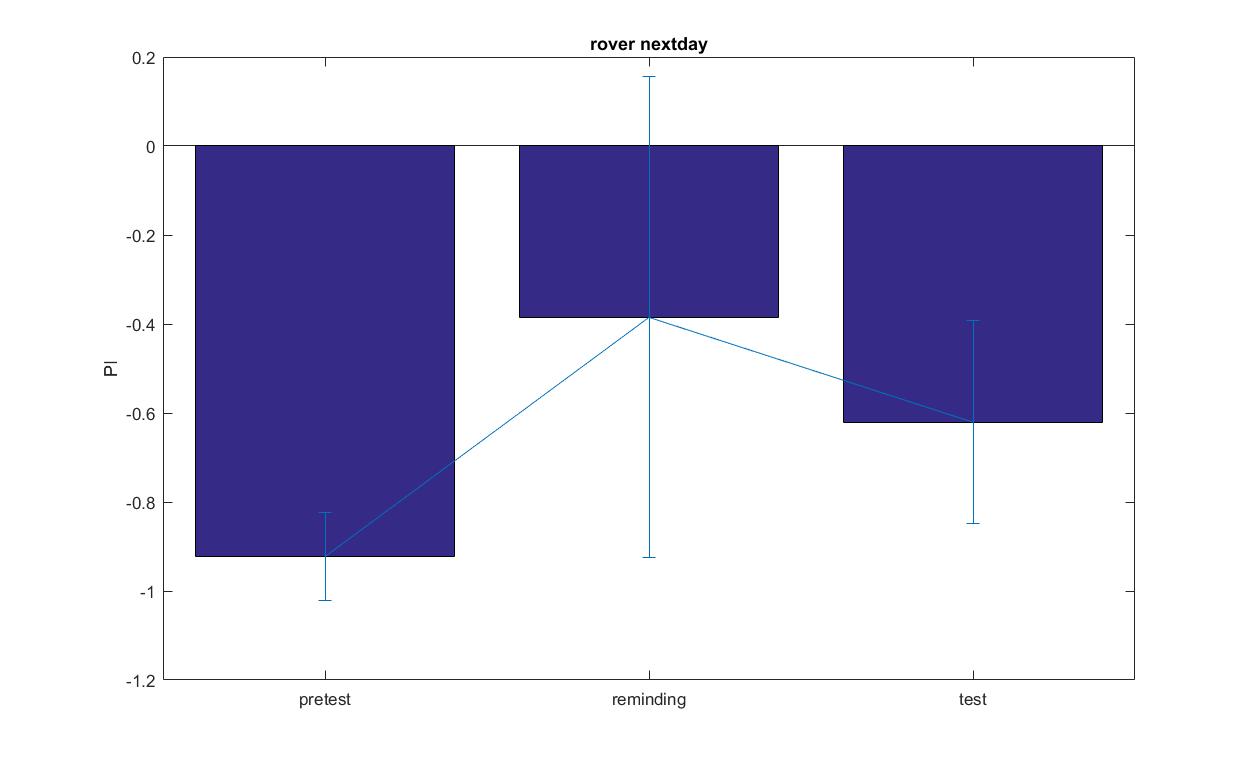
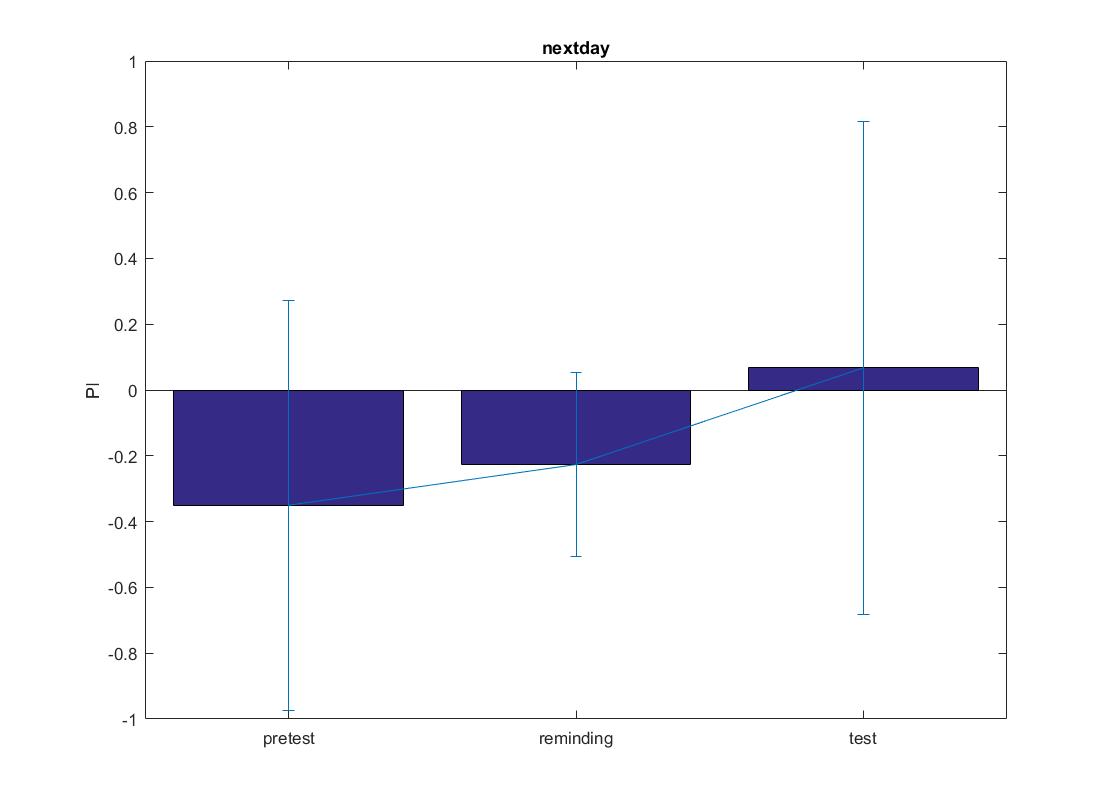
rover test on next day N=2
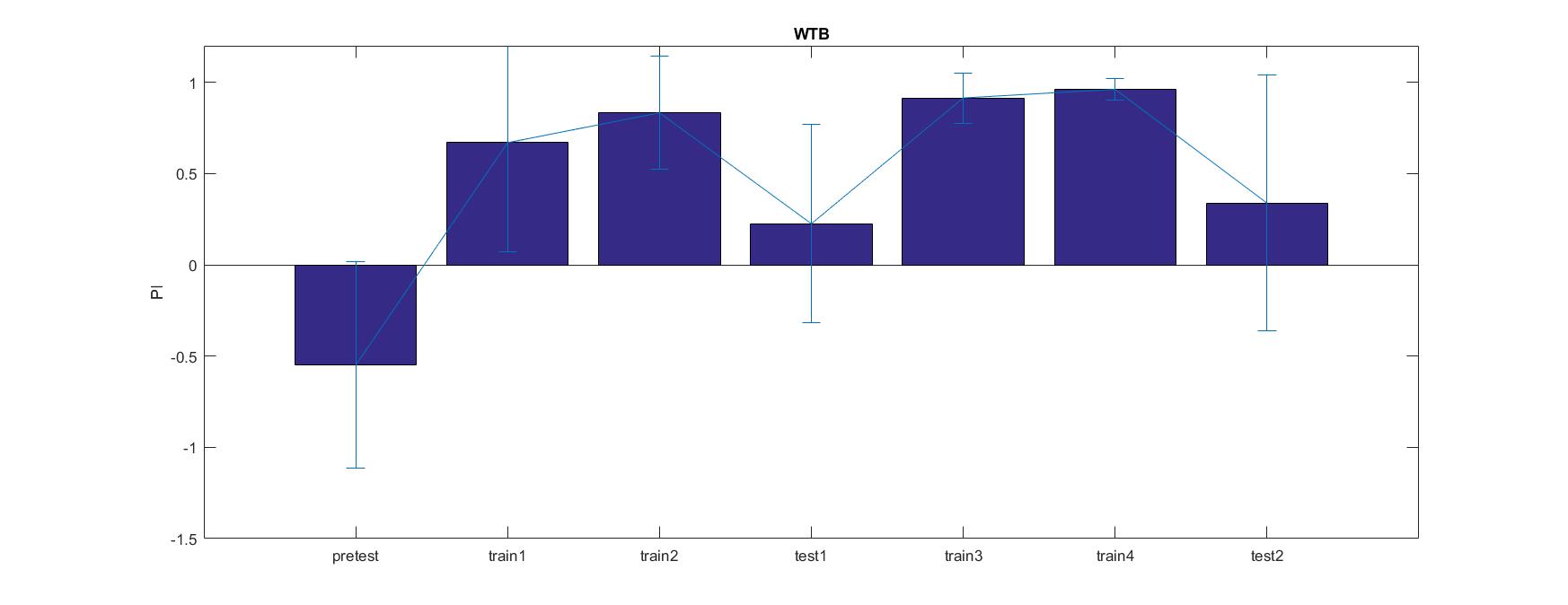
WTB self learning N=7
WTB test on next day N=4
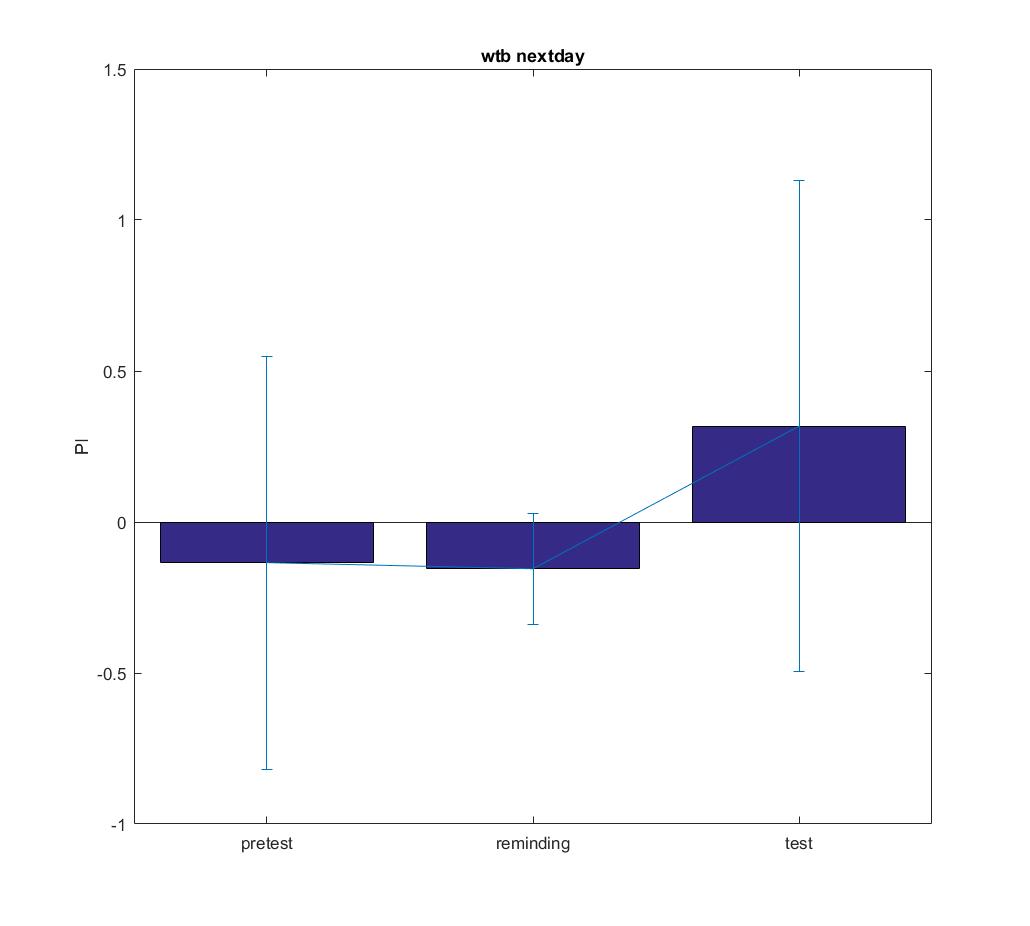
2 rover, 4 wtb, 1 sitter test result after 24 hours
Category: Operant learning | No Comments
self learning from WTB
on Friday, March 10th, 2017 2:30 | by Weitian Sun
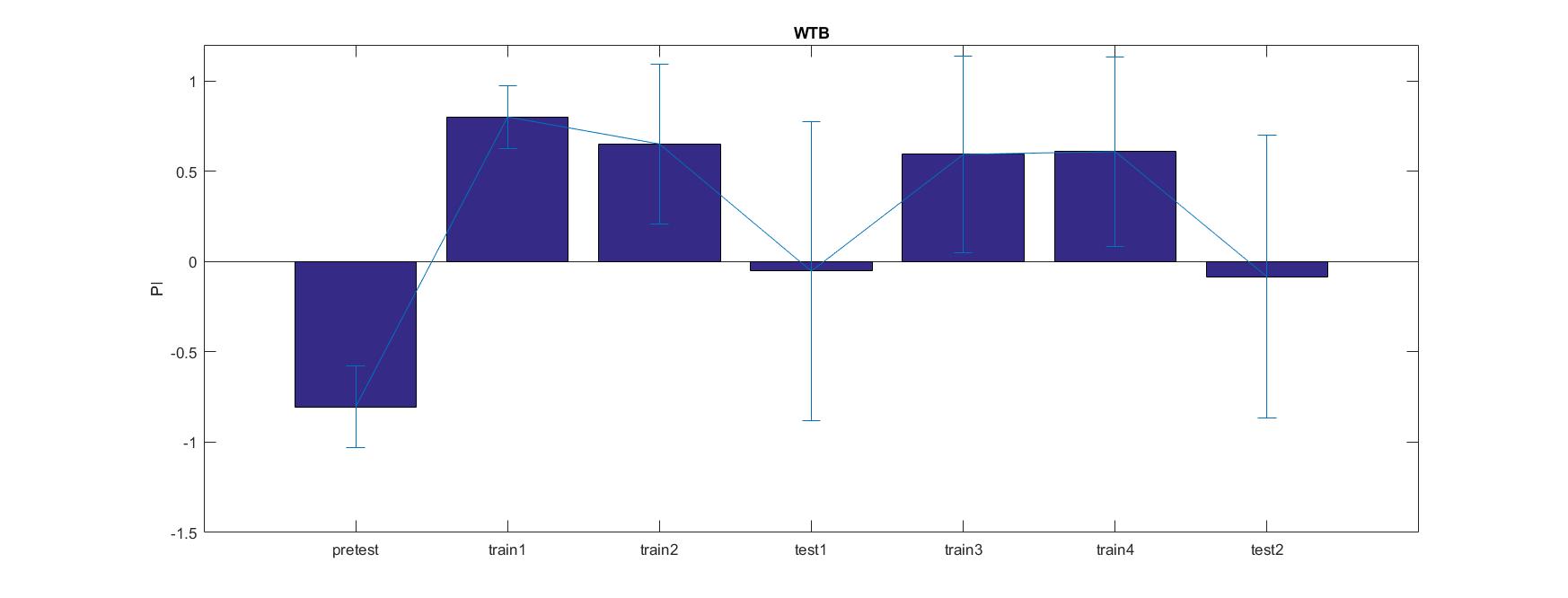
By contrast of PKG rover, this result shows PI from wtb. N = 4
test1 PI= -0.05
test2 PI= -0.08
Category: Operant learning | No Comments
PKG rover update
on Monday, March 6th, 2017 10:17 | by Weitian Sun
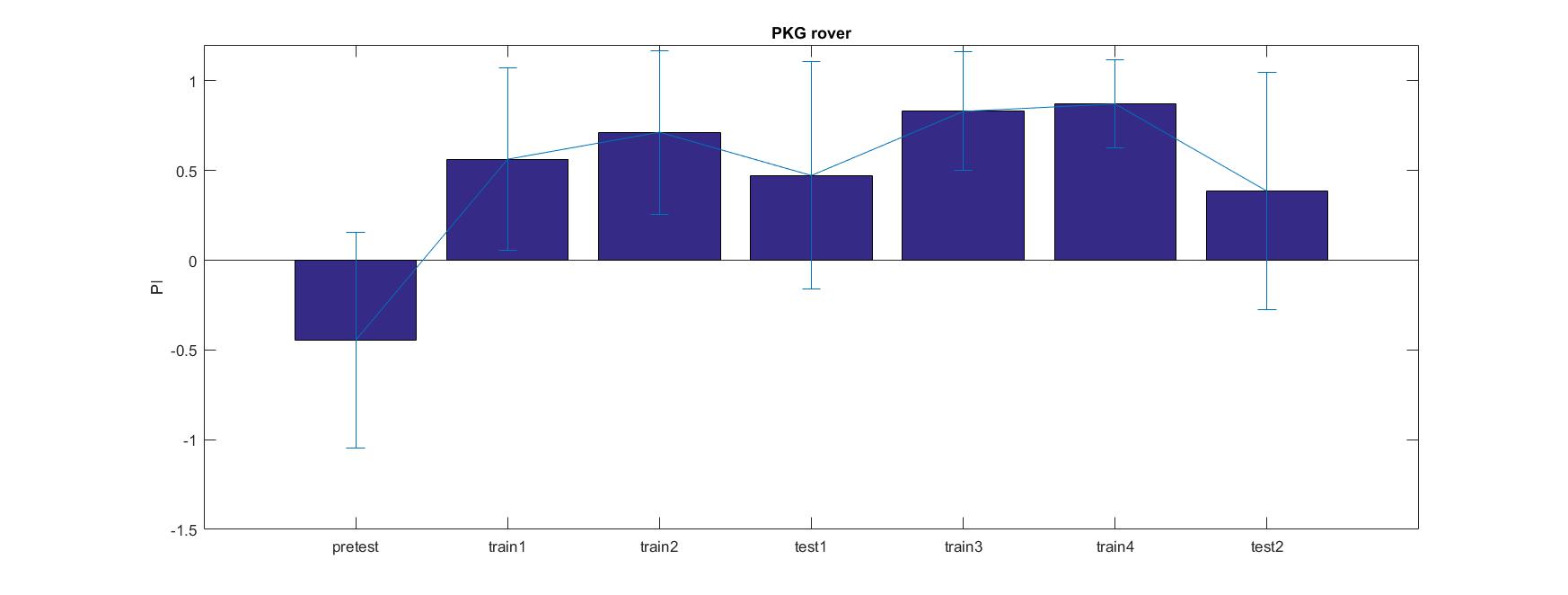
There is the result of 20 measurements on PKG rover.
pretest:-0.45
train1:0.56
train2:0.71
test1:0.47
train3:0.83
train4:0.87
test2:0.39
Category: Operant learning, operant self-learning | No Comments
Laser power/angle adjustment
on Monday, February 20th, 2017 10:15 | by Weitian Sun
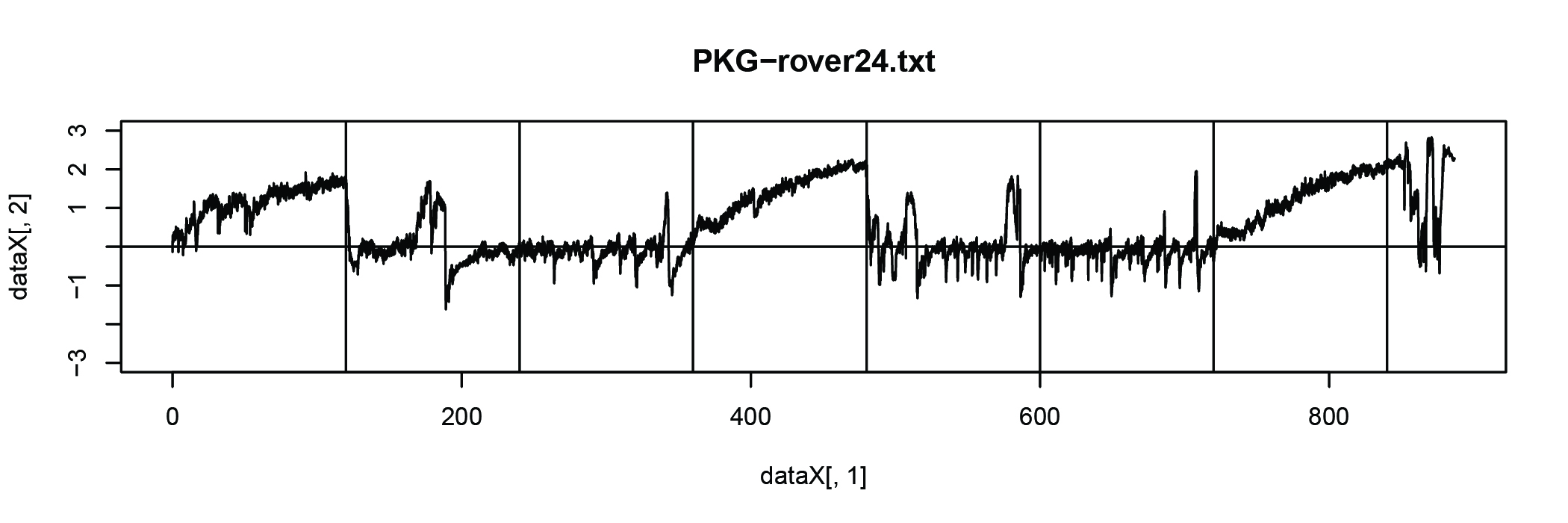
After camera and punish laser adjusted, flies showed a high avoidence in the trail. Especially, when the fly was hit by punish laser in the first time of each training block. Unfortunately, there was a huge drift in the last trace after adjustment, but it shows a good avoidence in each training block.
Category: Operant learning, operant self-learning | No Comments
Wild type Drosophila flying trace
on Monday, October 31st, 2016 12:03 | by Weitian Sun
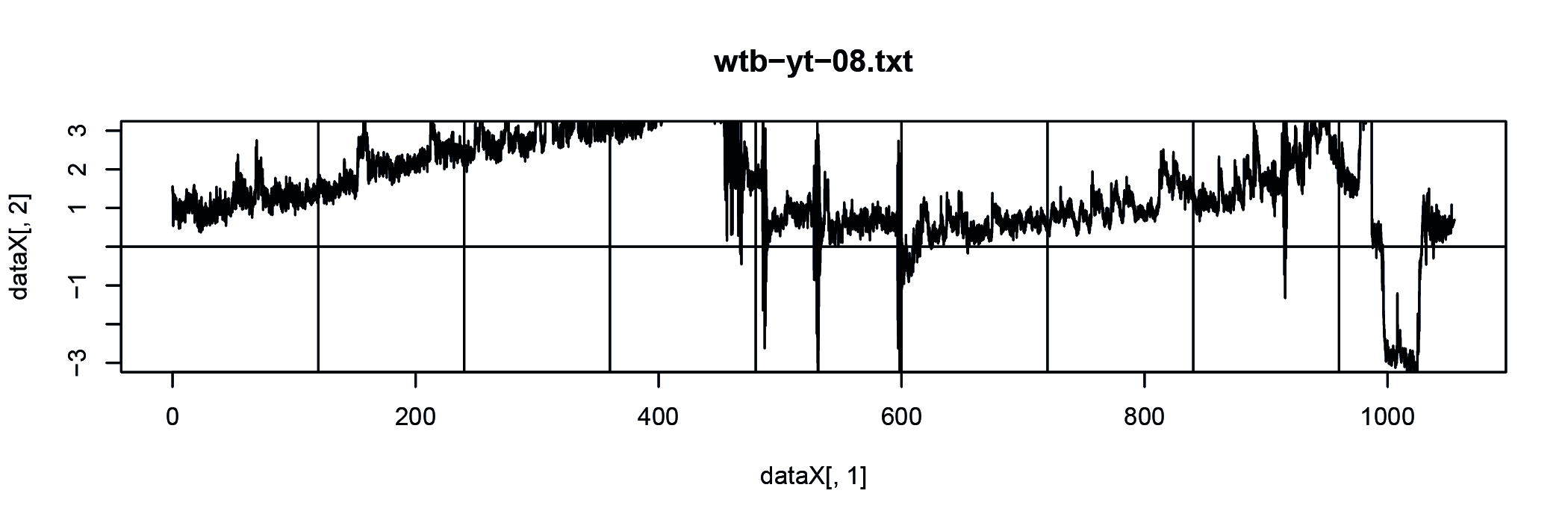
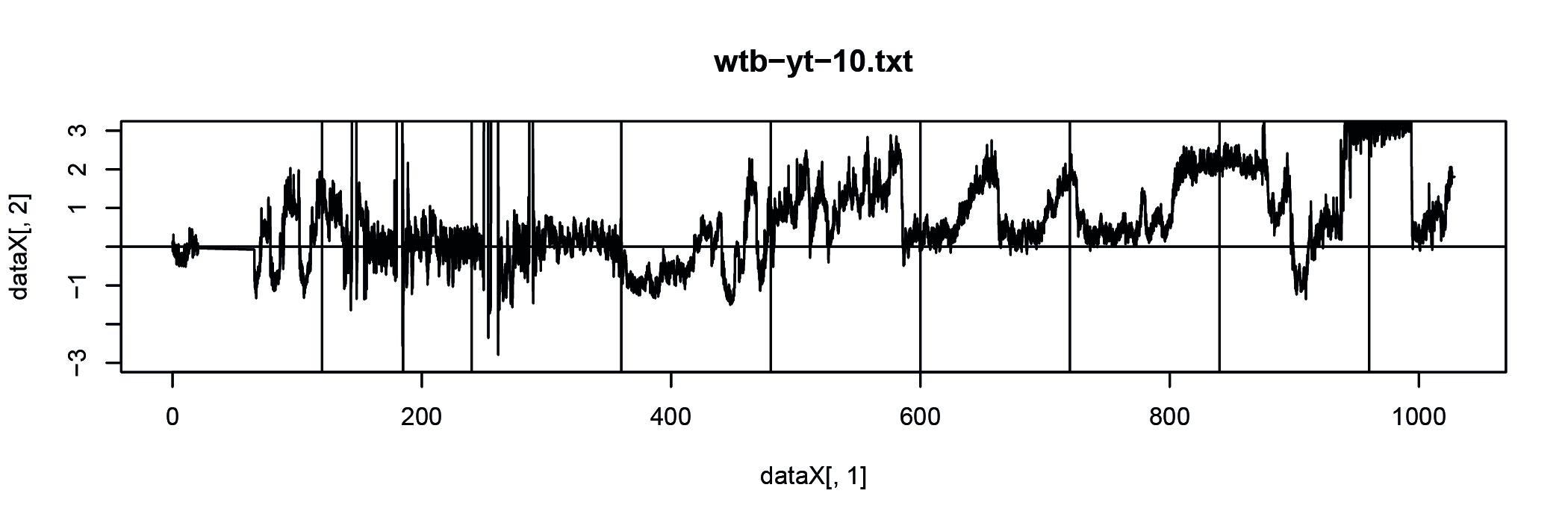
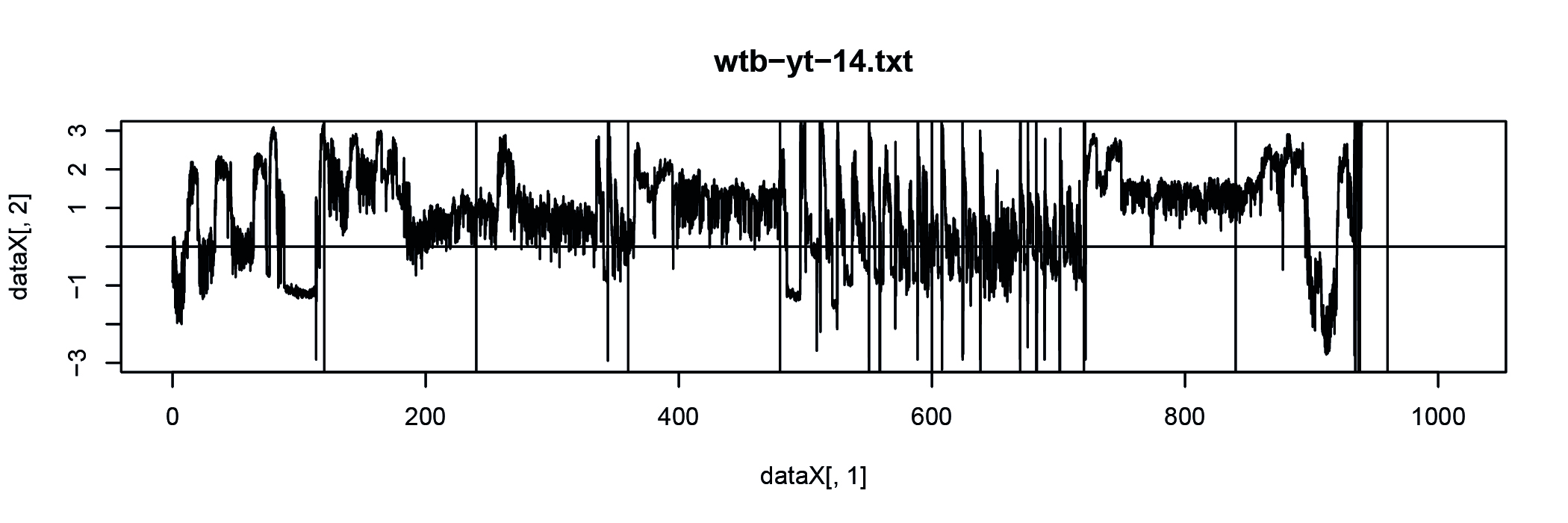
Wild Type Drosophila were used for single fly trace testing. The basic ideal is to record the spontaneous behavior (flying trace) after punishment training by heat. The followings are 3 subjects were test with performance index (PI).
- wtb_08 (right punishment).
| pretest(PI1) | training1(PI2) | training2(PI3) | test1(PI4) | training3(PI5) | traing4PI(PI6) | test2/3(PI7) |
| 10000 | 10000 | 10000 | 9984 | 9117 | 8113 | 10000 |
- wtb_10 (left punishment).
| pretest | training1 | training2 | test1 | training3 | traing4 | test2/3 |
| 1121 | 2583 | 2397 | -4310 | 9433 | 9458 | 9960 |
- wtb_14 (left punishment).
| pretest | training1 | training2 | test1 | training3 | traing4 | test2/3 |
| -832 | -9510 | -8339 | -9903 | -813 | -574 | -9887 |
- Average.
| pretest1/2 | training1 | training2 | test1 | training3 | traing4 | test2/3 | |
| all | 3429 | 1024 | 1352 | -1409 | 5912 | 5665 | 3357 |
| left punishment | 144 | -3463 | -2971 | -7106 | 4310 | 4442 | 36 |
PS: From Julien’s paper, he demonstrates that there are 7 blocks were included in PI ( one pretest:PI1; four training test: PI2, PI3, PI5,PI6; two memory test: PI4,PI7)
Category: Operant learning, operant self-learning | No Comments
Update
on Friday, July 1st, 2016 10:33 | by Christian Rohrsen
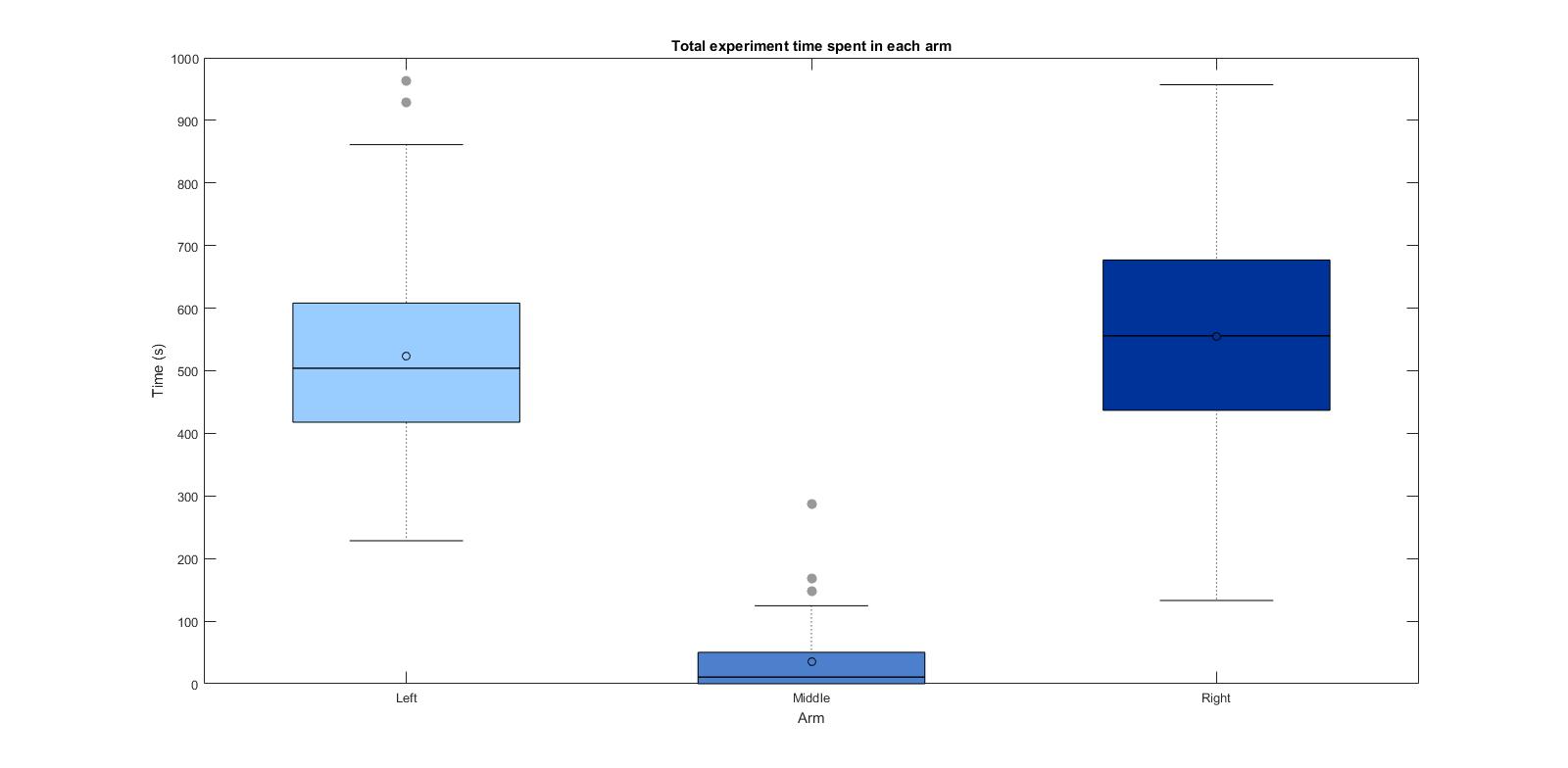
This is the same experiment as I previously showed of Gr66a>Chrimson (ATR). The only difference is that the light was on for the whole experiment, so that the flies could see the light before the entered the arm. Previously the light switched on once the fly went into the arm. The phenotype is much stronger (there is some classical component in it). I was trying to reinforce left or right turns but it does not seem to work after a bit trying out. It makes sense ecologically I think, that the right or left turns are not coupled to the reinforcement systems. I also have been thinking about the CS-US relation bitter taste-turn directions does not make sense ecologically, but maybe if instead of bitter, I apply pain or heat …it could work. I was thinking of reinforcing orientation as well as a speed threshold, or any other variants. What do you think? I would appreciate some ideas. Since I want to make sure about what am I measuring: operant/place/classical…
Modelling the T-maze screen
on Monday, March 14th, 2016 1:35 | by Christian Rohrsen
This is the markdown showing the protocol and results of the modelling for the choice in the T-maze. This is for calculating valence. Nevertheless, this needs to be confirmed with the results of more lines, it could be that it is overfitted, I would like to do in addition cross-validation. I´m actually doing crosses and finding new lines to have more lines to test.
Category: neuronal activation, Operant learning, Optogenetics, R code | 1 Comment