Salt avoidance under blue and redlight
on Sunday, July 6th, 2025 11:30 | by Eva Schächtl

N= 16
bluelight

N=16
bluelight

Category: genetics, Larve, neuronal activation, Optogenetics | No Comments
JoyStick results with 650 Lux yellow light
on Monday, June 30th, 2025 12:08 | by Daniel Döringer
We were having some issues with our Negative Control for the JoyStick. Without ATR the flies should not avoid optogenetic activation since the channel should not be functional, yet still they did. We lowered the light intensity from 800 Lux to 650 to see whether the light was to strong and would activate the Chrimson channel, even without ATR.
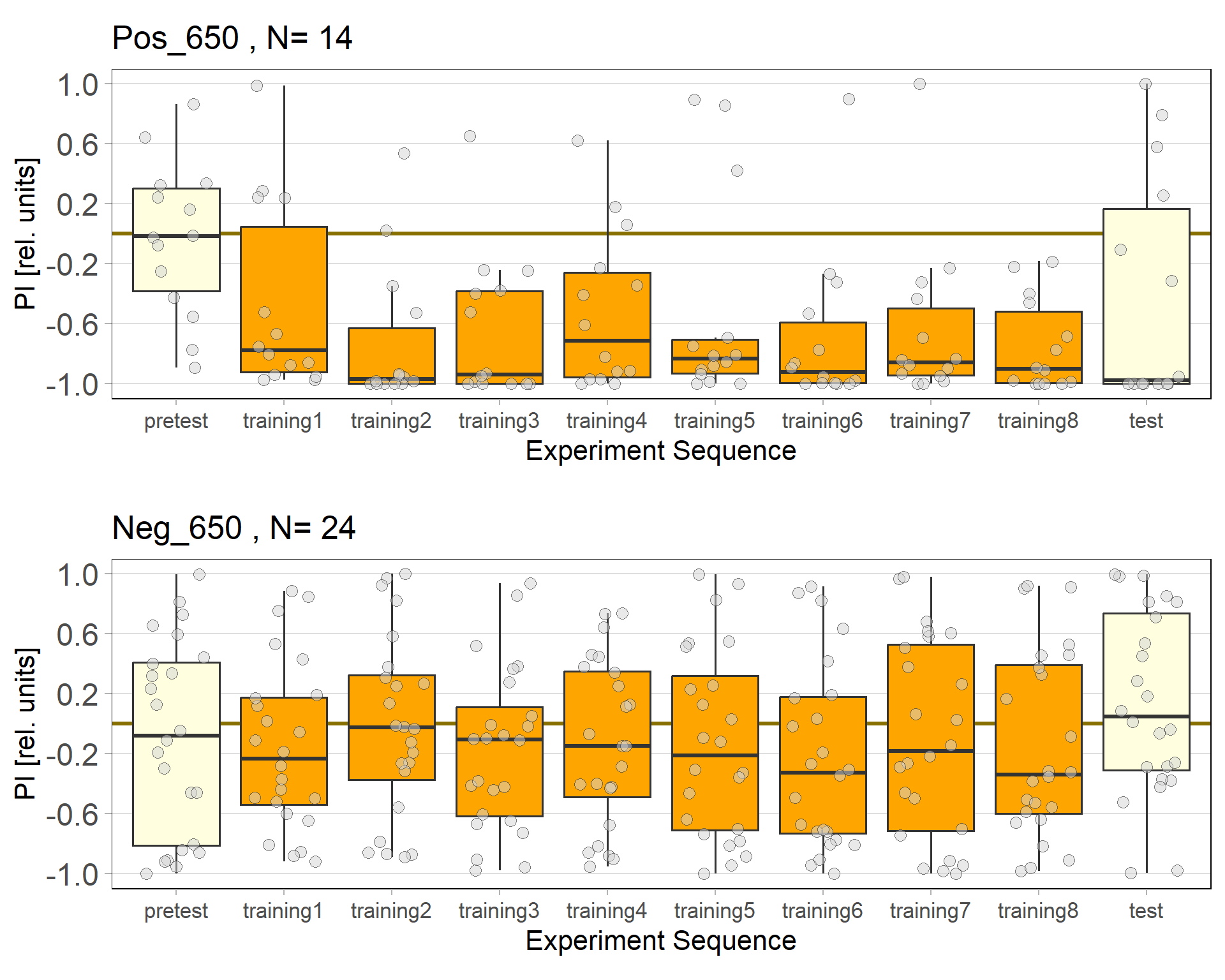
Alisa’s experiments
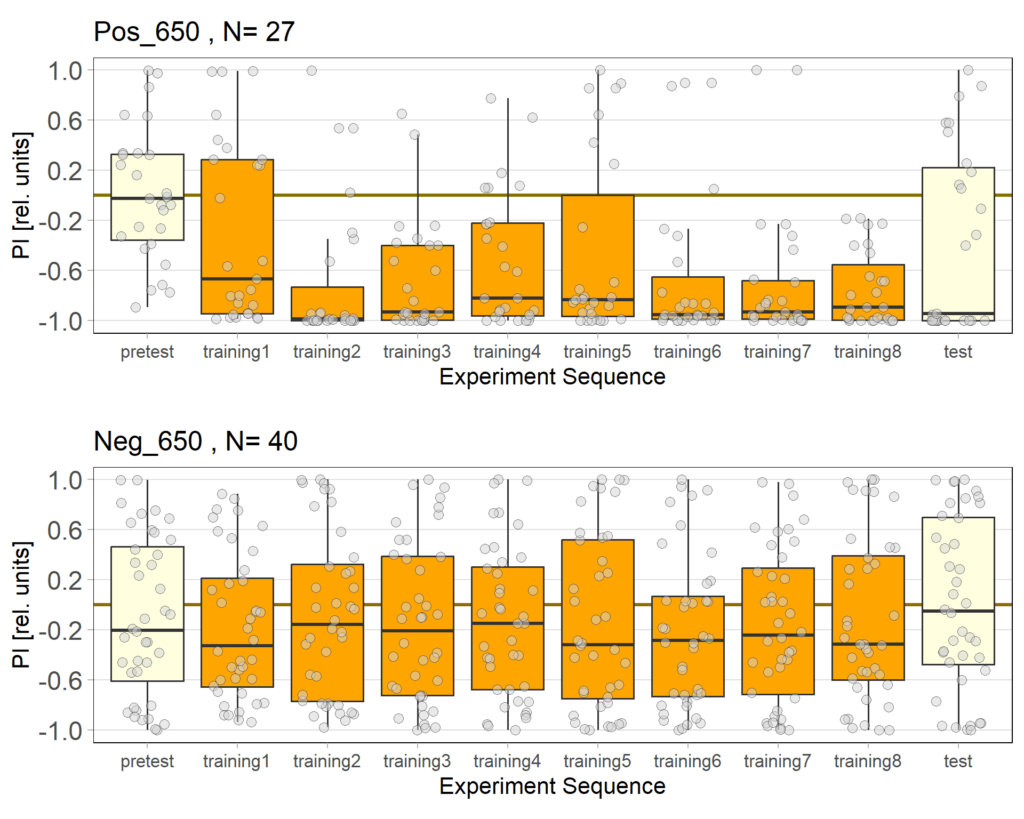
Alisa+Daniel experiments
Category: Optogenetics | No Comments
Final 3-Iodo-L-Tyrosine trial before testing PPM2 flies.
on Monday, June 30th, 2025 11:34 | by Daniel Döringer
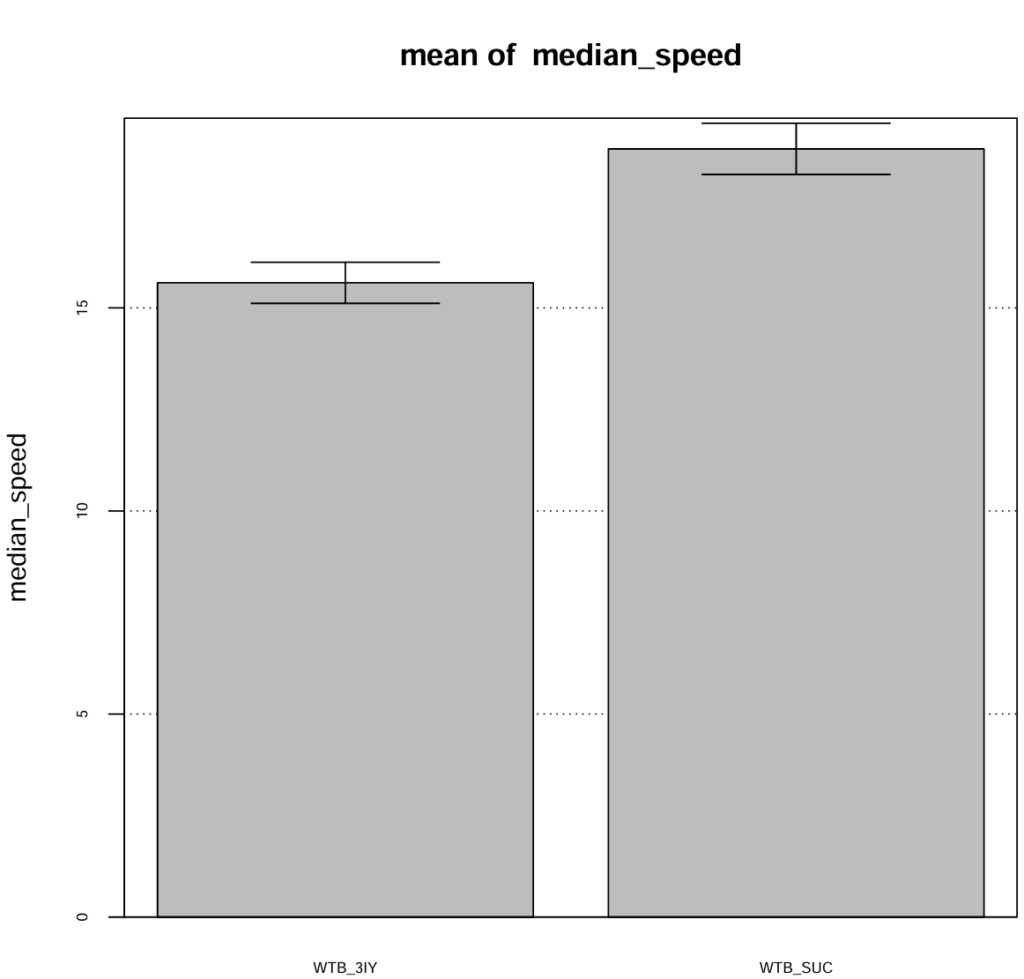
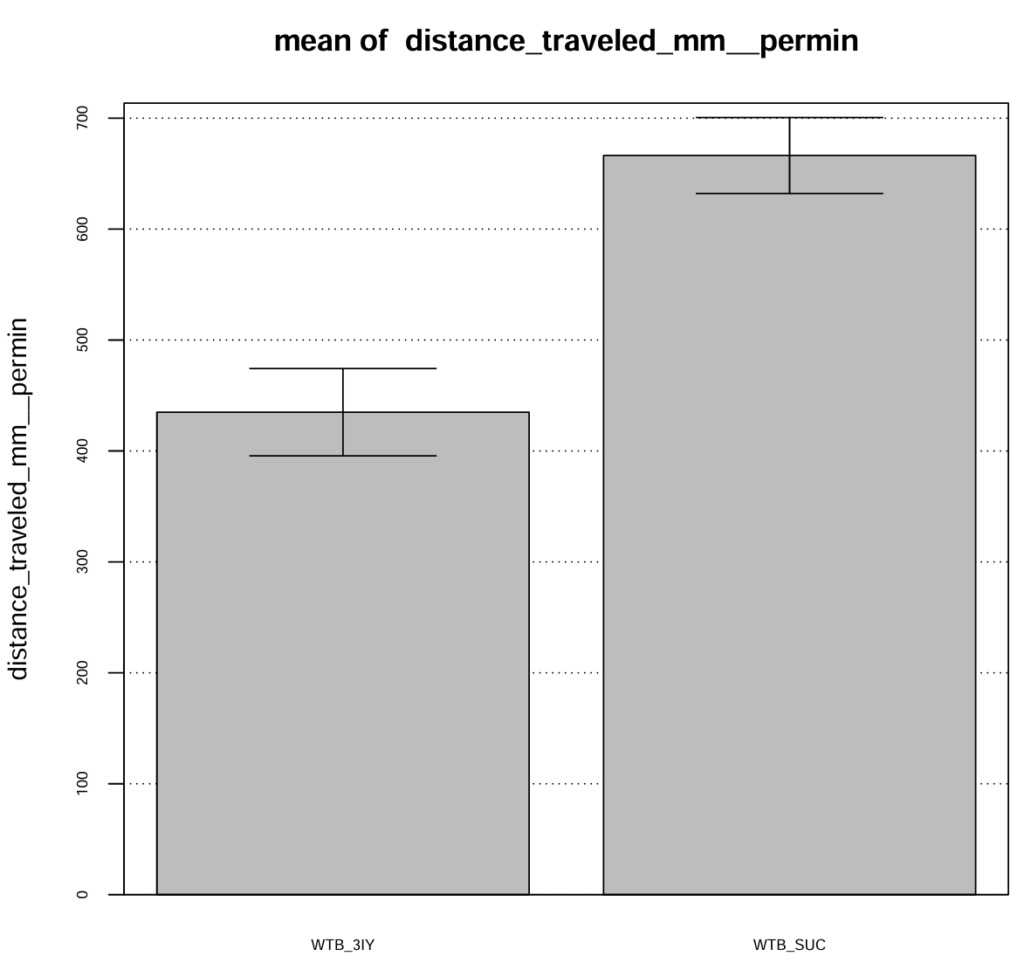
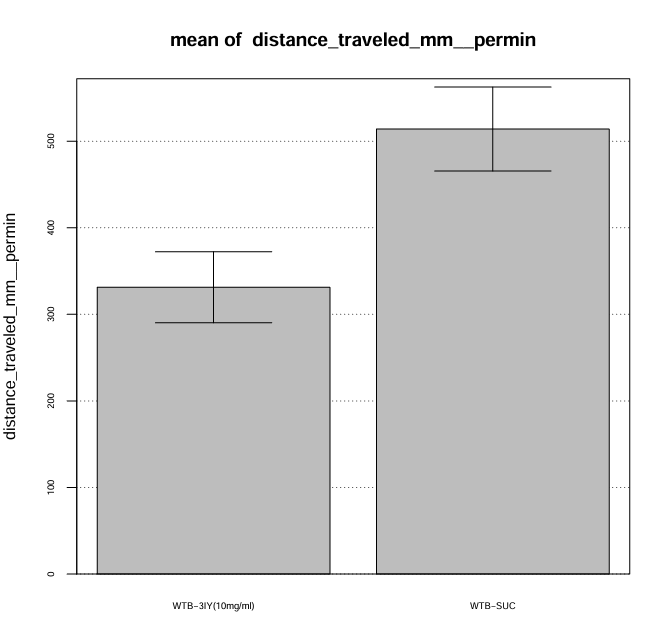
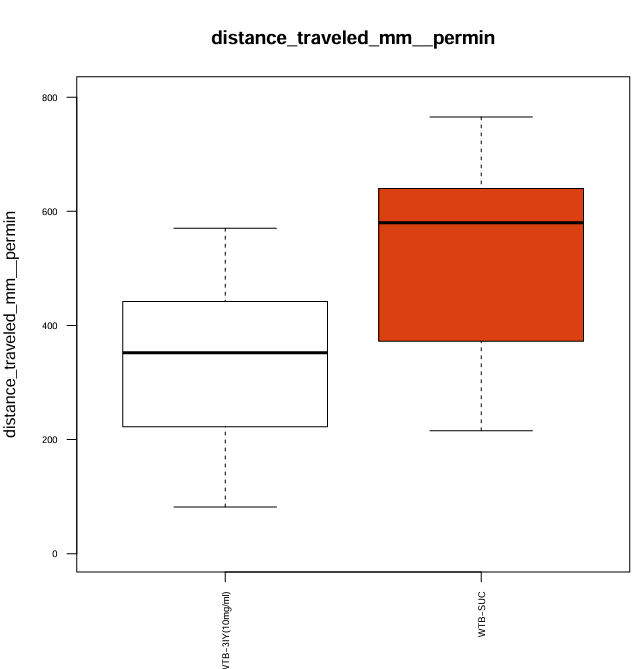
I confirmed the action of the dopamine synthesis inhibitor 3-Iodo-L-tyrosine (3IY) in a previous trial, where treated flies showed decreased walking speed and distance when tested in an open field. In this trial I tested the flies “fresh out of the tube” so that they were able to feed on 3IY right to the point where they were tested. For the main experiment however, flies will be transferred from the food 2-5 hours before the experiment. To confirm, that the effect of 3IY treatment will persist also after this time span I moved flies from 3IY supplemented vials to fresh, empty vials at least 4 hours before measuring walking behavior in the open field. The results confirm, that the effect of 3IY is still present after this time.
Category: Optogenetics | No Comments
Salt avoidance under blue and redlight
on Sunday, June 29th, 2025 10:10 | by Eva Schächtl
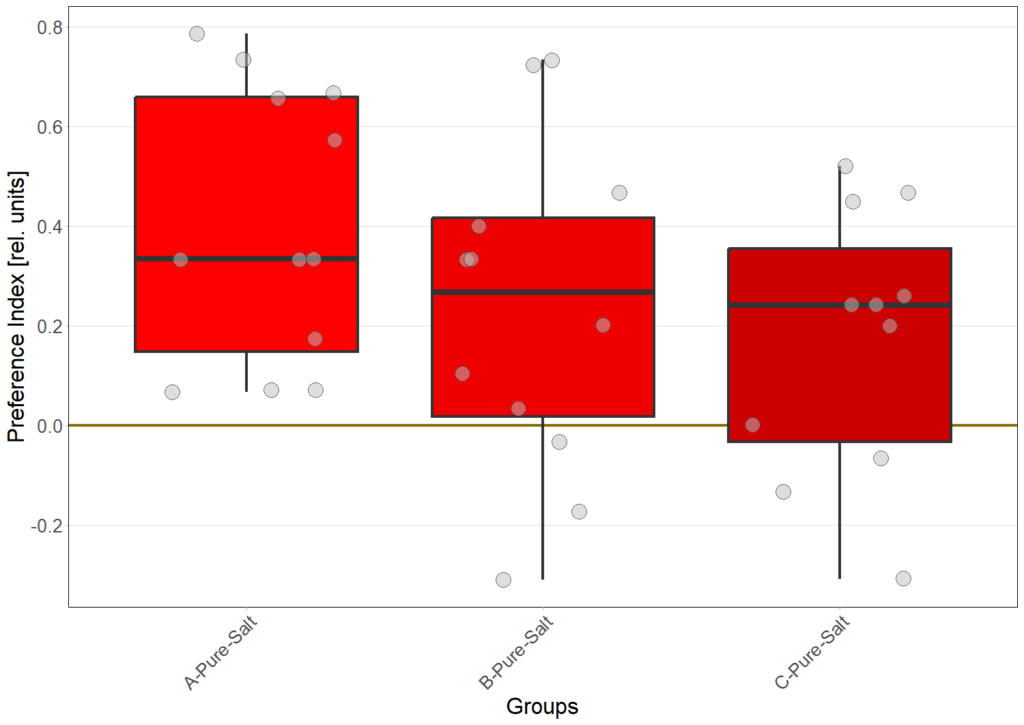
N=12
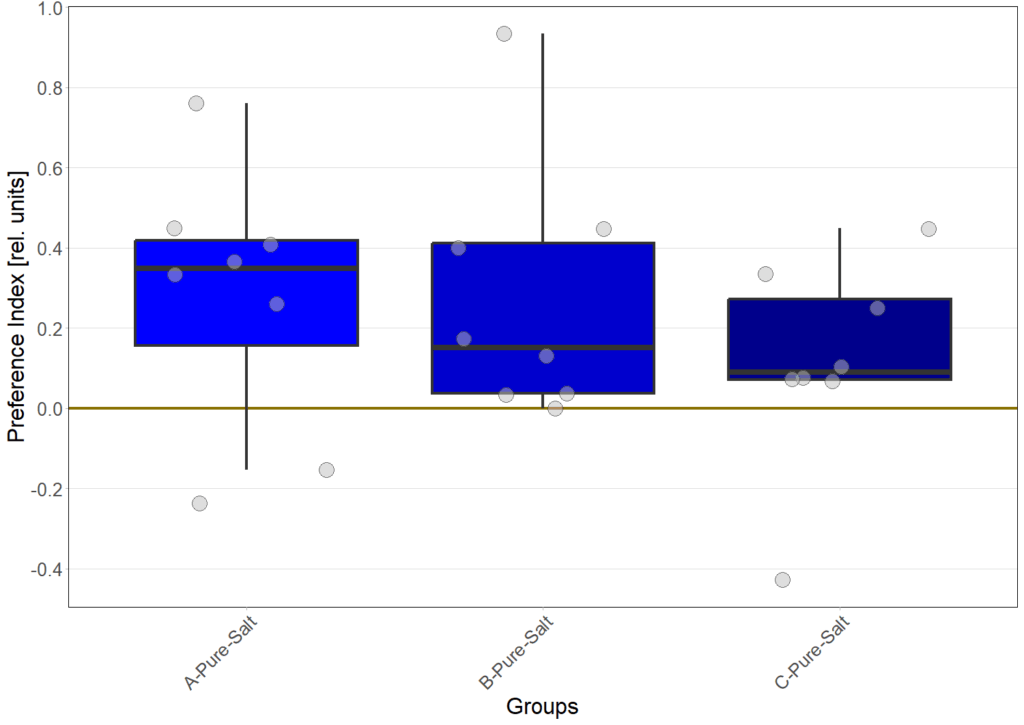
N=8
Category: genetics, Larve, neuronal activation, Optogenetics | No Comments
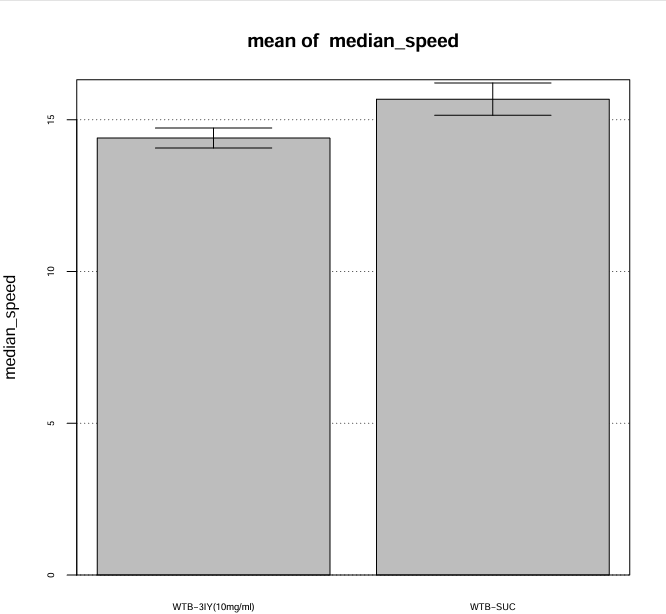
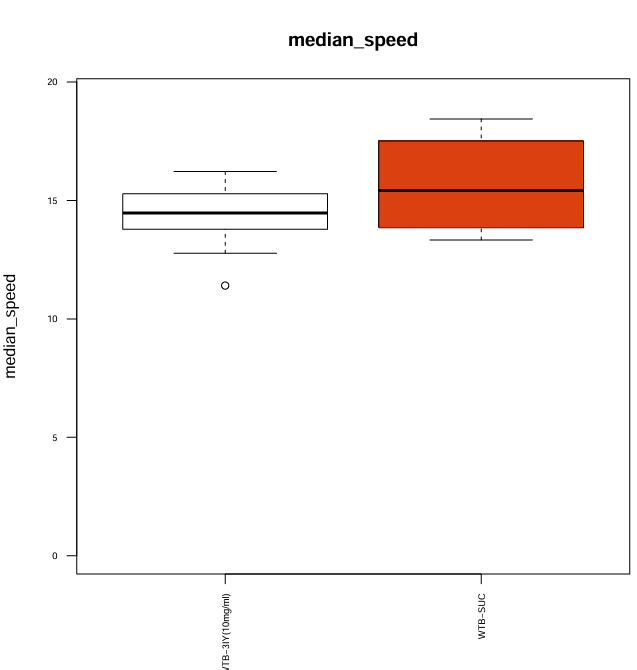
3-Iodo-L-tyrosine Trial 3
on Monday, June 23rd, 2025 1:13 | by Daniel Döringer
For this trial I prepared 2mL of 3IY (10mg/ml in 5% Sucrose) 30 minutes before applying it to 8 pieces of filter paper stacked in the glass vial. I pipetted the whole volume of 2mL into the vial and discarded the excess liquid.
Category: Optogenetics | No Comments
Trying to fix the Negativ Control for JoyStick Experiments
on Monday, June 23rd, 2025 1:06 | by Daniel Döringer
Recent results revealed problems with our negative control (Gr28bd-Gal4; TrpA1-Gal4+ EtOH) treated with EtOH. As the food for these flies was not substituted with ATR but only with Ethanol (ATR is dissolved in EtOH), the Chrimson channel should be non-functional in this group and the flies should therefore not avoid light. However, we observed negative PIs for this group. Since some activation of the Chrimson channel could be possible even without ATR, I tried to lower the used light intensity to values where the positve control would still avoid light, but the intensity would be too low for the Chrimson channel to activate when no ATR is present.
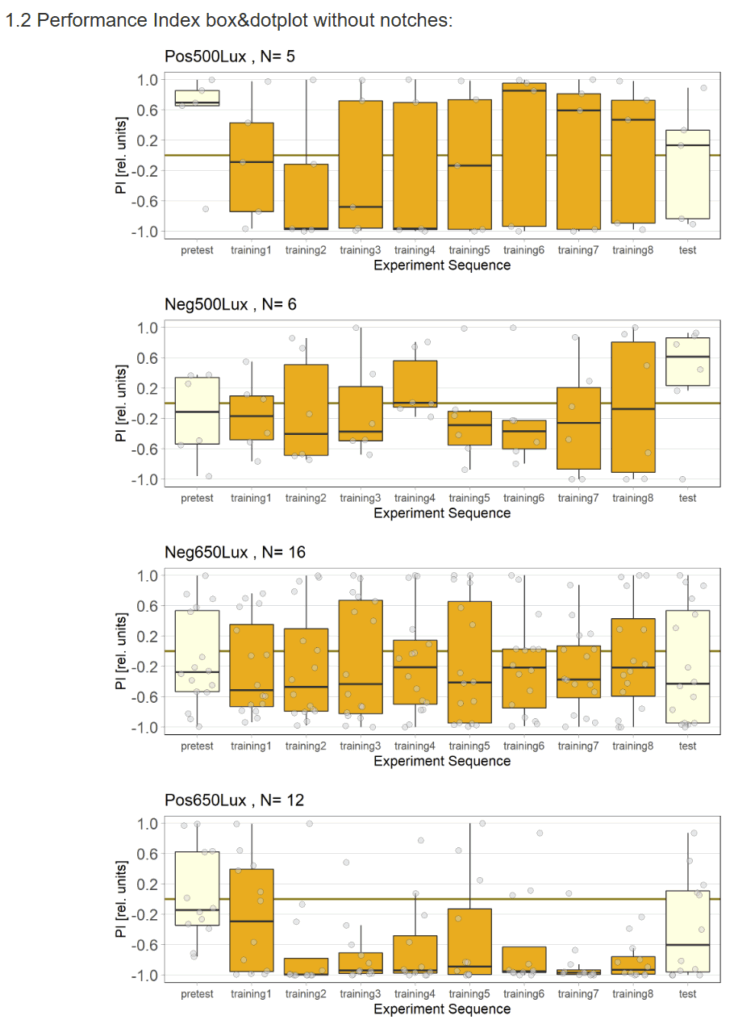
It seems that 650 Lux might still be too high. Therefore I will conduct another trial with 500 Lux.
Category: Optogenetics | No Comments
Gustatory preference final results (ChR2-XXL x MB143B)
on Sunday, June 22nd, 2025 10:55 | by Eva Schächtl
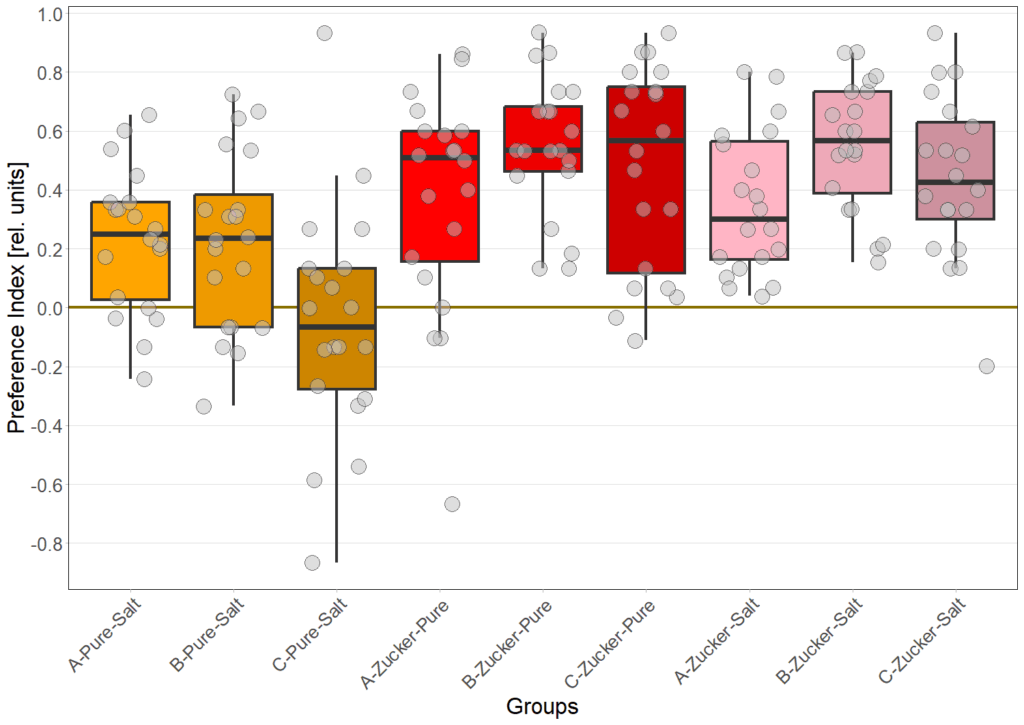
Redlight
N=20
Experiment group = A
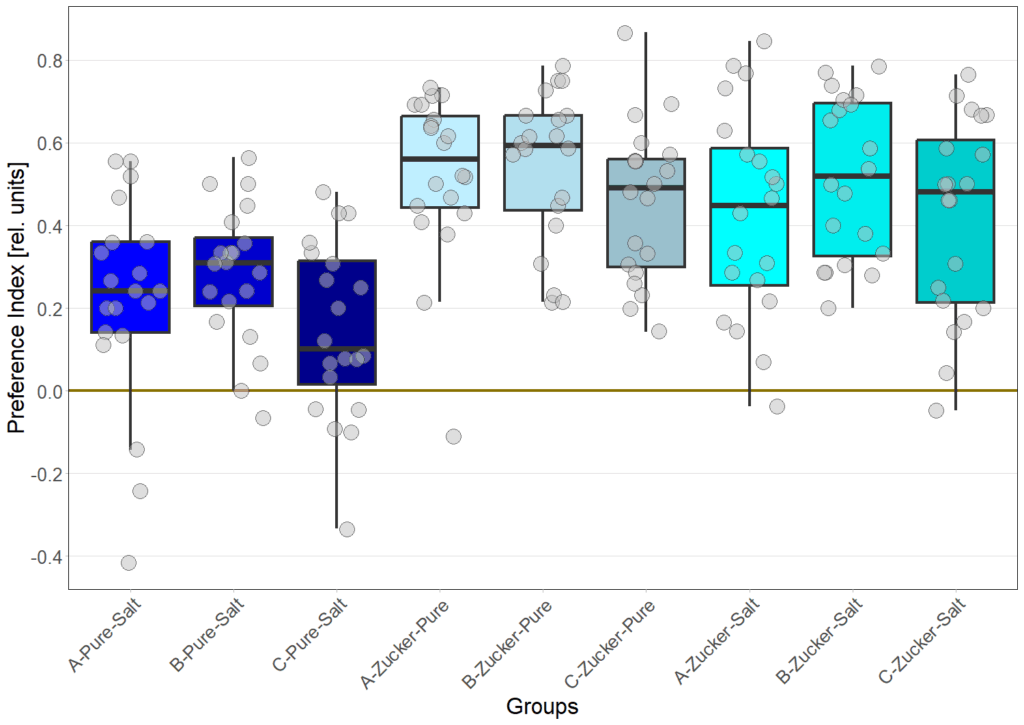
bluelight
N=20
Experiment group = A
Category: Food preference, Larve, neuronal activation, Optogenetics | No Comments
Gustatory preference results
on Monday, June 2nd, 2025 2:03 | by Eva Schächtl

Gustatory preference under redlight

Gustatory preference under bluelight
Category: Food preference, genetics, Larve, neuronal activation, Optogenetics, Uncategorized | No Comments
JoyStick results for re-testing PPM2 flies
on Monday, June 2nd, 2025 1:58 | by Daniel Döringer
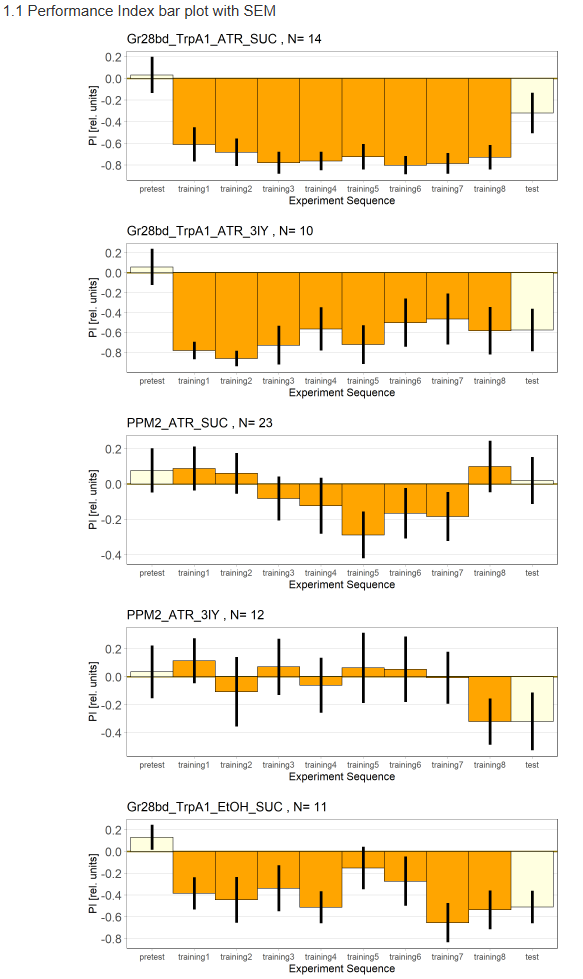
It’s not yet confirmed, that the 3IY treatment is working
Category: Optogenetics, Uncategorized | No Comments
Results from different dopamine depletion trials with 3-Iodo-Tyrosine (3IY)
on Monday, June 2nd, 2025 1:56 | by Daniel Döringer
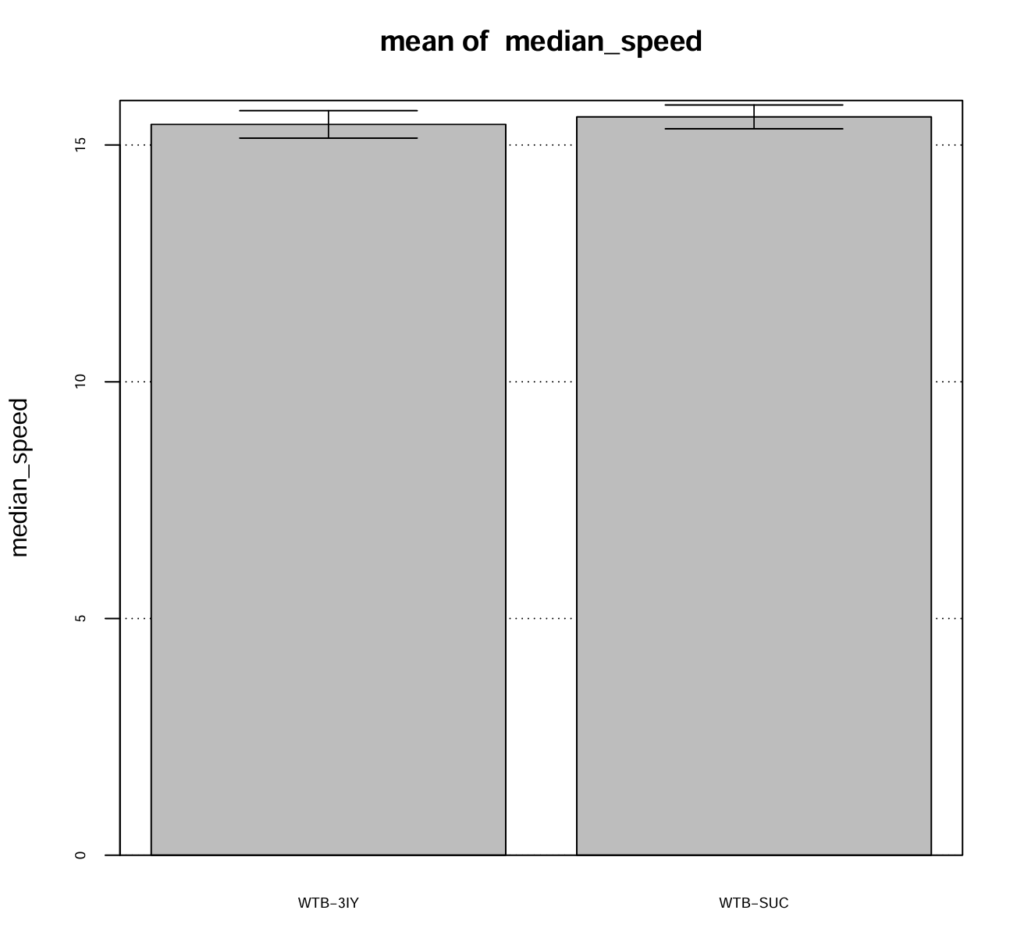
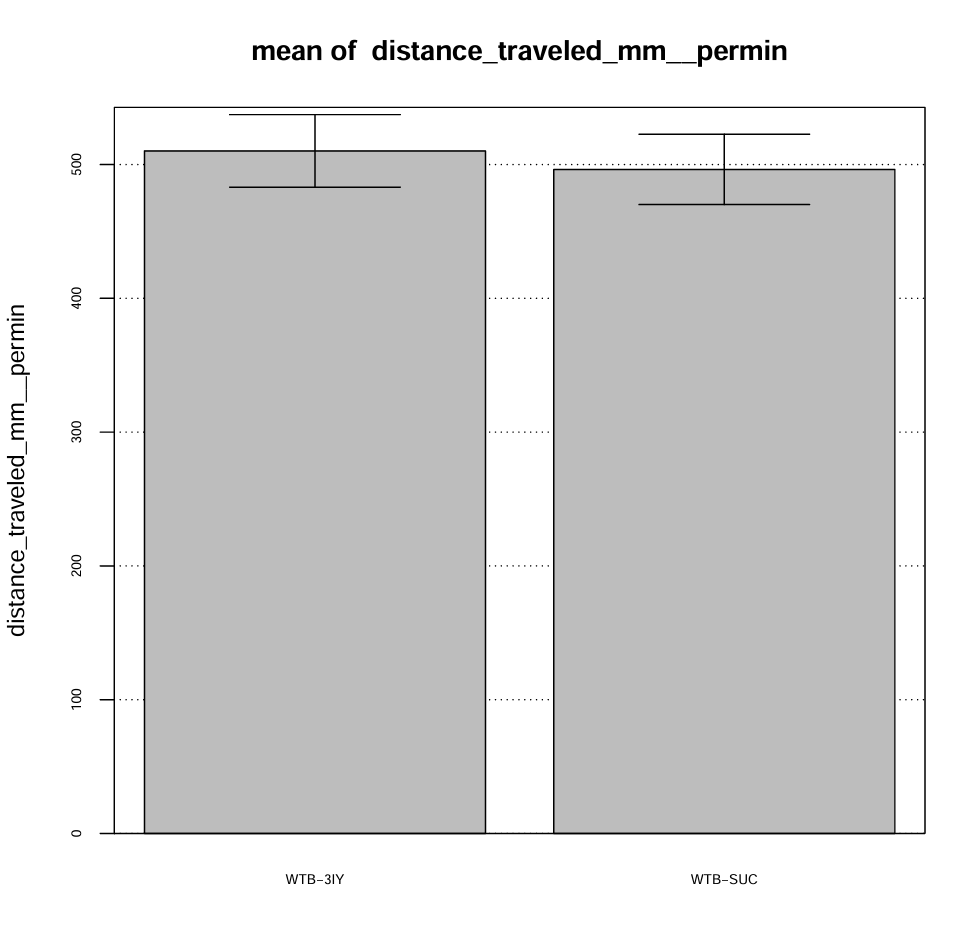
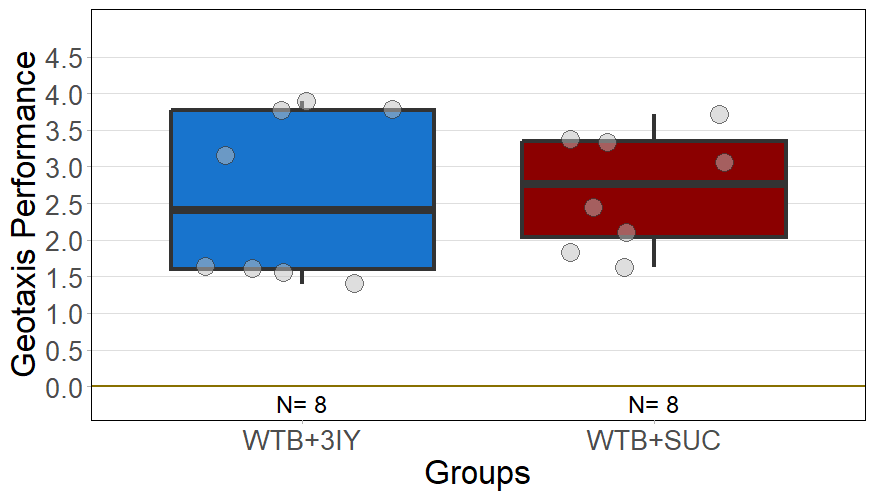
To see whether the initial preference but also the preference shift, observed for flies expressing the optogenetic Chrimson-Channel in neurons from the PPM2 cluster (tested for preference in JoyStick and T-Maze), does depend on dopamine signaling, I want to repeat these experiments with dopamine depleted flies. For this I plan to use 3-Iodo-Tyrosine, which should reduce dopamine production. To verify the effect 3IY I conducted two sets of experiments, testing locomotion and geotaxis. Successfully depleting dopamine should decrease locomotion and performance in geotaxis assays. At this point both experiments have the same outcome, that the tested method to apply 3IY does not work.
Locomotion in open field arena
Geotaxis in Benzer Counter-Current
Category: Optogenetics, Uncategorized | No Comments