Test for hsGal4
on Monday, September 14th, 2020 1:40 | by Andreas Ehweiner
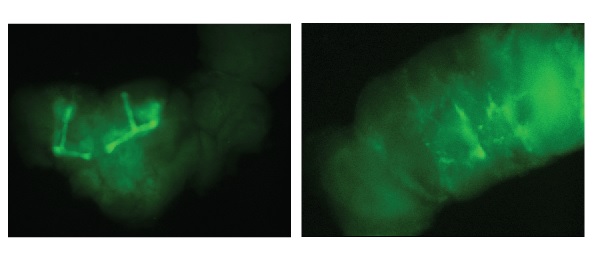
Comparison between Control (elavGal4 x CD8GFP) and hsGla4 x CD8GFP. Hs for 3h, fixation and dissection after 24h.

Category: Anatomy, crosses | No Comments
Statistical evaluation of OR
on Monday, May 25th, 2020 12:23 | by Anders Eriksson
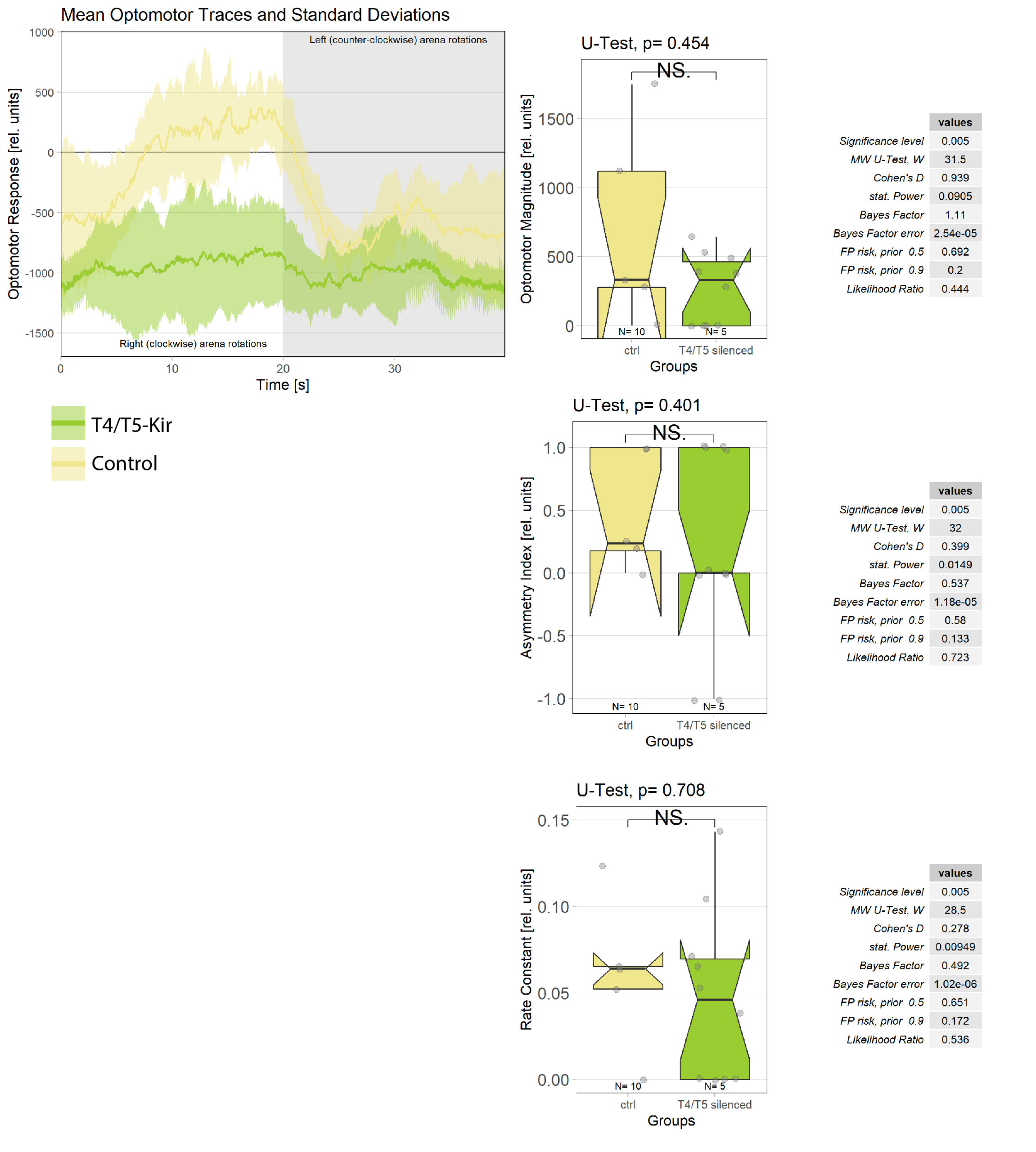
Recently I measured the optomotor response in T4/T5 flies. As expected, they did not respond to the optomotor stimulus as seen in the left chart below. However, statistical evaluation struggles to quantify this difference. It might be that this is because of the low sample size, or that we are using the wrong statistical analysis?
Category: crosses, genetics, Lab, Optomotor response, R code | No Comments
Waiting for crosses to hatch
on Wednesday, February 26th, 2020 1:46 | by Ottavia Palazzo
- ato-Gal4 x conditional KO —> Removing FoxP in Dorsal Cluster Neurons for Buridan
- cmpy-Gal4 x conditional KO —> Removing FoxP in Protocerebral Bridge for Buridan
- temperature switch at embryo stage but shorter time —> for replicating the KO phenotype
- LexA + Gal4 together to analyze larval brain (I have always considered larvae except for this experiment, so I am doing it to be more complete)
Furthermore, for not loosing time this week I did:
- Leipzig presentation
- Wrote a bit of results for paper/thesis
Category: buridan, crosses, Foxp | No Comments
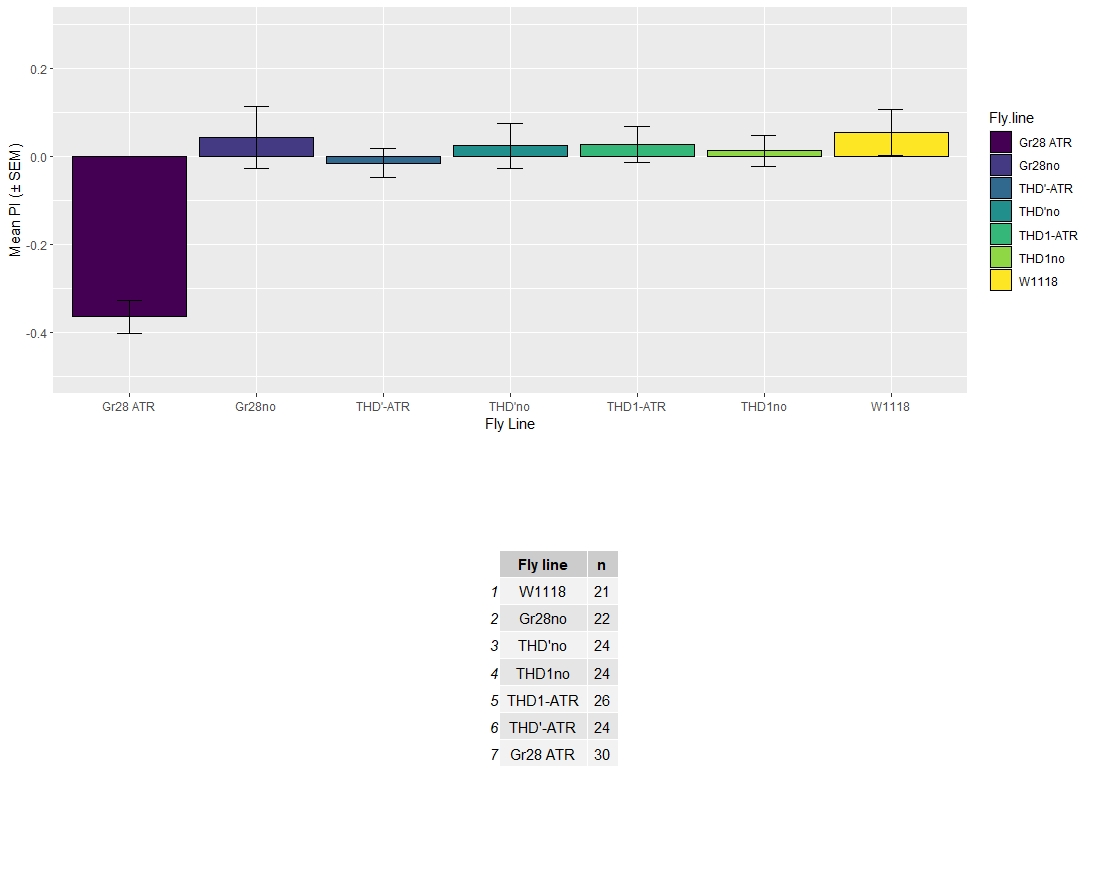
T-maze screen with yellow light
on Monday, February 3rd, 2020 12:57 | by Anders Eriksson
Category: crosses, genetics, Lab, neuronal activation | No Comments
Crossings I did this week
on Tuesday, January 7th, 2020 11:57 | by Ottavia Palazzo
- Protocerebral bridge lines X CD8-GFP
- C380-Gal4 X UAS-gFOXP;UAS-Cas9 (+ 2 controls)
- stinger;Foxp-iB X FoxP-KO
Category: crosses, Foxp | No Comments
Strokelitude – New Findings and Recordings (1.-7. Apr.)
on Monday, April 8th, 2019 1:14 | by Miroslav Stojic
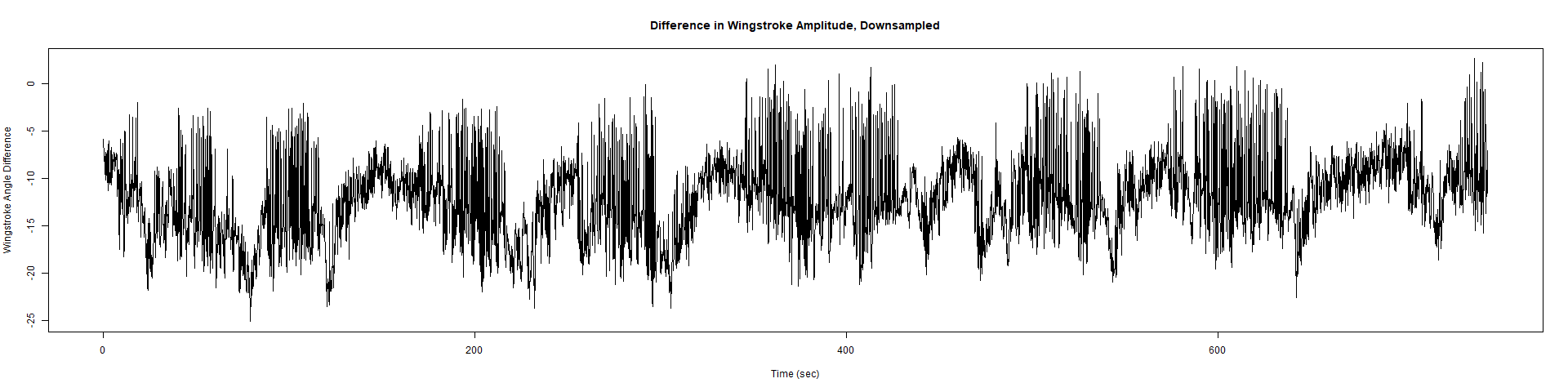
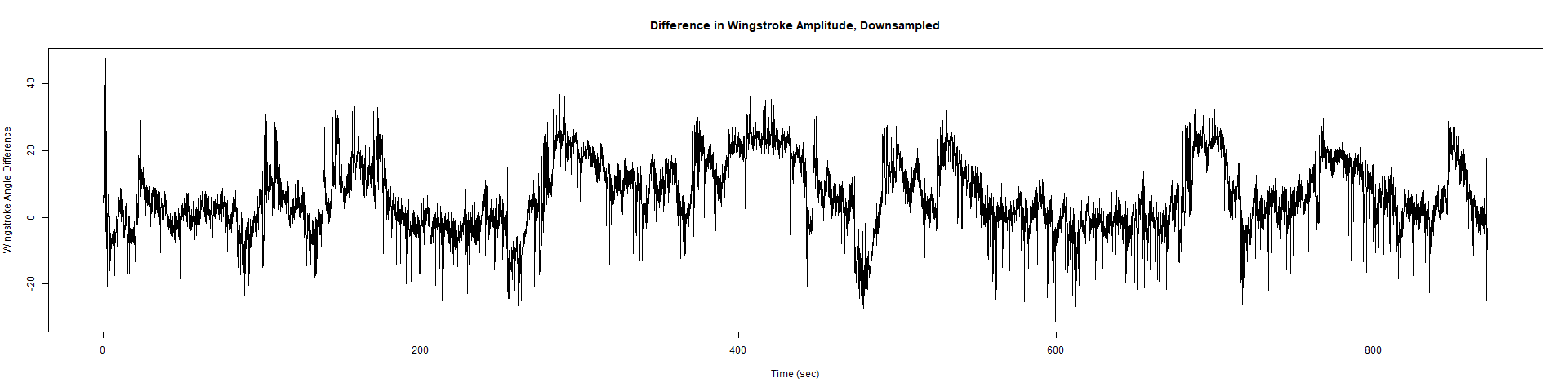
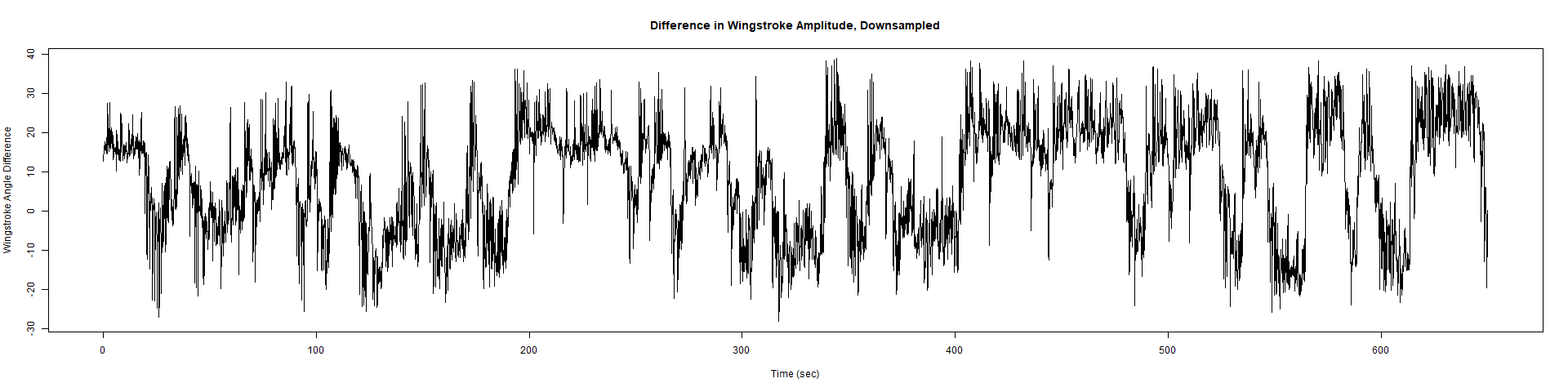
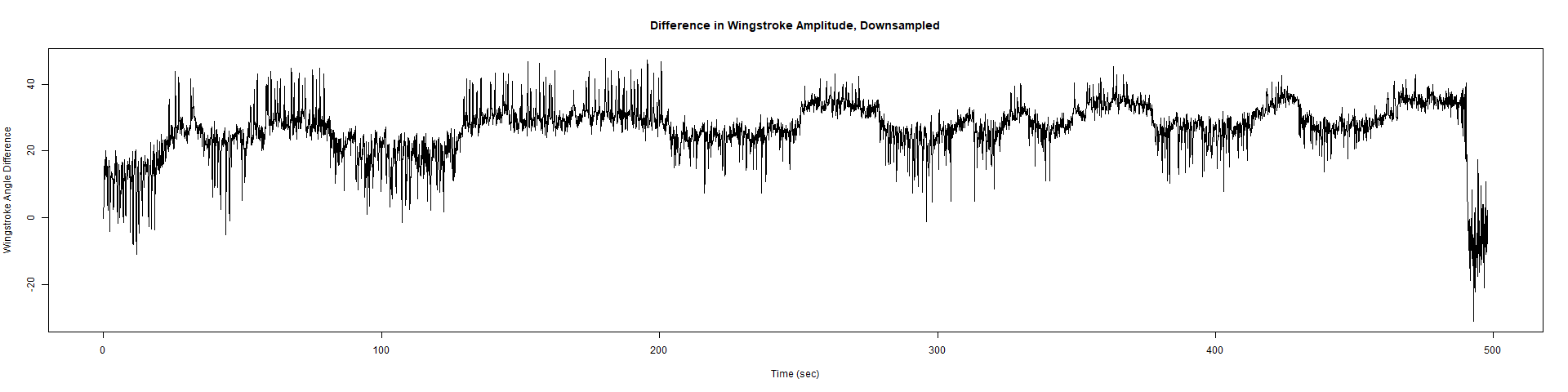
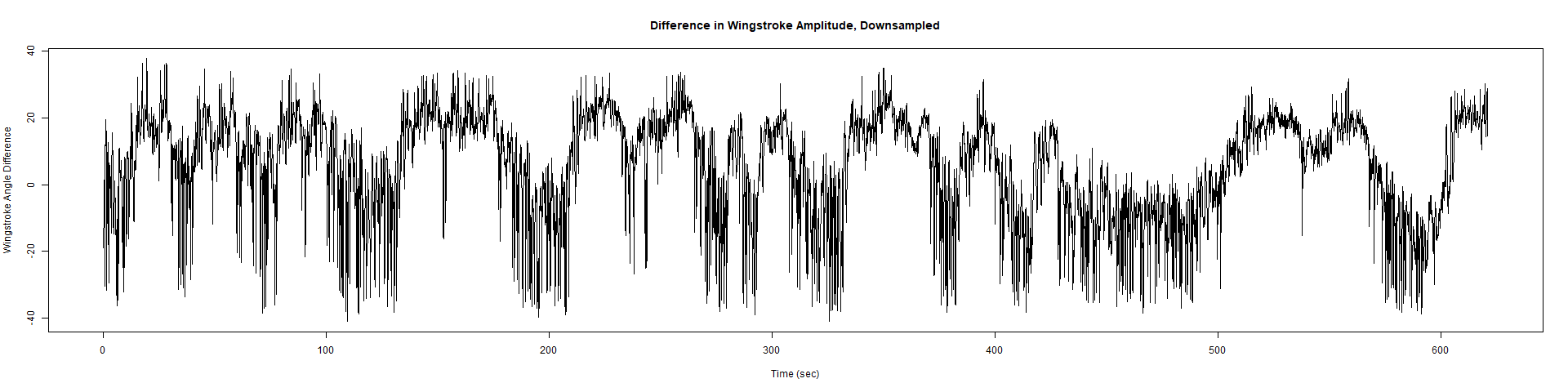
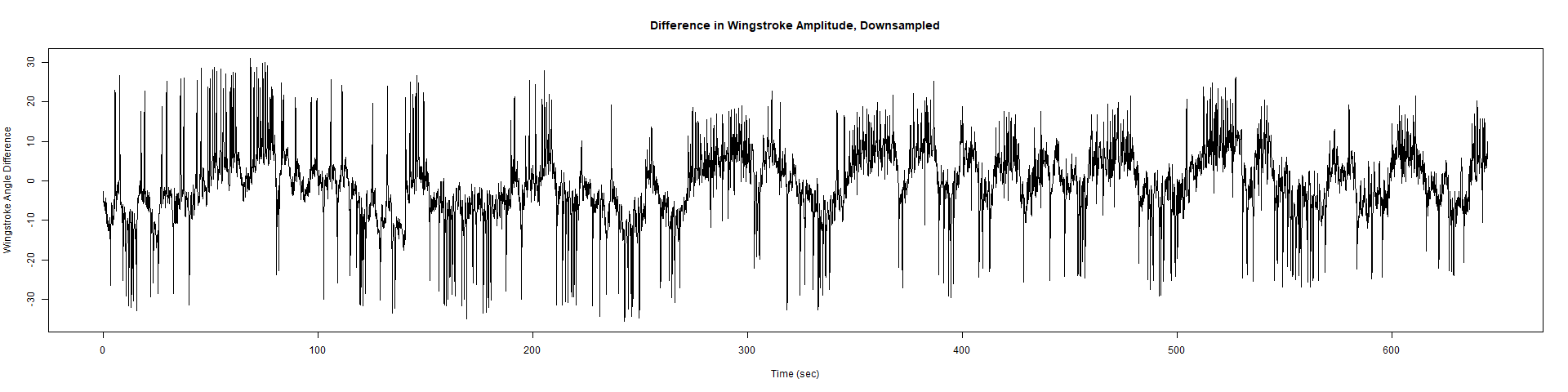
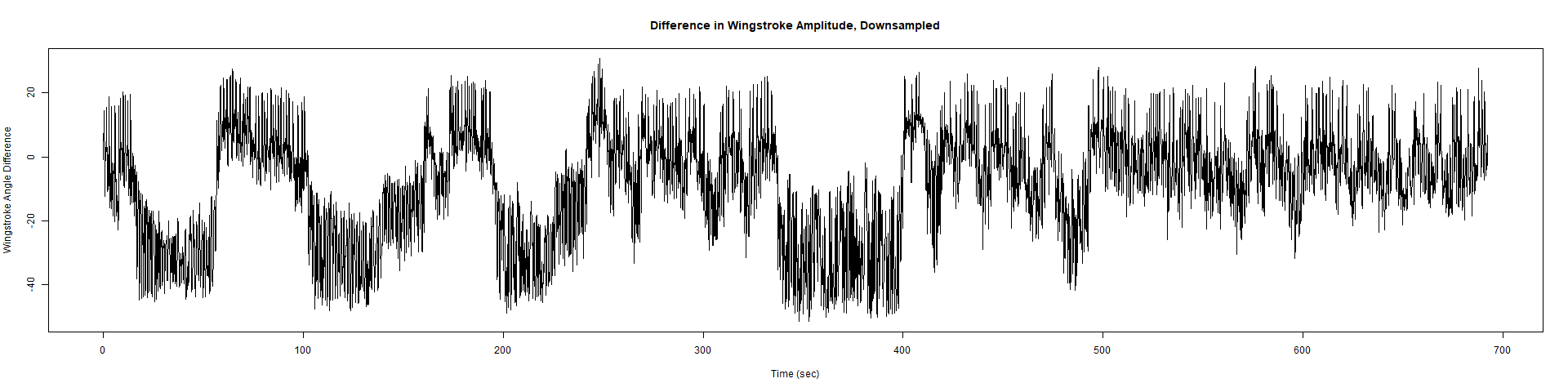
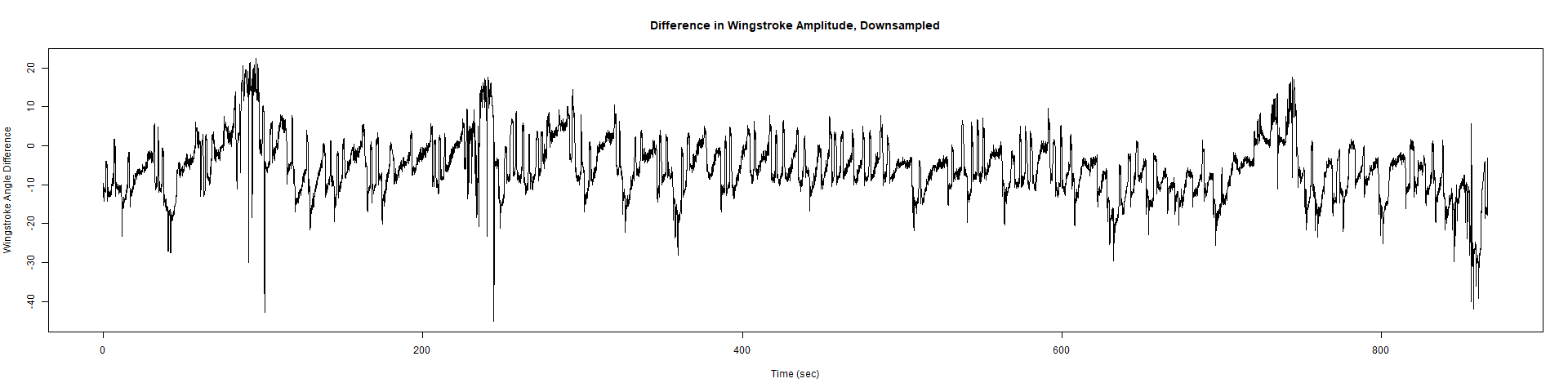
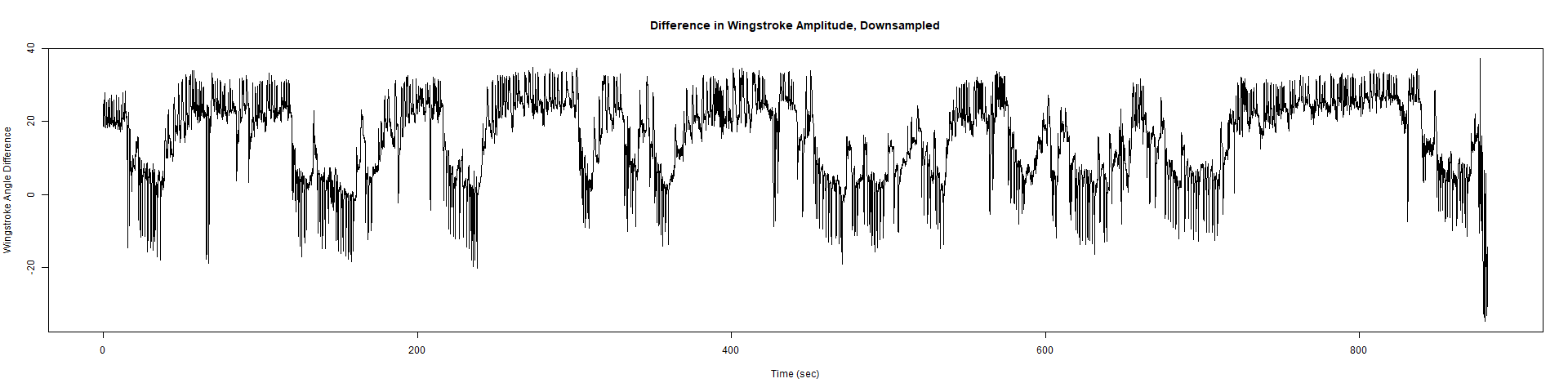
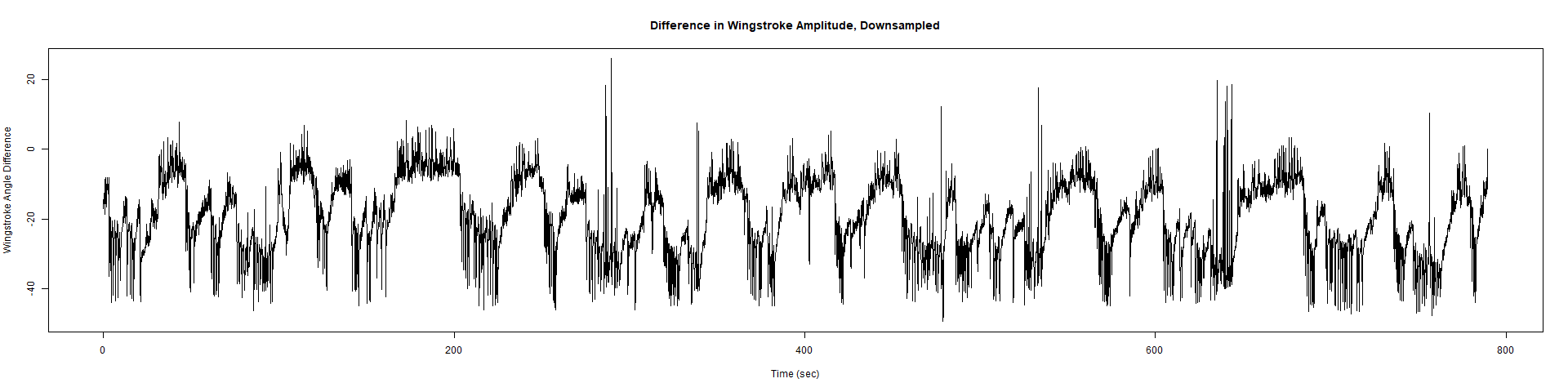
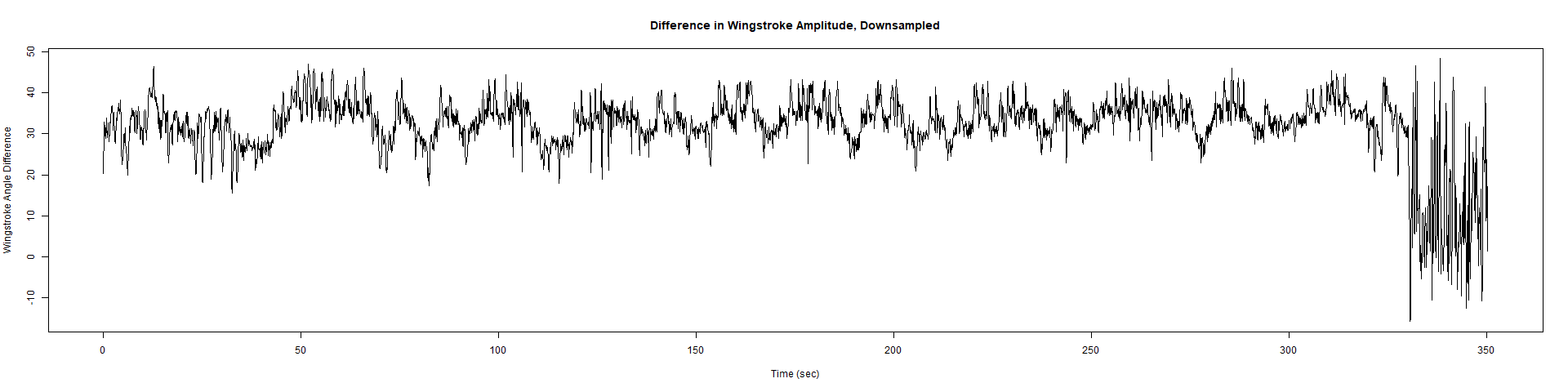
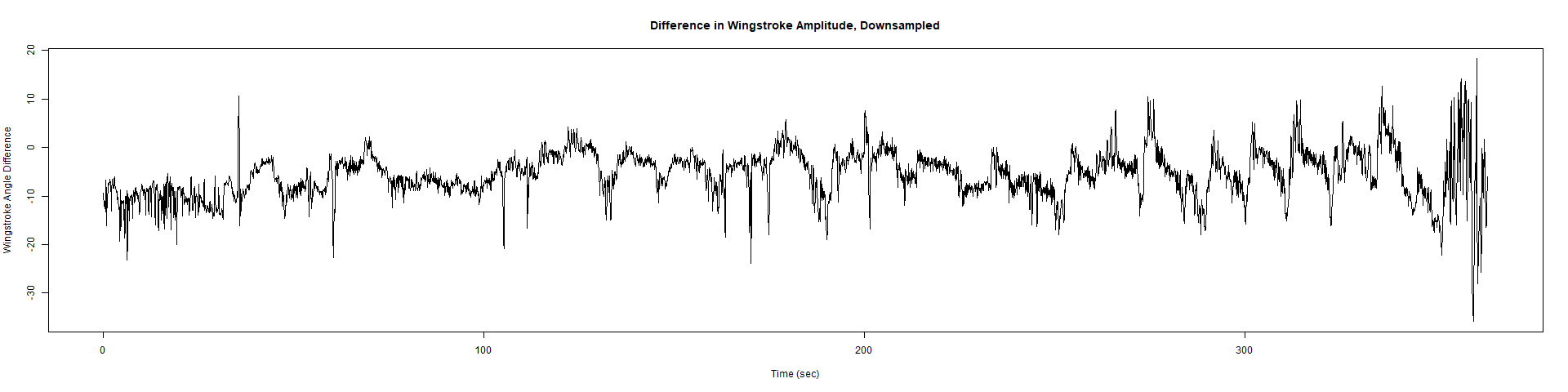
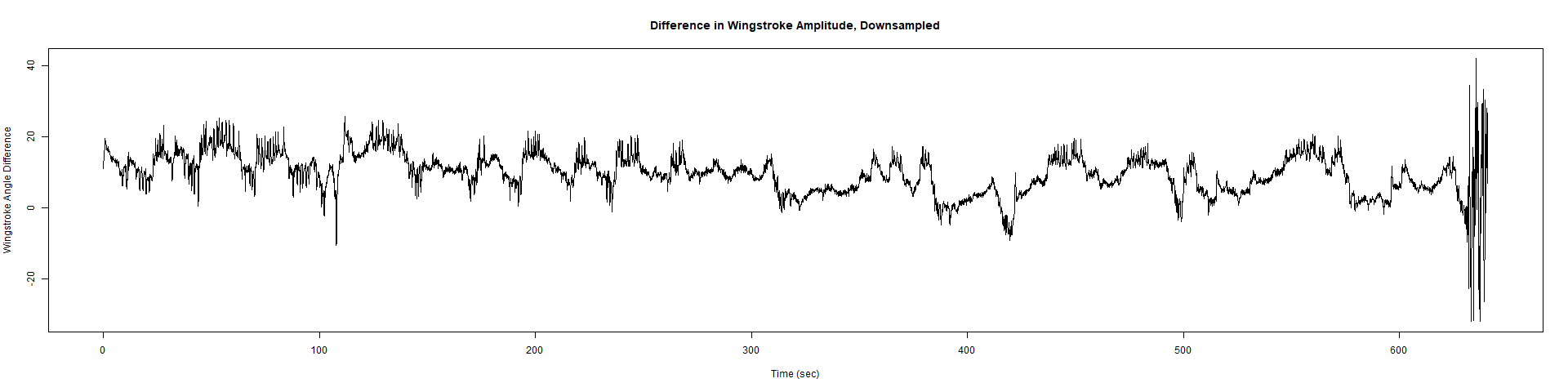
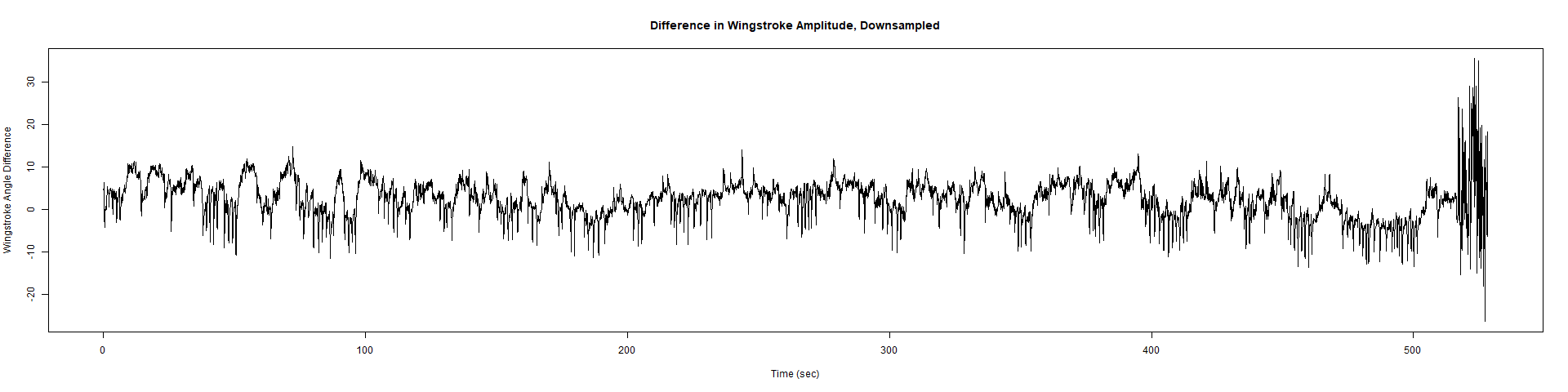
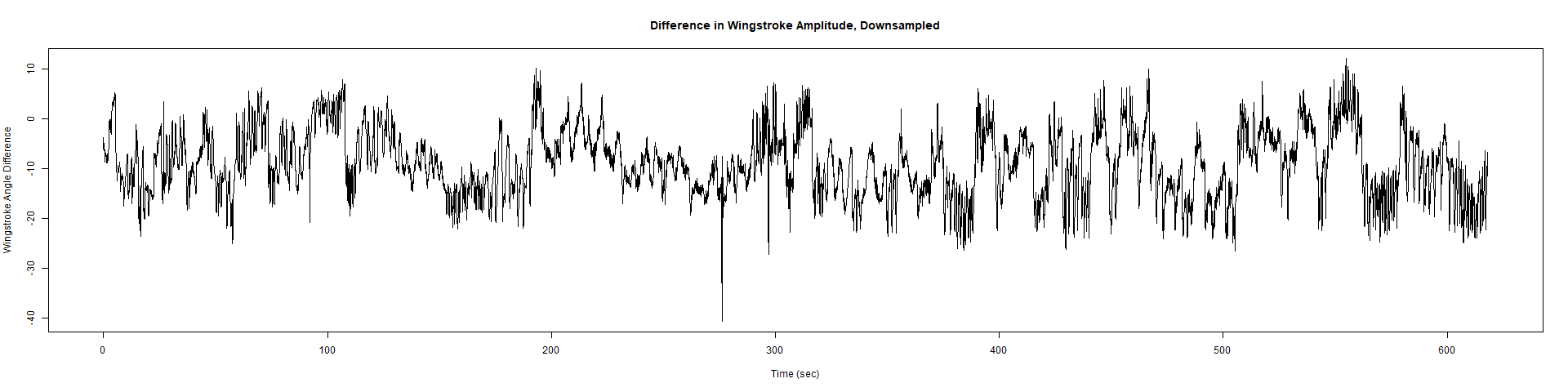
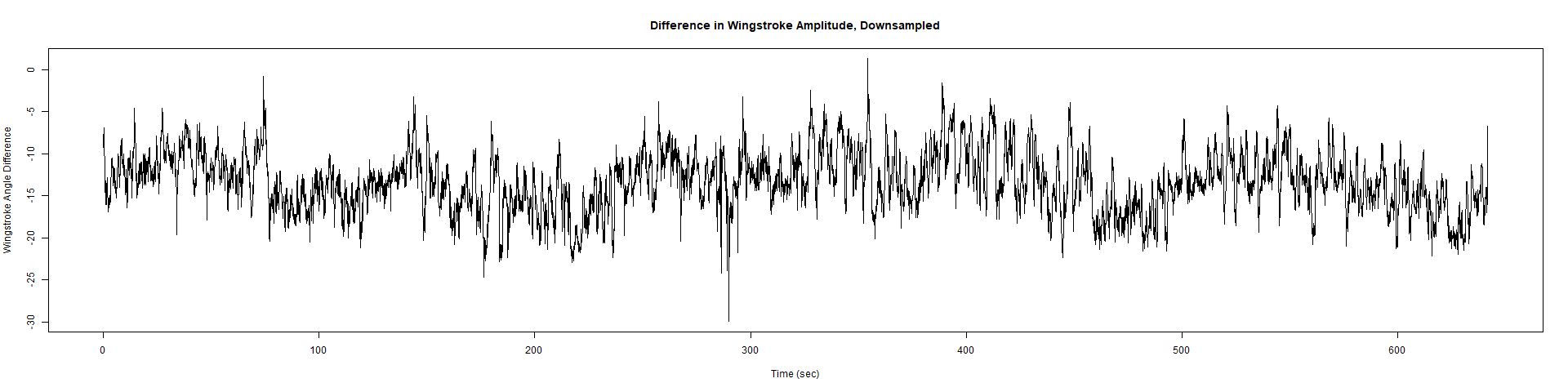
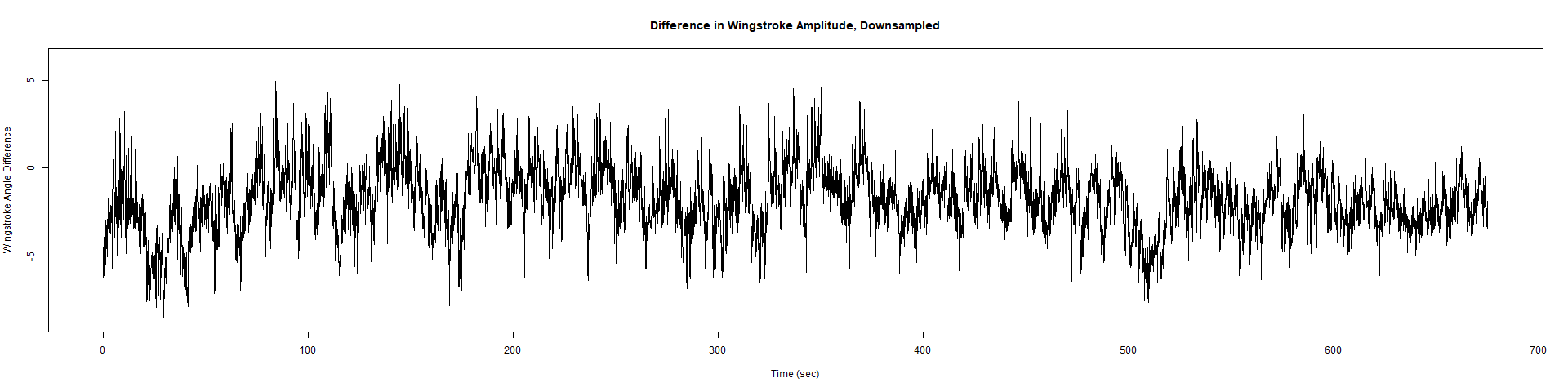
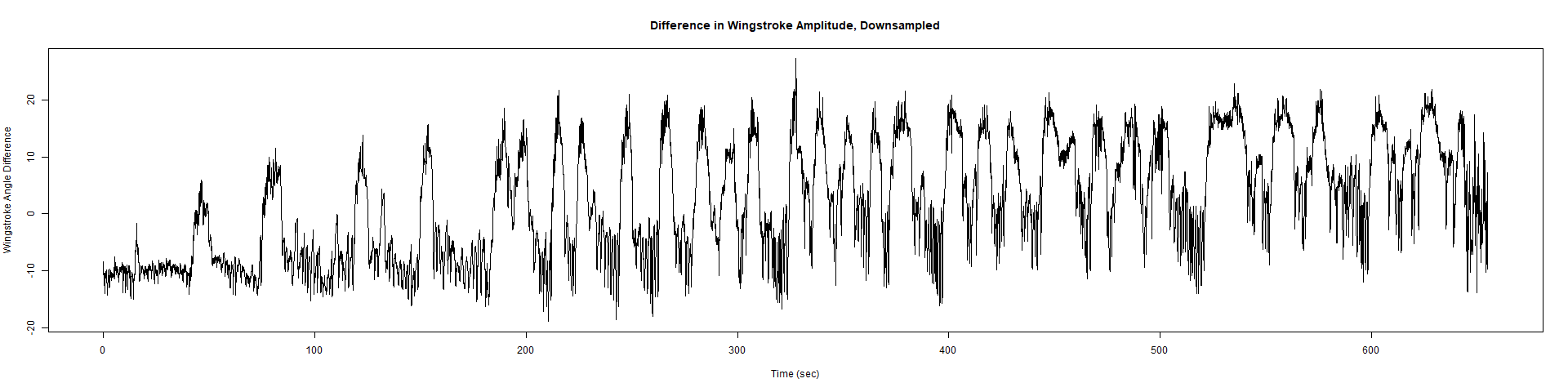
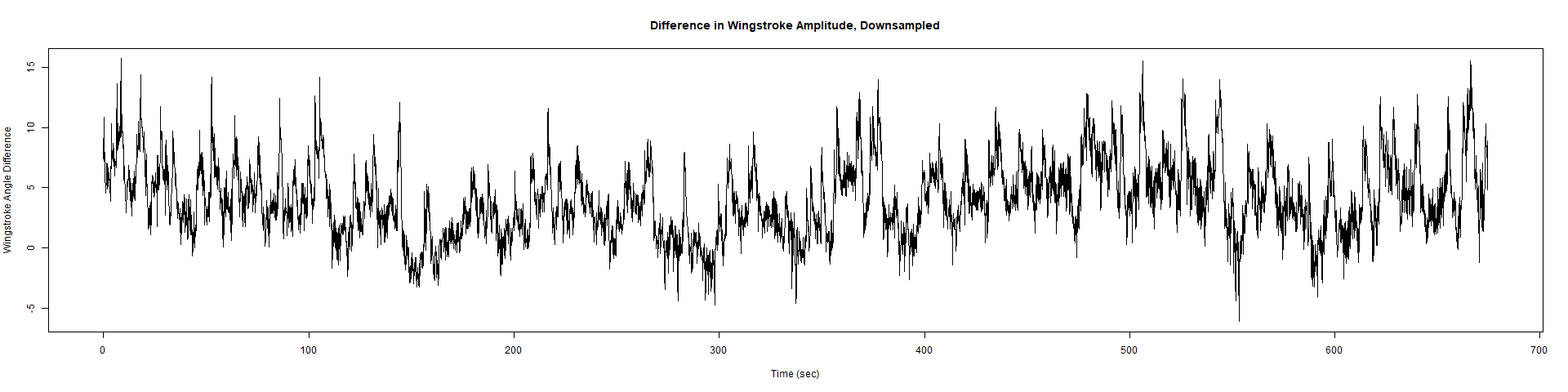
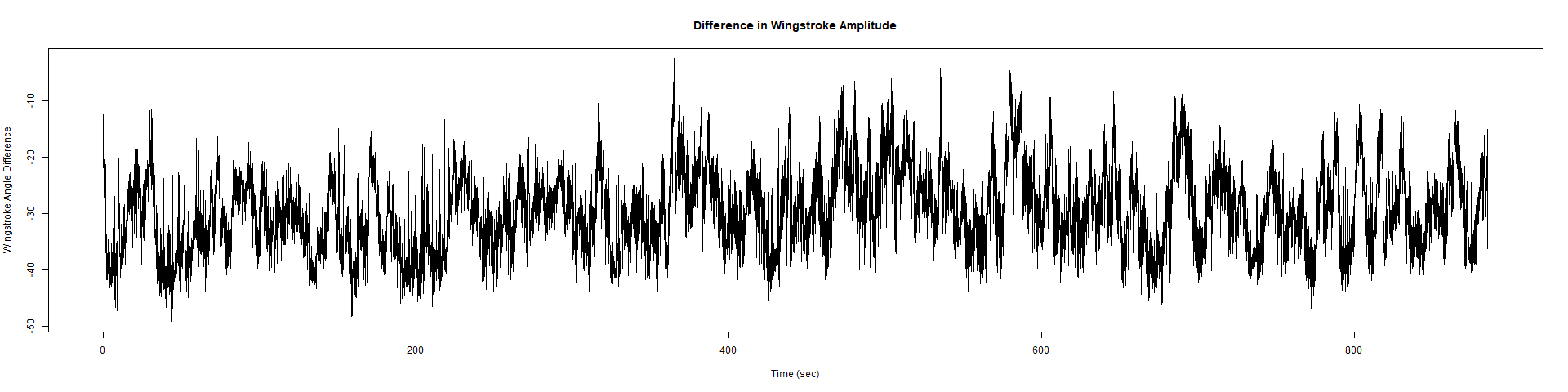
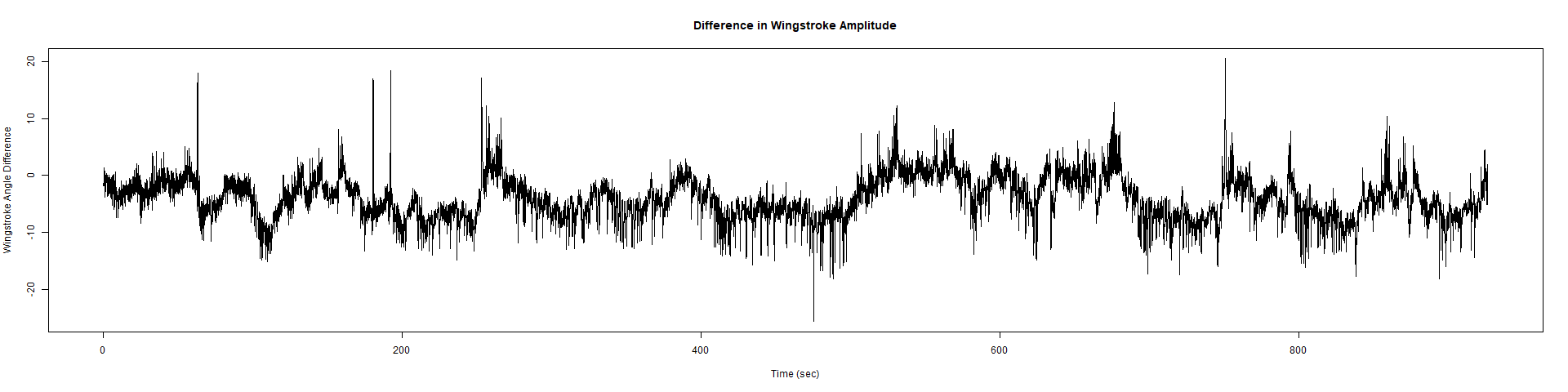
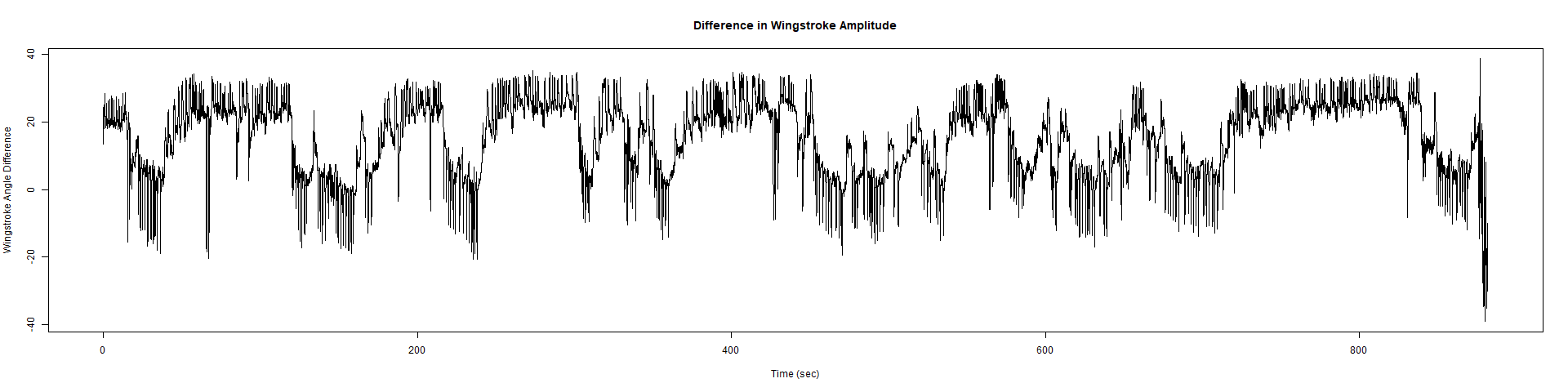
Last week (1.-7.Apr 2019) we noted how many flies want to fly more than 8 min and here is the result (only the ones we noted):
– Wild type: 8/9 (88%)
– ElavGal4 x UAS-Ryr 28919: 3/12 (25%)
– ElavGal4 x UAS-Ryr 65885: 6/35 (17%)
Trace (Downsampled 5) Graphs of Recordings
Wild type:
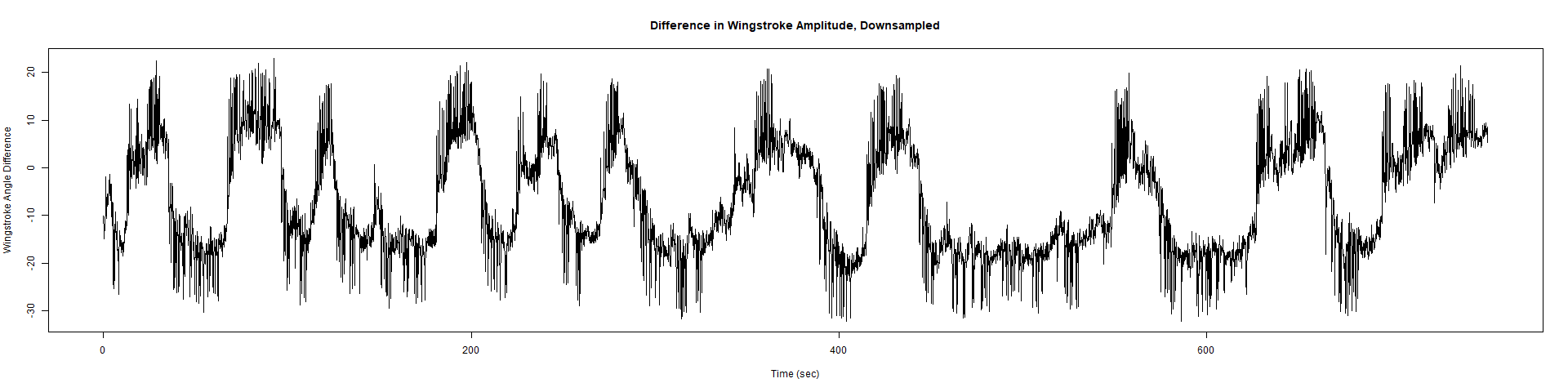
ElavGal4 x UAS-Ryr 28919:
ElavGal4 x UAS-Ryr 65885:
Category: crosses, Spontaneous Behavior, strokelitude, WingStroke | No Comments
Strokelitude 5 New Rec
on Monday, April 1st, 2019 2:54 | by Miroslav Stojic
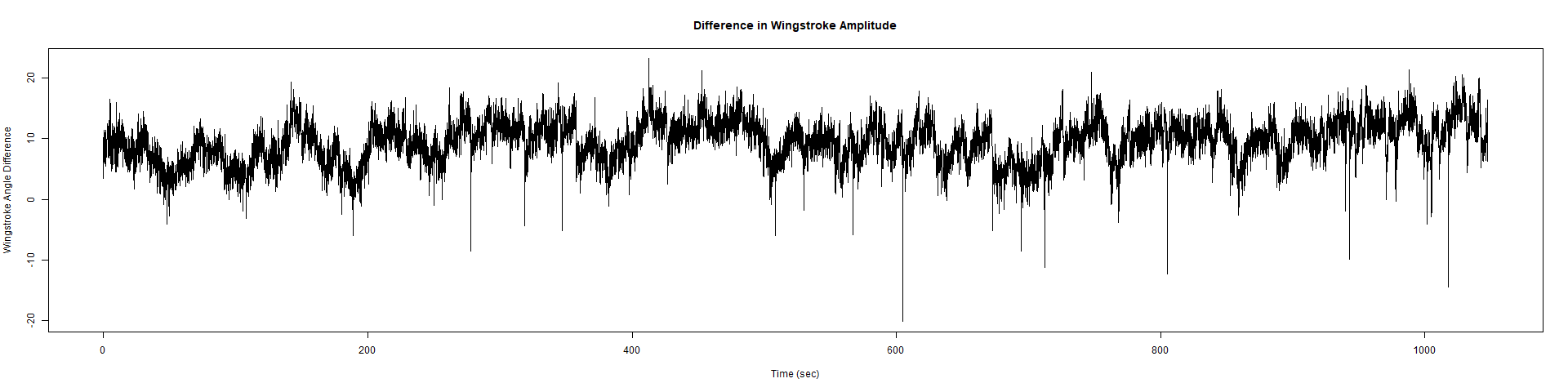
New Findings:
Elav-Gal4 x UAS-SERCA 44581 flies => Lethal before adulthood! (in all 5 vials so far)

Category: crosses, Spontaneous Behavior, strokelitude, WingStroke | No Comments
Inhibition of habit formation screening (MB011B)
on Wednesday, March 20th, 2019 1:45 | by Anders Eriksson
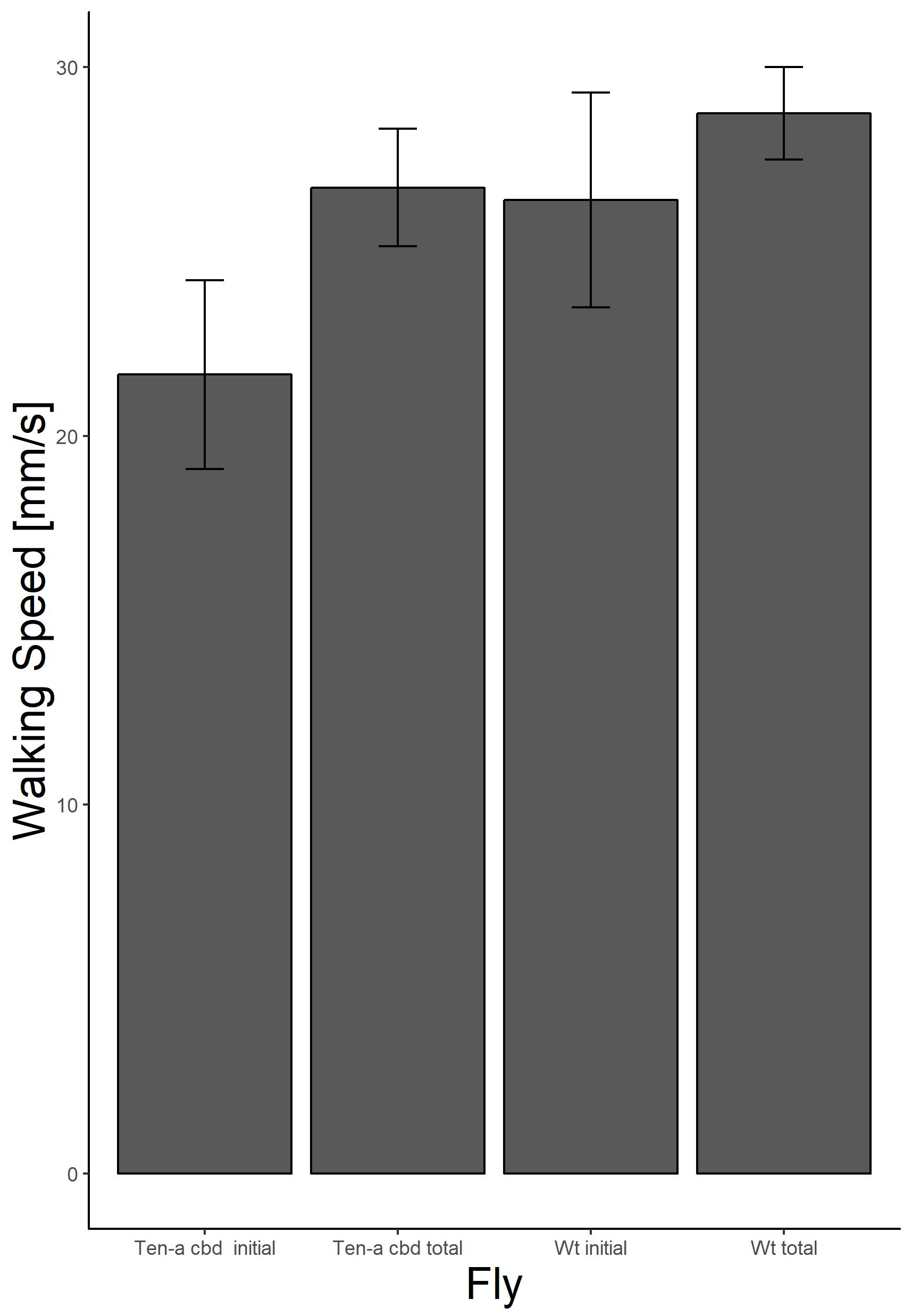
A flight performance test to see how the flies are behaving while flying. They have a slightly lower flight duration compared to the genetic controls but nothing that should impair them in the experiment.

The learning experiments are ongoing. I am doing n=15 for each line and each experiment, both Composite Control and also a Isolated Operant experiment. The Composite control experiment is done but I only got 13 flies for Isolated Operant. I do not want to preanalyze the data and will therefor post it when all the flies are done.
Category: crosses, flight, genetics | No Comments
Flight performance Ten-a cbd
on Monday, January 14th, 2019 2:54 | by Anders Eriksson
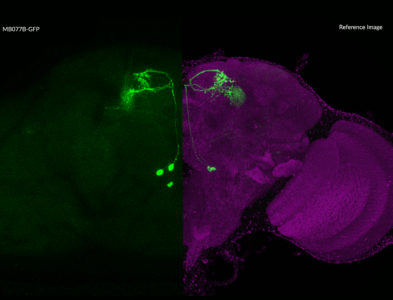
Control experiments for GFP expression of MBON lines
on Monday, October 29th, 2018 2:38 | by Anders Eriksson
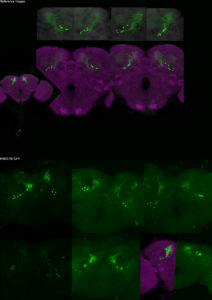
MB077B
Category: Anatomy, crosses, genetics | No Comments