Buridan Test WTB; 3IY in 5%Sucrose after 96hours
on Sunday, February 9th, 2025 4:33 | by Philipp Doms
3IY; N=11
Sucrose; N=10


Category: Uncategorized | No Comments
Gustatory preference results of Canton S larvae
on Monday, January 27th, 2025 11:46 | by Eva Schächtl
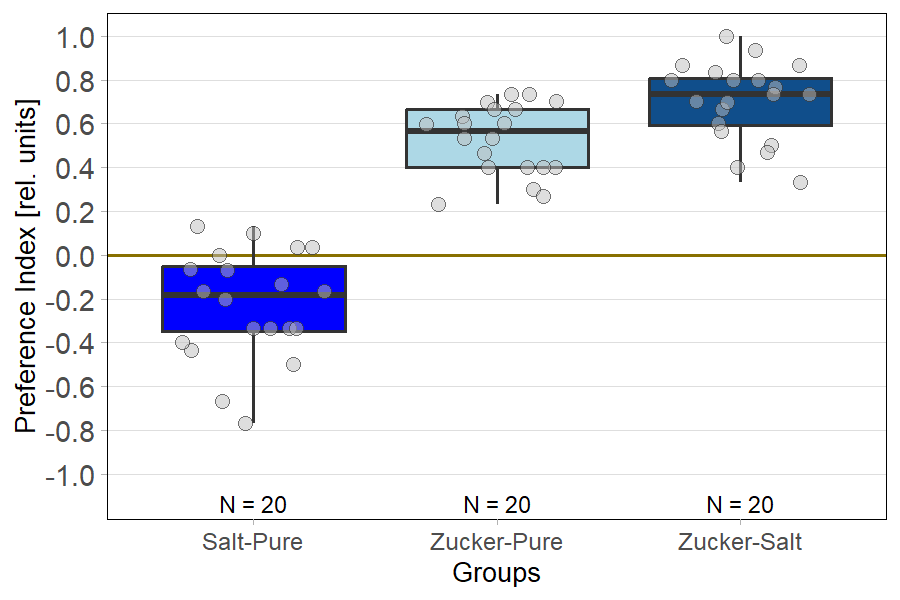
Results show the gustatory preference for Canton S larvae under blue light. Positive PIs indicate a preference for the first named side of the petri dish e.g. positive PIs in Zucker-Pure group show larvae preferred the side of the sucrose substituted agarose gel.
Category: Food preference, Larve | No Comments
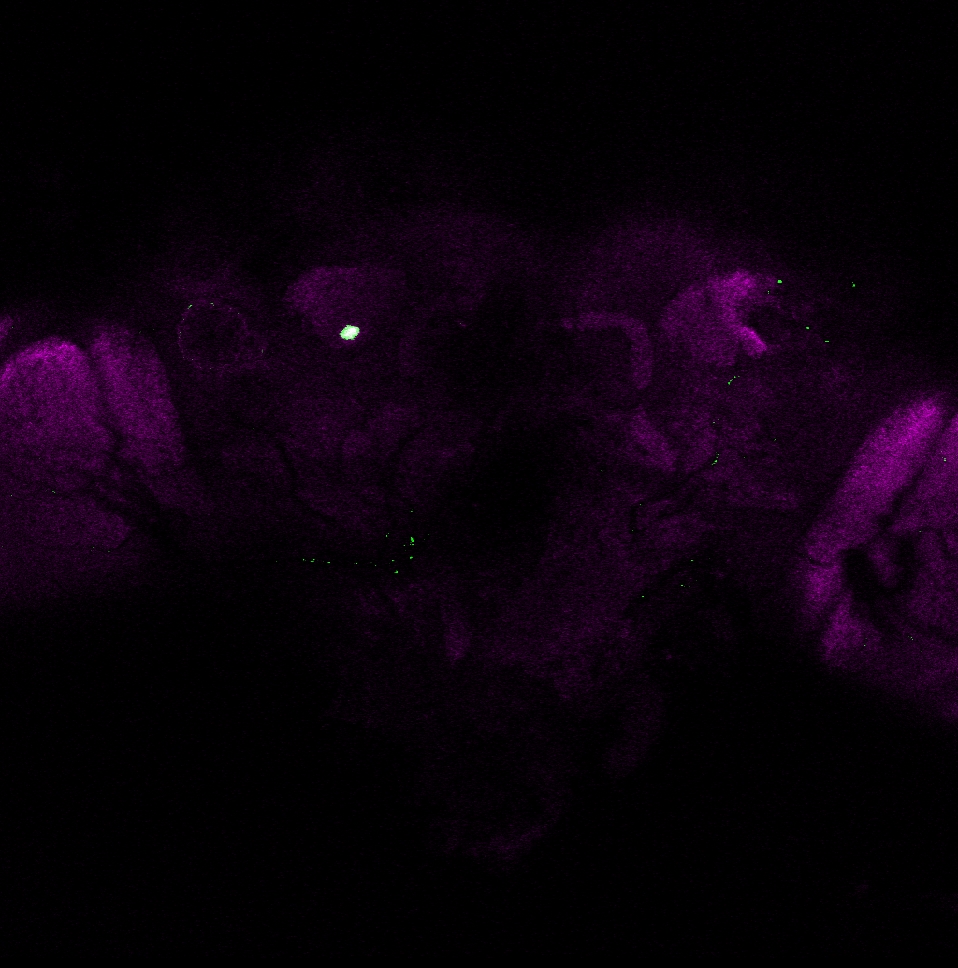
Antibody Staining: W | TH-Gal4-UAS-GFP
on Monday, January 27th, 2025 11:12 | by Philipp Doms
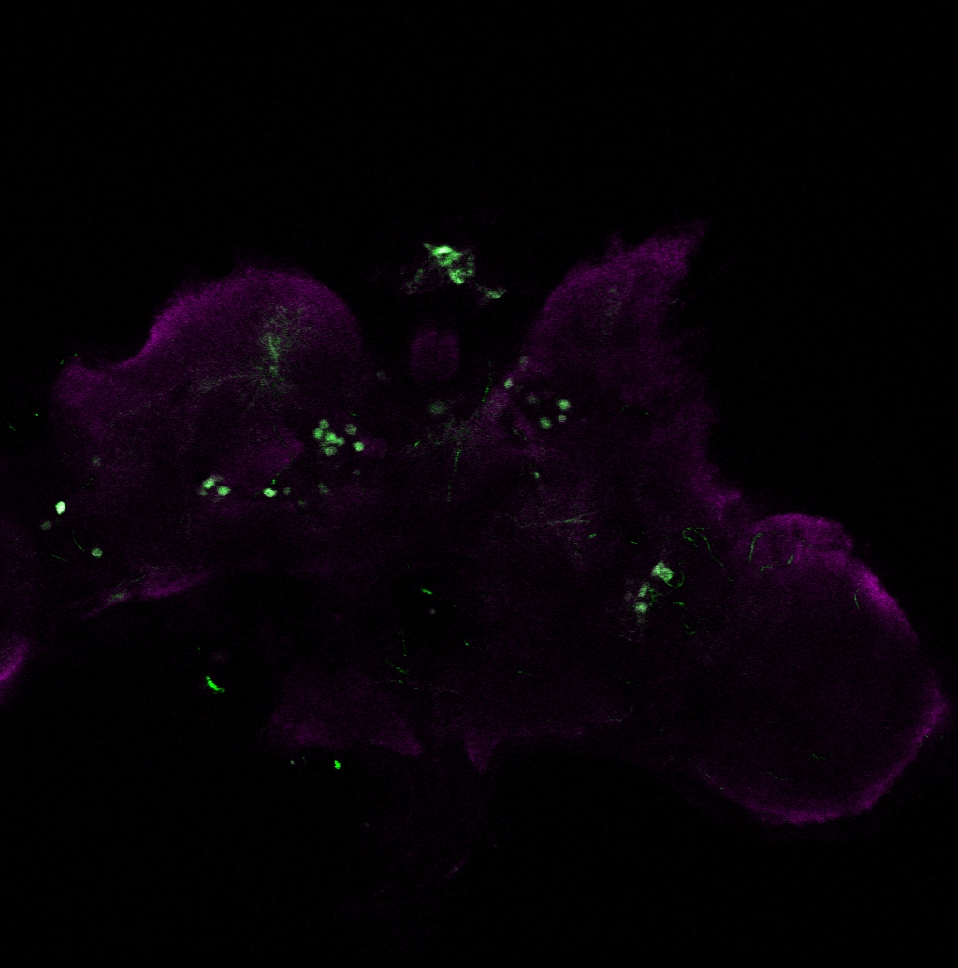
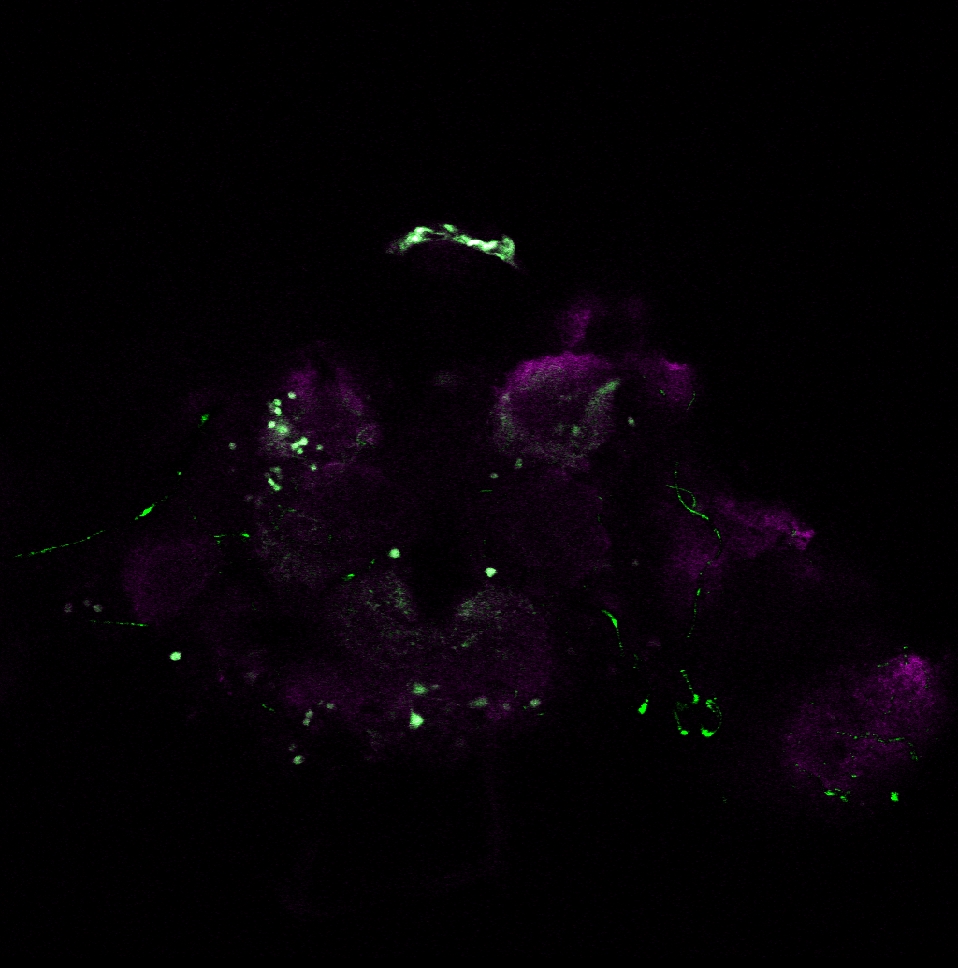

Antibody Staining: FLP | GFP
Category: Uncategorized | No Comments
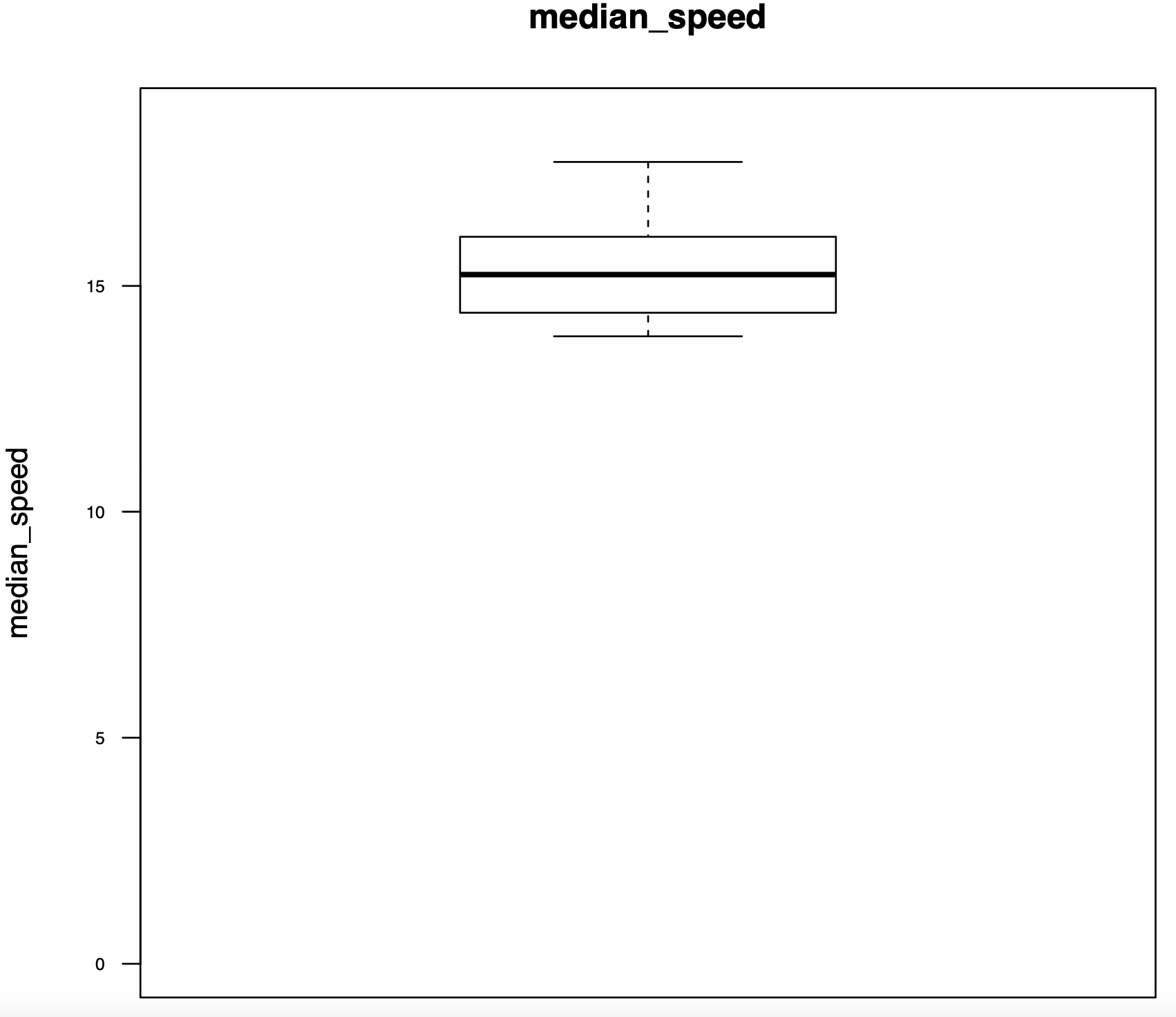
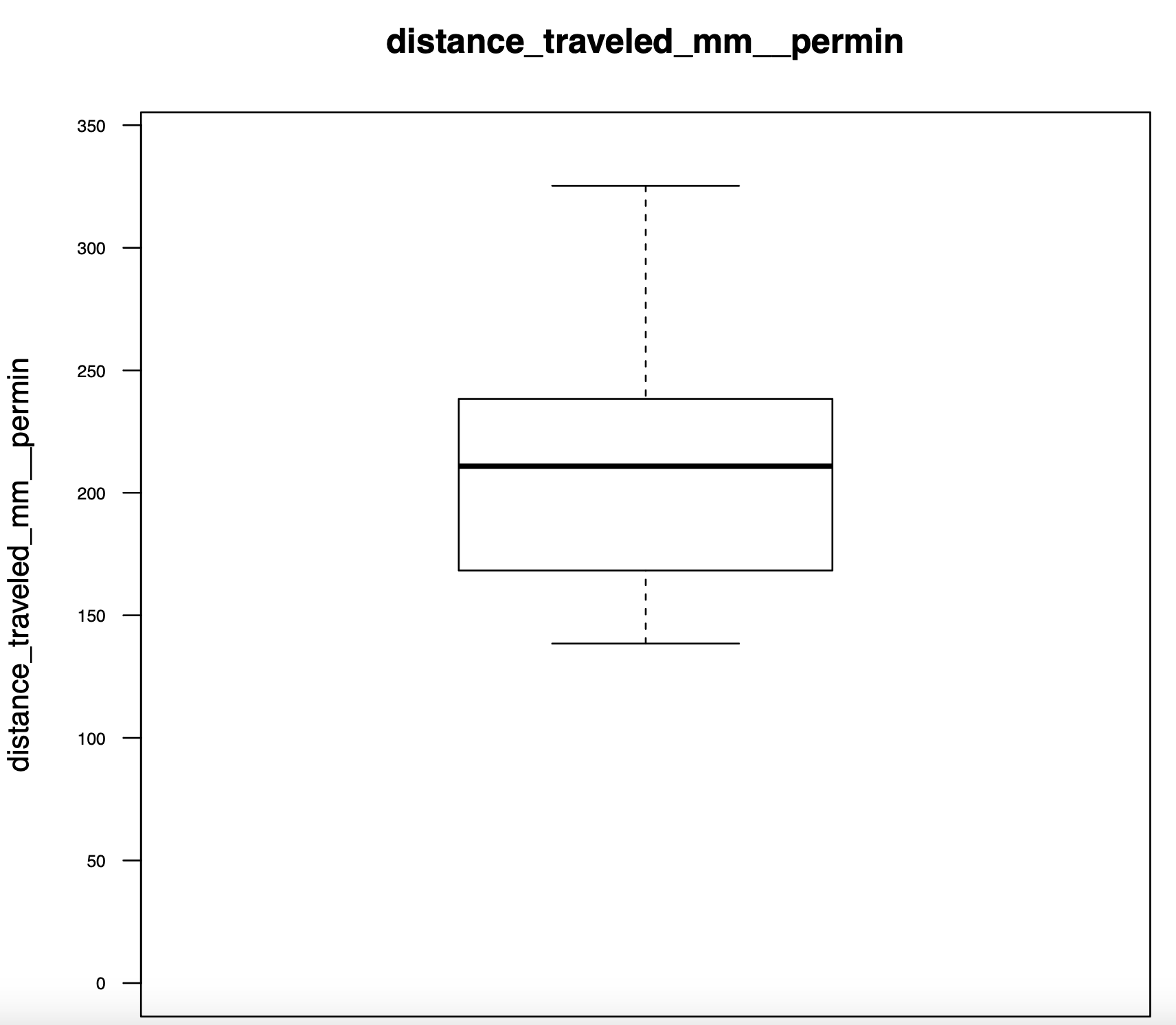
Buridan Test WTB; 3IY in 5%Sucrose
on Monday, January 27th, 2025 11:00 | by Philipp Doms
Final Results
3IY; N=16
Sucrose; N=16


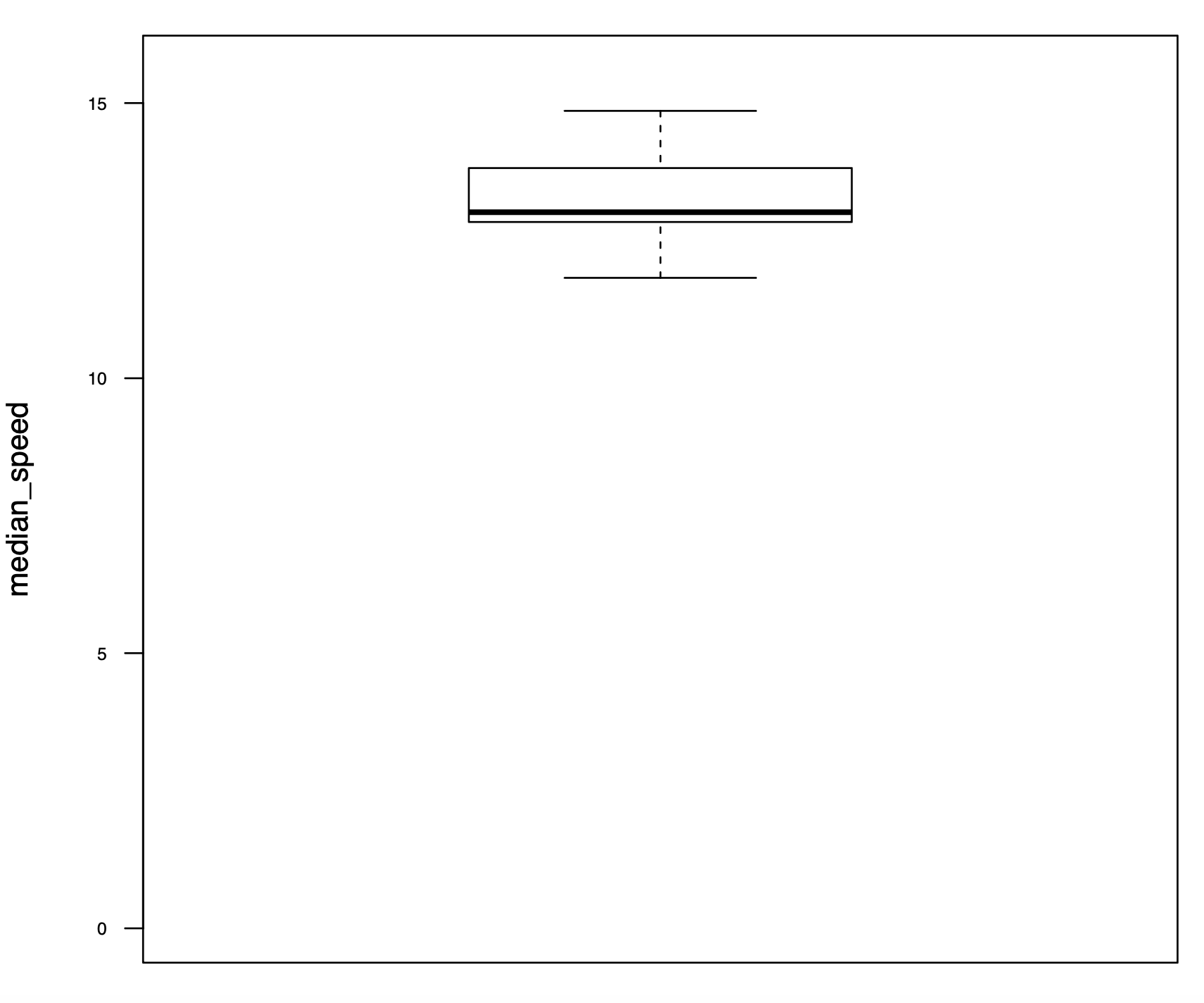
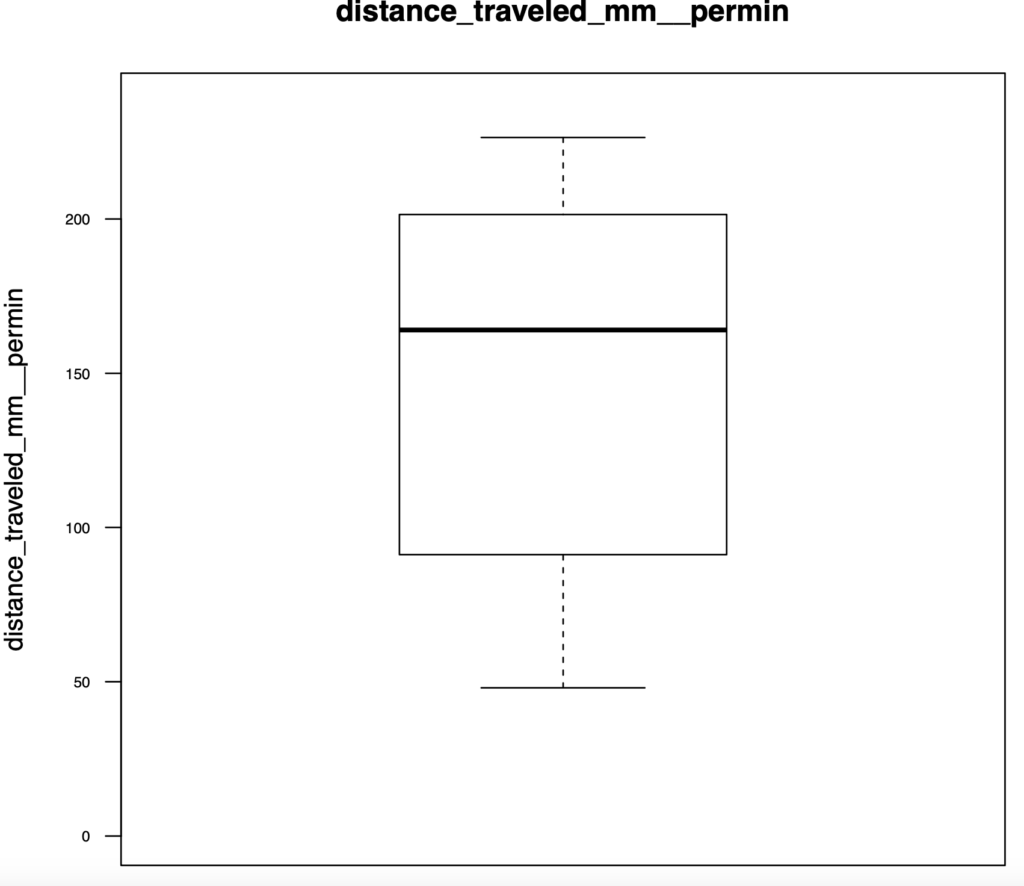
Buridan Test WTB; 5%Sucrose
Category: buridan, Optogenetics | No Comments
Wingstroke Amplitude Measurements
on Monday, January 27th, 2025 10:00 | by Jamina Leitenmeier
Measurements in “Ping-Pong-Ball-Machine”


Measurements in combined Machines:


Category: Uncategorized | No Comments
PPM2 T-Maze results for 10 min testing
on Monday, January 20th, 2025 12:57 | by Daniel Döringer
PPM2 flies showed light-avoidance in T-Maze experiments when tested in yellow light for 1 minute. In the JoyStick setting, where flies are tested for 10 one-minute periods flies displayed a shift from negative (light-avoidance) values in the beginning to no preference in the last training period. For this reason I started a set of T-maze experiments where flies could decide between light and dark tubes for 10 minutes.
In the red light 1-minute test setting flies did not show avoidance of light as strong as in the yellow light setting, but still tendencies for avoidance were observable. Therefore another set of 10-minute experiments will also be conducted with red light.
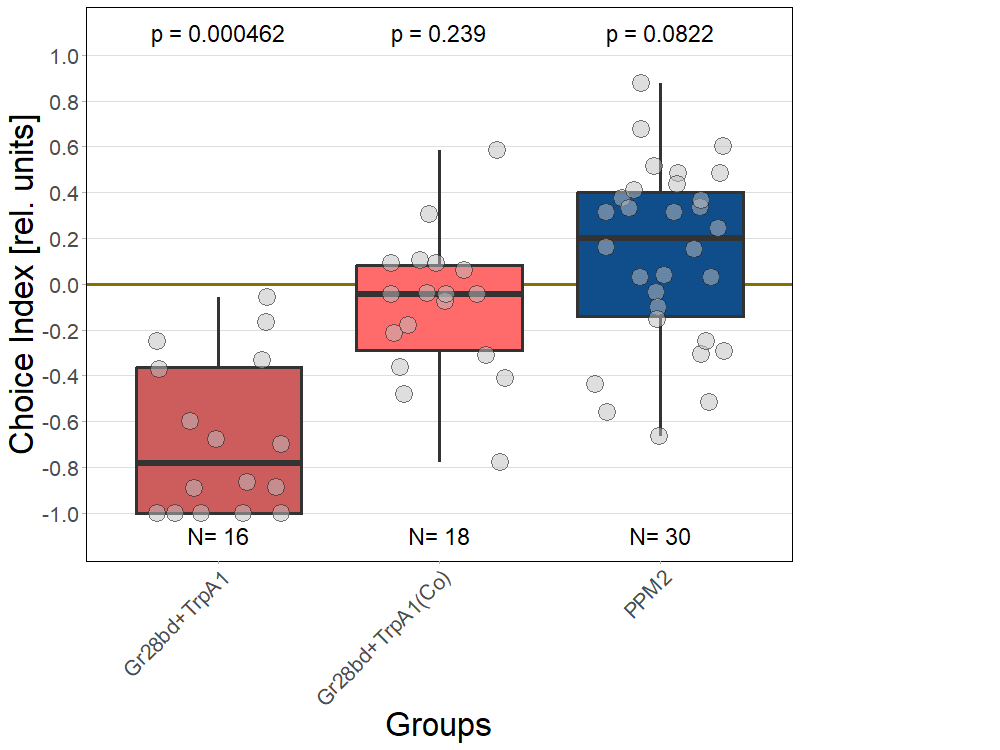
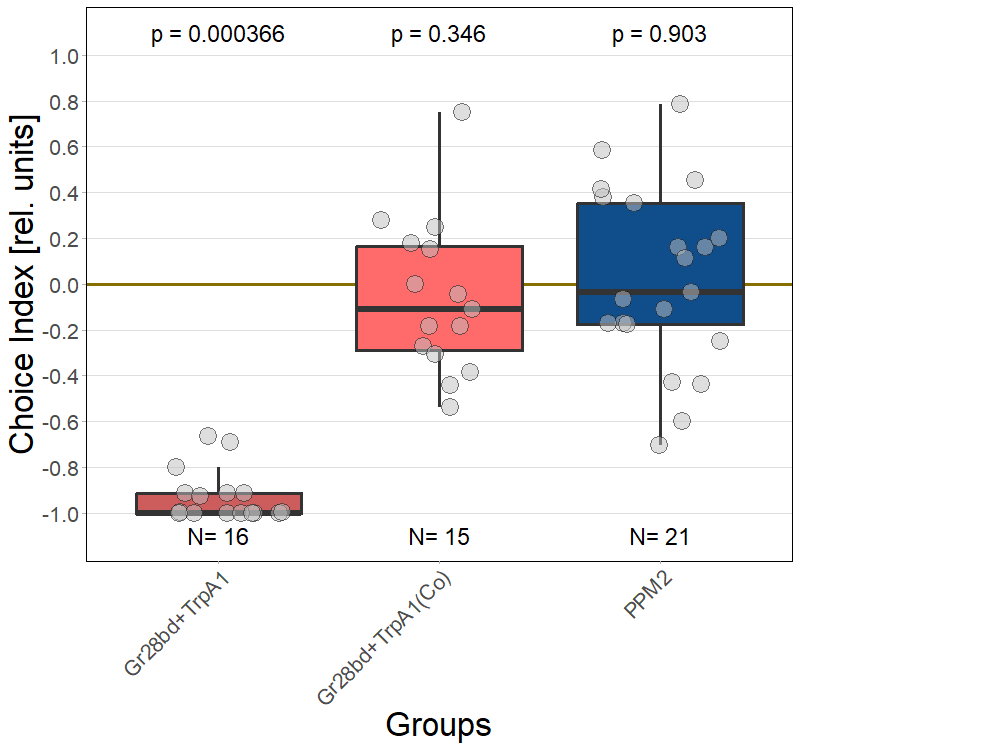
Update 03.02.25: Added more flies to the experiments and included some control flies.
Update 09.02.25: Added more flies; excluded all experiments where combined number of flies in light, dark and elevator tube was less than 30. Also added first red light results.
Update 14.02.25: Experiments with yellow light are almost finished, red light still needs some work
Update: 22.02.25: Added more flies to red light.
Category: Optogenetics | No Comments
Dissection of adult Drosophila brains
on Monday, January 20th, 2025 12:39 | by Philipp Doms
FLP; GFP ♂1

FLP;GFP♂2

FLP;GFP♀1

W|TH-Gal4-UAS-GFP|♂1

W|TH-Gal4-UAS-GFP|♂2

W|TH-Gal4-UAS-GFP|♀

Category: Uncategorized | No Comments
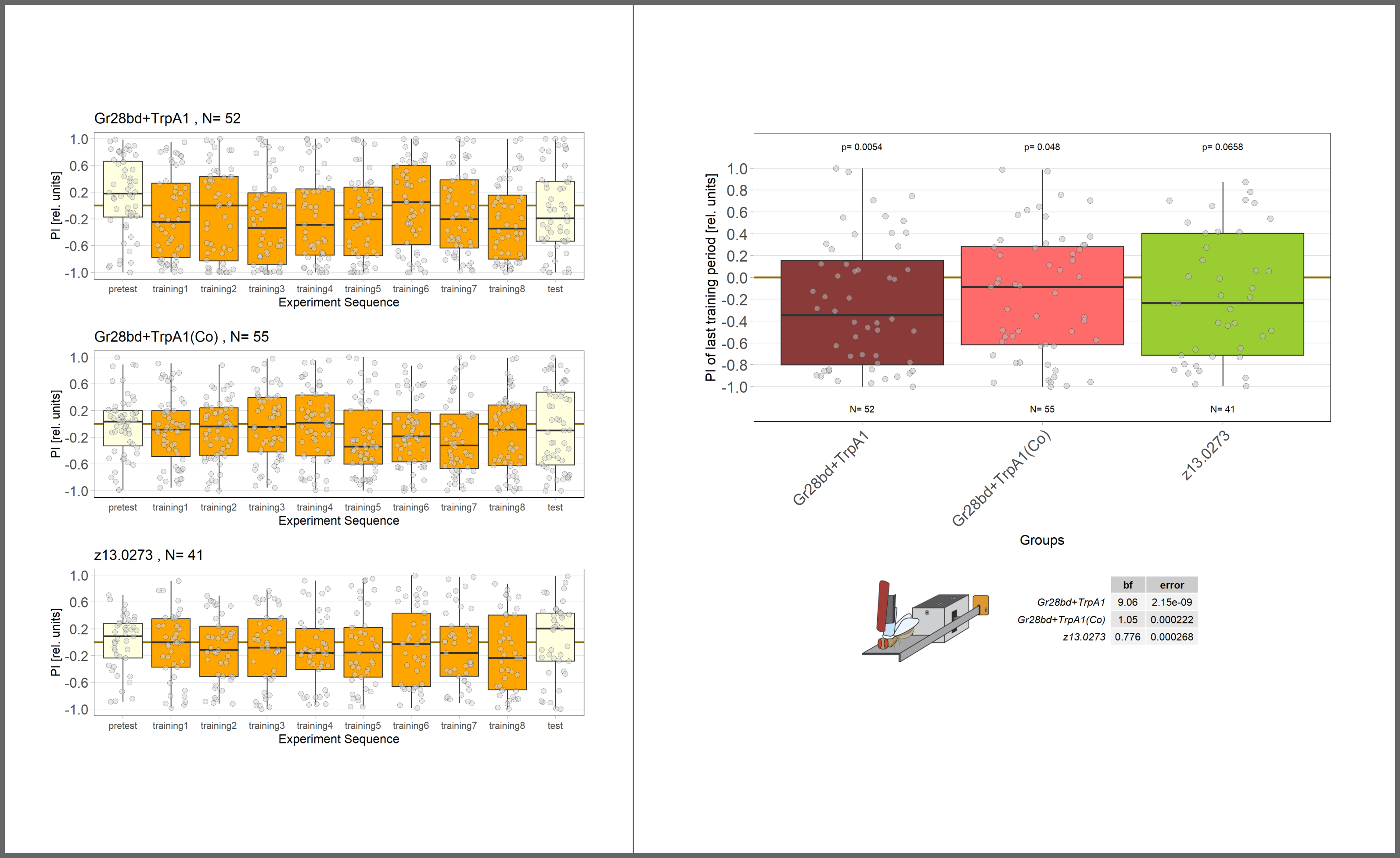
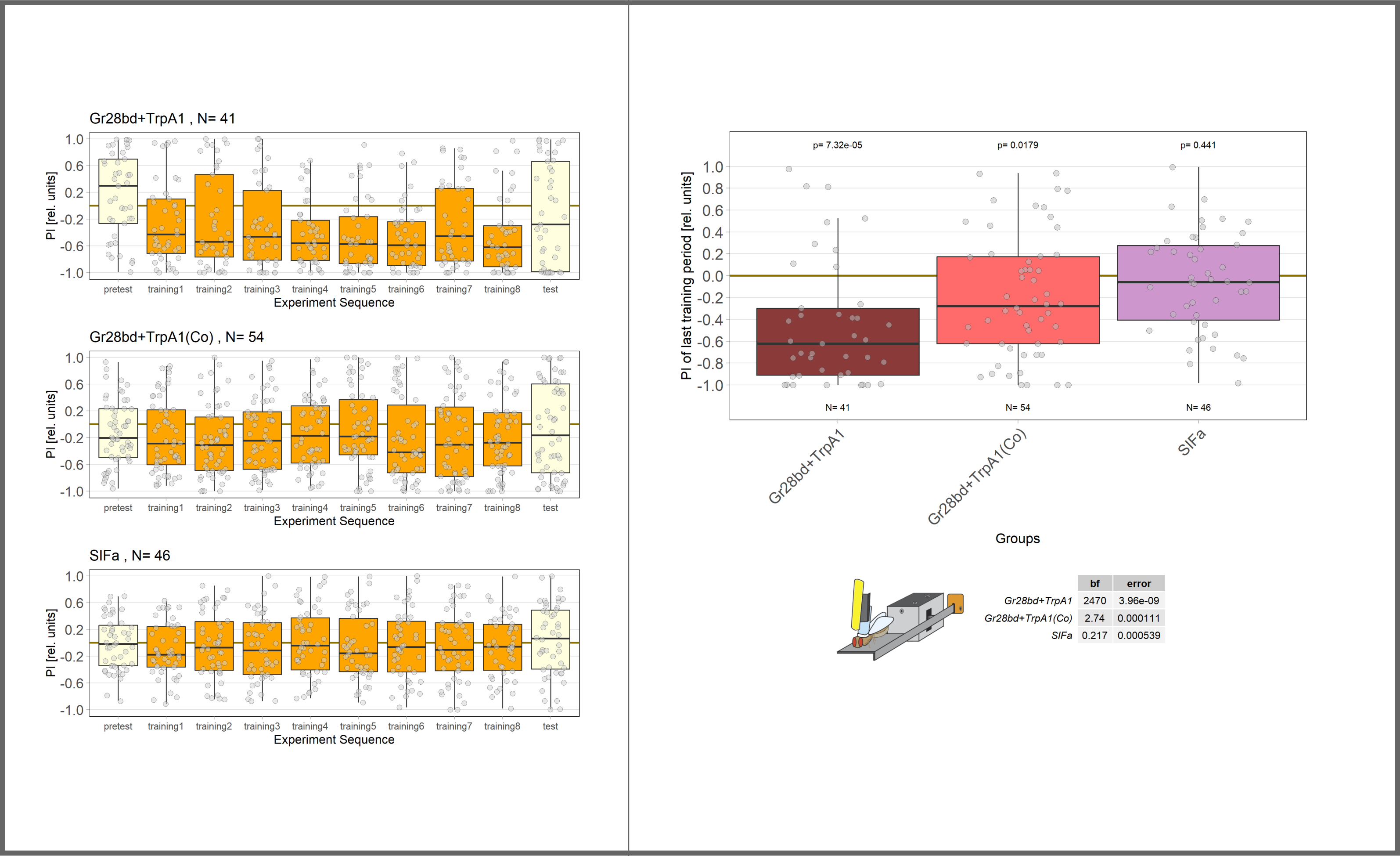
JoyStick results for 13.0273 and SIFa
on Monday, January 20th, 2025 11:05 | by Daniel Döringer
13.0273 (Red)
For all Figures the left side displays all 10 testing and training periods for the JoyStick experiment. The right side compares the PIs of the last training period between the groups. Graphics indicate whether red or yellow light was used.
13.0273 (Yellow)

SIFa (Red)

SIFa (Yellow)
Category: Optogenetics | No Comments
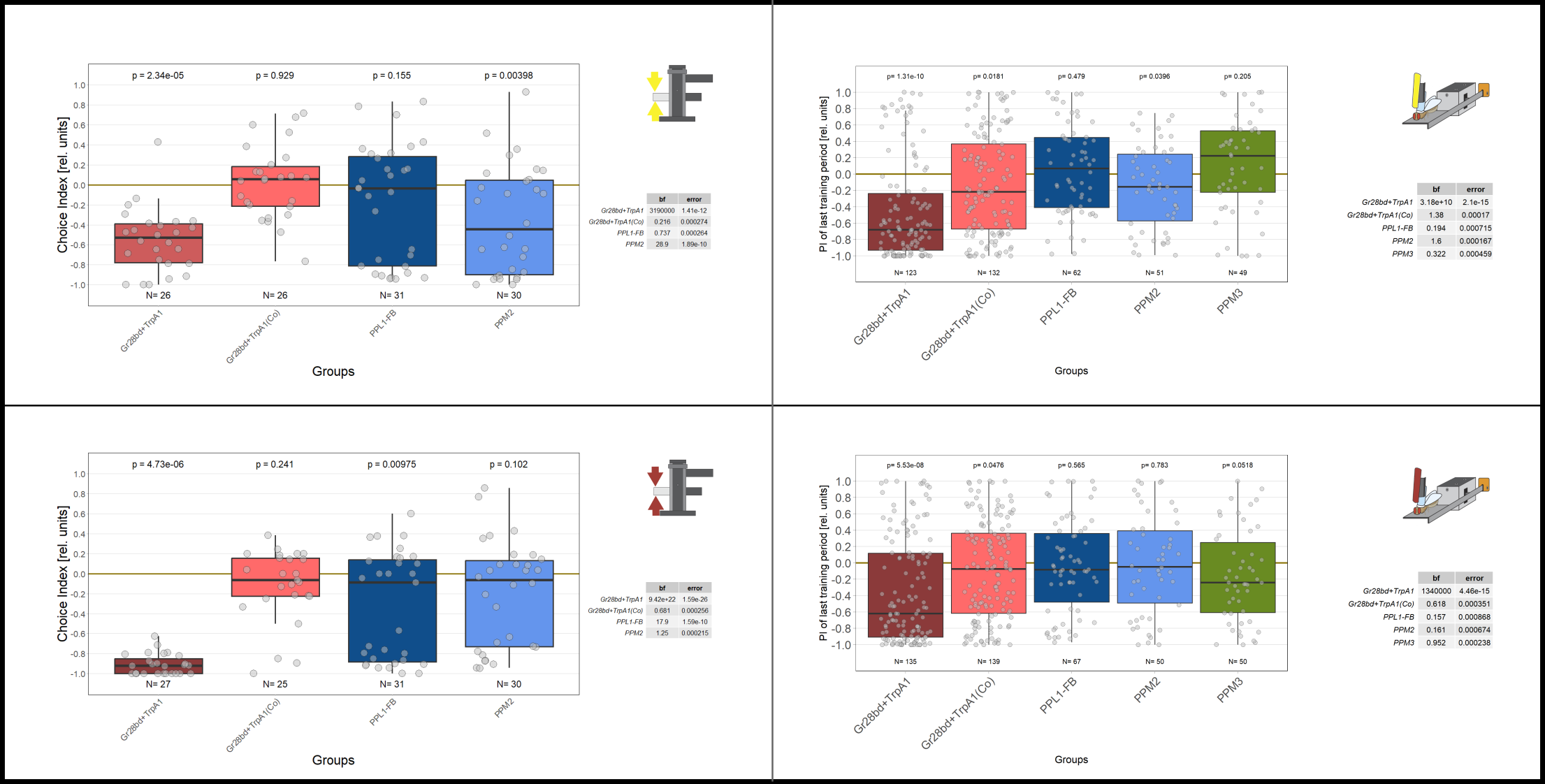
T-Maze CIs and JoyStick Last Training PIs for yellow and red light.
on Tuesday, January 7th, 2025 1:45 | by Daniel Döringer
| Strain | DA neurons | Reference |
| SS56699 | PPL1-FB | Hulse et al. eLife 2021 |
| TH-D-DBD; TH-C-AD | PPM2 | Xie et al. Cell Reports 2018 |
| TH-FLP-p10; 64H06 | PPM3 | Xie et al. Cell Reports 2018 |
The left-hand side of the figure displays the choice indices (CIs) for the different groups tested for 1 minute in the T-Maze setting. On the right-hand side, the preference indices (PIs) for the final training period in the JoyStick setting are shown. Since flies of the TH_Flp_p10;64H06 line were not blind, they could not be tested in the T-Maze setting. The upper part of the figure refers to experiments conducted with yellow light, while the bottom part to experiments with red light, as indicated by the graphics.
In previous posts I referred to the different dopaminergic neurons (DA neurons) with the names of the driver lines used for the crossings. The table below the figure connects the fly strains to the targeted neurons and gives the reference. Gr28bd+TrpA1 target heat sensing neurons and acted as a control, since flies expressing the chrisom channel in these heat sensing neurons would avoid light activation. Flies were fed with all-trans retinal (ATR) for 2 days before the experiments, to enable light activation of the targeted neurons. For the negative control ethanol was used.
In the T-Maze experiments, flies were tested for 1 minute without prior exposure to light, whereas the JoyStick results reflect preferences after nine 1-minute training periods. Therefore, the T-Maze experiments should be repeated using longer testing periods. Additionally, PIs from the initial training periods in the JoyStick experiments will be included to allow for better comparison.
Hulse et al. eLife 2021: https://doi.org/10.7554/eLife.66039
Xie et al. Cell Reports 2018: https://doi.org/10.1016/j.celrep.2018.03.068
Category: Optogenetics | No Comments
aPKC/FoxP pathway
on Tuesday, January 7th, 2025 1:18 | by Julia Schulz
- Summary protein-protein aPKC interactions flybase results
aPKC: atypical protein kinase C/ Serine/threonine protein kinase
- function: encodes a member of the conserved Par complex, is required for apico- basal cell polarity in the germ line as well as in epithelial and neural precursor cells, for epithelial planar cell polarity and for cell proliferation.
- expression pattern:
- indirect flight muscle ((thoracic dorso-longitudinal muscles (DLM))
- high in MNs (70% in leg muscle motor neurons)
1.1 Potential aPKC protein interaction partners in MNs
| Gene name | Flybase ID | Protein | Description |
| discs large 1(dlg) | FBgn0001624 | guanylate kinase | cell polarity maintenance of apicobasal polaritycellular growth control during larval developmentantagonistic to the aPKC complex in polarity regulation and synaptic development |
| futsch | microtubule binding protein | formation of synaptic buttons at the neuromuscular junctions | |
| par-1 | FBgn0260934 | non-specific serine/threonine protein kinase | microtubule cytoskeleton organization,axis specification and cell polarity |
| stardust (sdt) | FBgn0261873 | guanylate kinase | maintenance of apico-basal cell polarity organization of zonula adherens |
| still life (sif) | FBgn0085447 | guanine nucleotide exchange factor for Rho family GTPases | regulation synaptic growth at NMJs |
| numb | FBgn0002973 | membrane-associated inhibitor of Notch signaling | Inhibitor of notch signalingcontrols neuroblast and sense organ precursor asymmetric division |
1.2 Summary RNA-protein interactions aPKC-flybase
| RNA-protein interaction | Flybase ID | source | MN expression level interaction partner/aPKC |
| aPKC – kin17 | (Connell et al., 2024) | low | |
| aPKC – orb | (Barr et al., 2019) | intermediate | |
| aPKC – orb2 | FBgn0264307 | (Xu et al., 2014, Mastushita-Sakai et al., 2010) | high |
2. Promotor sequence analysis FoxP target genes
dFoxP
- function: transcription factor expressed in the nervous system; involved in locomotion, operant self-learning and courtship behavior
- consensus seq FoxP: AAACAaATTTC (Santos et al., 2015; JASPAR data base)
- human ortholog: Hsap\FOXP4, Hsap\FOXP1, Hsap\FOXP2, Hsap\FOXP3
- expression pattern:
- indirect flight muscle (thoracic dorso-longitudinal muscles (DLM))
- leg muscle motor neuron (high)
2.1 Potential FoxP target genes
AAACAAATTTC
insc – Inscuteable (insc)
- function: encodes an adaptor protein required for asymmetric cell division; interacts with the microtubule binding protein encoded by mud and the adaptor encoded by pins; also binds to the apical complex proteins encoded by baz, par-6 and aPKC and may recruit microtubule binding proteins to the apical cell cortex to induce apical-basal spindle orientation
- human ortholog: –
- expression in MNs: low
AAACACATTTC
CG15233
- function: uncharacterized protein; putative target of stat and escargo, two master regulators of intestinal stem cells (Khanbabaei et al., 2023)
- human ortholog: –
- expression pattern:
- indirect flight muscle
- low in MNs (leg muscle motor neuron)
bowl
- function: putative transcription factor; leg joint formation, acting downstream of notch to pattern the leg tarsal segments;
- acts downstream of drm and lin during foregut and hindgut patterning and morphogenesis; involved in cell rearrangement during elongation of the embryonic hindgut; regulates expression of hindgut patterning genes to establish the small intestine region of the embryonic hindgut
- human orthologs: Hsap\EGR2, Hsap\KLF11, Hsap\EGR4, Hsap\ZBTB4, Hsap\KLF15, Hsap\EGR1, Hsap\OSR2, Hsap\OSR1, Hsap\ZBTB38, Hsap\ZBTB2, Hsap\EGR3, Hsap\SP2, EGR: early growth response genes, supress exessive immune responses dysfunctions associated with inflammatory autoimmunse diseases like multiple sclerosis (MS), type 1 diabetes and inflammatory bowel disease (Powrie and Coffman 1993; Liblau, Singer et al. 1995, Morita et al., 2016)
- expression pattern:
- indirect flight muscle
- low in MNs (leg muscle motor neuron)
AAACATATTTC
CG4477
- function: peptidase S1 domain-containing protein; Serine-type endopeptidase activity, involved in wing disc dorsal/ventral pattern formation; proteolysis,
- human ortholog: responsible for vital processes in man such as digestion, blood coagulation, fibrinolysis, development, fertilization, apoptosis and immunity
- expression pattern:
- low in MNs (leg muscle motor neuron)
- moderate expression in muscle cells (indirect flight muscle )
CG30354- UQCR-11L
- function: cytochrome b-c1 complex subunit 6; component of the ubiquinol-cytochrome c reductase complex (complex III or cytochrome b-c1 complex) which is part of the mitochondrial respiratory chain; formation of the complex between cytochromes c and c1. UQCRH/QCR6 family. [a.k.a. FBgn0050354, UQCR-11L-PB, UQCR-11L-PA, CG30354],
- human ortholog: Hsap\UQCRH (Ubiquinol-Cytochrome C Reductase Hinge) protein
- expression pattern:
- indirect flight muscle
- low in MNs (leg muscle motor neuron)
AAACAGATTTC
CG10864
- function: potassium ion leak channel activity; potassium channel activity; involved in potassium ion transmembrane transport; stabilization of membrane potential; two pore domain potassium channel (TC 1.A.1.8) family
- human orthologs: Hsap\KCNK4, Hsap\KCNK18, Hsap\KCNK5, Hsap\KCNK7, Hsap\KCNK2, Hsap\KCNK10, Hsap\KCNK12, Hsap\KCNK16, Hsap\KCNK17, Hsap\KCNK6, Hsap\KCNK1
- expression pattern:
- indirect flight muscle
- low in MNs (leg muscle motor neuron)
AAACAATTTC
Lhr – Lethal hybrid rescue (Lhr)
- function: encodes a protein required to repress transposable element and satellite DNA expression. It also has a gain-of-function phenotype of causing lethality in F1 male hybrids between D. melanogaster and D. simulans
- human orthologs: –
- expression pattern:
- indirect flight muscle
- low in MNs (leg muscle motor neuron)
Source: EPD The Eukaryotic Promoter Database
Category: Foxp, operant self-learning, PKC | No Comments