T-Maze results dopamine inhibition
on Monday, July 28th, 2025 11:54 | by Daniel Döringer
Confirmation of 3IY+ATR
After figuring our how to apply 3IY to the flies and confirming that we can simply mix in the ATR with the sucrose to apply it, I stumbled upon another problem: when 3IY and ATR are used together the tissue paper will go from yellow to orange:
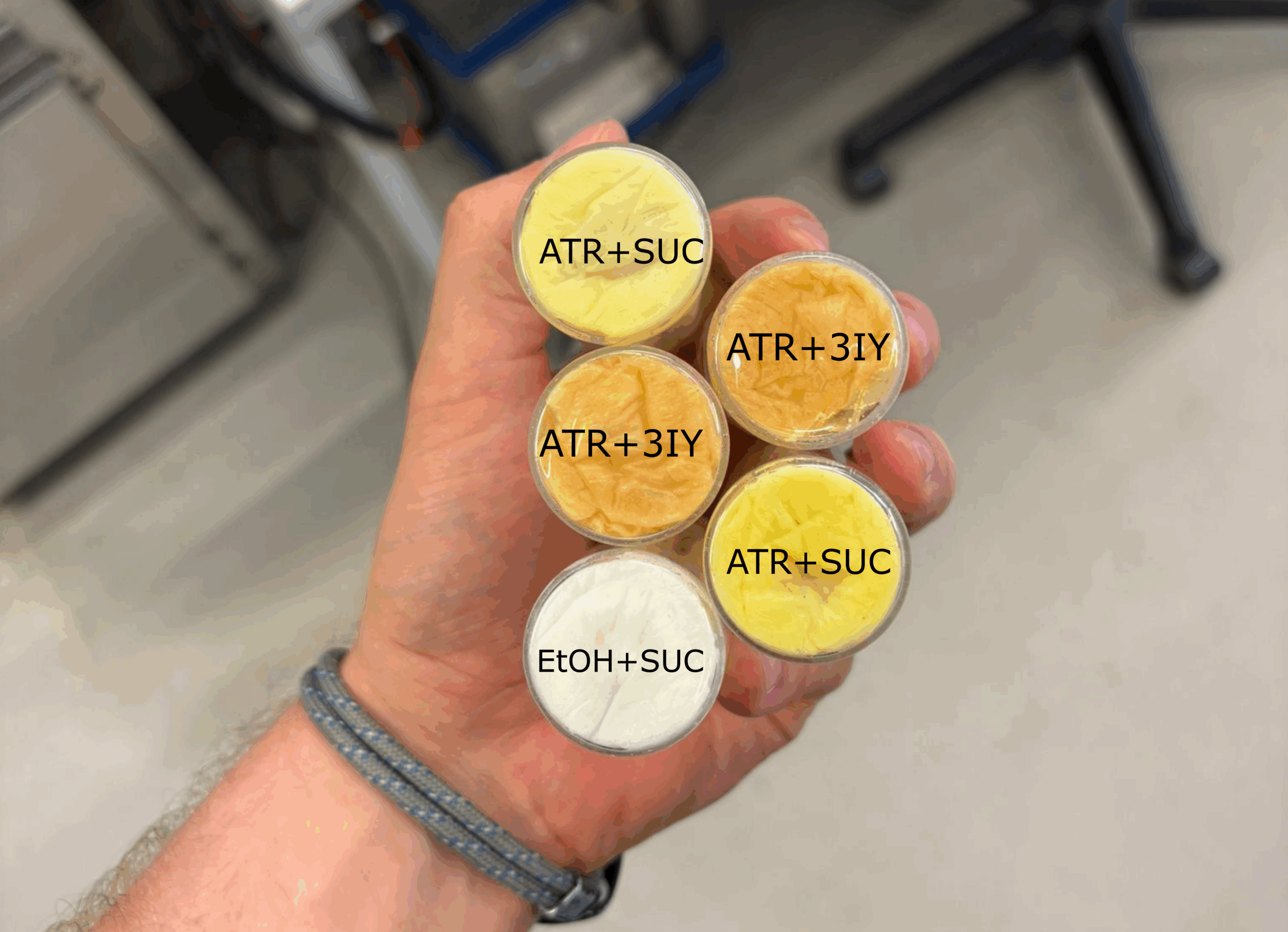
Since we cannot know if this affects the action of 3IY I conducted a final trial in the open field, measuring locomotion of WTB flies after treating them with 3IY and ATR for 48h.
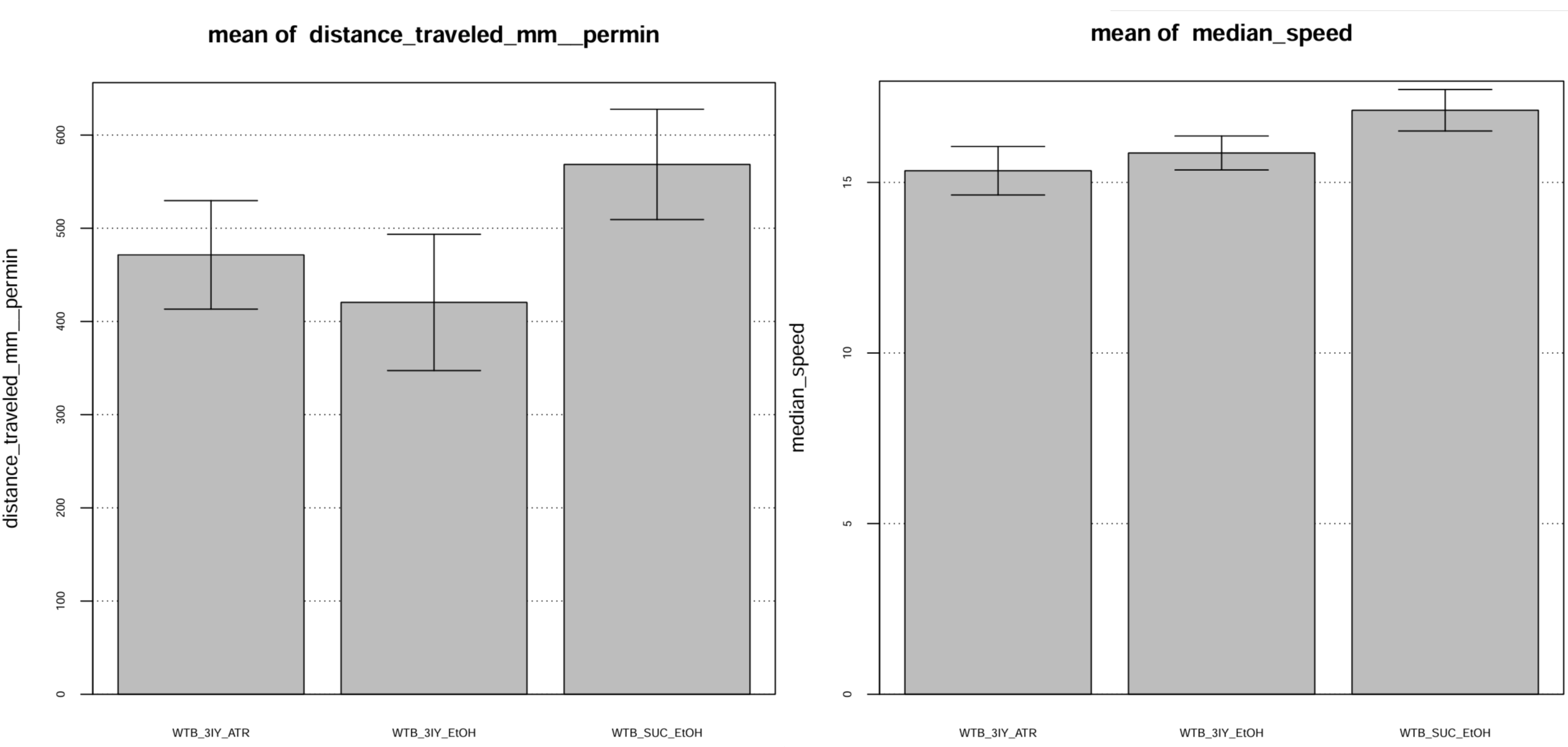
NWTB_3IY_ATR = 16 ; NWTB_3IY_EtOH = 13; NWTB_SUC_EtOH = 8
It seems, that ATR does not affect the action of 3IY and we can proceed with our experiments.
T-Maze results
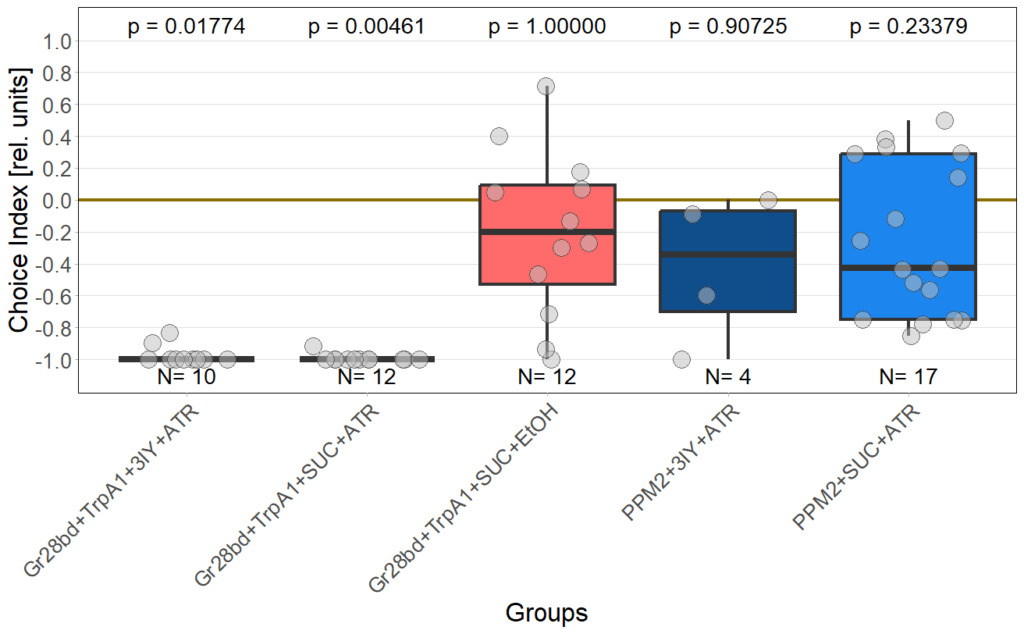
These are the first results from the set of T-Maze experiments with 3IY treatment. I used red light (1600 Lux) with a decision time of one minute. P-values above plots indicate results of Wilcoxon’s test.

Category: Optogenetics | No Comments
First results from optgenetic experiments with PPM2 flies after inhibiting dopamine synthesis with 3IY
on Monday, July 21st, 2025 1:43 | by Daniel Döringer
After last week’s “breakthrough” with our method to sufficiently inhibit dopamine synthesis with 3IY it is time to start testing flies that express the optogenetic Chrimson channel in dopaminergic neurons from the PPM2 cluster.
ATR-Trial: Mix ATR directly with Sucrose / 3IY
Initially I stumbled across another problem, namely that the ATR, which is needed for the Chrimson channel to open, could not be applied in the same way as I did before. Usually, to prepare flies for JoyStick or T-Maze experiments, I would pipet 15µL of ATR onto their food. Here it was important to make sure to spread the ATR evenly across the surface since it has a bitter taste and flies would avoid consuming it if possible. This obviously would be problematic since then the basis of our experiment, optogenetic activation of the target neurons, could not be ensured.
Since for the 3IY treatment flies will not be kept in vials with the standard fly food, but vials with tissue paper soaked with sucrose, it was problematic that the tissue paper would simply soak up all the ATR in one spot. To battle this problem I tried mixing 20µL of ATR directly into the 3IY or sucrose solution. To confirm that this method still works I conducted a first trial only with control flies:
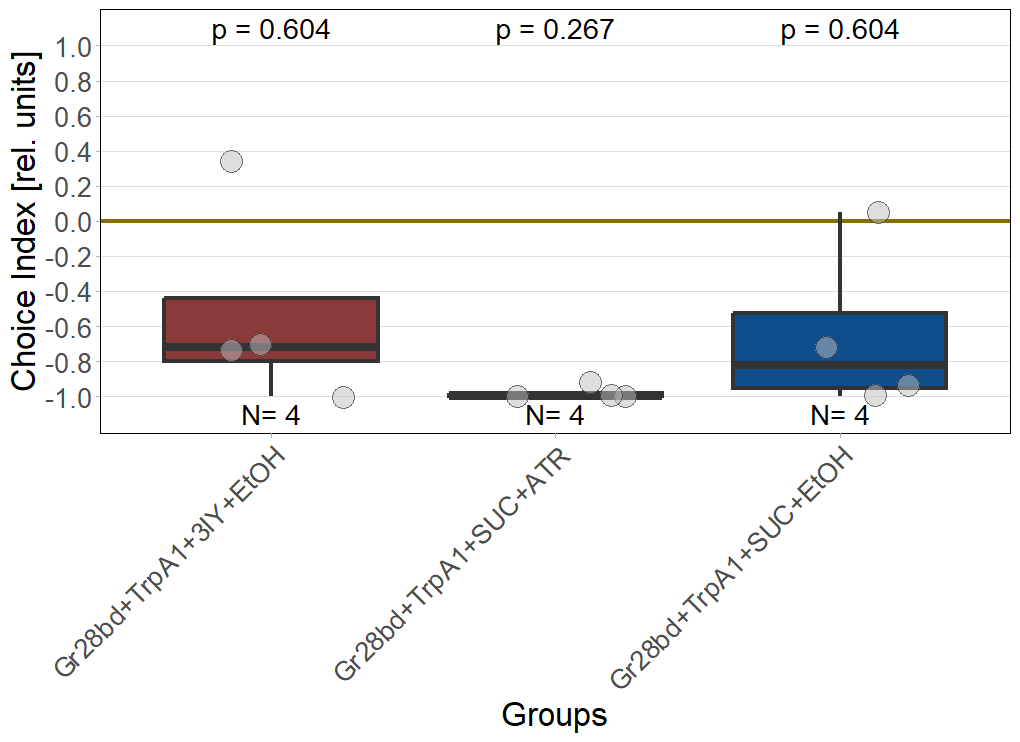
Flies that were kept in vials where the sucrose/3IY solution was not supplemented with ATR should not be affected by the light and should therefore not show any preference (CIs close to zero). Flies that could feed on ATR should avoid the light and show negative CIs, since the fly strain expresses the optogenetic channel in heat-sensing neurons and activation of these neurons would lead to an unpleasant sensation of heat.
The very low sample size is most likely the reason why both Negative control are not 0, but the fact that the group which was supplemented with ATR shows CIs close to -1 indicates that it’s okay to simply mix the ATR with the sucrose/3IY solution.
JoyStick-Results
After confirming the method to apply ATR we started JoyStick experiments with 5 groups:
Gr28bd+TrpA1+SUC+EtOH: Control without DA inhibition and no ATR (Negative CTRL)
Gr28bd+TrpA1+SUC+ATR: Control without DA inhibition and ATR (Positive CTRL without DA-inhibition)
Gr28bd+TrpA1+3IY+ATR: Control with DA inhibition and ATR (Positive CTRL without DA-inhibition)
PPM2+SUC+ATR: Experimental group without DA inhibition and ATR
PPM2+3IY+ATR: Experimental group with DA inhibition and ATR

For now the results look okay. CTRL groups with ATR already tend to avoid optogenetic activation, which is good. For all other groups a larger sample size (target = 50) is needed.
Category: Optogenetics | No Comments
The never ending story has ended
on Monday, July 14th, 2025 2:00 | by Daniel Döringer
After 7 attempts to figure out the treatment with the dopamine-synthesis inhibitor 3IY we finally managed to get it right.
Trial 6 was a minor set back since I used the same method that had worked before but prepared 8 mL instead of 2 mL. 3IY is not really soluble so I thought that the first “fraction” of the solution might not contain enough of the inhibitor to sufficiently deplete dopamine. I tested WTB flies with the first fraction of the 8 mL preparation.

I did not observe differences between groups. N(3IY)= 14; N(SUC) = 12
Since I cannot prepare the 3IY for each vial I am going to use (~ 8 per testing day) separately and put them on the vortex for 30 minutes each I tried if shortly vortexing and stirring afterwards would enough. Additionally, I tried tissue and filter paper again since the previous tissue paper trial might have had the same problem that 3IY was not present in high enough amounts in the first fraction.

N= 14 for each group; FP = fitler paper; TP = tissure paper
Since this method seems to work, I can now prepare enough vials at the same time and start with the actual experiments. I only need to figure out how to apply the ATR….
Category: Optogenetics | No Comments
Results from different dopamine depletion trials with 3-Iodo-Tyrosine (3IY)
on Monday, June 2nd, 2025 1:56 | by Daniel Döringer
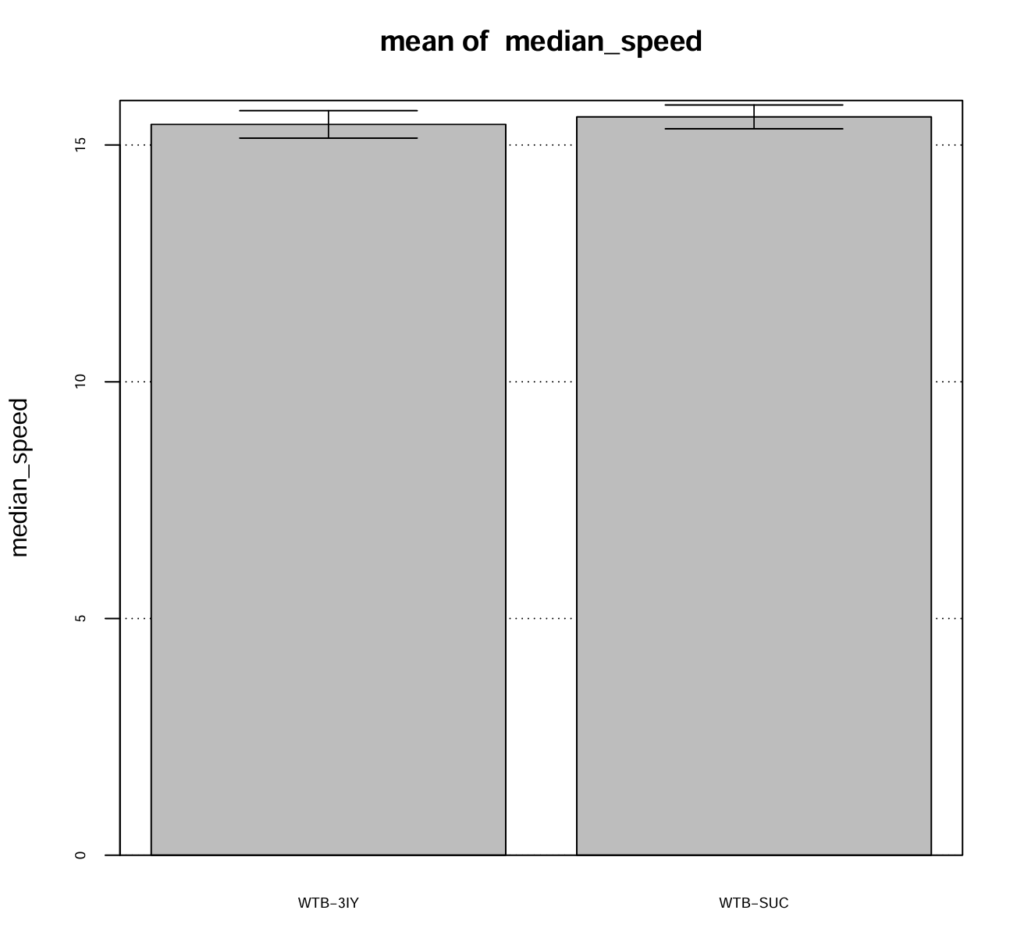
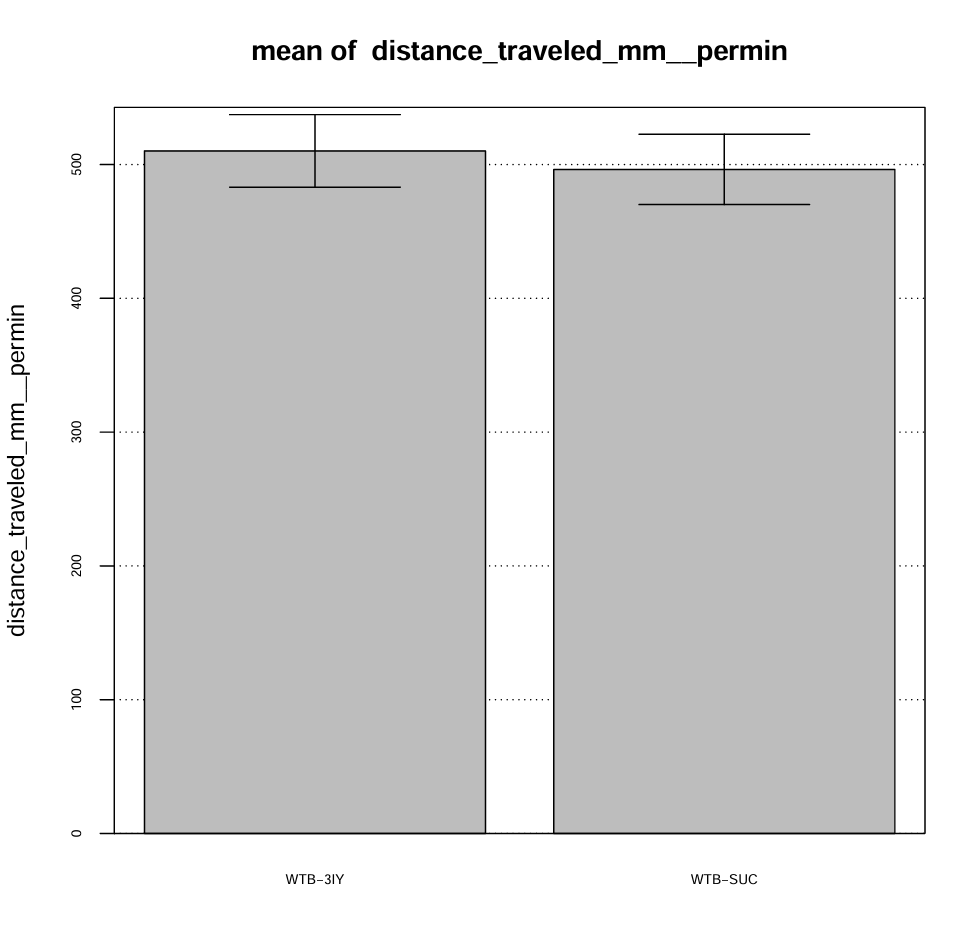
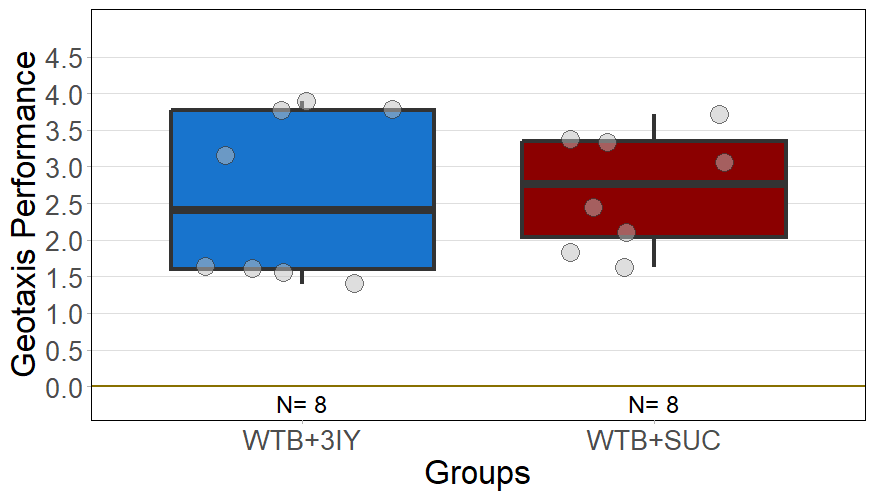
To see whether the initial preference but also the preference shift, observed for flies expressing the optogenetic Chrimson-Channel in neurons from the PPM2 cluster (tested for preference in JoyStick and T-Maze), does depend on dopamine signaling, I want to repeat these experiments with dopamine depleted flies. For this I plan to use 3-Iodo-Tyrosine, which should reduce dopamine production. To verify the effect 3IY I conducted two sets of experiments, testing locomotion and geotaxis. Successfully depleting dopamine should decrease locomotion and performance in geotaxis assays. At this point both experiments have the same outcome, that the tested method to apply 3IY does not work.
Locomotion in open field arena
Geotaxis in Benzer Counter-Current
Category: Optogenetics, Uncategorized | No Comments
PPM2 T-Maze results for 10 min testing
on Monday, January 20th, 2025 12:57 | by Daniel Döringer
PPM2 flies showed light-avoidance in T-Maze experiments when tested in yellow light for 1 minute. In the JoyStick setting, where flies are tested for 10 one-minute periods flies displayed a shift from negative (light-avoidance) values in the beginning to no preference in the last training period. For this reason I started a set of T-maze experiments where flies could decide between light and dark tubes for 10 minutes.
In the red light 1-minute test setting flies did not show avoidance of light as strong as in the yellow light setting, but still tendencies for avoidance were observable. Therefore another set of 10-minute experiments will also be conducted with red light.
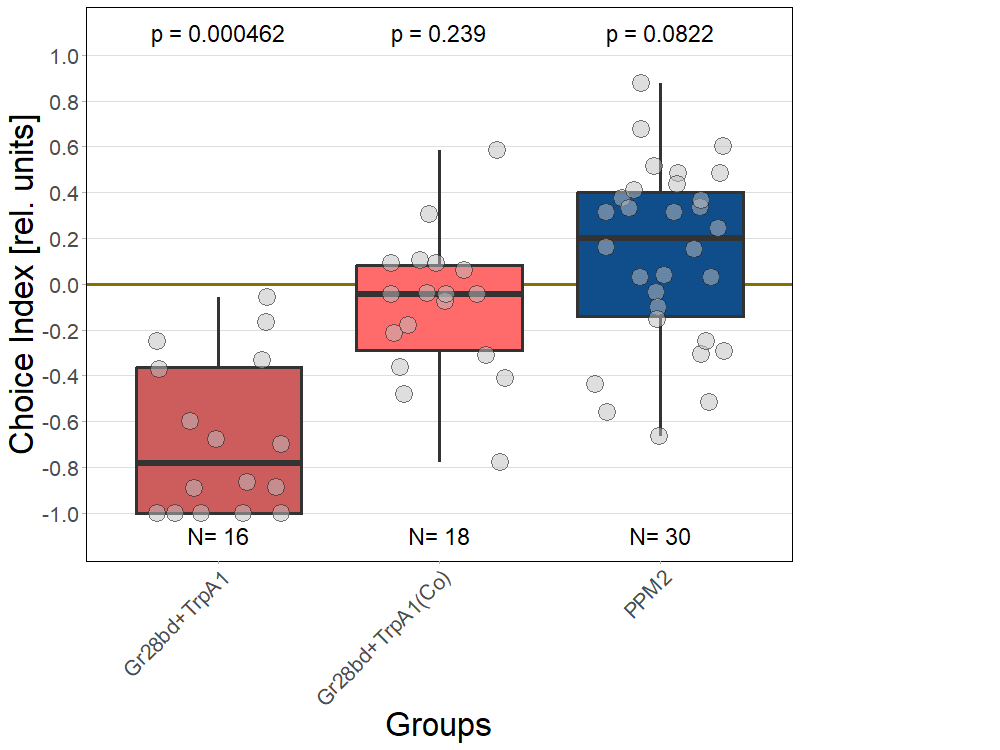
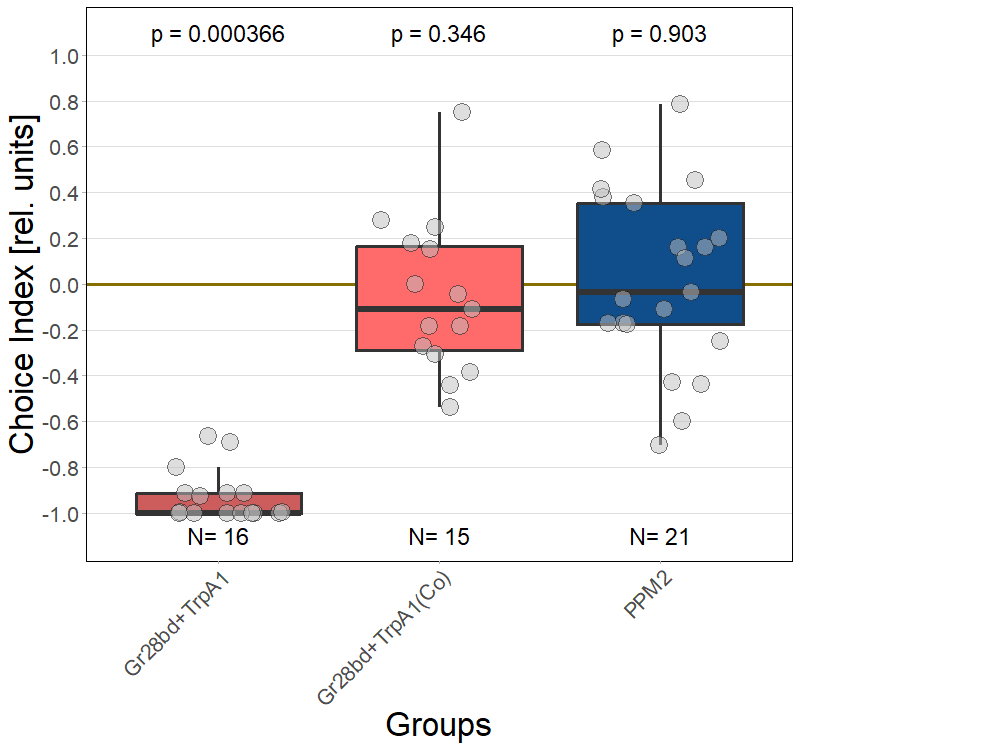
Update 03.02.25: Added more flies to the experiments and included some control flies.
Update 09.02.25: Added more flies; excluded all experiments where combined number of flies in light, dark and elevator tube was less than 30. Also added first red light results.
Update 14.02.25: Experiments with yellow light are almost finished, red light still needs some work
Update: 22.02.25: Added more flies to red light.
Category: Optogenetics | No Comments
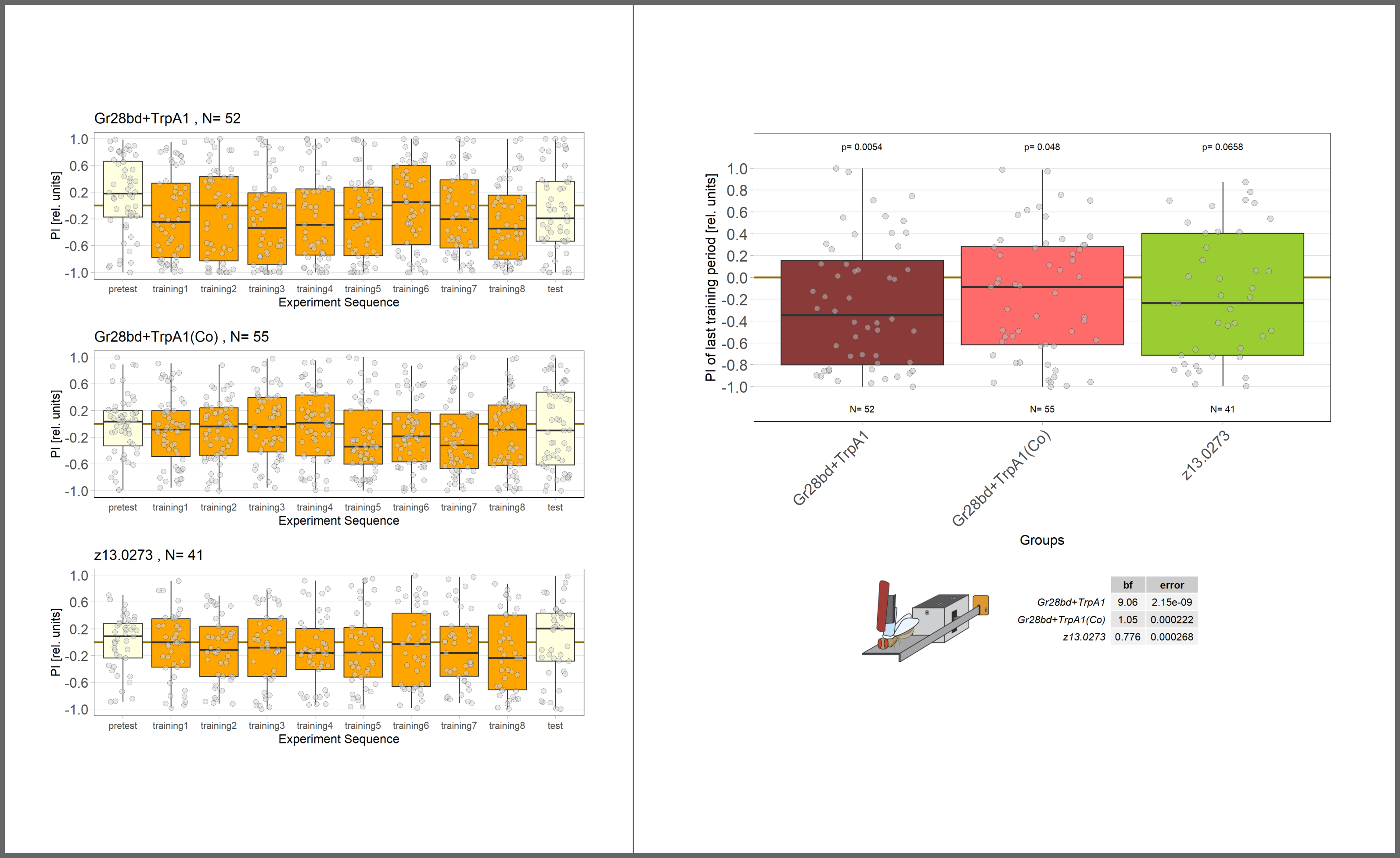
JoyStick results for 13.0273 and SIFa
on Monday, January 20th, 2025 11:05 | by Daniel Döringer
13.0273 (Red)
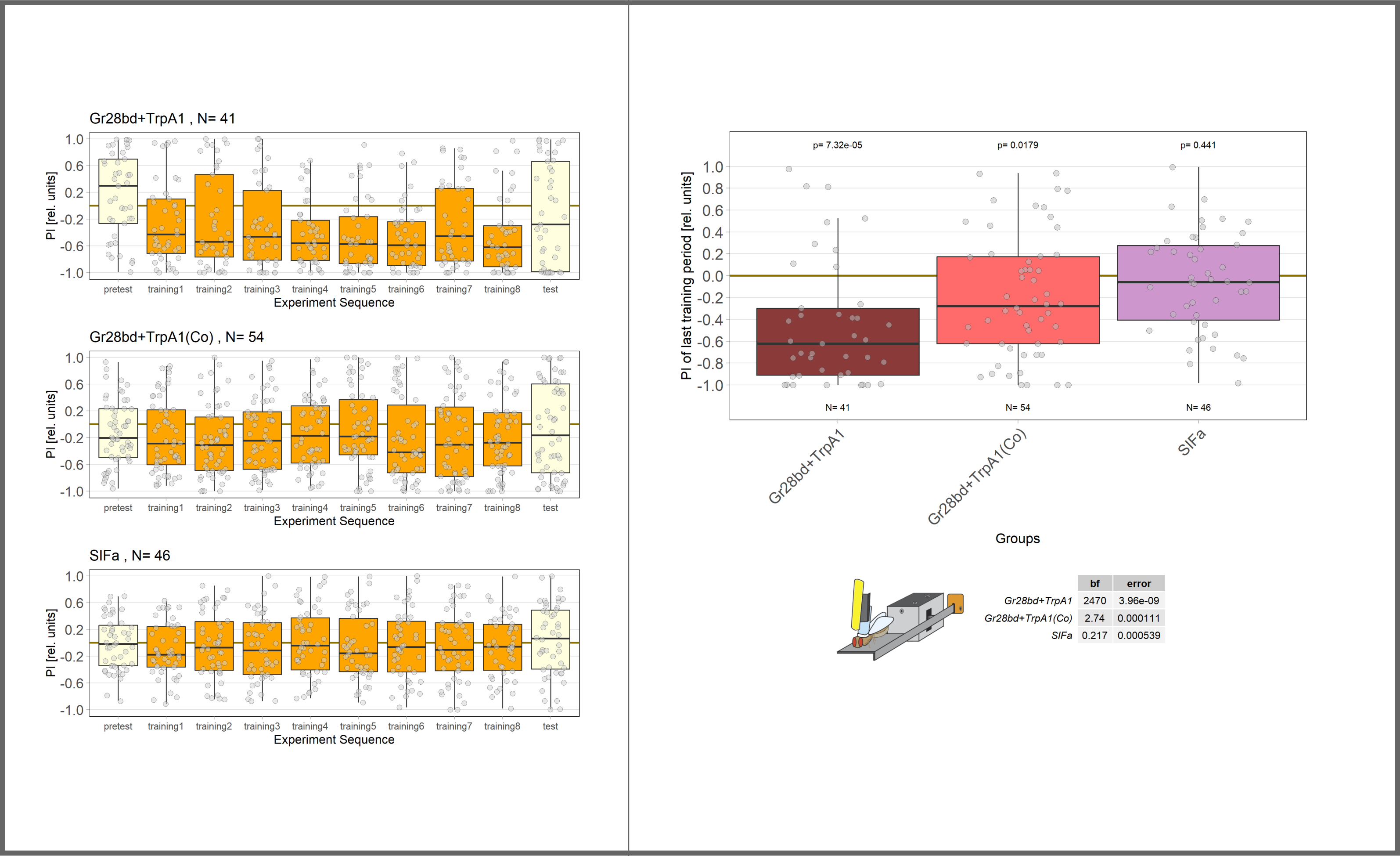
For all Figures the left side displays all 10 testing and training periods for the JoyStick experiment. The right side compares the PIs of the last training period between the groups. Graphics indicate whether red or yellow light was used.
13.0273 (Yellow)

SIFa (Red)

SIFa (Yellow)
Category: Optogenetics | No Comments
T-Maze CIs and JoyStick Last Training PIs for yellow and red light.
on Tuesday, January 7th, 2025 1:45 | by Daniel Döringer
| Strain | DA neurons | Reference |
| SS56699 | PPL1-FB | Hulse et al. eLife 2021 |
| TH-D-DBD; TH-C-AD | PPM2 | Xie et al. Cell Reports 2018 |
| TH-FLP-p10; 64H06 | PPM3 | Xie et al. Cell Reports 2018 |
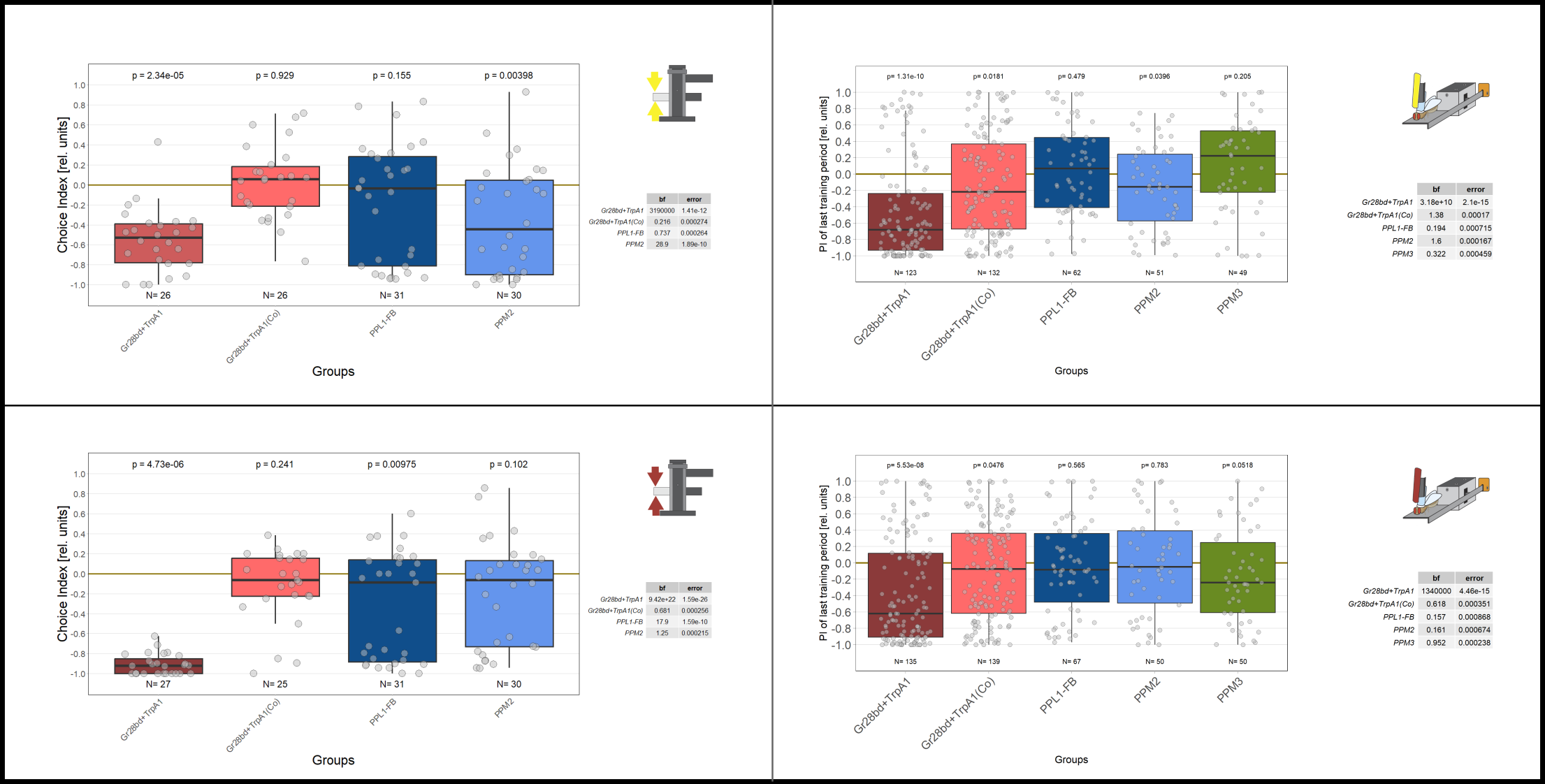
The left-hand side of the figure displays the choice indices (CIs) for the different groups tested for 1 minute in the T-Maze setting. On the right-hand side, the preference indices (PIs) for the final training period in the JoyStick setting are shown. Since flies of the TH_Flp_p10;64H06 line were not blind, they could not be tested in the T-Maze setting. The upper part of the figure refers to experiments conducted with yellow light, while the bottom part to experiments with red light, as indicated by the graphics.
In previous posts I referred to the different dopaminergic neurons (DA neurons) with the names of the driver lines used for the crossings. The table below the figure connects the fly strains to the targeted neurons and gives the reference. Gr28bd+TrpA1 target heat sensing neurons and acted as a control, since flies expressing the chrisom channel in these heat sensing neurons would avoid light activation. Flies were fed with all-trans retinal (ATR) for 2 days before the experiments, to enable light activation of the targeted neurons. For the negative control ethanol was used.
In the T-Maze experiments, flies were tested for 1 minute without prior exposure to light, whereas the JoyStick results reflect preferences after nine 1-minute training periods. Therefore, the T-Maze experiments should be repeated using longer testing periods. Additionally, PIs from the initial training periods in the JoyStick experiments will be included to allow for better comparison.
Hulse et al. eLife 2021: https://doi.org/10.7554/eLife.66039
Xie et al. Cell Reports 2018: https://doi.org/10.1016/j.celrep.2018.03.068
Category: Optogenetics | No Comments
FENS poster (link for students)
on Thursday, February 14th, 2019 11:21 | by Christian Rohrsen
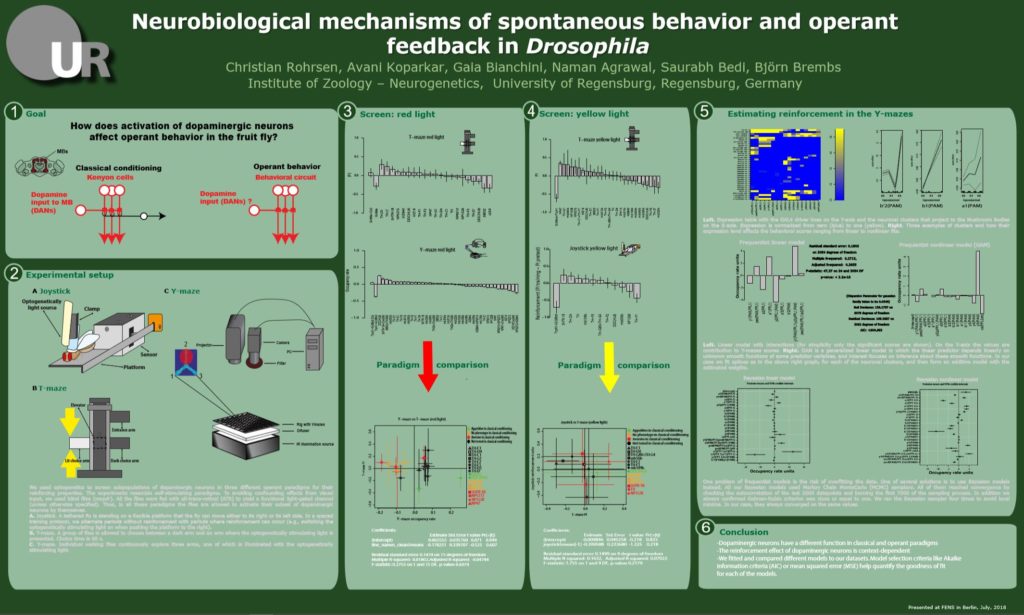
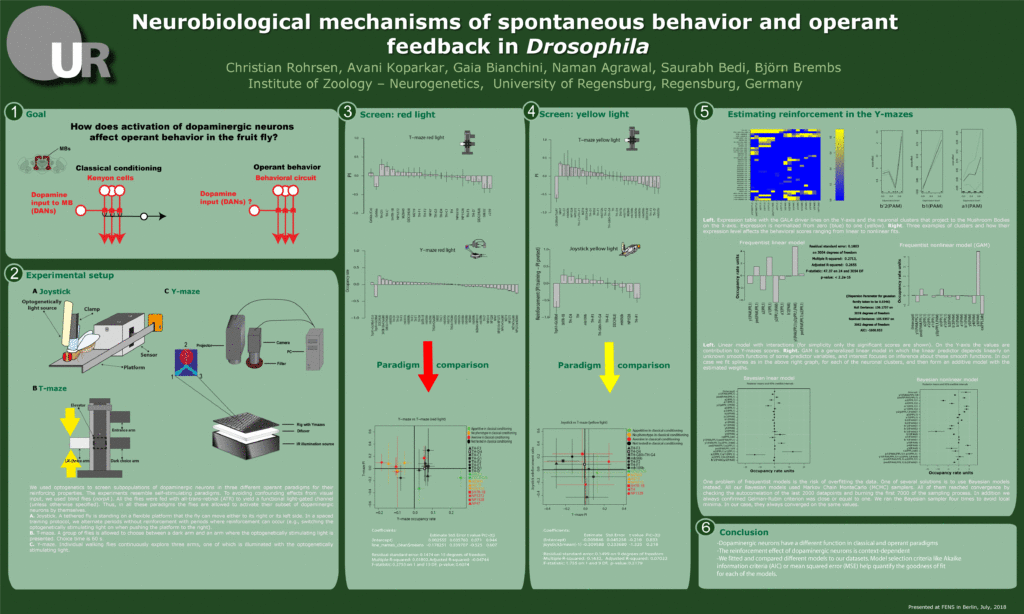
Category: Uncategorized | No Comments
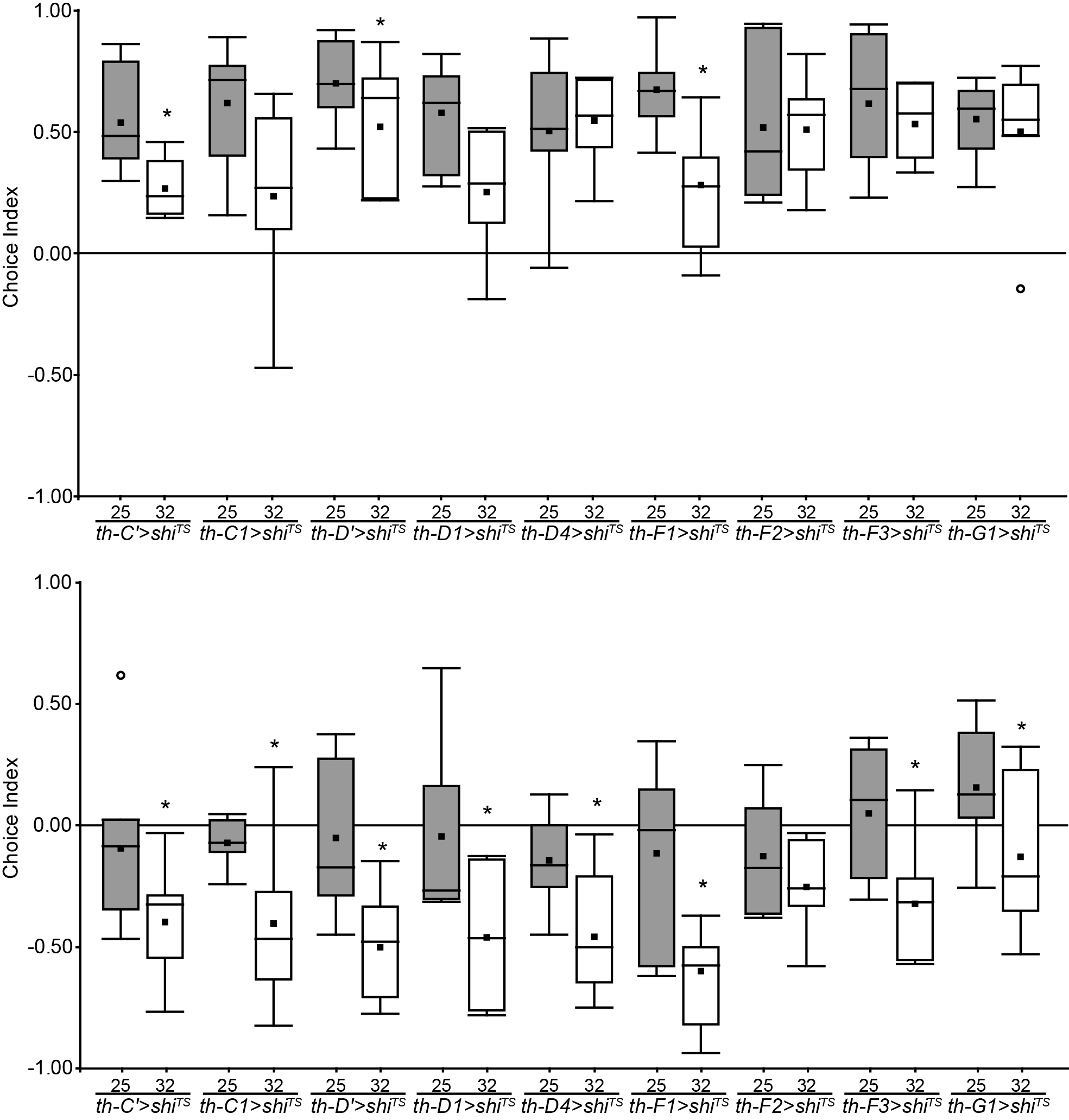
Update: Looking for the DA & OA neurons involved in phototactic flexibility
on Wednesday, October 7th, 2015 11:35 | by Axel Gorostiza
These are the newst results of my screen. There are some interesting candidates, but it’s still too soon to conclued something.
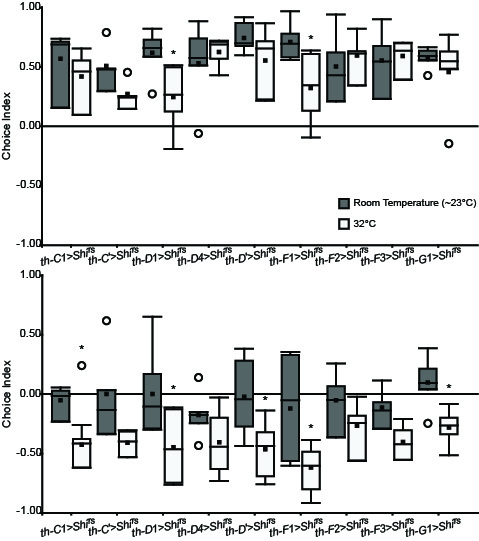
Update of the DA screening. New experiments are in red (25°C) and blue (32°C).
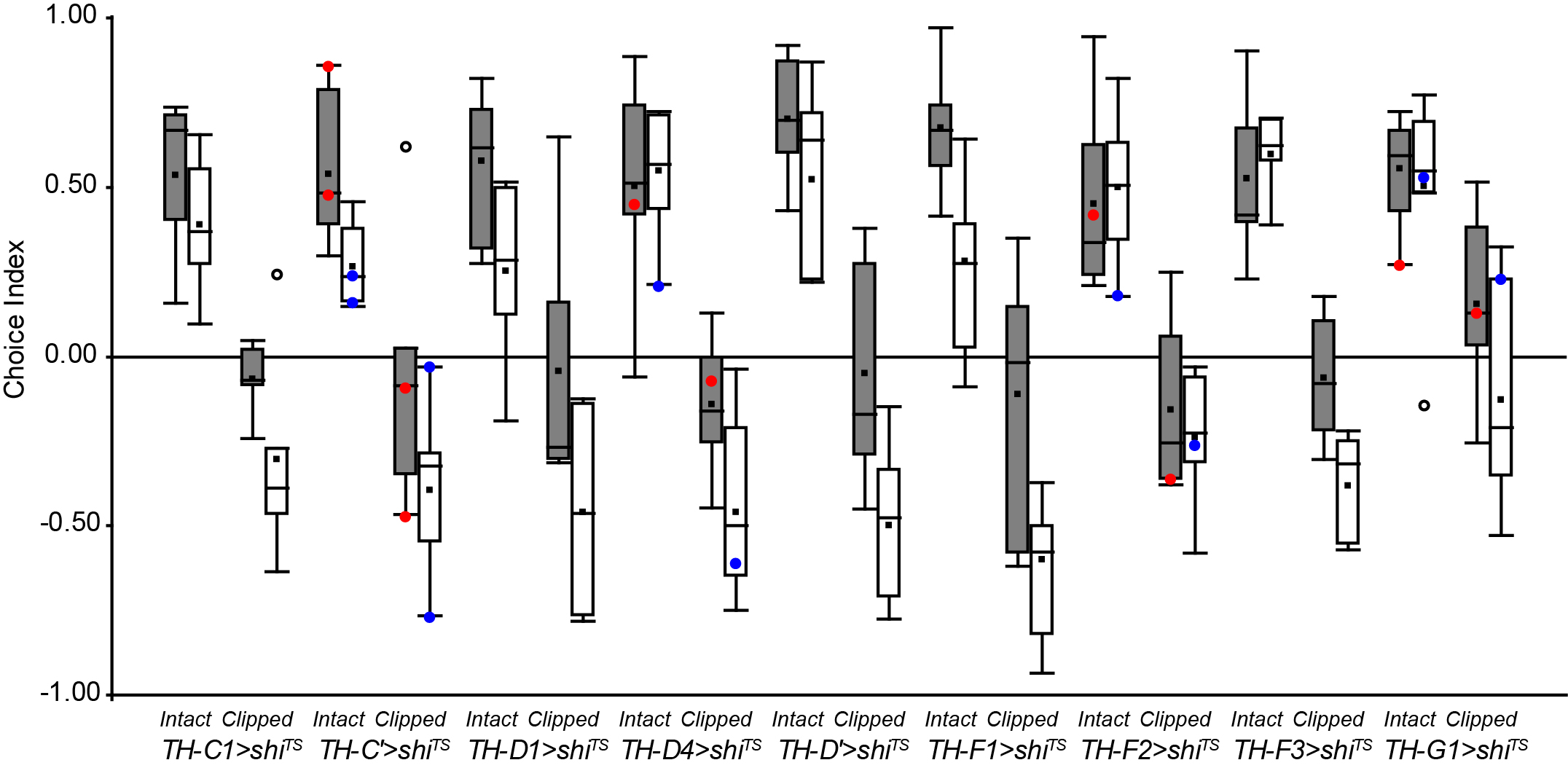
Experiment finished.
Category: wing clipping | No Comments