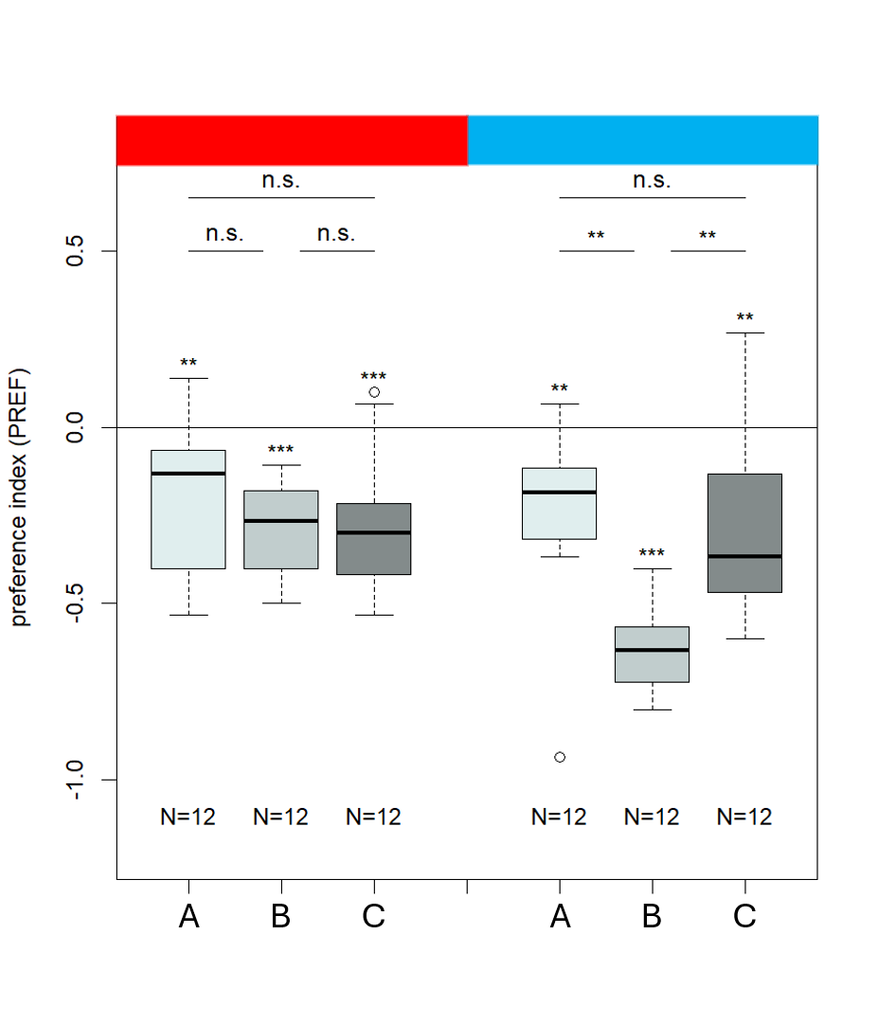
Gustatory preference/Salt avoidance
Experimental Group: 201y-Gal4>UAS-ChR2-XXL, Control 1: 201y-Gal4>w1118, Control 2: w1118>UAS-ChR2-XXL, Tests are performed blind
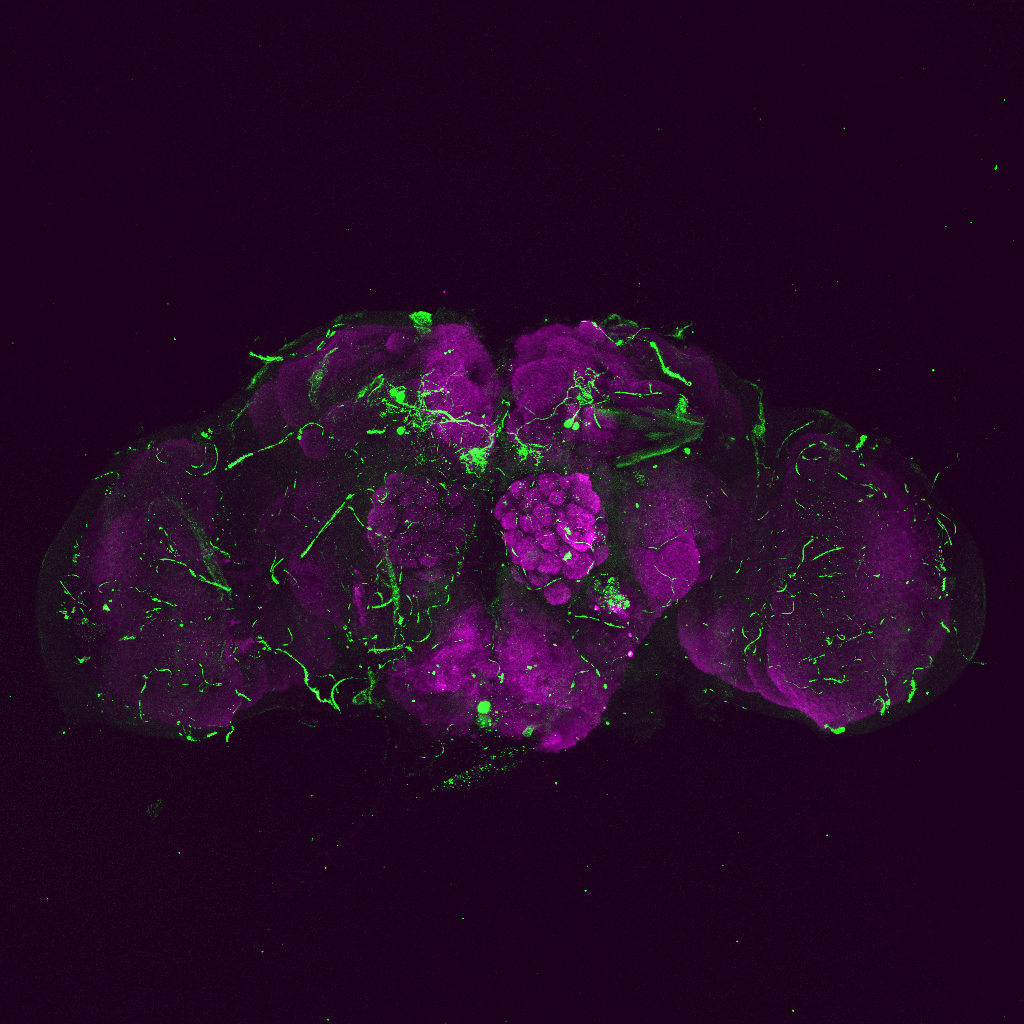
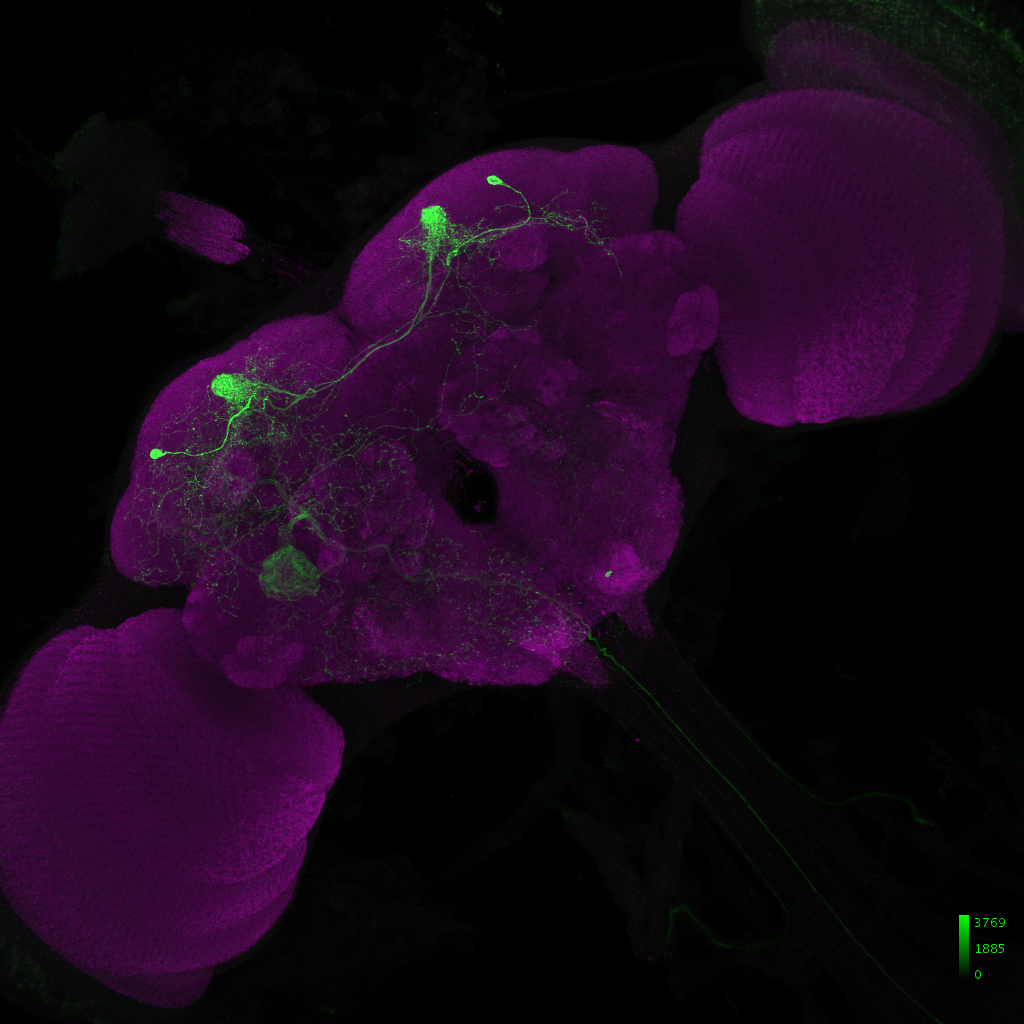
TH Driver lines adult expression verification
MB304B>UAS-mCD8::GFP; aGFP (rabbit), NC82 (aBrp, mouse), GAR AF 488, GAM AF 555; Leica SP8, 20x immersion oil
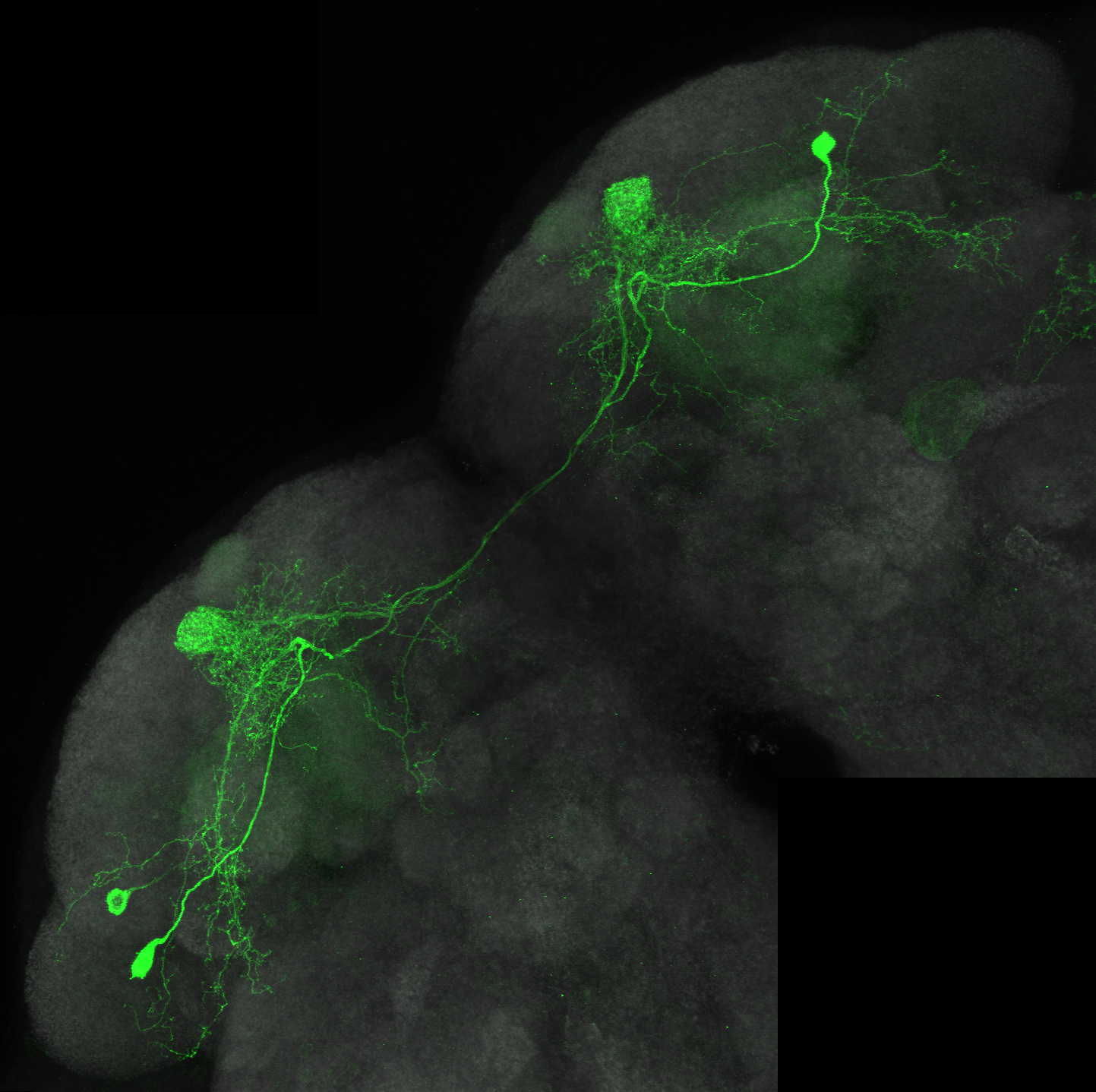
Janelia Fly Light Split-GAL4 reference
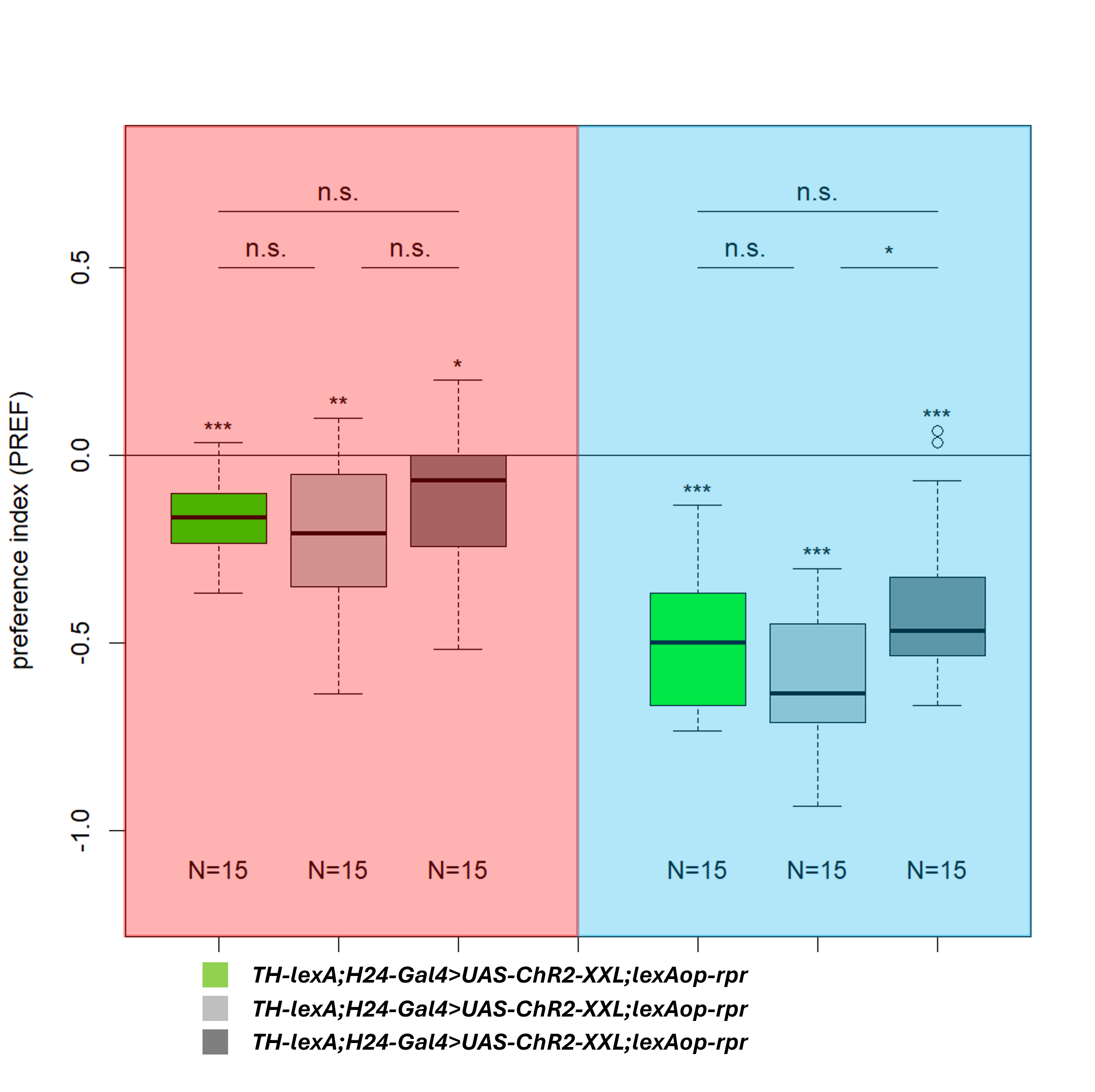
Larval salt avoidance behavior
3rd instar larvae were tested for their avoidance behavior on 1.5% Agarose/1.5% Agarose+1.5M Salt-Plate. MB Kenyon cells were optogenetically activated via Channelrhodopsin2-XXL during the experiment. TH-Gal4 positive dopaminergic cells were permanently ablated.
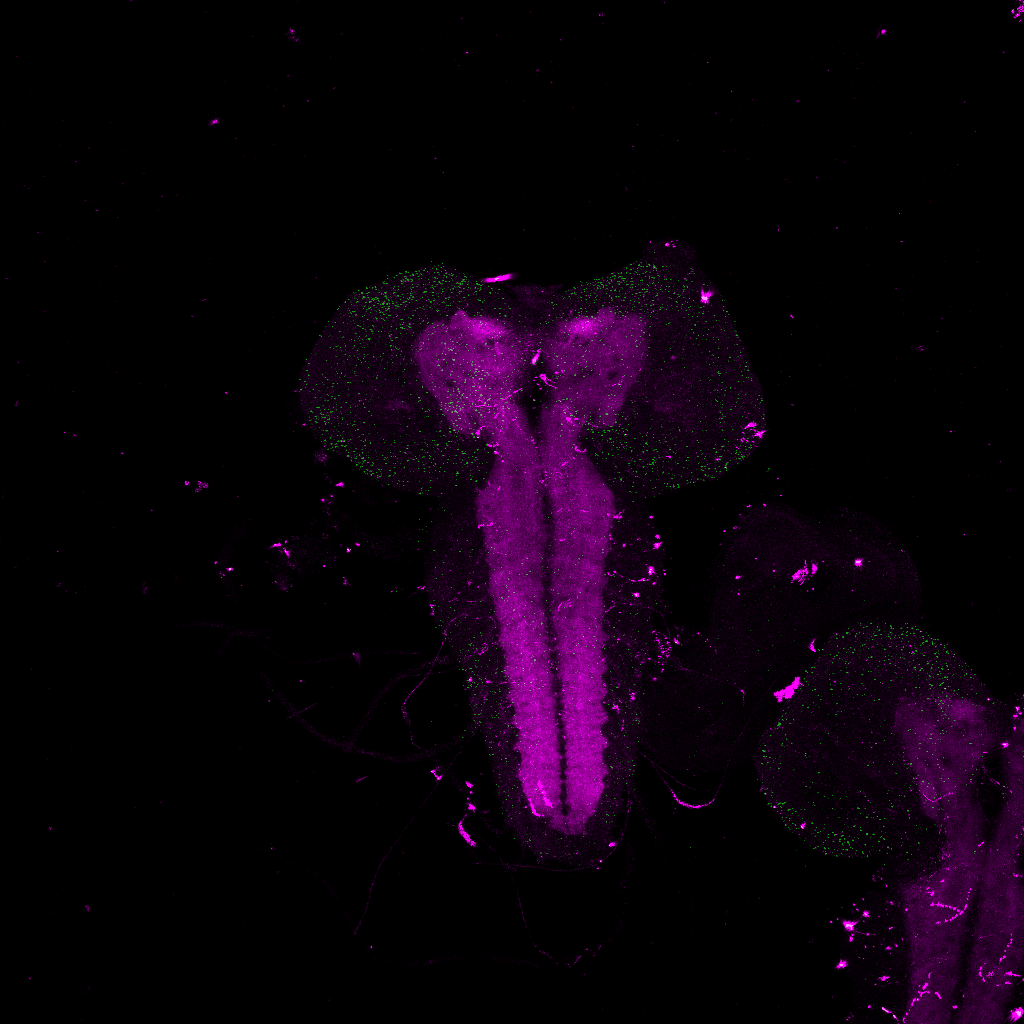
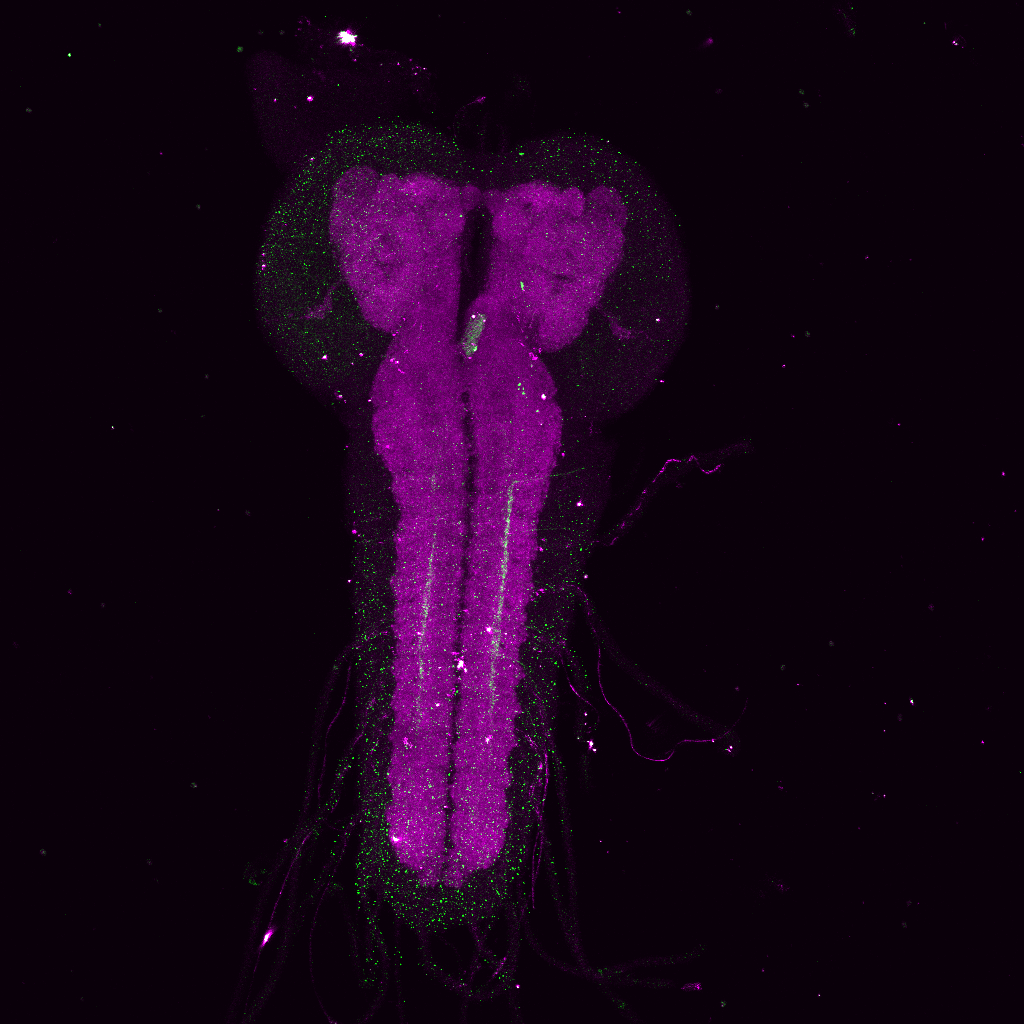
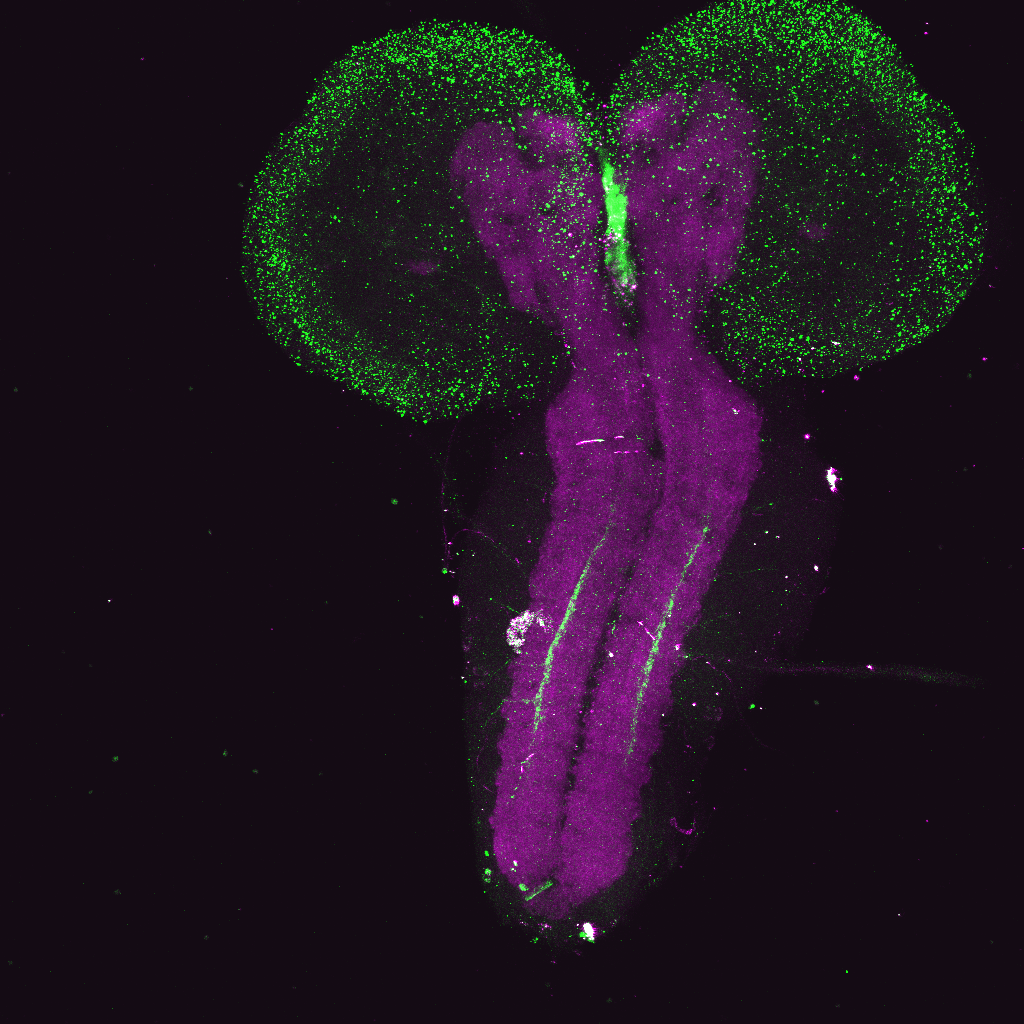
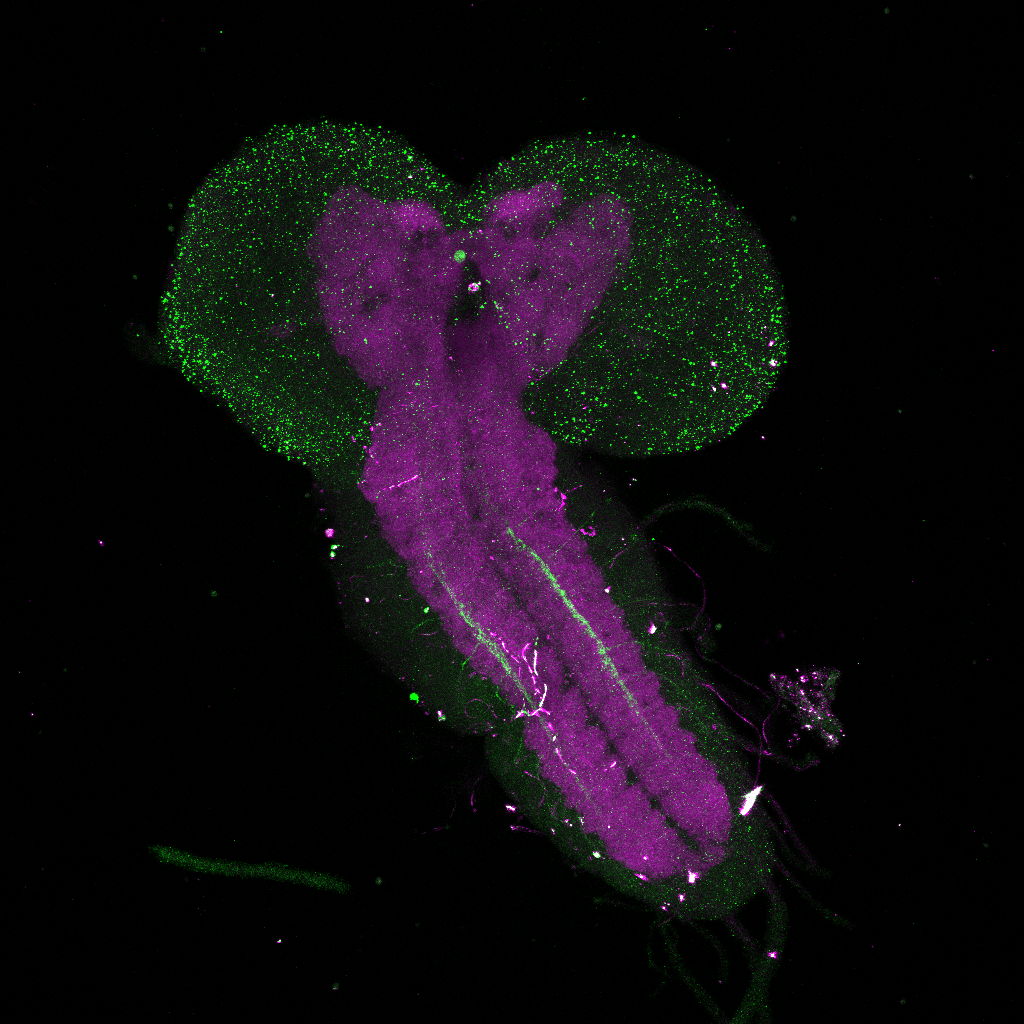
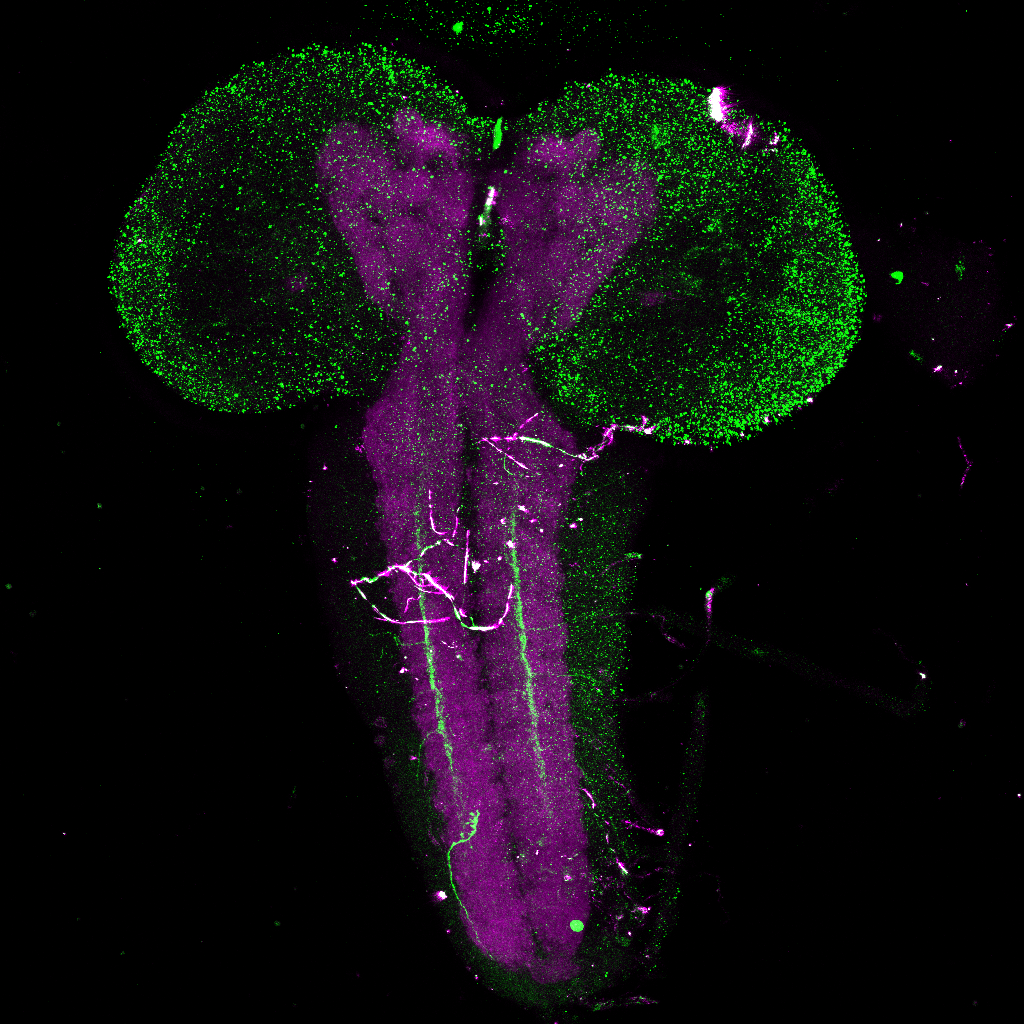
TH Driver lines larval expression verification
MB032B>UAS-mCD8::GFP; aGFP (rabbit), NC82 (aBrp, mouse), GAR AF 488, GAM AF 555; Leica SP8, 20x immersion oil
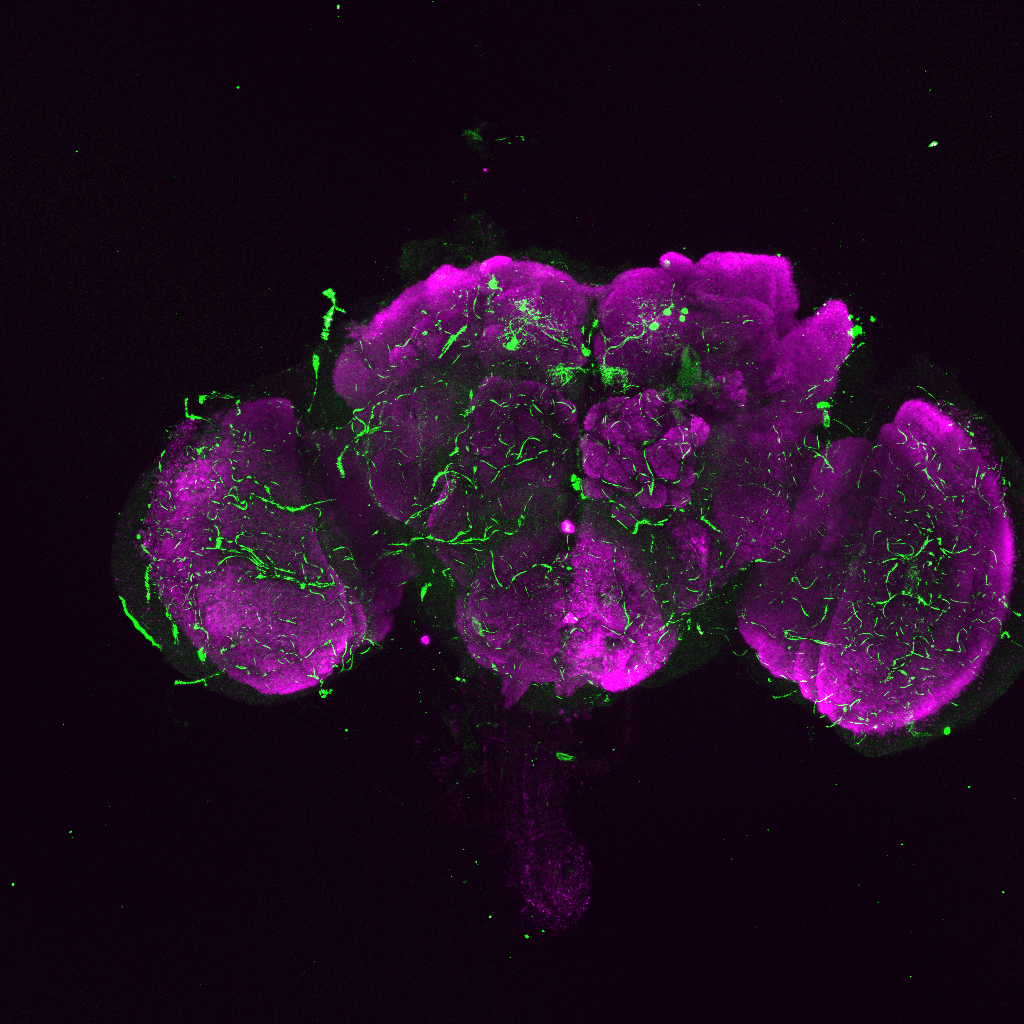
TH Driver lines adult expression verification
MB299B>UAS-mCD8::GFP; aGFP (rabbit), NC82 (aBrp, mouse), GAR AF 488, GAM AF 555; Leica SP8, 20x immersion oil
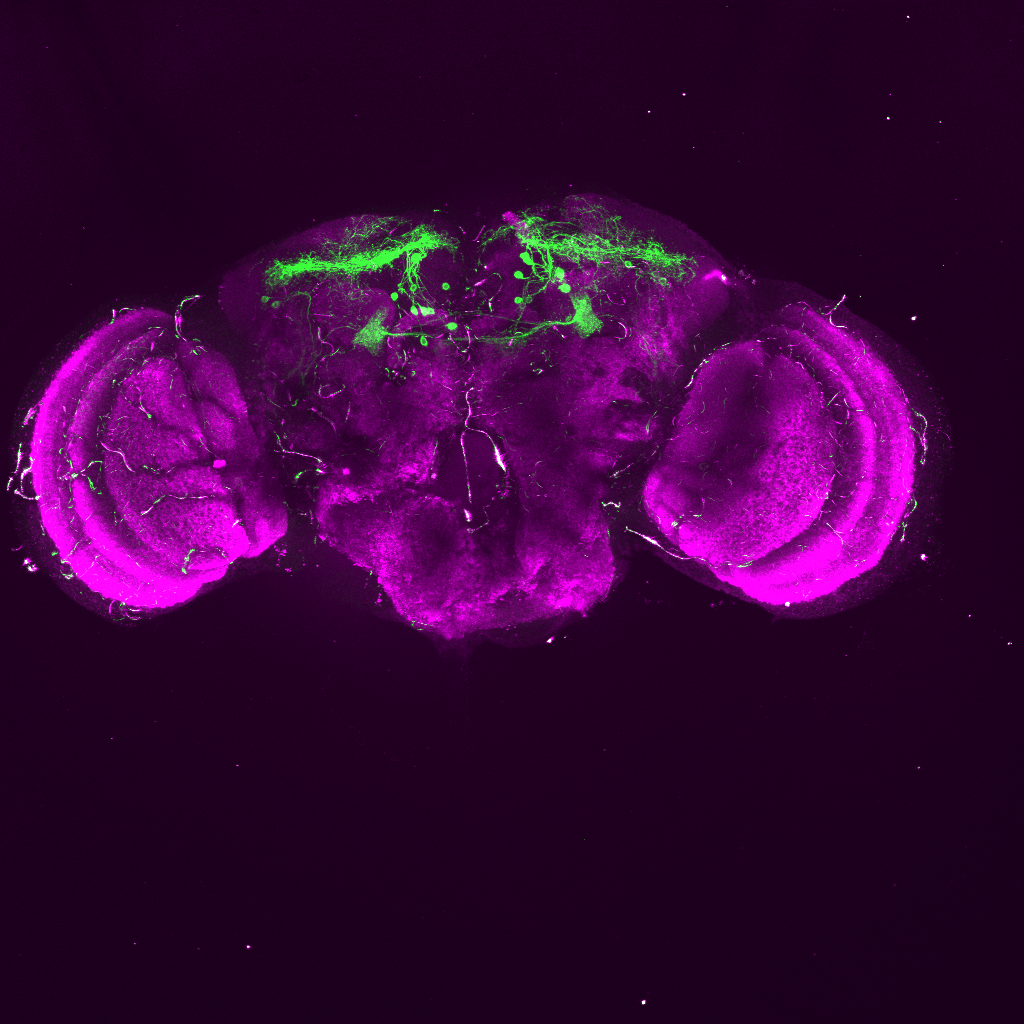
Janelia Fly Light Split-GAL4 reference
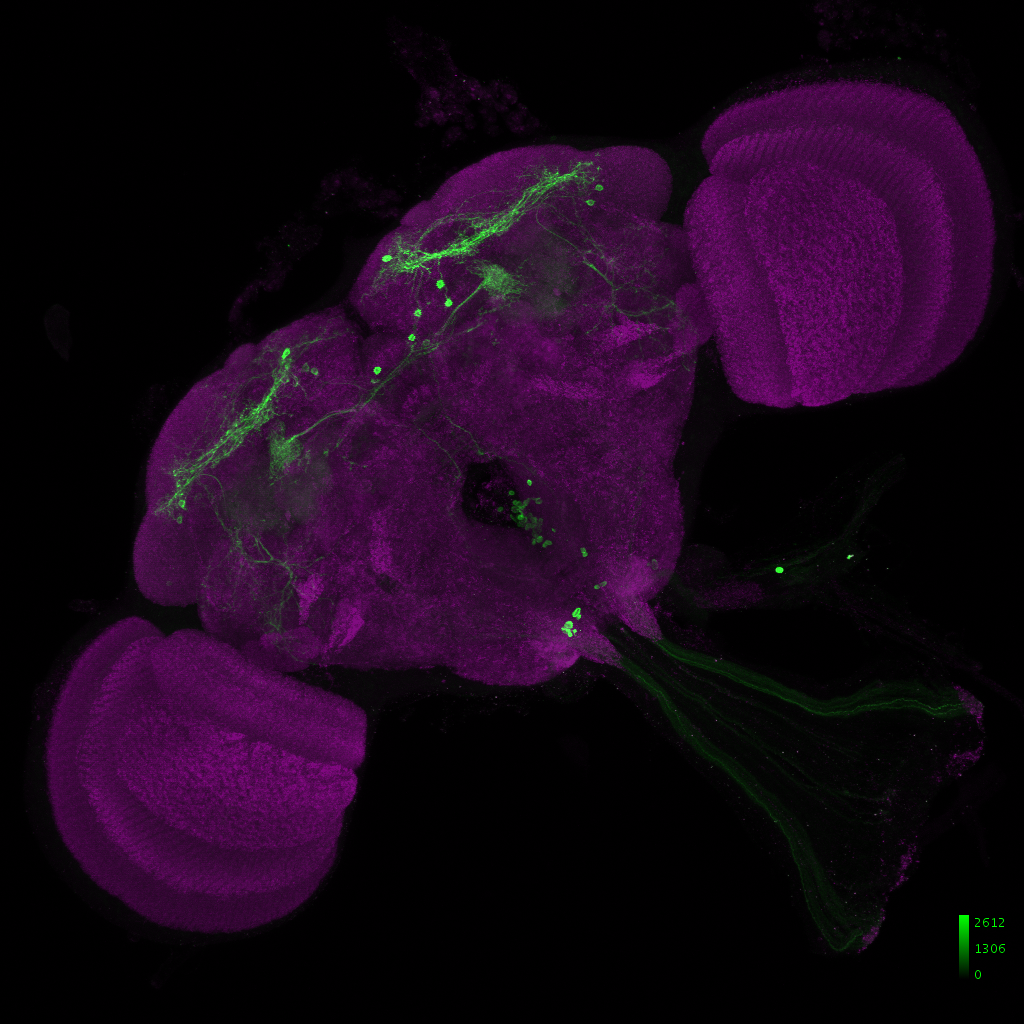
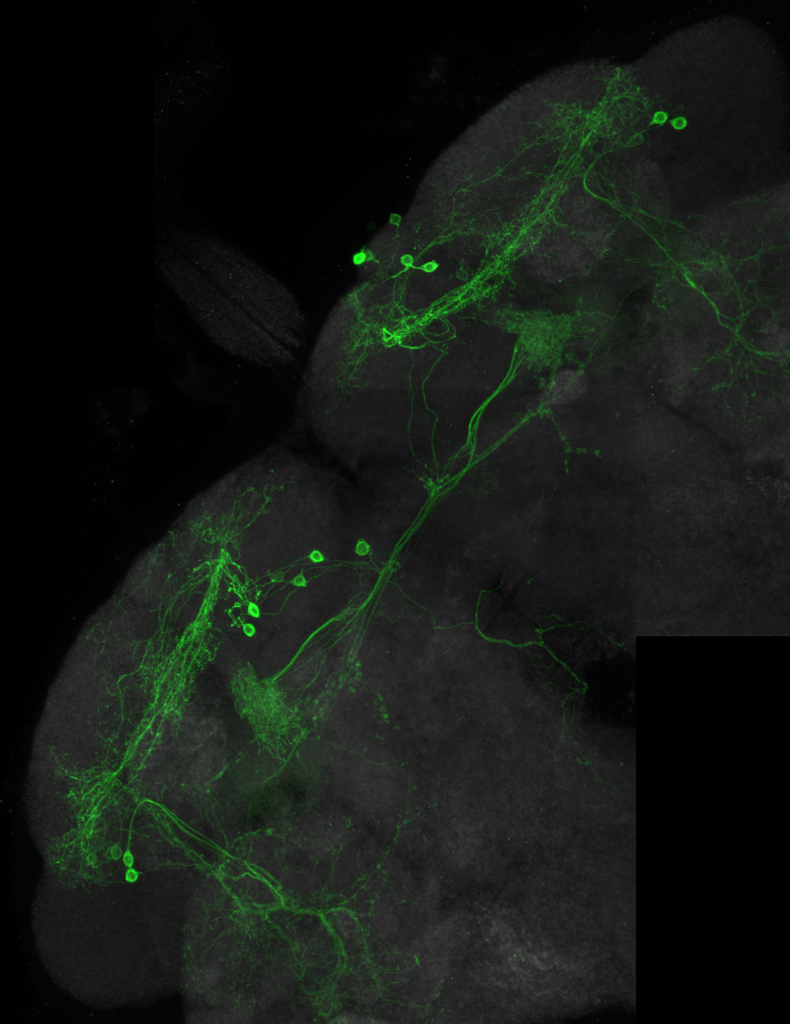
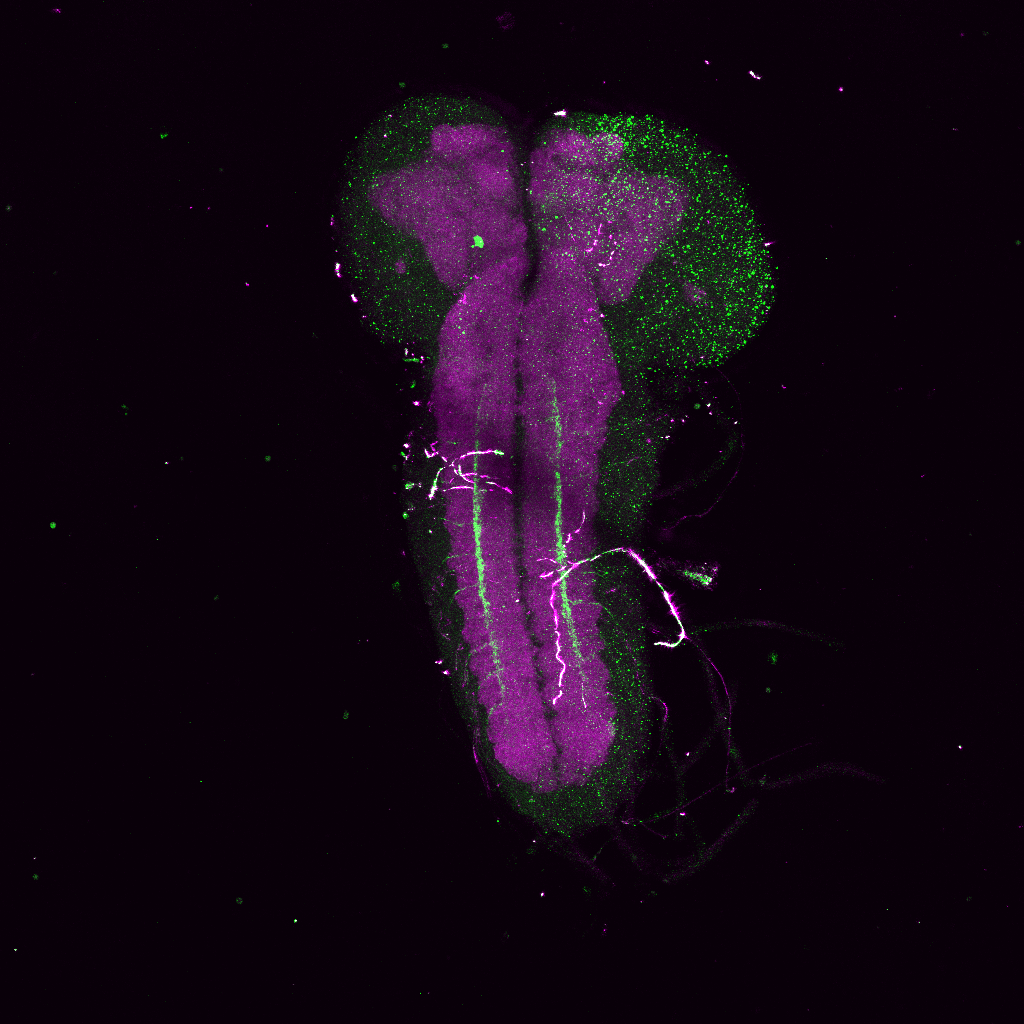
TH Driver lines larval expression verification
MB304B>UAS-mCD8::GFP; aGFP (rabbit), NC82 (aBrp, mouse), GAR AF 488, GAM AF 555; Leica SP8, 20x immersion oil
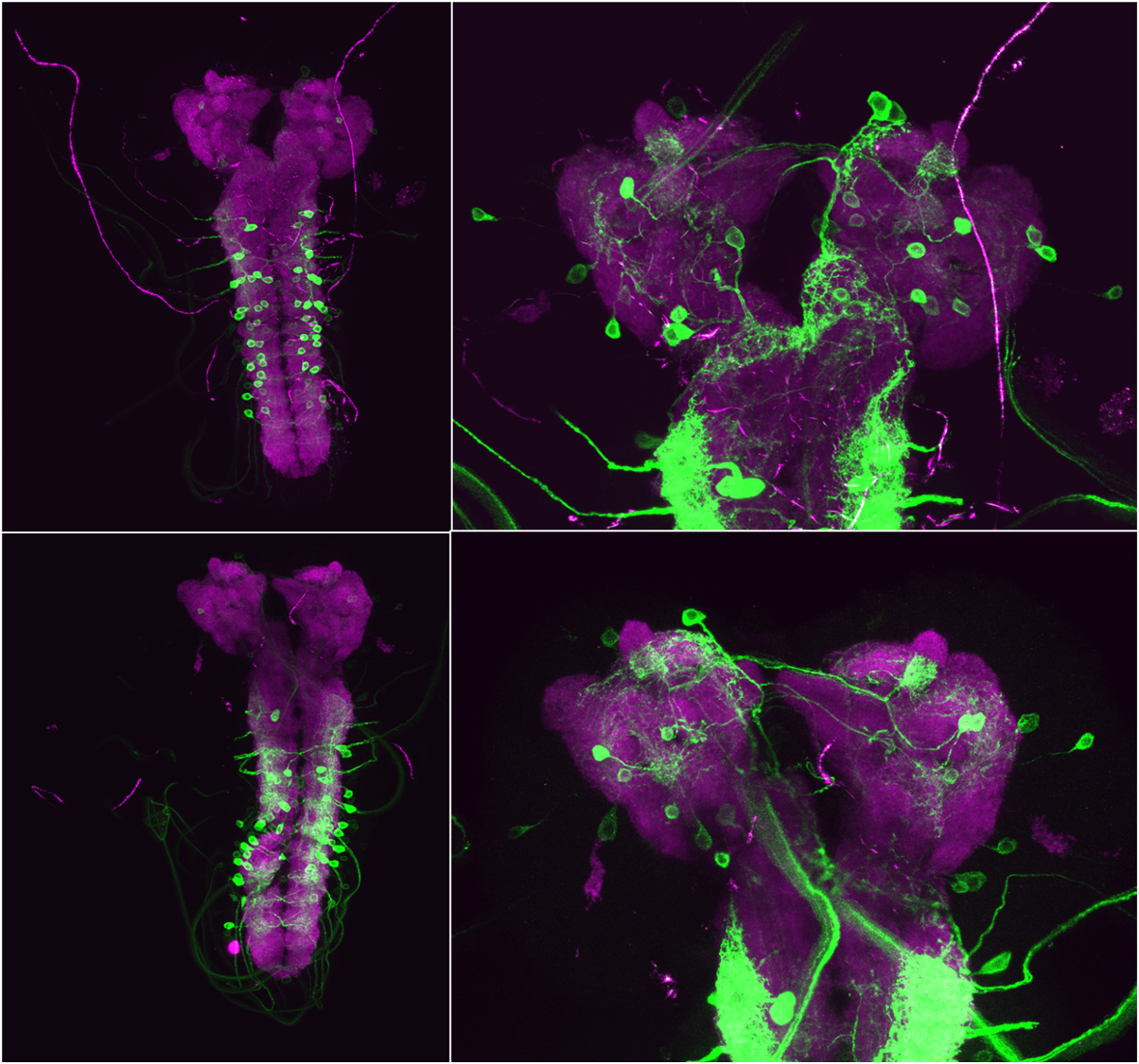
TH Driver lines larval expression verification
MB299B>UAS-mCD8::GFP; aGFP (rabbit), NC82 (aBrp, mouse), GAR AF 488, GAM AF 555; Leica SP8, 20x immersion oil
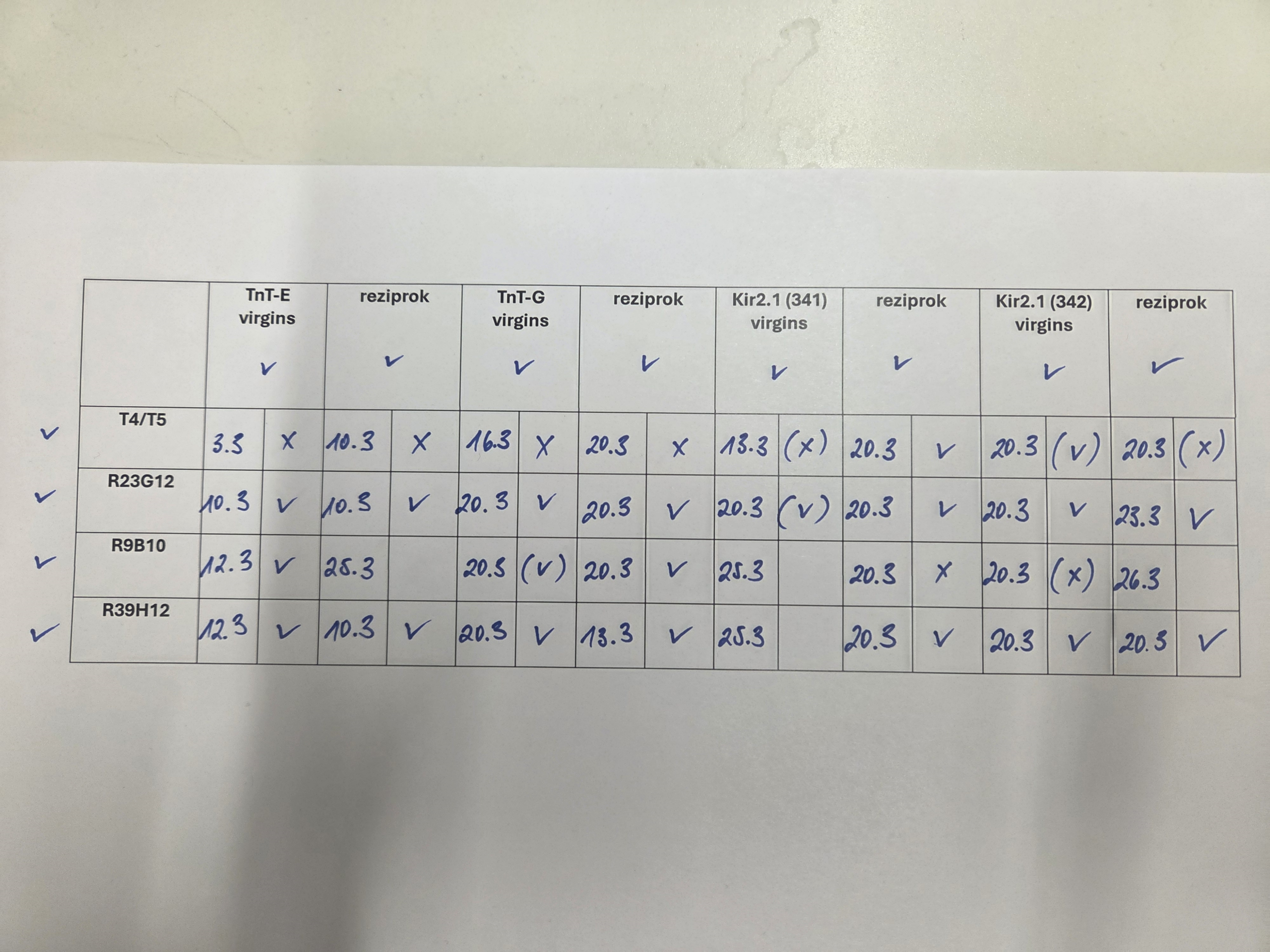
T4/T5 lines test crossings
Different T4/T5 driver lines are crossed with different effector lines to assess the viability of the F1 progeny
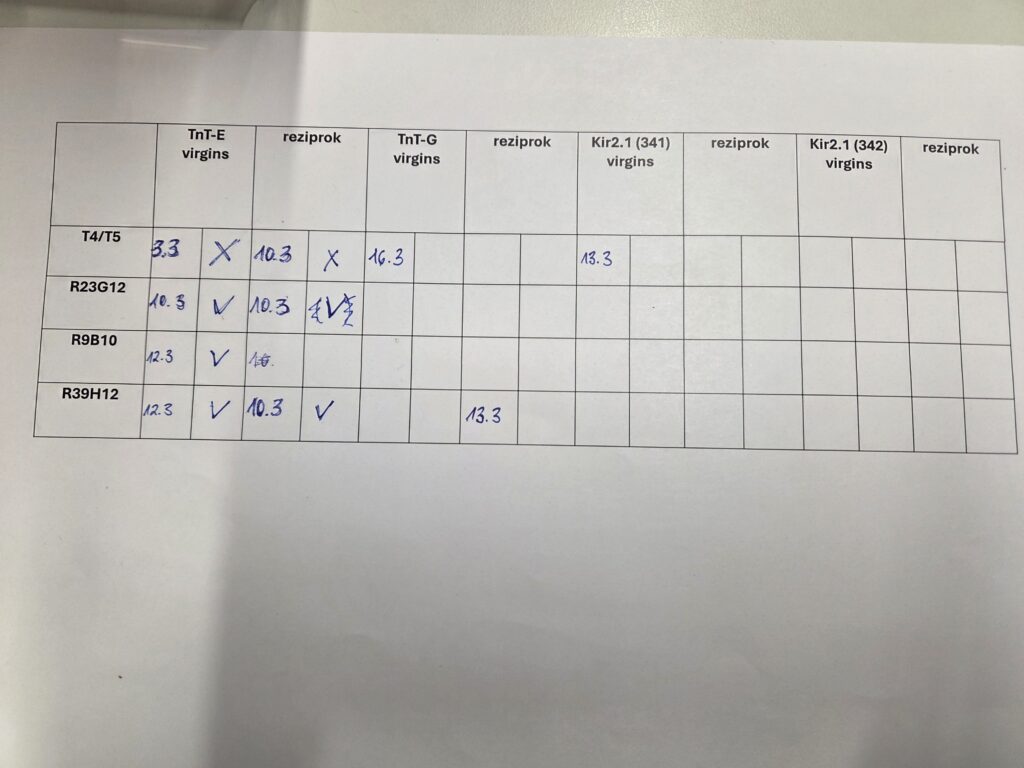
T4/T5 lines test crossings
Different T4/T5 driver lines are crossed with different effector lines to assess the viability of the F1 progeny
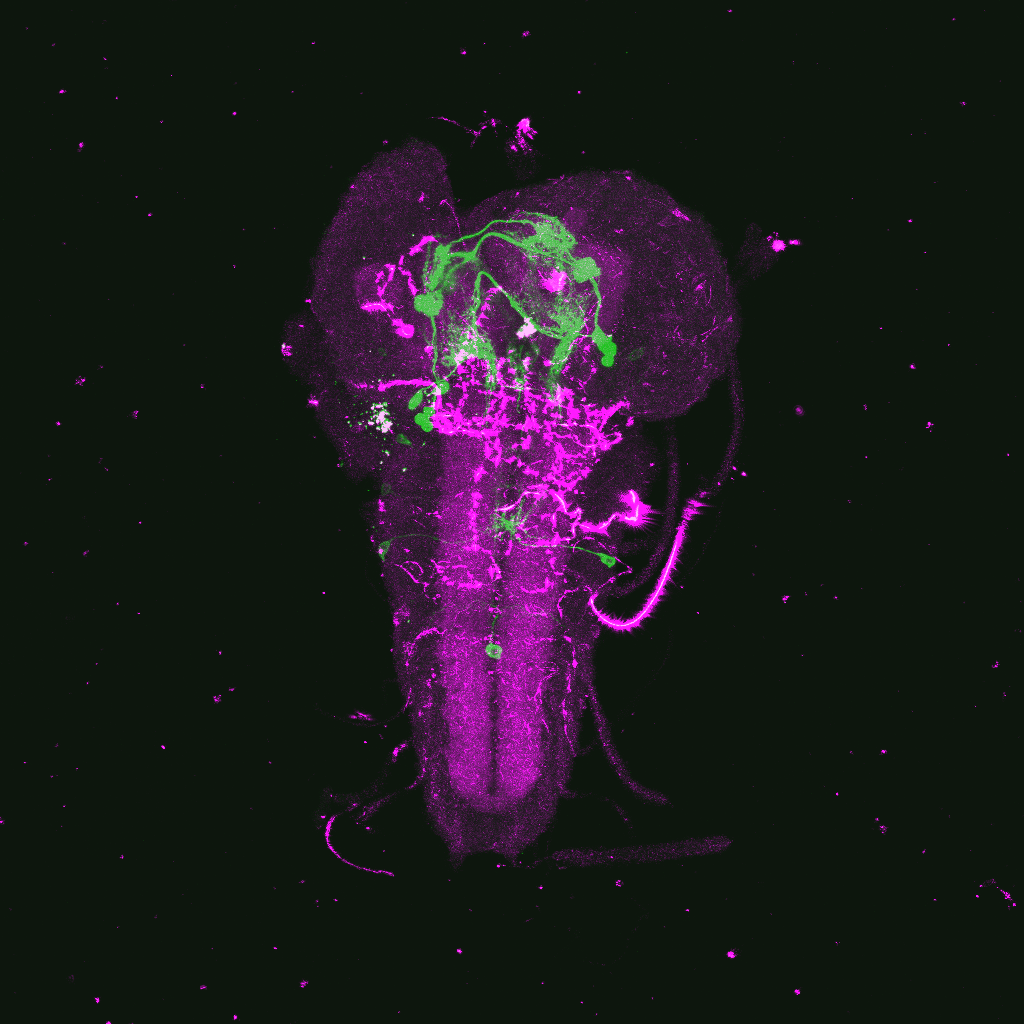
TH Driver lines larval expression verification
TH-D’-Gal4>UAS-mCD8::GFP; aGFP (rabbit), NC82 (aBrp, mouse), GAR AF 488, GAM AF 555; Leica SP8, 20x immersion oil
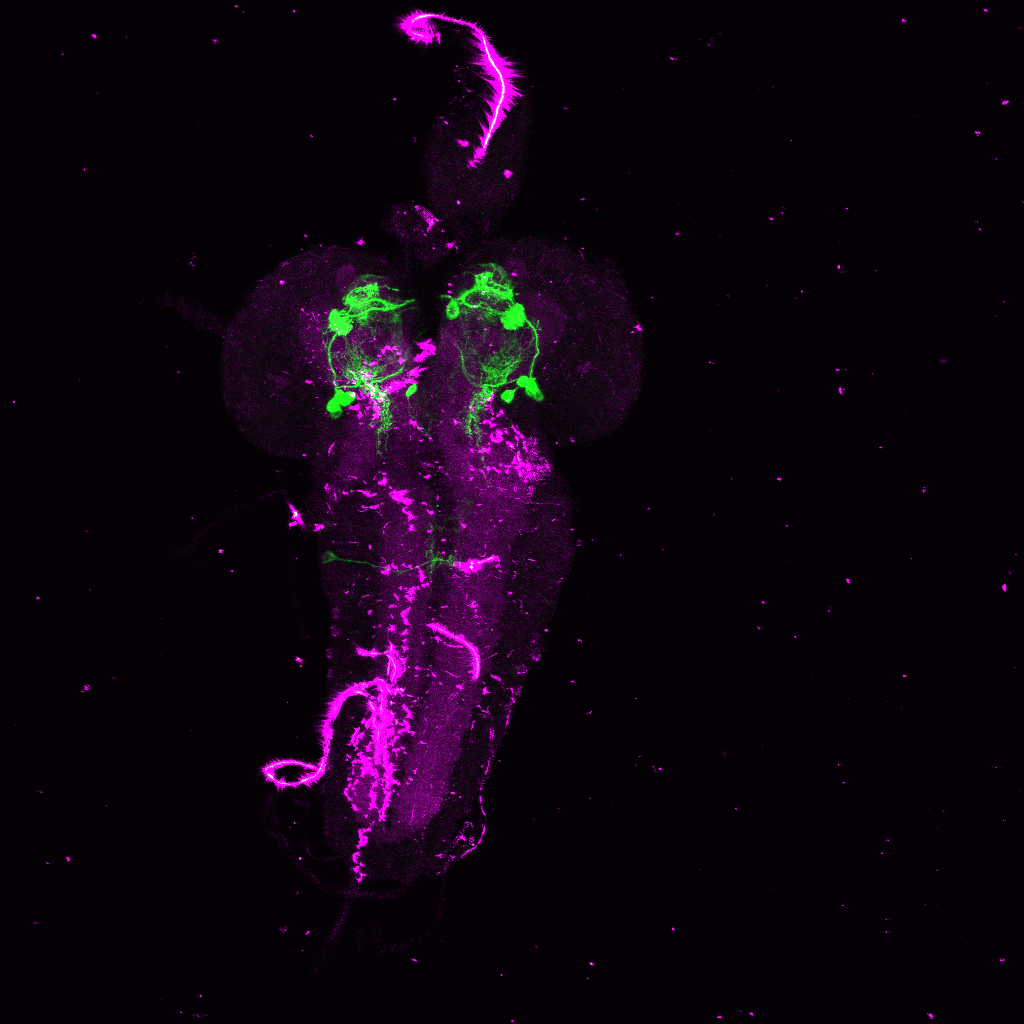
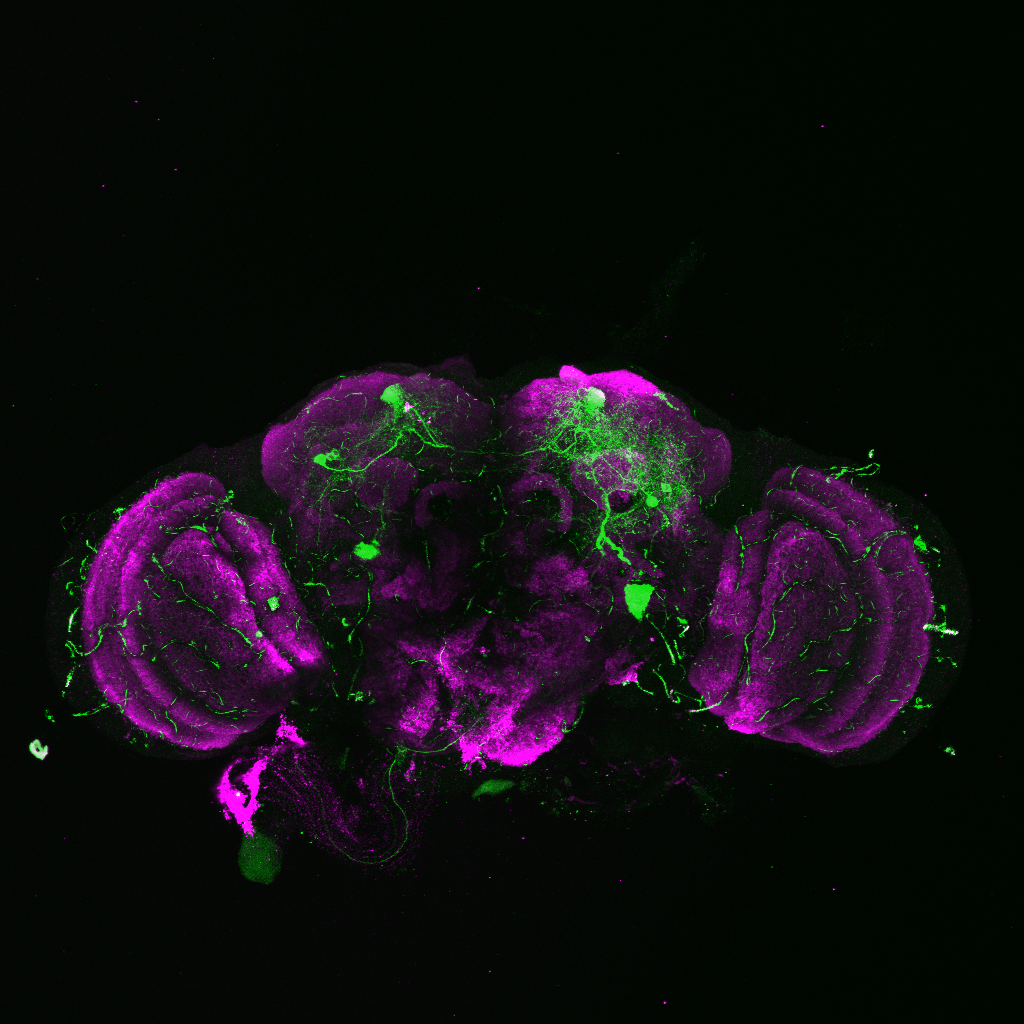
NP1568-Gal4>UAS-mCD8::GFP (adult brains); aGFP (rabbit), NC82 (aBrp, mouse), GAR AF 488, GAM AF 555; Leica SP8, 20x immersion oil